What initially begins as a small blemish can gradually recur, and when marks or red traces start lingering for a long time, it can often become increasingly stressful.
Acne is not simply a skin change that appears once and then goes away. It often develops through a combination of sebum production, inflammatory responses, the condition of the skin barrier, lifestyle habits, and other factors. As a result, many people find that basic home care or extractions alone have limitations.
For this reason, rather than repeatedly applying a single treatment, there has recently been growing emphasis on developing a more customized treatment approach based on the current condition of the skin and the pattern of acne.
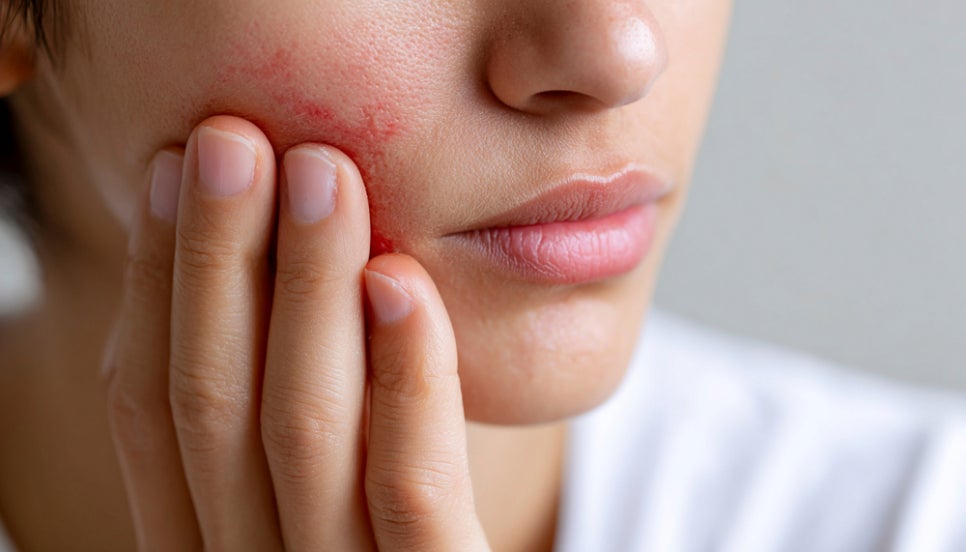
Even acne that looks the same on the surface may have different underlying conditions
Although it may look similar on the outside, not all acne is actually the same type.
For example,
-
non-inflammatory acne that appears like small bumps
-
inflammatory acne that is red and painful
-
deep, pus-filled acne that can be felt beneath the skin
-
skin with a weakened barrier due to repeated extractions
The appropriate approach may vary depending on these factors.
In particular, when inflammation repeatedly occurs, continued excessive irritation may increase the possibility of red marks or depressed scars. Therefore, carefully assessing the current condition of the skin can be important.

The overall skin environment should be considered, not just sebum-related issues
Some people say that acne is caused simply by not washing well enough, or that washing thoroughly will prevent it. Others may think it develops only because of excessive sebum. In reality, however, the overall skin environment often plays a role as well.
For example,
-
significant dryness beneath the skin
-
recurring sensitivity due to a damaged skin barrier
-
accumulated irritation from excessive exfoliation
-
an impaired oil-and-moisture balance
These factors can all be connected to worsening acne.
For this reason, rather than focusing solely on extractions, treatment approaches that also consider soothing the skin and restoring the skin barrier are becoming more common.
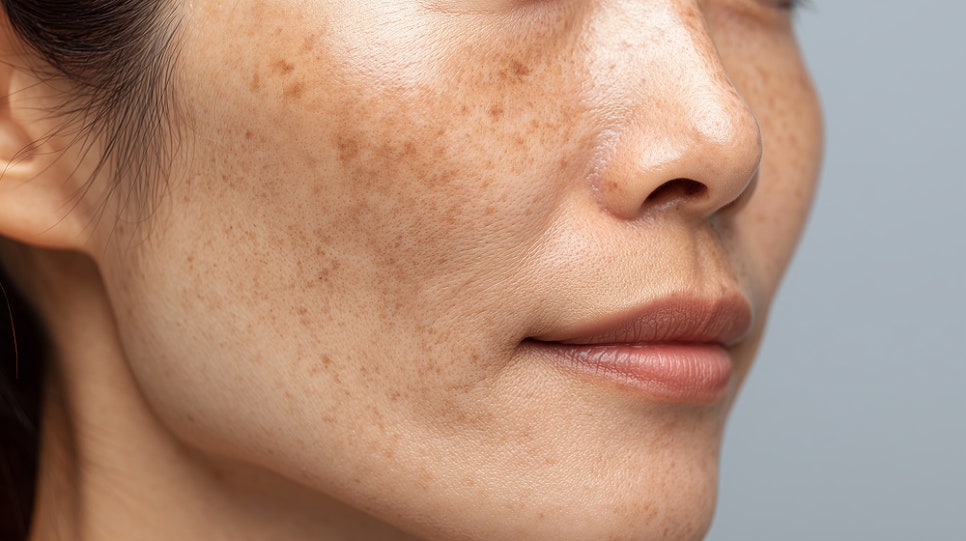
The marks left behind after acne can also persist
In many cases, the concerns that last longer than the acne itself are the marks left afterward.
Common examples include
-
red marks
-
brown hyperpigmentation
-
enlarged pores
-
uneven scars
These may recur or persist.
In particular, when inflammation has been deep, it may lead to scar changes during the skin’s regeneration process. Therefore, the initial process of controlling inflammation can be important.
Depending on the condition of the skin, various devices such as Vbeam Perfecta, PicoPlus, Potenza, Agnes, Capri, Excel V, and CureJet may be used. Skin boosters such as Juvelook or Juvelook Volume may also be used together to address red marks, improve skin texture, and consider depressed scars, potentially contributing to more effective results.
However, rather than using as many devices as possible, it may be more important to adjust the sequence and intensity of treatment to match the skin’s current recovery condition.
It is important to identify the reasons for recurring acne
Acne is not simply a skin problem; in many cases, it is also connected to lifestyle habits and patterns of skin irritation.
For example,
These factors may repeatedly contribute to the problem.
Ultimately, when dealing with acne around Ewha Womans University Station, it may be important not only to eliminate the blemishes that have appeared now, but also to examine why they keep recurring.
Because everyone’s skin is different, it may be important to carefully analyze the current level of inflammation and skin type before establishing an appropriate treatment plan.











Previous image
Next image