Hello, this is Diu Plastic Surgery.
My nose looked less attractive than before.
This is the comment most often made by people who return to a plastic surgery clinic after hump nose surgery.
At first, the protruding bridge of the nose was a complex, and they expected a more refined impression through surgery.
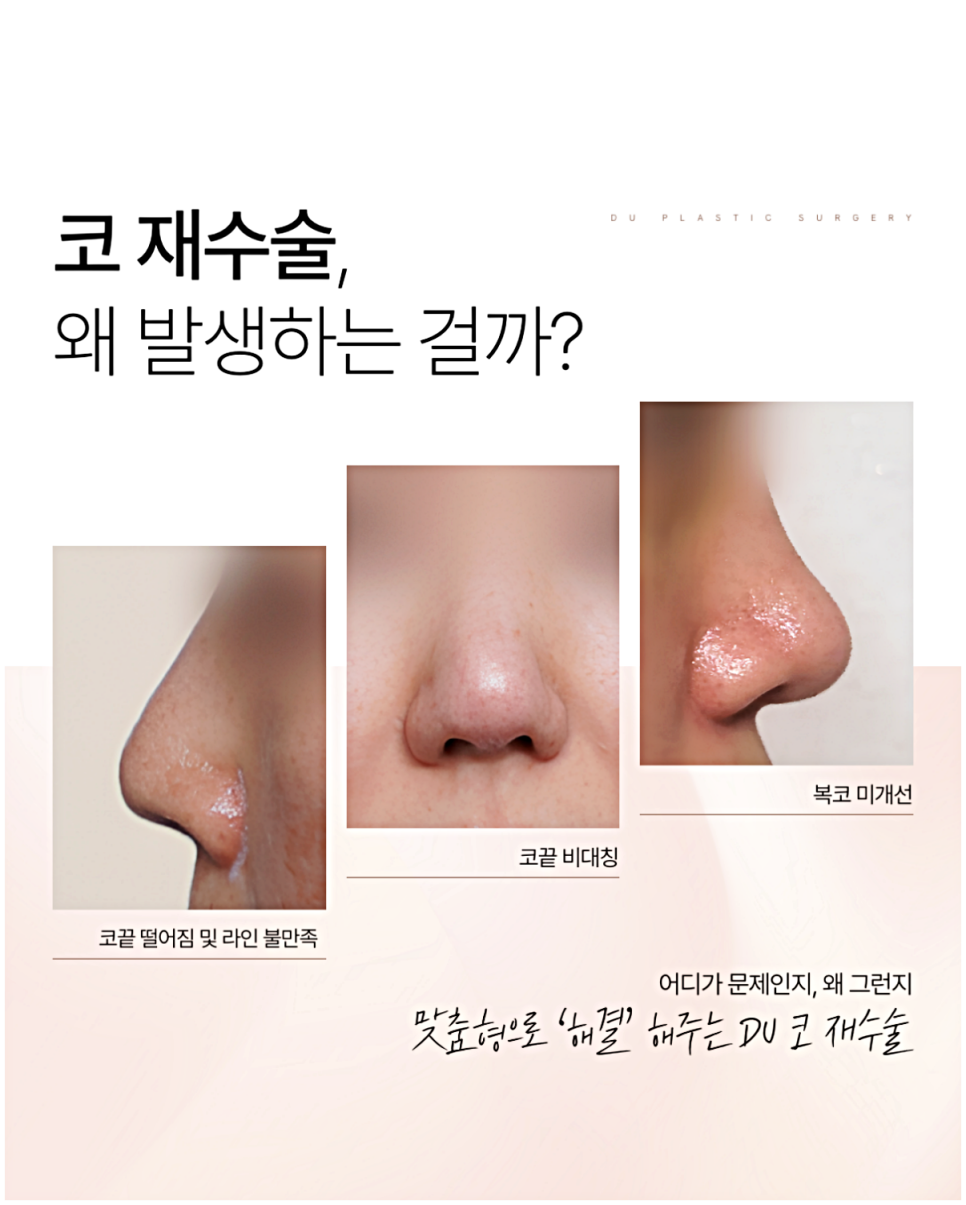
However, the actual result often ends up being an excessively lowered nasal bridge, an unnatural straight line, or a bent axis that was not properly reconstructed.
But the bigger problem is that it does not stop at simple dissatisfaction with the appearance.
A nose that has already undergone surgery often has an internal bone and cartilage structure that has been altered, and the cartilage may have been damaged or adhesions may have formed.
In other words, “revision surgery” must move beyond simple cosmetic surgery and into the area of reconstructive surgery, where a collapsed structure must be restored and function recovered as well.
So where and how should hump nose revision surgery be approached?
In this article, we will explain the key points of complex revision surgery, where simply changing the silicone implant or raising the bridge a little does not solve the problem.
Why hump nose revision surgery is difficult
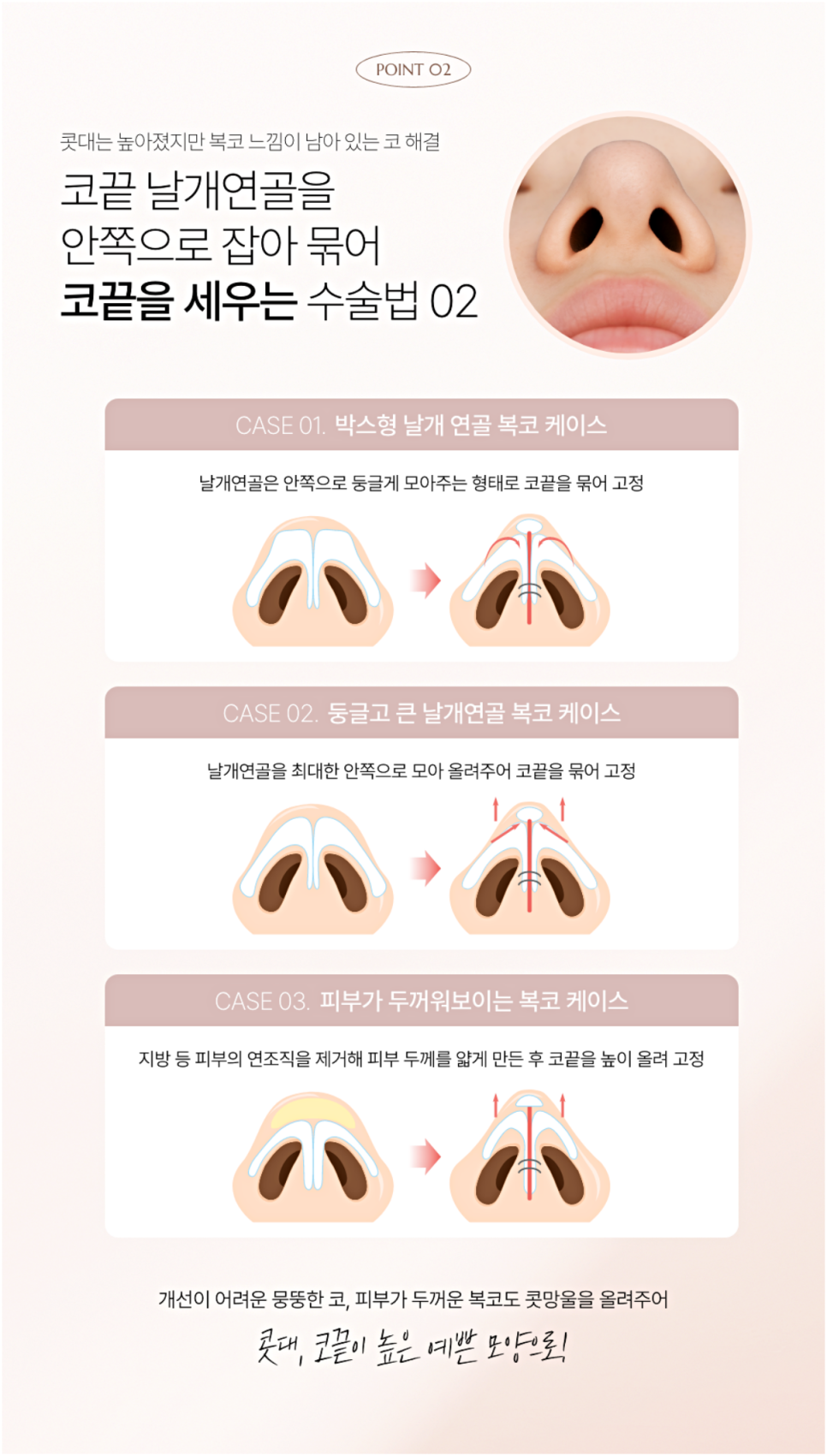
A hump nose has a structure in which the bones and cartilage of the nasal bridge protrude excessively.
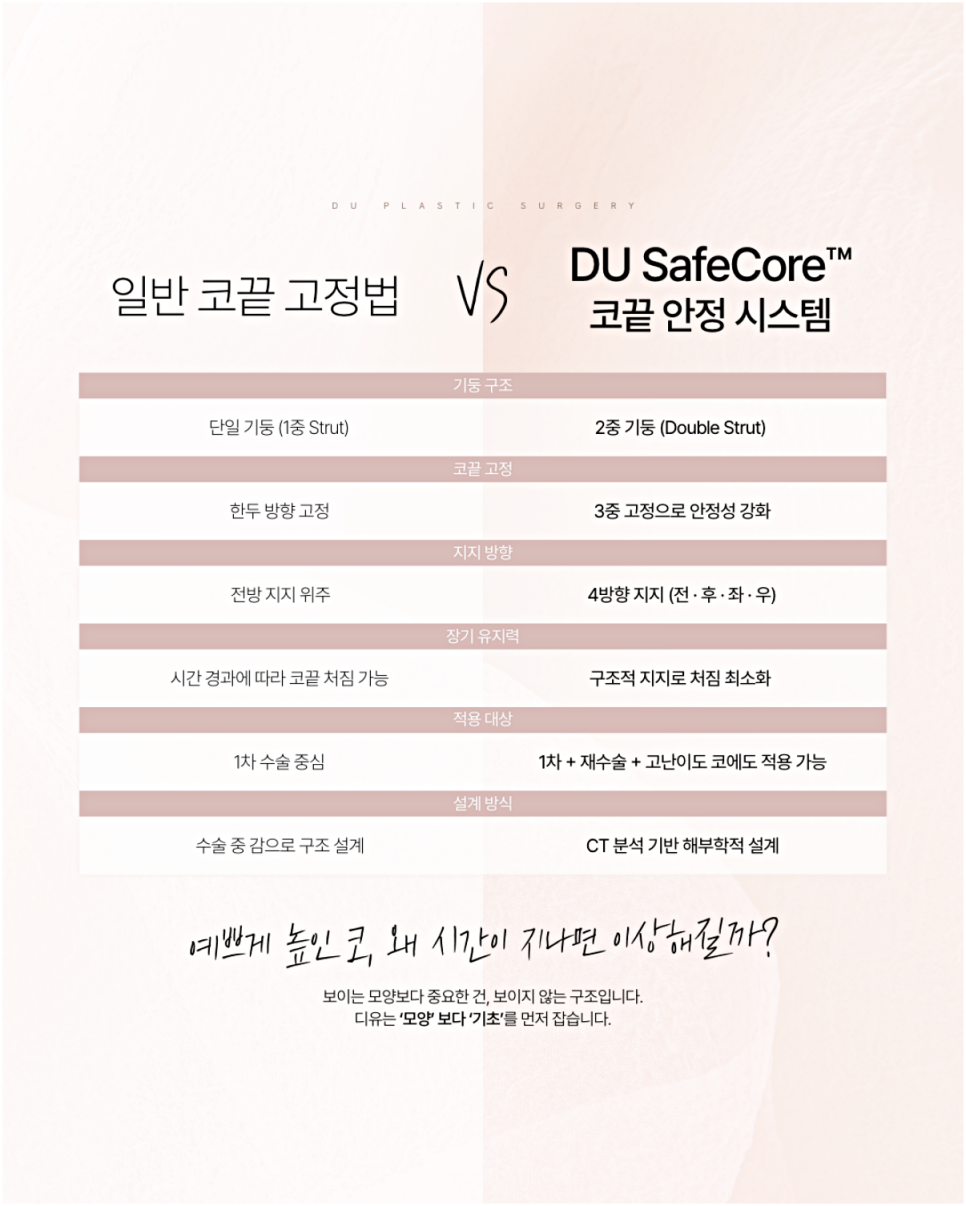
In primary surgery, it is common to shave this down or to refine the line with an implant, but the problem is that this process can weaken the nose’s supporting structure.
In particular, if the septal cartilage is damaged too much, it can later lead to a sunken nasal bridge or a drooping tip.
Also, the skin and soft tissue that have already been dissected during surgery may have formed adhesions and scar tissue, making recovery and prediction of results even more difficult during a second surgery.
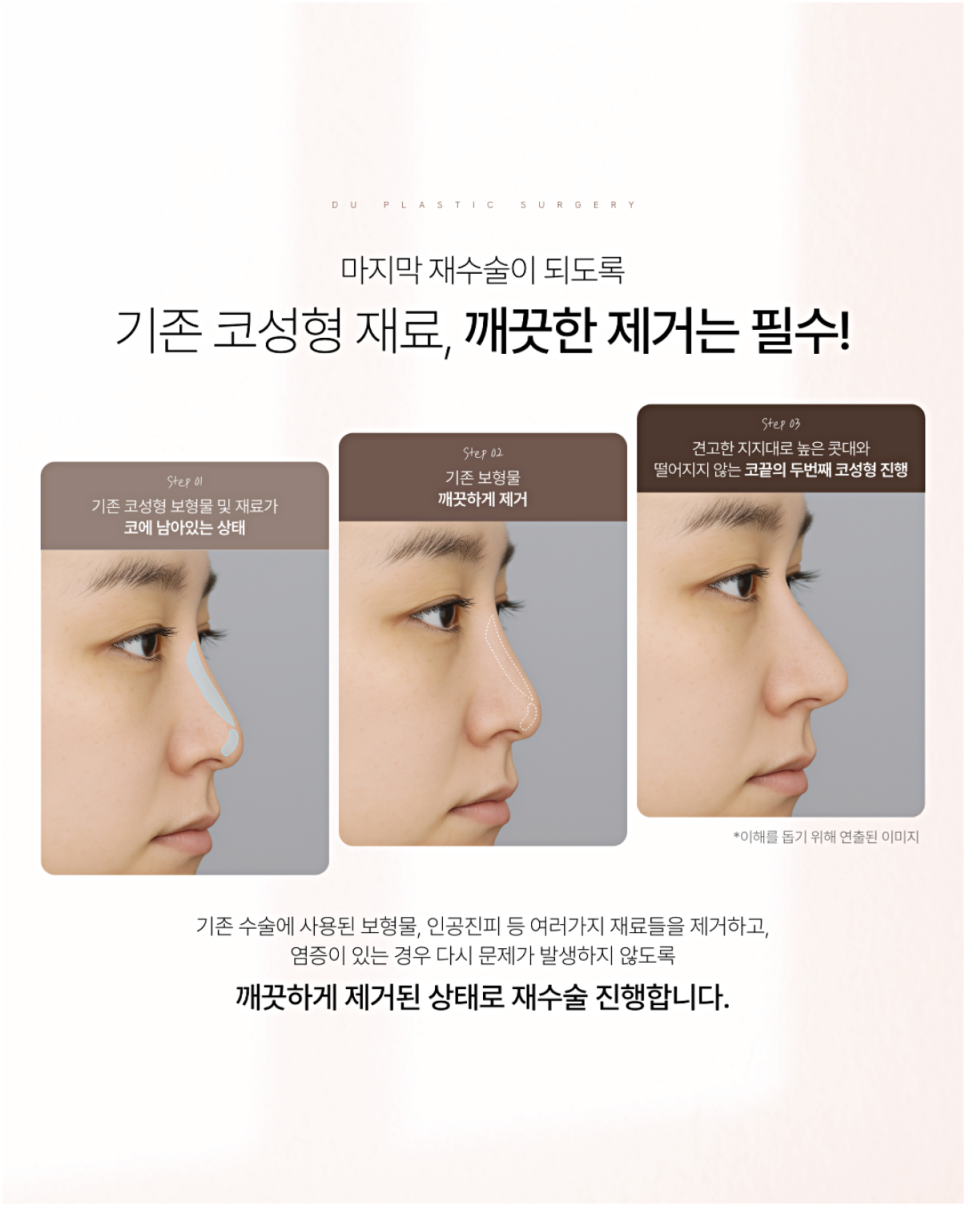
If a silicone implant has thinned the skin or is firmly adhered to the tissue, removal can cause bleeding and damage, which increases the difficulty of the surgery.
Ultimately, hump nose revision surgery is not simply about reshaping the appearance again, but about a complex procedure that considers both function and structure.
For this reason, the medical team’s anatomical knowledge, surgical experience, and ability to use materials precisely become especially important.
The core of hump nose revision surgery is “structural analysis” and “custom reconstruction”

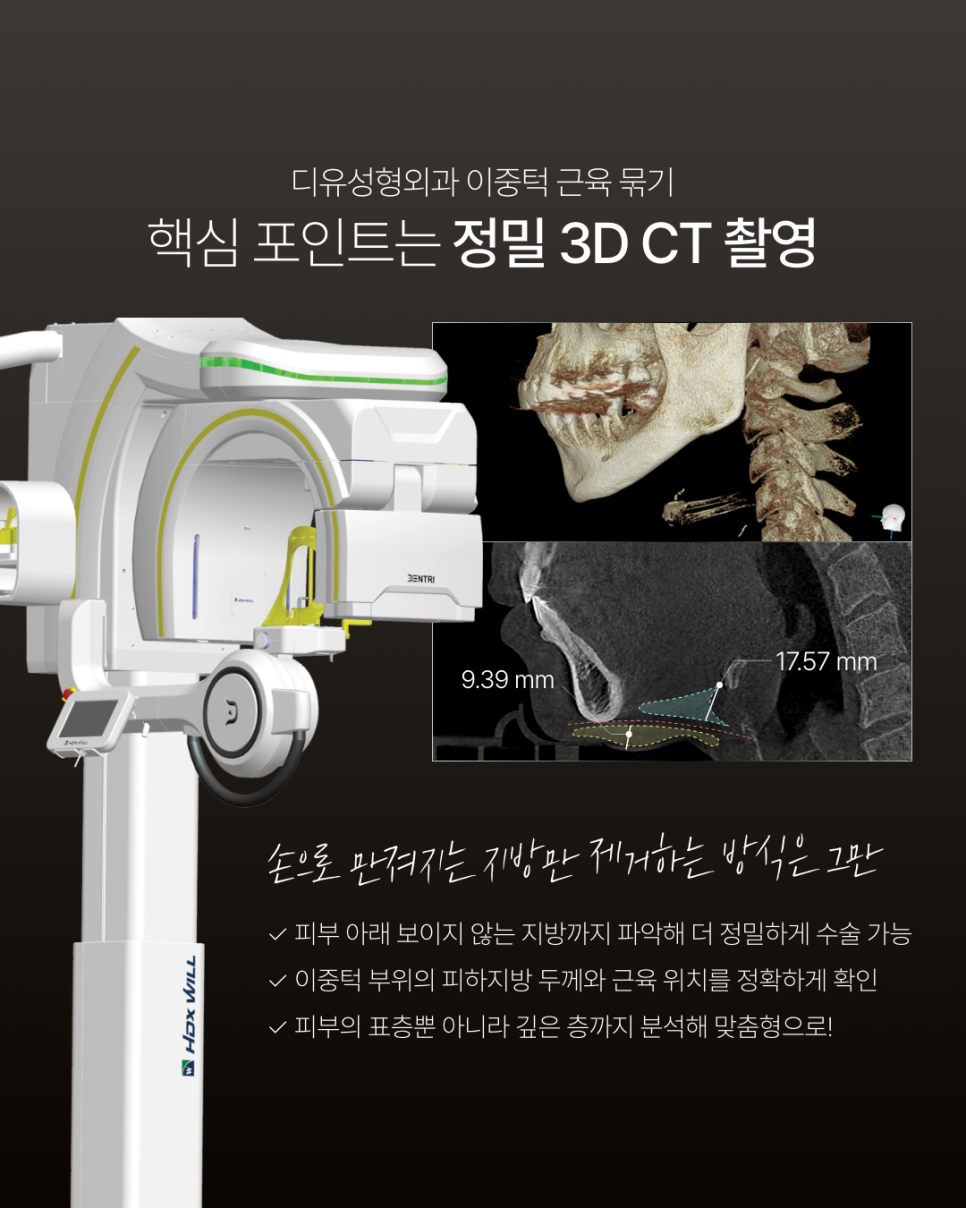
The first thing to do before revision surgery is an accurate analysis of the current condition.
At this stage, 3D CT is a useful tool.
Through it, the preservation status of the septal cartilage, the extent of bone removal, the degree of cartilage adhesion, and skin thickness can all be analyzed in three dimensions, and whether there are any problems with breathing function can also be checked.
In addition, direct palpation and visual examination by the medical team during the consultation are essential for understanding the mobility of the nasal tip, skin elasticity, and the condition of the remaining cartilage.
After that, choosing the right materials for the individual’s condition becomes important.
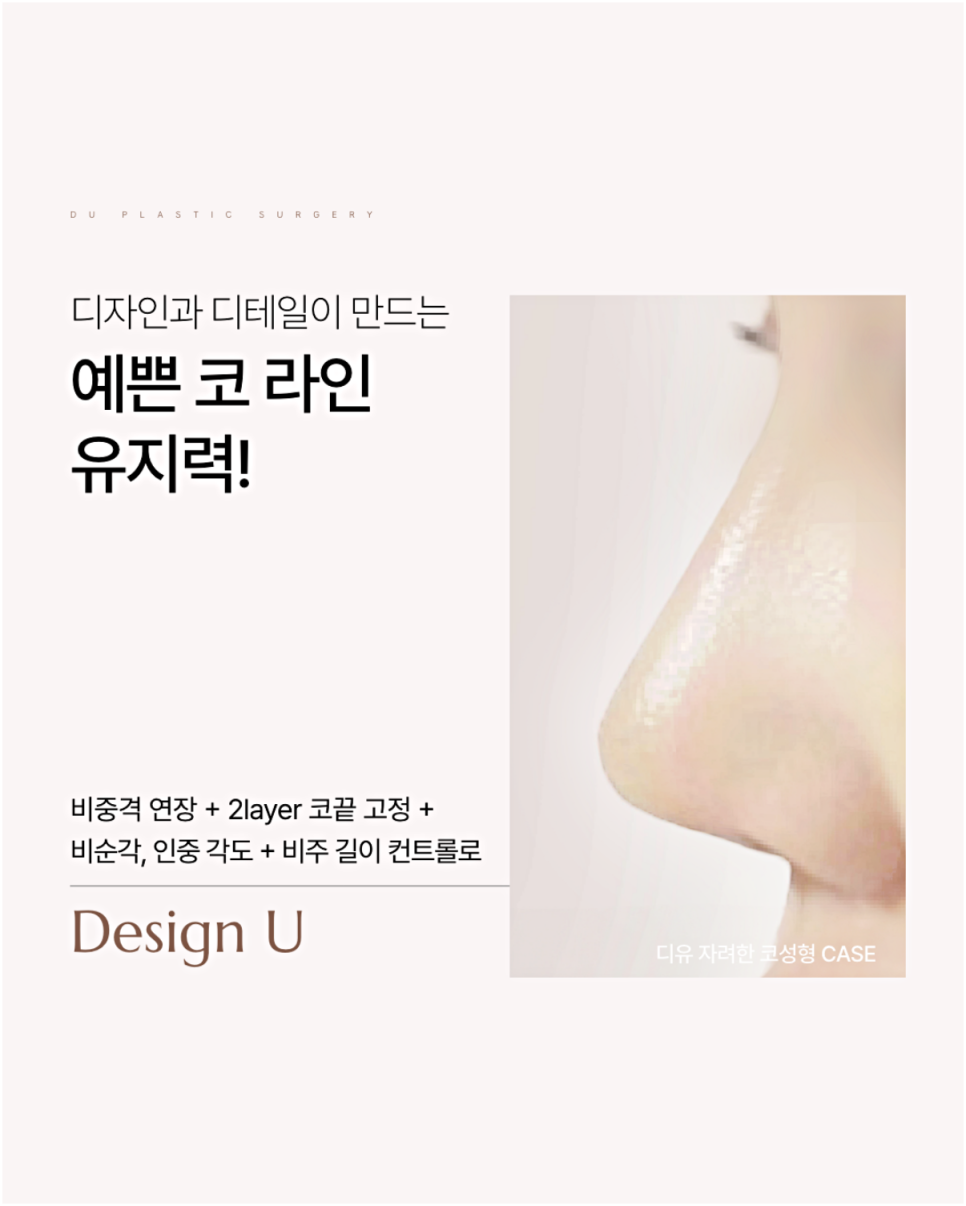
If cartilage is already insufficient or damaged, a customized design that combines various tissues such as autologous costal cartilage, donor costal cartilage, ear cartilage, temporal fascia, and dermis is needed.
In other words, the key to revision surgery is not simply to “raise” the nose again, but to figure out how to restore it stably and recover its function as well.
Hump nose revision surgery must also take function into account.
One thing many patients often overlook is breathing function.
If too much of the septum was removed, or if surgery narrowed the space inside the nose, functional discomfort such as nasal congestion, nasal dryness, or postnasal drip may occur after surgery.
In such cases, simple external correction is not enough to solve the problem, and functional procedures such as septal reconstruction, inferior turbinate surgery, and adhesion release must be performed together.
These complex procedures should be carried out at a hospital equipped with a system that can accurately diagnose and operate on the internal nasal structure using endoscopic equipment in order to improve the safety and satisfaction of revision surgery.
Also, because already-adhered tissue must be cut and manipulated again, managing bleeding, bruising, and swelling can be difficult and recovery time may be longer, making a systematic pre- and postoperative management system important.

Hump nose revision surgery is much more difficult than the first surgery.
This is because a nose that has already undergone one surgery is highly likely to have internal structural damage, and many patients also have psychological 부담 and functional discomfort at the same time.
Especially in cases where the visible appearance of the hump nose caused significant stress, the priority in revision surgery should be stable reconstruction that takes harmony with the face into account, rather than simply trying to make it “prettier.”
If you were disappointed with the first surgery, the second should be approached even more carefully.
The key to a successful revision is not a simple material replacement, but finding a medical team that can accurately diagnose the current condition and propose a precise surgical plan.
Thank you for reading this long post. I hope this article is of some help to those who are considering their options.