Hello, this is Diu Plastic Surgery.
You’ve had surgery twice, so why are you still feeling uncomfortable?
This time, I really want to fix it properly.
If you searched for the keyword “revision rhinoplasty revision surgery” and reached this post,
we cautiously assume that even after going through two nose surgeries already, you may still be dissatisfied with the appearance,
or may be experiencing discomfort while breathing.
At this point, it goes beyond simple cosmetic dissatisfaction, and feelings of urgency and fear start to arise together: “Do I really need to fix this again now?”
What leads to a decision after such concerns is the third surgery, that is, revision rhinoplasty revision surgery.
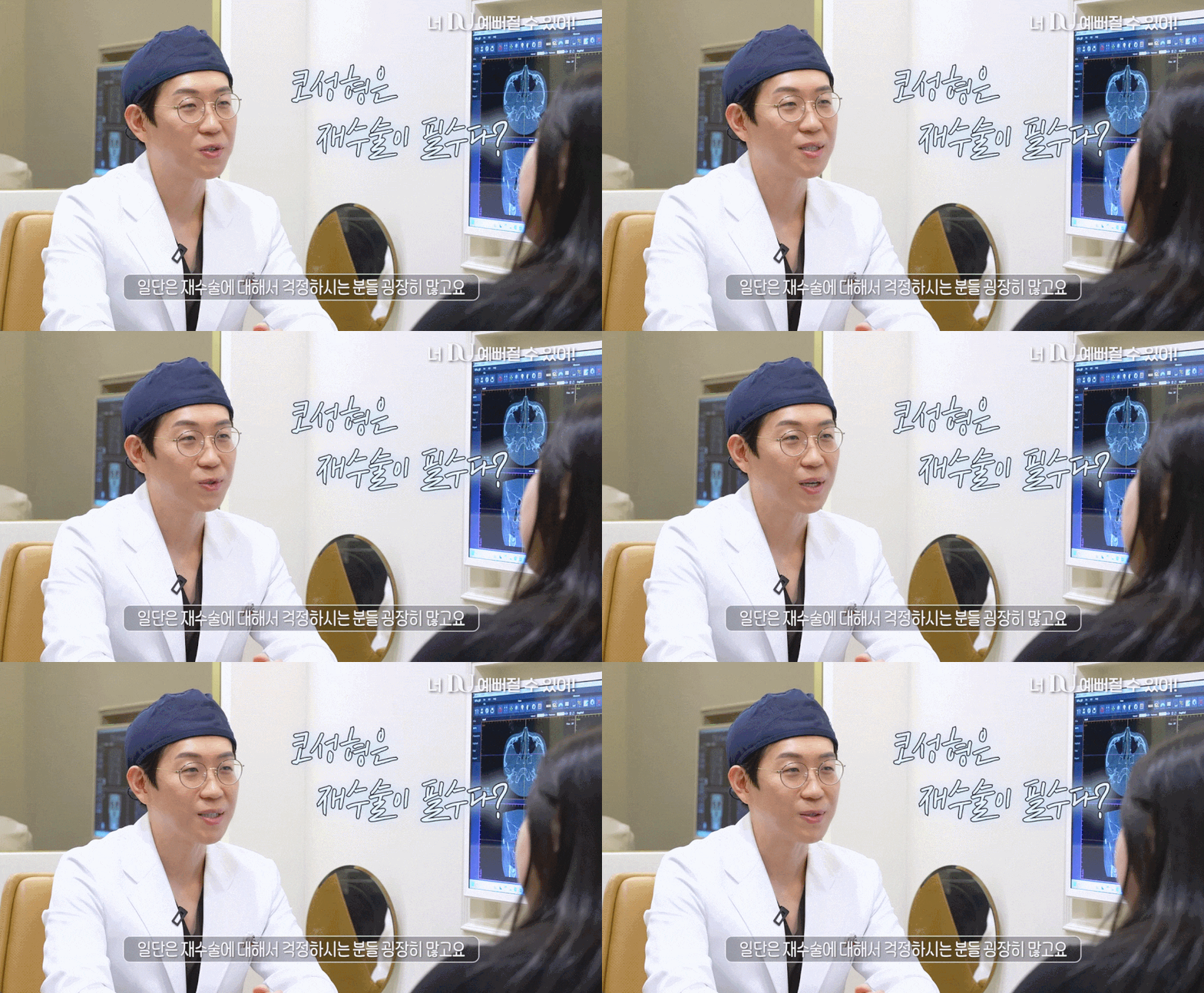
But revision rhinoplasty is not simply a surgery done “one more time.”
Because the cartilage, skin, and internal structures have already sustained cumulative damage through two previous surgeries, this is a process that is far more difficult than before and requires much more precise restoration and reconstruction.
Therefore, revision surgery should be approached not as a simple cosmetic procedure, but as a highly complex reconstructive surgery to restore a collapsed structure.
In this post, we will explain in two key points why revision surgery must be decided more carefully, and by what criteria you should choose a plastic surgery clinic and medical team.
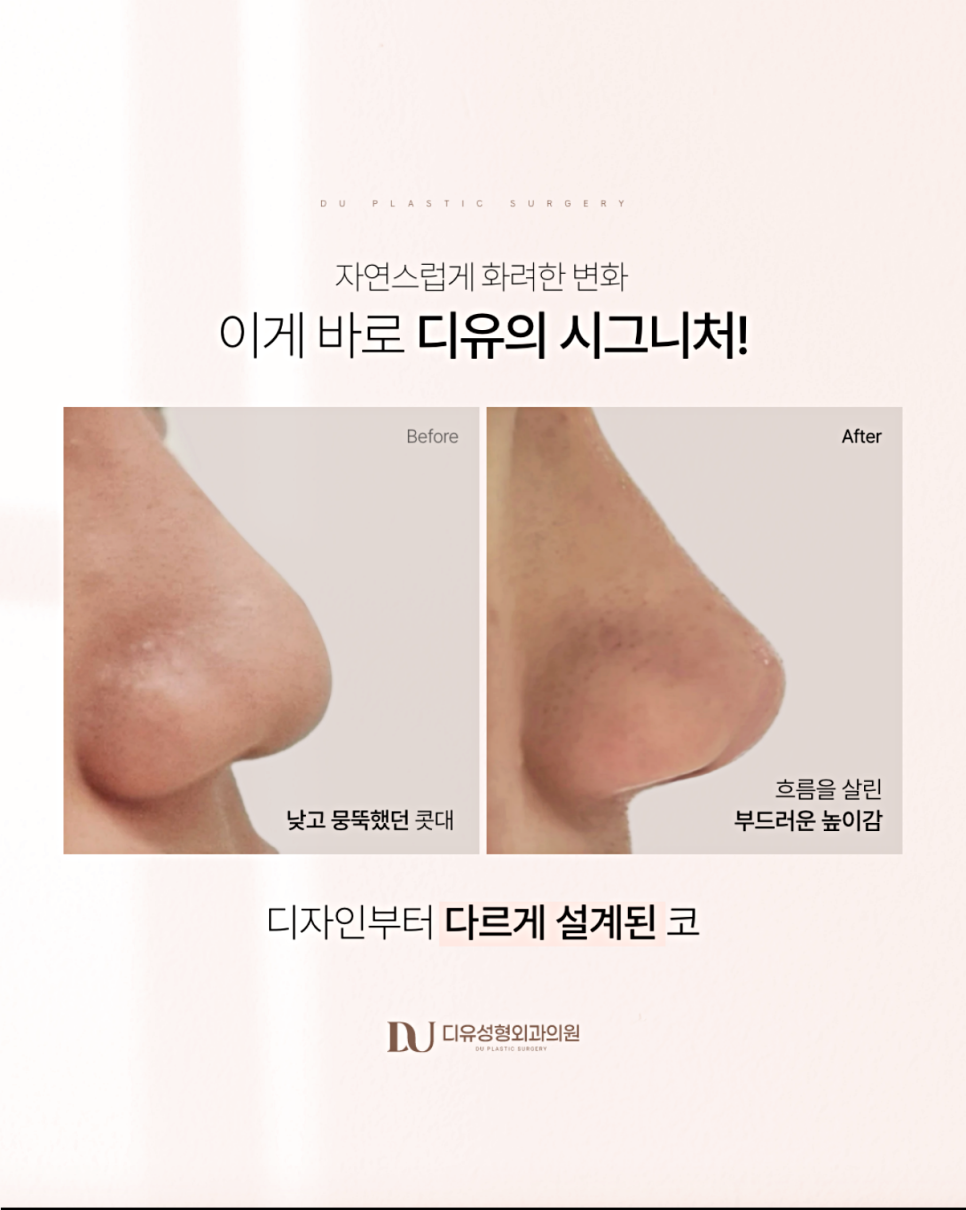
Revision surgery is not a simple change in appearance, but “structural restoration.”
The nose is not just an area where appearance is changed.
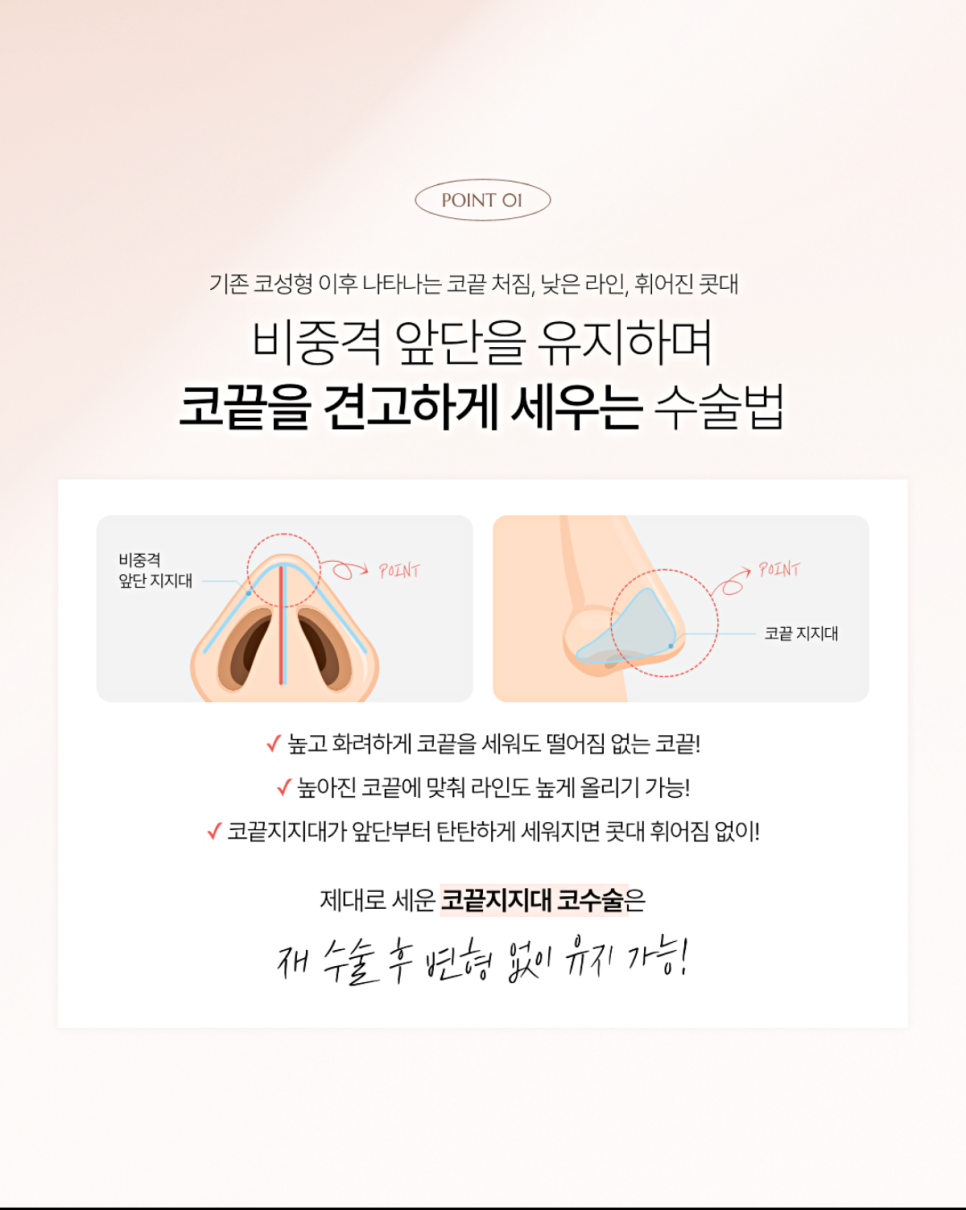
Inside, various structures such as the septal cartilage, lateral cartilage, nasal bone, and soft tissue are closely connected, and each time surgery is performed, these structures can become progressively damaged or adherent.

From the bone shaved during the first surgery, to the cartilage removed, to the implants inserted during the second surgery, and the resulting thinning of the skin and adhesions. With all of these factors accumulated,
the third surgery must prioritize accurately diagnosing and restoring the existing condition.
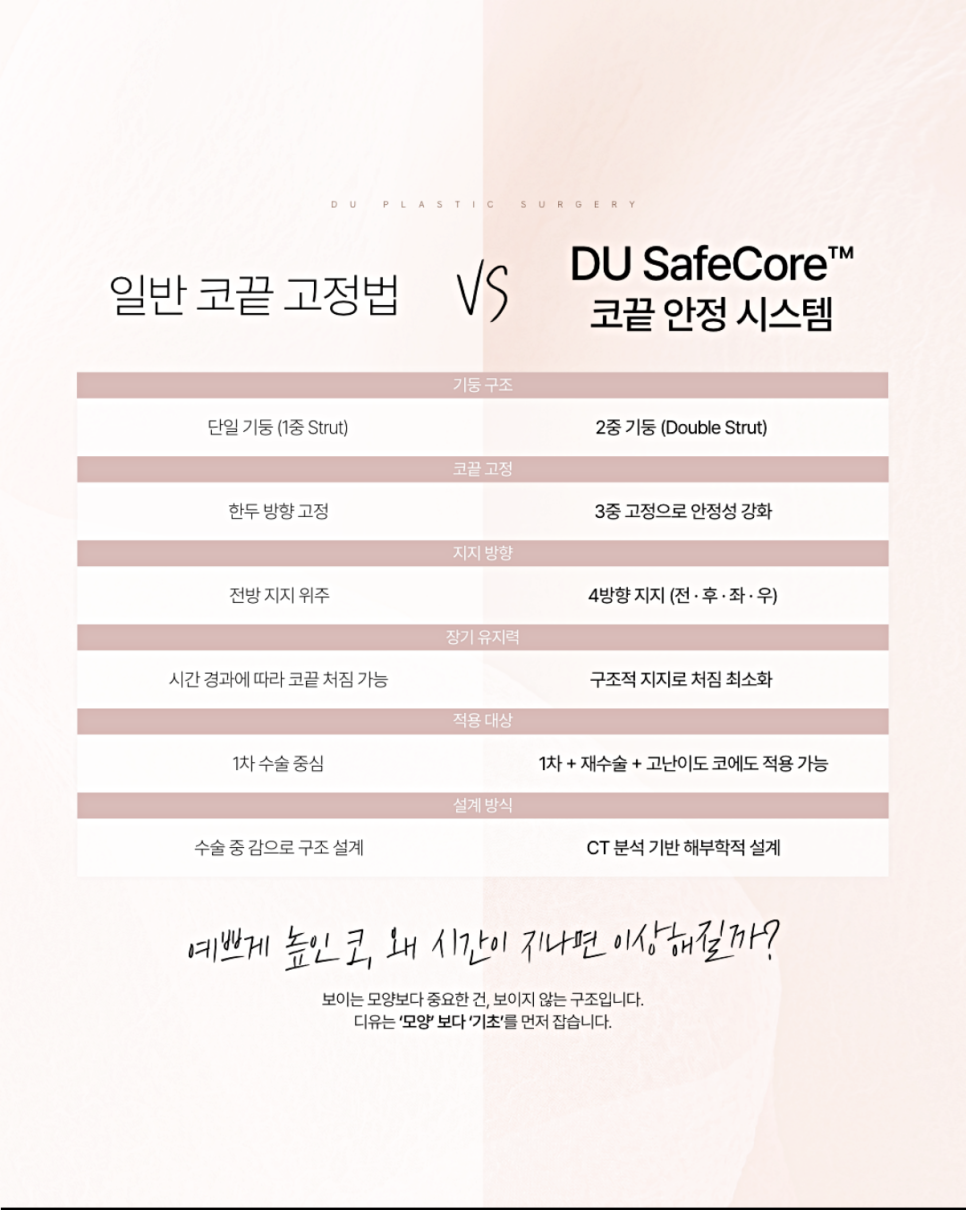
In particular, in revision surgery, simply replacing the silicone will absolutely not solve the problem,
and complex materials such as autologous rib cartilage, donor cartilage, dermis, and temporal fascia may be needed to reinforce already damaged cartilage structures.
Also, if the skin has become thin or adhesions are severe, reinserting an implant may actually cause complications, so careful surgical planning according to tissue condition and anatomical understanding are essential.
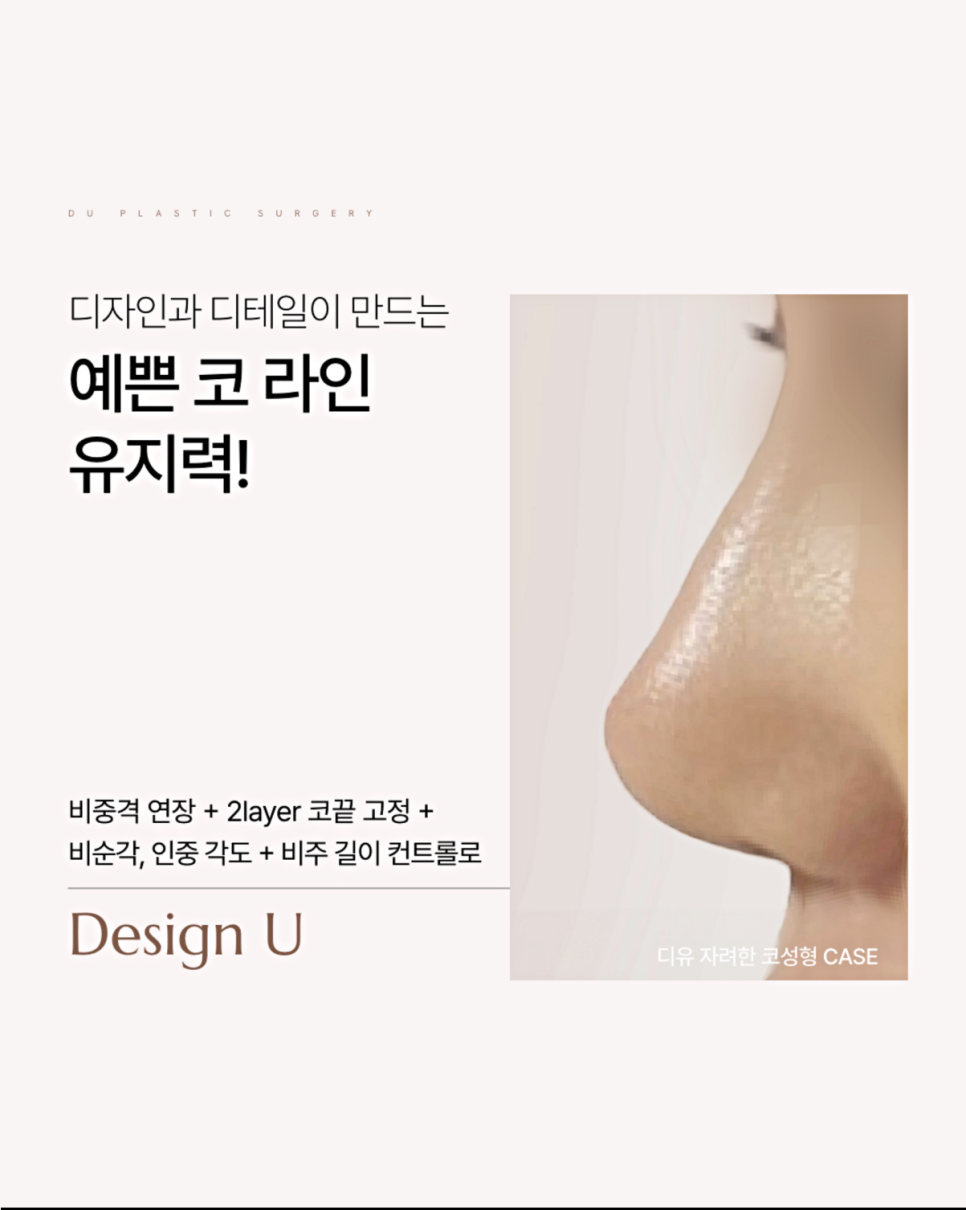
Revision surgery is not within the realm of cosmetic plastic surgery, but within the realm of functional and structural reconstructive surgery. The key is not simply to make a “more beautiful nose,” but to create a “safer nose that will not collapse any further.”
 Functional recovery and a surgical system are just as important as appearance

Many patients decide on revision surgery with the goal of only “becoming prettier,” but in actual revision surgery, what is more important is restoring the nose’s function.
If the septum has been excessively resected or the internal nasal space has become narrow, breathing function is likely to become impaired.
Symptoms that appear after surgery, such as chronic nasal congestion, nasal dryness, and postnasal drip, can significantly reduce quality of life no matter how aesthetically pleasing the result may be.
For this reason, in revision surgery, it is very important to choose a hospital that has a system capable of diagnosing and improving breathing function as well.
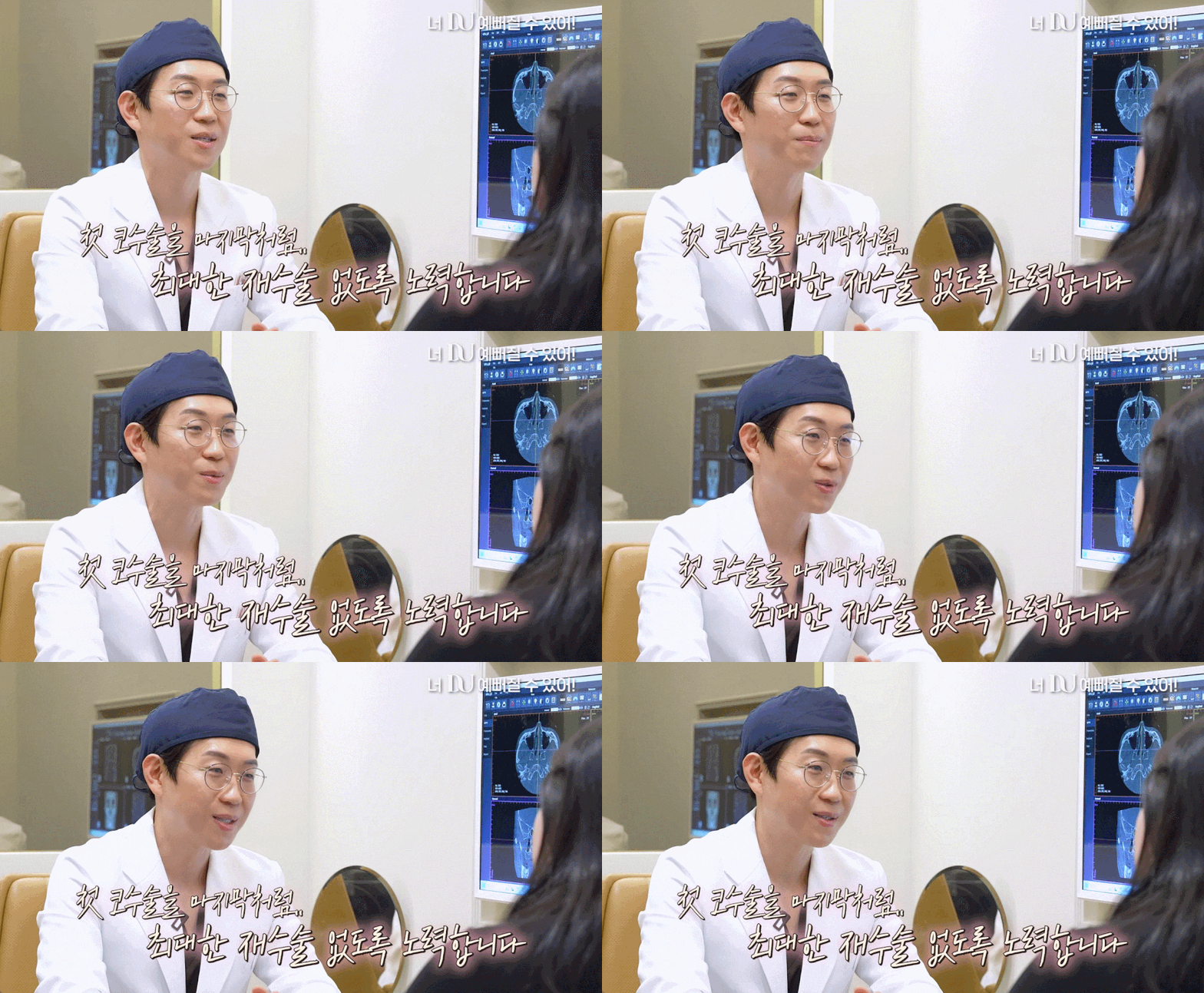
| At Diu Plastic Surgery, 1) 3D CT analysis is used to three-dimensionally assess the internal cartilage structure, bone condition, and the degree of soft tissue adhesions; 2) endoscopic equipment is used to directly check nasal function; and 3) if necessary, functional procedures such as septal reconstruction, inferior turbinate surgery, and adhesion release are performed together. |
Also, because revision surgery may involve slower recovery from bleeding, swelling, and scarring,
a medical team and system that can systematically manage the postoperative recovery process are needed together to increase final satisfaction.
Revision rhinoplasty revision surgery is no longer simply a matter of choice.
It is not a surgery that pursues only a change in appearance, but a matter of medical judgment that must combine accurate diagnosis with highly advanced technique.1
A nose that has already undergone two surgeries often has damage not only to what can be seen on the outside, but also to the internal structures that cannot be seen.
That is why it can no longer be approached lightly with the mindset of “let’s just try again.”
Diu Plastic Surgery sincerely hopes to offer those who come to the clinic with a tired and cautious heart more than anyone else
“a change that lets them breathe again and smile again.”
To that end, we are doing our utmost with each and every choice based not on a simple repeat surgery, but on thorough analysis, precise diagnosis, and above all, a safe surgical system.
Thank you for reading to the end.
We sincerely hope this post has become a small comfort, and a guide for wise decision-making, for someone who is troubled and earnest in front of “yet another surgery.”