
�a0
What makes people hesitate about surgery
isn't it the side effects?
�a0
When planning nose surgery, rib cartilage (costal cartilage) is often mentioned among people who want a “high and natural-looking nose.”
�a0
�a0
If you are uncomfortable with artificial implants such as silicone or Gore-Tex, or if you do not have enough cartilage left in the nose for revision surgery, rib cartilage can be a useful option.
�a0
�a0
At the same time, some people are concerned about side effects.
�a0
�a0
That is also why, when you search for “rib cartilage nose surgery,” stories about side effects seem to appear alongside it.
�a0
�a0
In fact, in the clinic, we often get questions like, “Won't it bend if you use rib cartilage?”, “Doesn't rib cartilage leave a scar?”, and “Isn't it riskier because it's more expensive?”
�a0
�a0
Rib cartilage is certainly a good material, but it is not the answer for everyone, all the time.
�a0
�a0
In particular, if it is used incorrectly, its inherently firm texture can lead to problems such as scarring at the harvest site or stiffness of the columella, so the surgeon's experience and design ability must be taken into account.
�a0
�a0
In this article, I will explain in detail the cases in which rib cartilage nose surgery is needed, what side effects can actually occur, and how they can be prevented or complemented.
�a0
�a0
The purpose of this article is to help you make a careful choice based on more accurate information.
�a0
�a0
 If you're worried about the side effects of rib cartilage nose surgery, read this
�a0
�a0
There are definitely cases where rib cartilage is needed
 If you're worried about the side effects of rib cartilage nose surgery, read this
�a0
�a0
Because rib cartilage is autologous tissue taken from the patient's own body, its infection rate is lower than that of artificial implants, and it is more compatible with the body.
�a0
�a0
It is especially suitable for revision nose surgery, where there is already a lack of cartilage inside the nose, or for patients who previously had inflammation due to a foreign-body reaction.
�a0
�a0
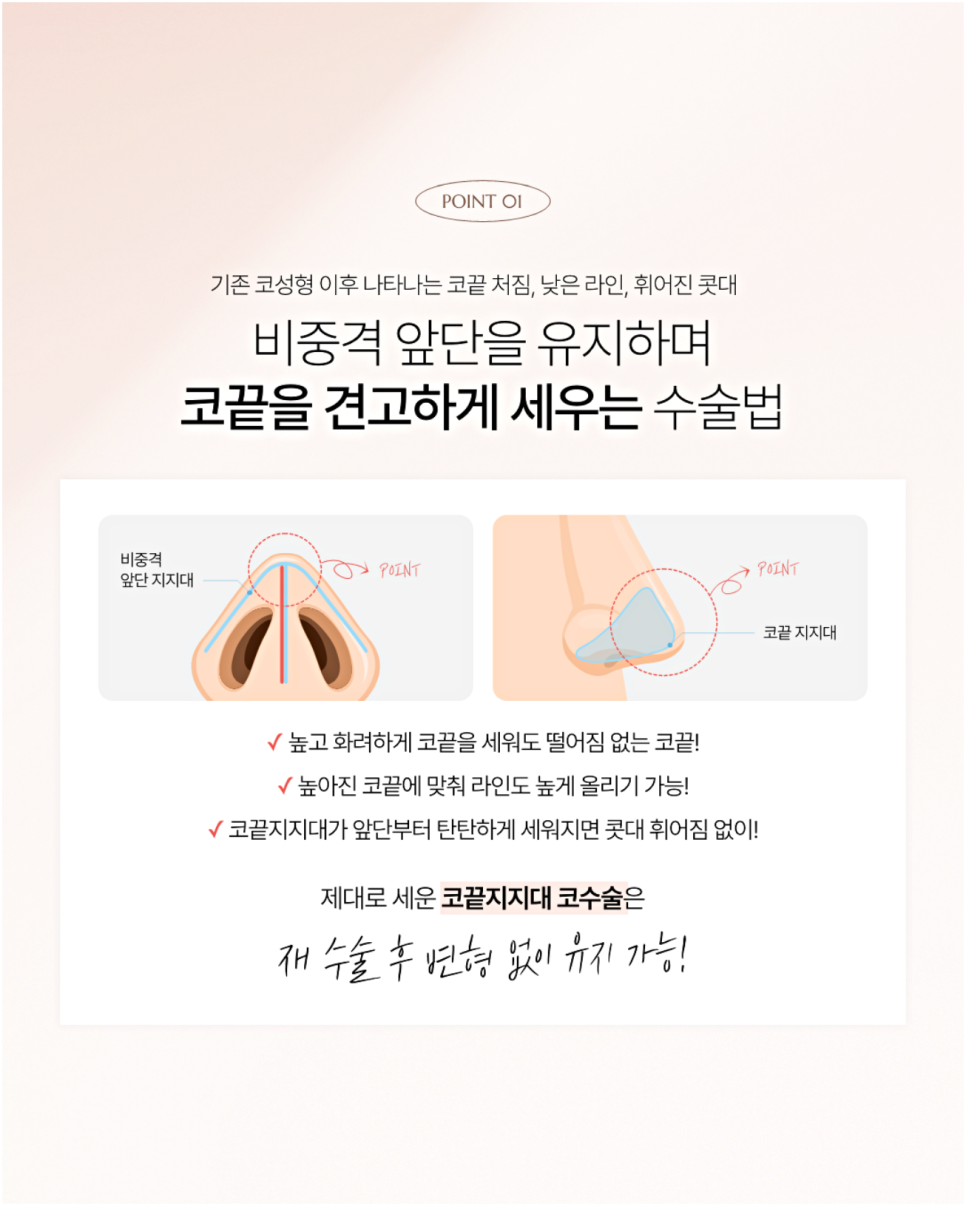
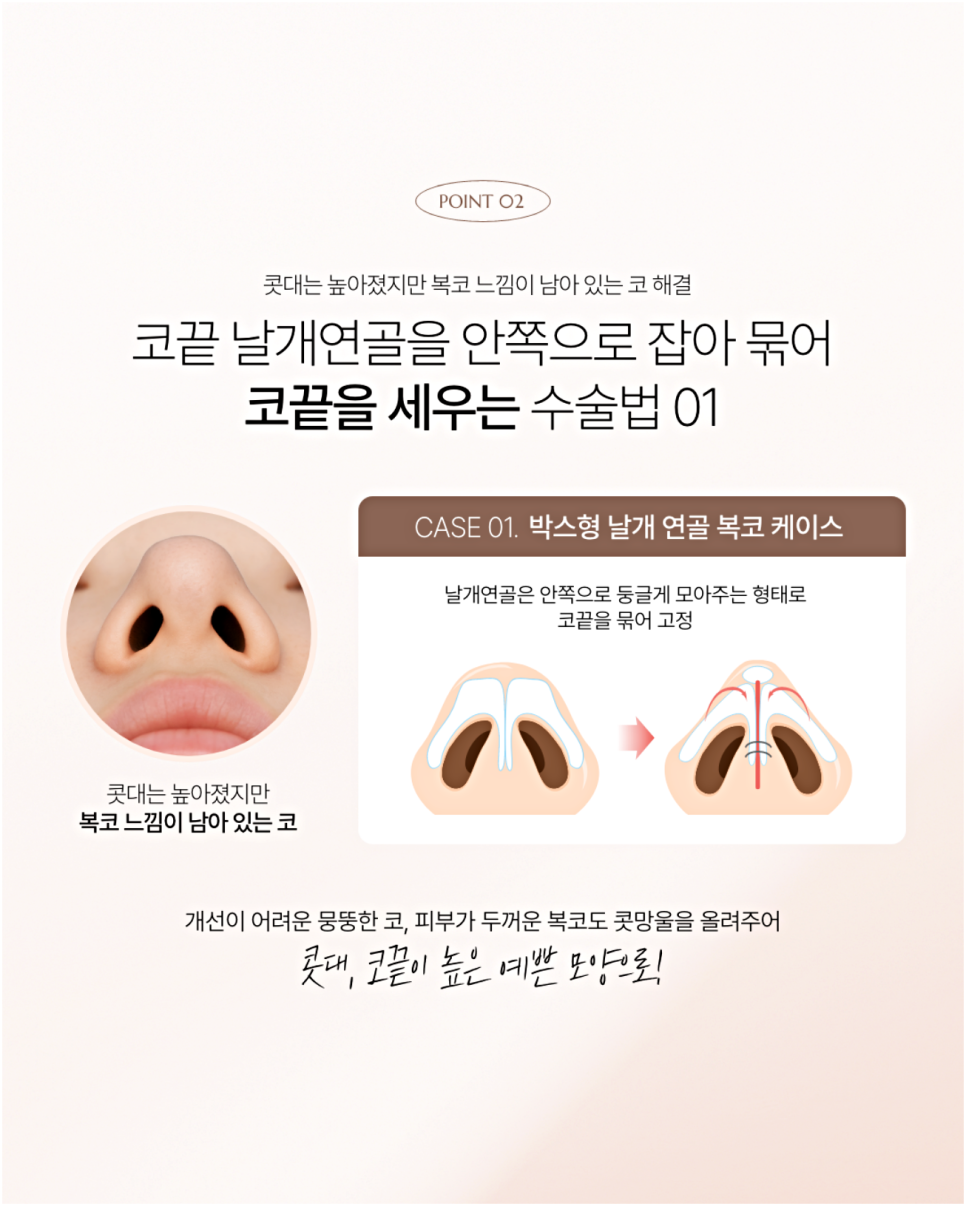
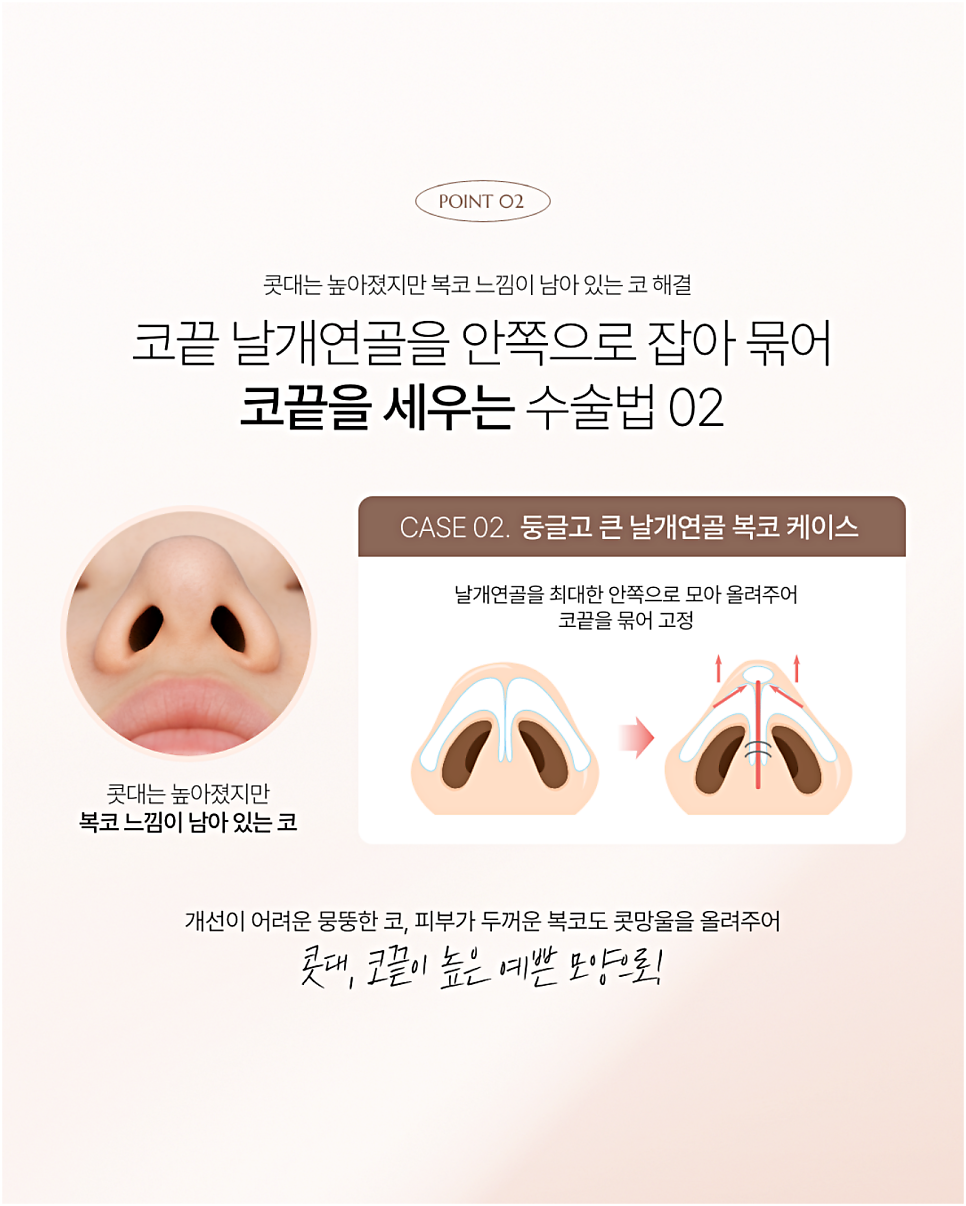
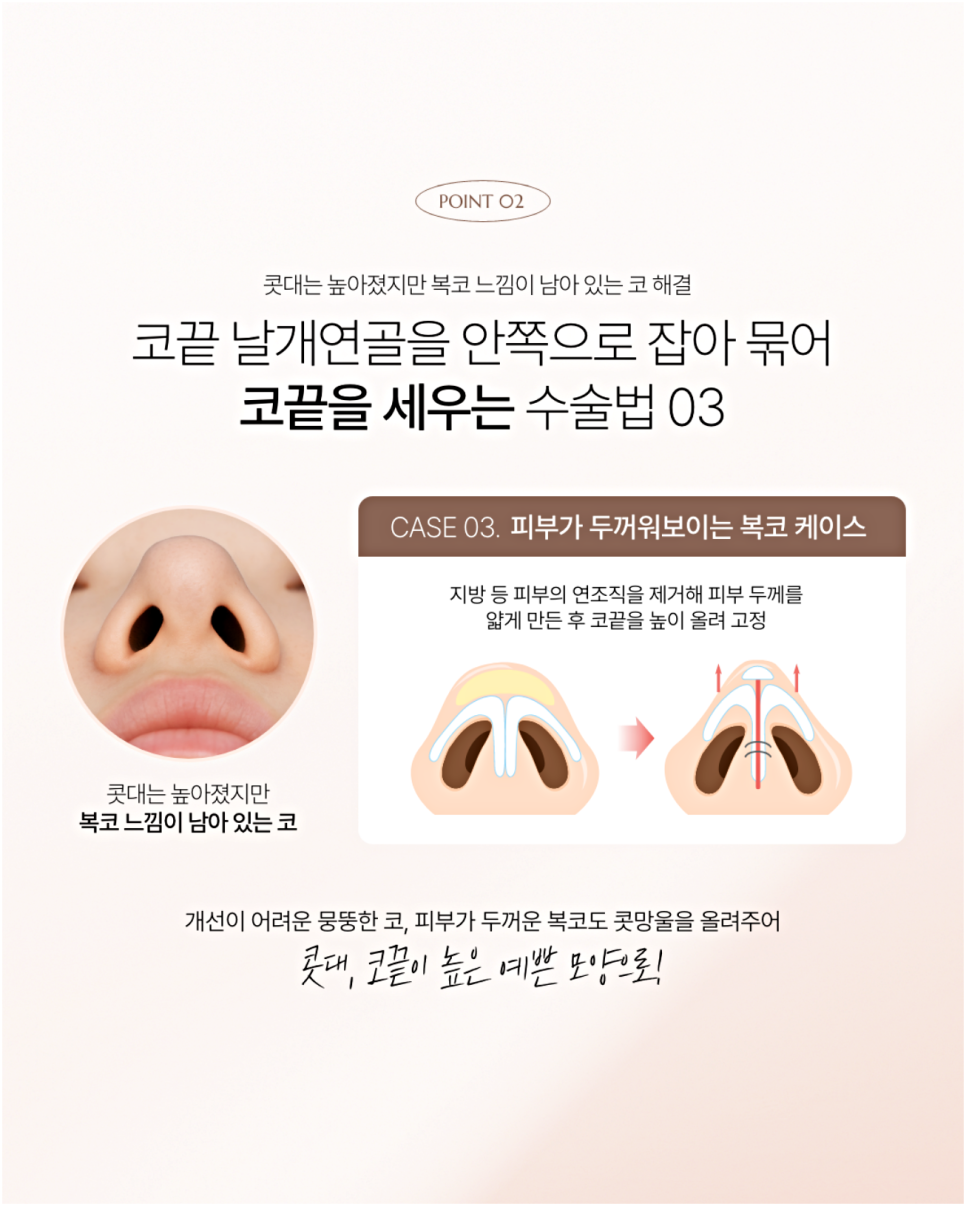
Also, because it is structurally firm and has a consistent thickness, it is useful for rebuilding a collapsed nasal support structure or for reinforcing the columella and tip support rather than the bridge of the nose.
However, these strengths can also become drawbacks.
�a0
�a0
Because rib cartilage is a firm tissue, it can shrink or bend over time after surgery, which can cause the tip of the nose to appear deviated to one side or create problems such as the columella protruding abnormally.
�a0
�a0
In addition, the incision scar on the chest from harvesting the rib cartilage can be a burden for some patients. Depending on skin tone, the scar may remain darker, and healing can also be accompanied by pain.
�a0
�a0
So, do these side effects always happen? Absolutely not.
�a0
�a0
The issue is not rib cartilage itself, but the surgeon's skill and the design.
�a0
�a0
 If you're worried about the side effects of rib cartilage nose surgery, read this
�a0
�a0
The key to reducing side effects lies in the details of the harvest, processing, and design
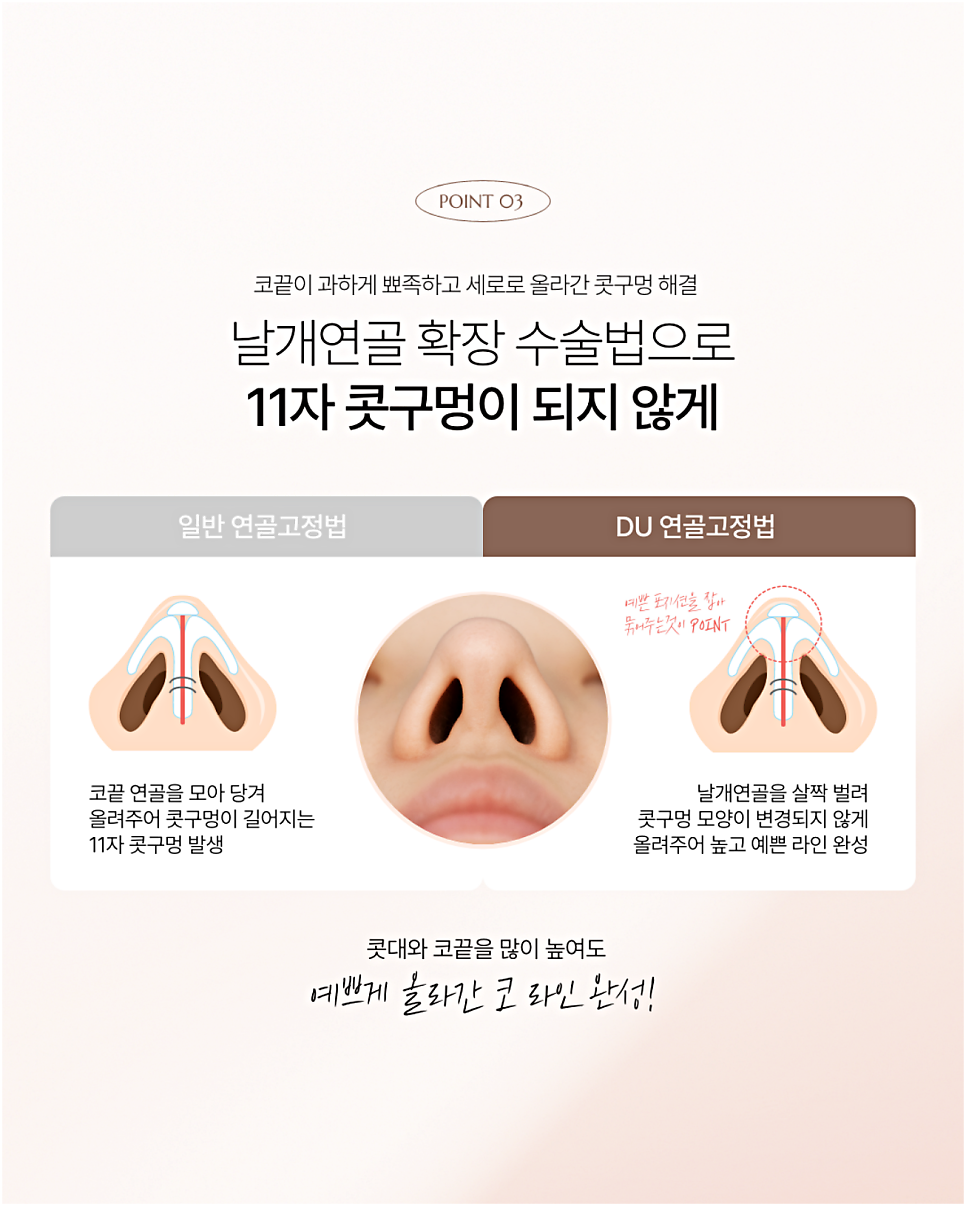 If you're worried about the side effects of rib cartilage nose surgery, read this
�a0
�a0
There are three key factors in reducing the side effects of rib cartilage surgery.
�a0
�a0
- The cartilage harvesting method, 2. Cartilage processing technique, 3. Design tailored to the nose's structure
�a0
�a0
First, regarding the harvesting method, in the past there were many cases of large incisions of 4 to 5 cm or more, but recently the burden of scarring can be reduced through minimal incisions of less than 3 cm and scar-correction design.
�a0
�a0
The processing step is also very important.
�a0
�a0
If rib cartilage is used as is after harvesting, it can bend or become overly distorted, so it is essential to remove the fibrous tissue inside the cartilage and process it symmetrically while considering the direction in which it tends to bend.
�a0
�a0
For this, meticulous trimming at a microscope-level of precision and careful adjustments while checking the shape of the nose throughout the surgery are necessary.
�a0
�a0
And the last, most important factor is the ability to design the overall nasal structure.
�a0
�a0
The result changes completely depending on where the rib cartilage is placed, how much is used, and in what direction, so rather than simply “using a lot,” the surgery should focus on a design that harmonizes with the face.
�a0
�a0
In addition, to prevent columellar stiffness or bending, side effects can be sufficiently reduced through techniques such as tension control when suturing cartilage to cartilage, or using a thin protective layer inside the columella.
�a0
�a0
In other words, it is not “using rib cartilage” that is risky; it is how the rib cartilage is designed and handled that determines whether side effects occur.
�a0
�a0
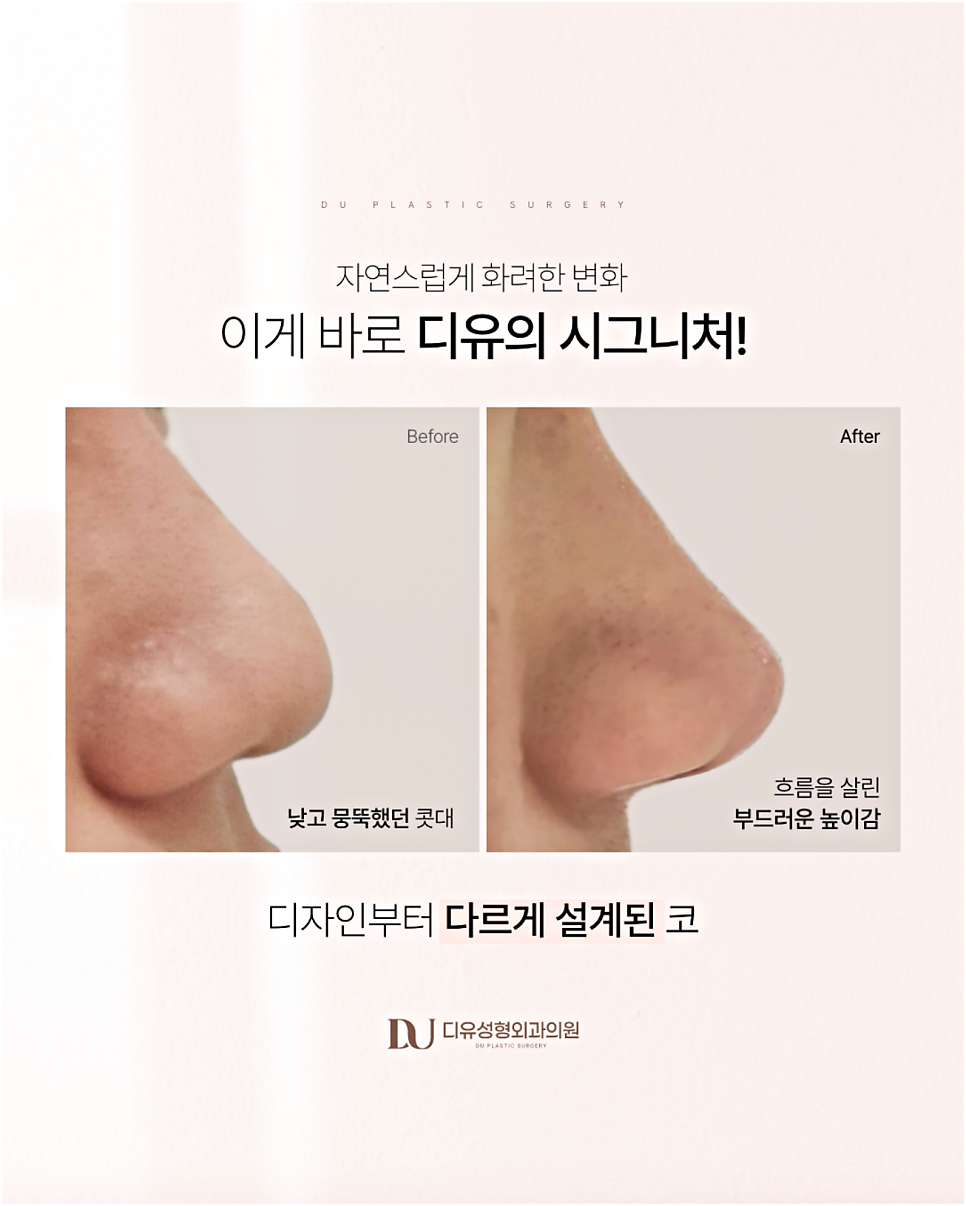 If you're worried about the side effects of rib cartilage nose surgery, read this
�a0
�a0
 If you're worried about the side effects of rib cartilage nose surgery, read this
�a0
�a0
All surgeries carry risks, but those risks can be reduced.
�a0
�a0
Plastic surgery, especially nose surgery, is not simply about making the nose higher or the shape prettier.
�a0
�a0
Only when functional support structure, overall facial balance, and long-term stability are all considered can it truly be called a “successful surgery.”
�a0
�a0
Rib cartilage is a very useful and safe material when handled well.
�a0
�a0
That is why, rather than feeling vague anxiety because of the keyword “side effects,” it is more important to know which medical team is performing the surgery and how they are doing it.
�a0
�a0
I hope that by reading this article, you can gain a clear understanding of rib cartilage and make your own judgment about whether the surgery is truly necessary for you and which method is appropriate.
�a0
�a0
What matters in surgery is the end, not the beginning.
�a0
�a0
To make that ending satisfying, the first step is to have the right information before you start.
�a0
�a0
If you are worrying about rib cartilage surgery, I hope you will not do it alone, but instead discuss it thoroughly with a medical professional. Thank you.
�a0
�a0
�a0
�a0
�a0
�a0
�a0