Short nose revision surgery
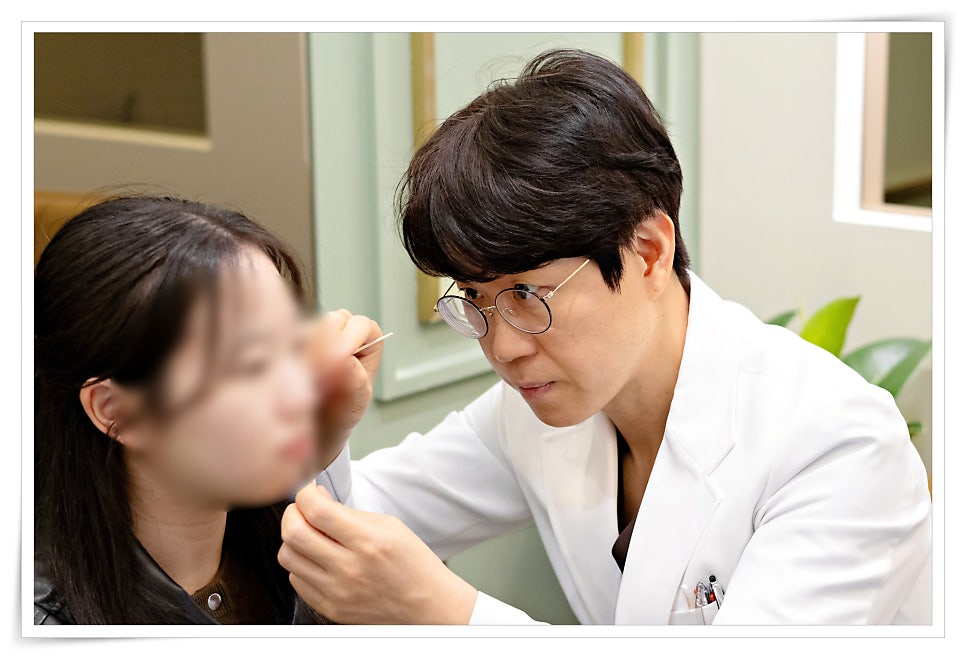
Hello, I’m Director Oh Sewon, the head surgeon at Diu Plastic Surgery.
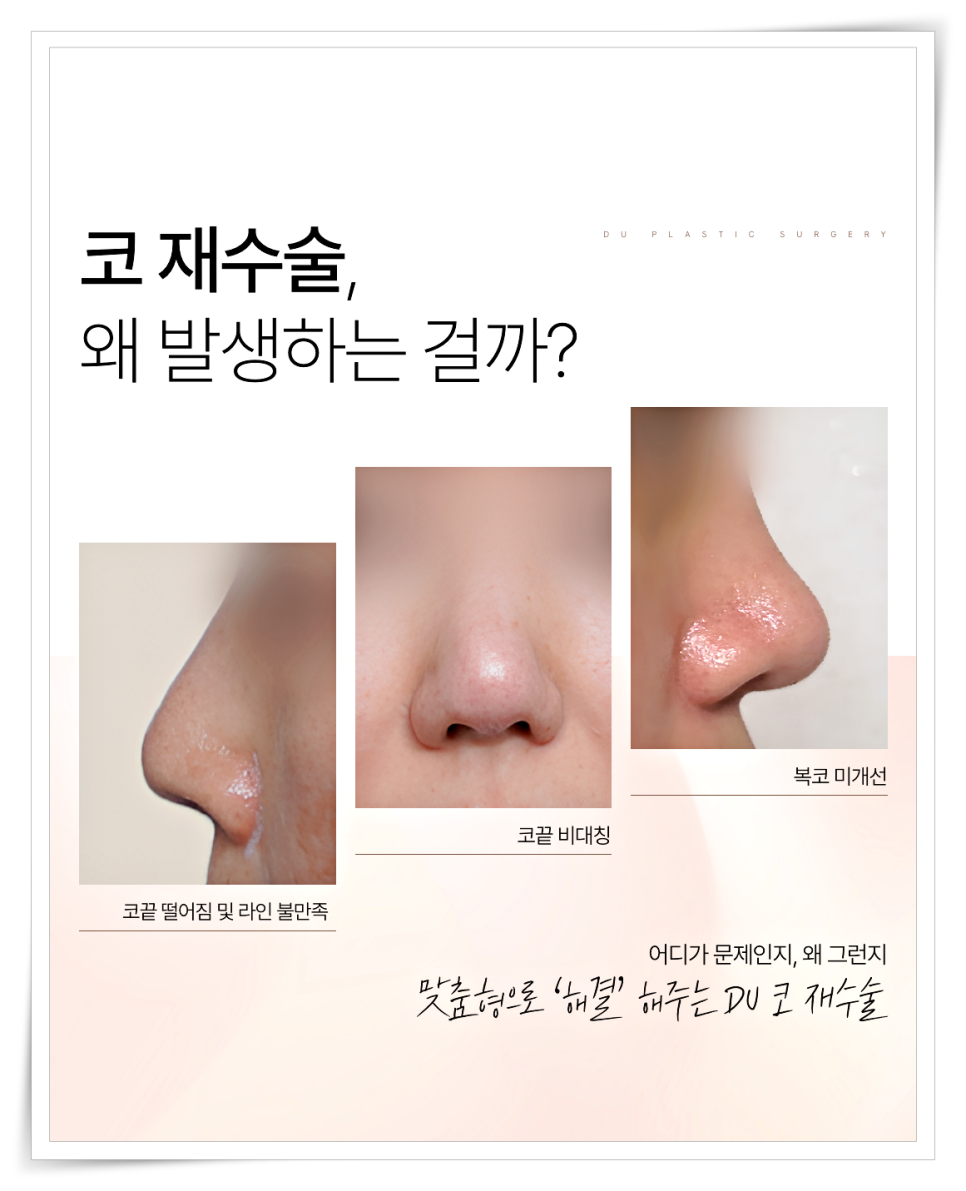
There are several types of side effects that can occur after nose surgery.
Representative examples include contracture, where the nose becomes rigid and its shape collapses; tissue necrosis caused by blood flow problems; and the short nose symptom, in which the tip of the nose lifts higher over time.
Among these, most people worried about a short nose have undergone surgery more than once.
In simple terms, even if there is no major discomfort at first, over time you may notice the tip of the nose gradually rising.
In many cases, the nostrils become excessively visible when smiling, or the expression looks awkward.
Short nose revision surgery
In fact, when people visit for a short nose, they often do not just say, “My nose looks short,” but also mention functional discomfort such as, “My nose tip lifts when I smile,” or “It seems to be rising more and more compared to before.”
These changes are not only an aesthetic issue.
An unnatural expression and awkwardness when speaking can also affect daily life.
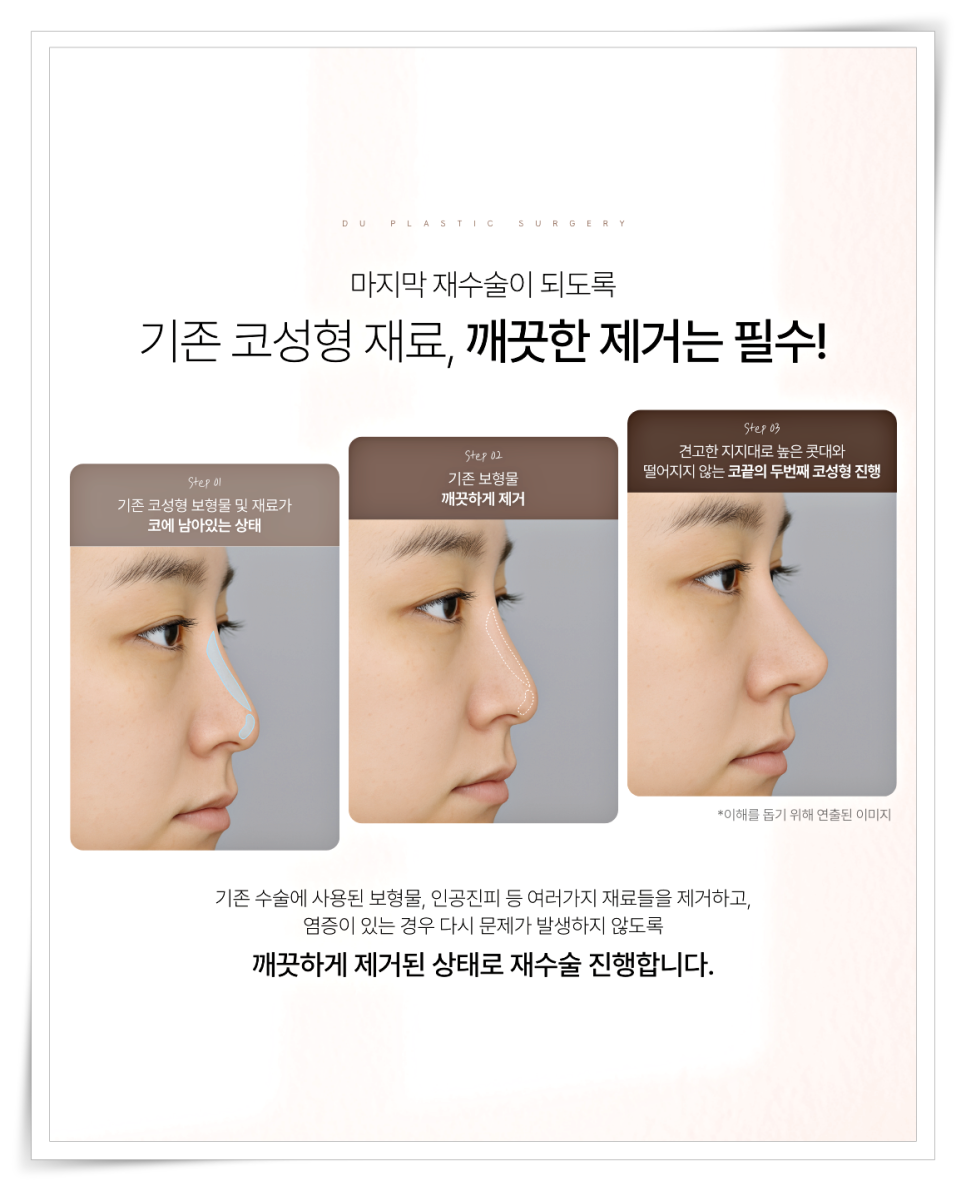
In particular, if you have already had surgery more than once, the internal cartilage is often damaged or the skin is firmly adhered.
In such cases, simply changing the implant is not enough to solve the problem.
On the contrary, there is also a possibility that the nose tip may lift even more or that contracture may recur.
So, how should short nose revision surgery be approached?
Today, I would like to talk about the core design of “short nose revision surgery” — not a procedure that simply makes the nose look longer, but one that restores the collapsed structure and recovers natural movement even when smiling.
Why a Simple Implant Replacement Does Not Solve the Problem
Previous image
Next image
Many people considering short nose revision surgery initially think, “Wouldn’t it be enough to switch to another implant and make it longer?”
But if the nose length could be solved simply with an implant, the problem of becoming short would not have occurred in the first place.
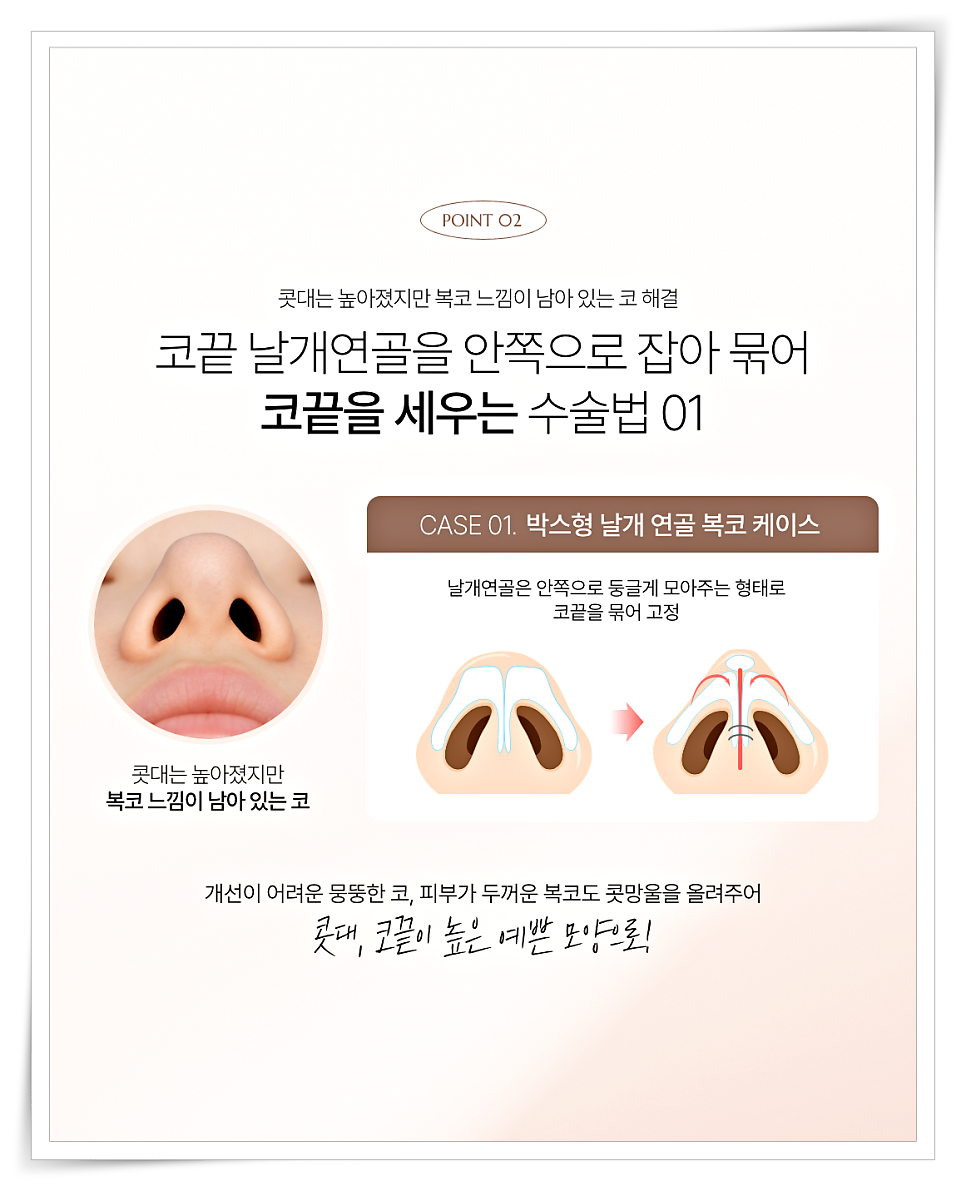
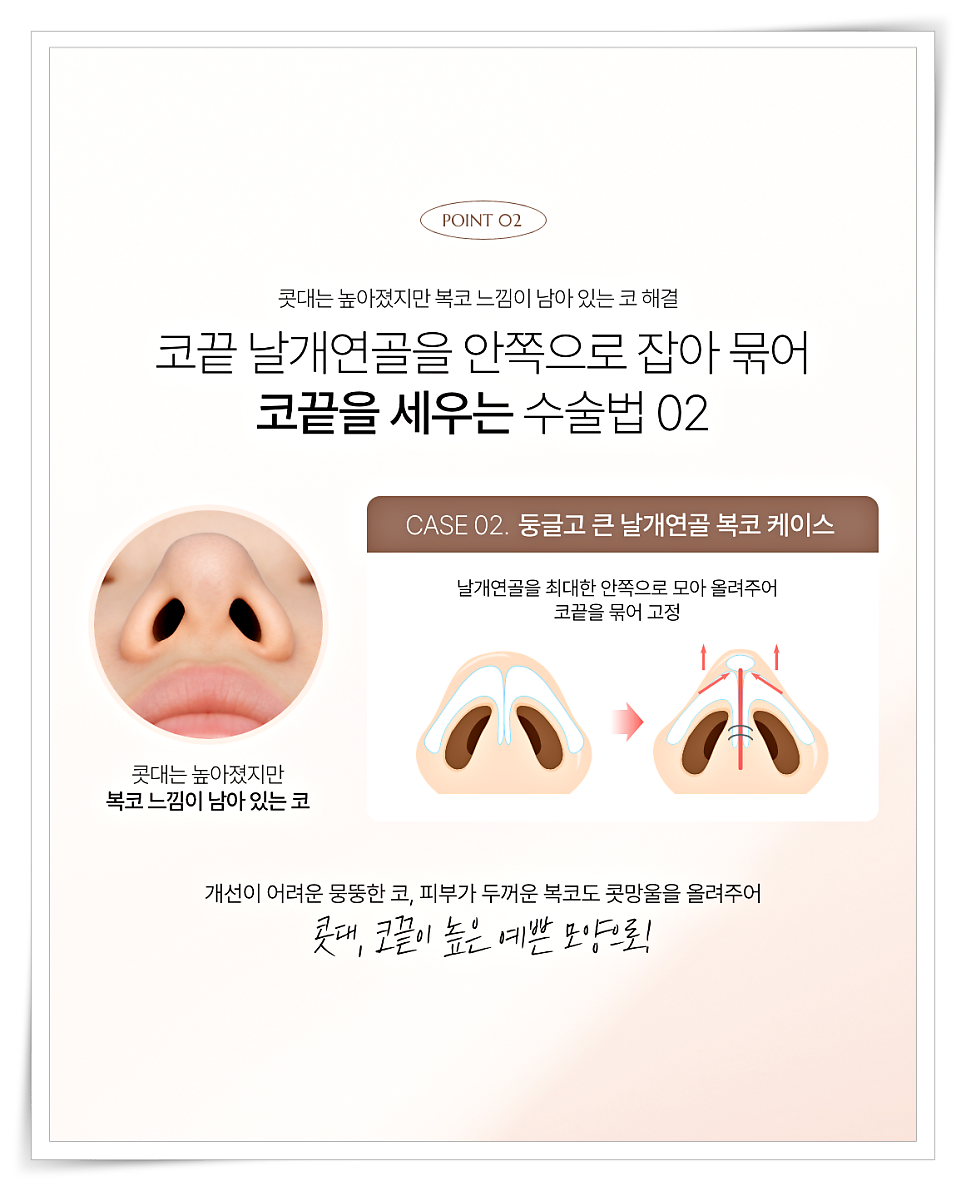
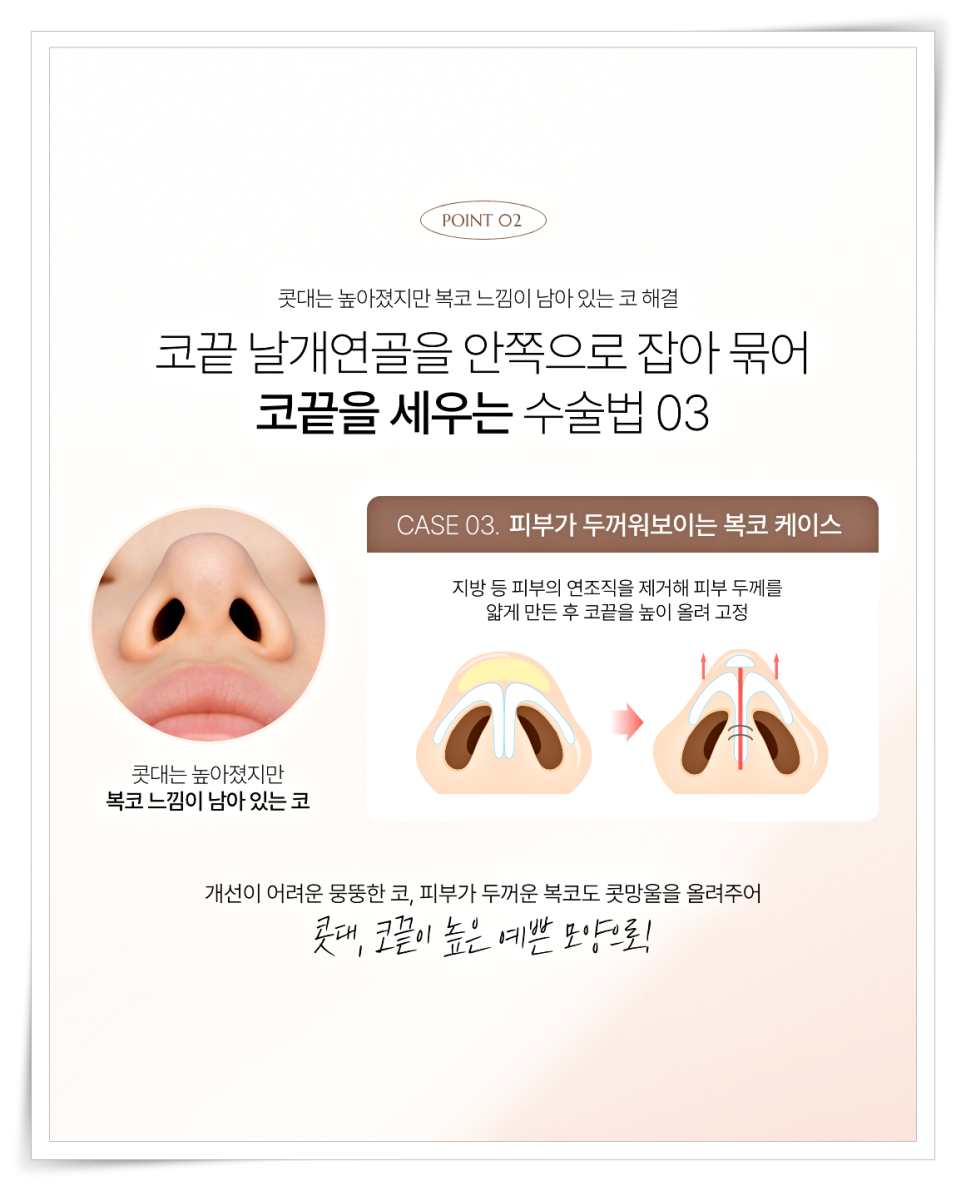
A short nose is not merely a matter of visible length; in most cases, it is a condition in which the internal support structure has collapsed and, over time, the shape gradually changes as if curling upward.
In particular, if cartilage was excessively removed in a previous surgery, or if the nose tip was forced too high, causing the skin to be pulled and the internal tissue to adhere, simply replacing the implant may instead trigger nose tip contracture or re-adhesion.
In addition, while the nose may look longer immediately after surgery, as time passes the skin may pull back again and the nose may lift once more.
For these reasons, short nose revision surgery is a high-difficulty procedure that must be approached not as a simple implant replacement, but with a focus on fundamental structural restoration.
Revision Surgery Centered on Restoring the Support Structure
Previous image
Next image
Short nose revision surgery
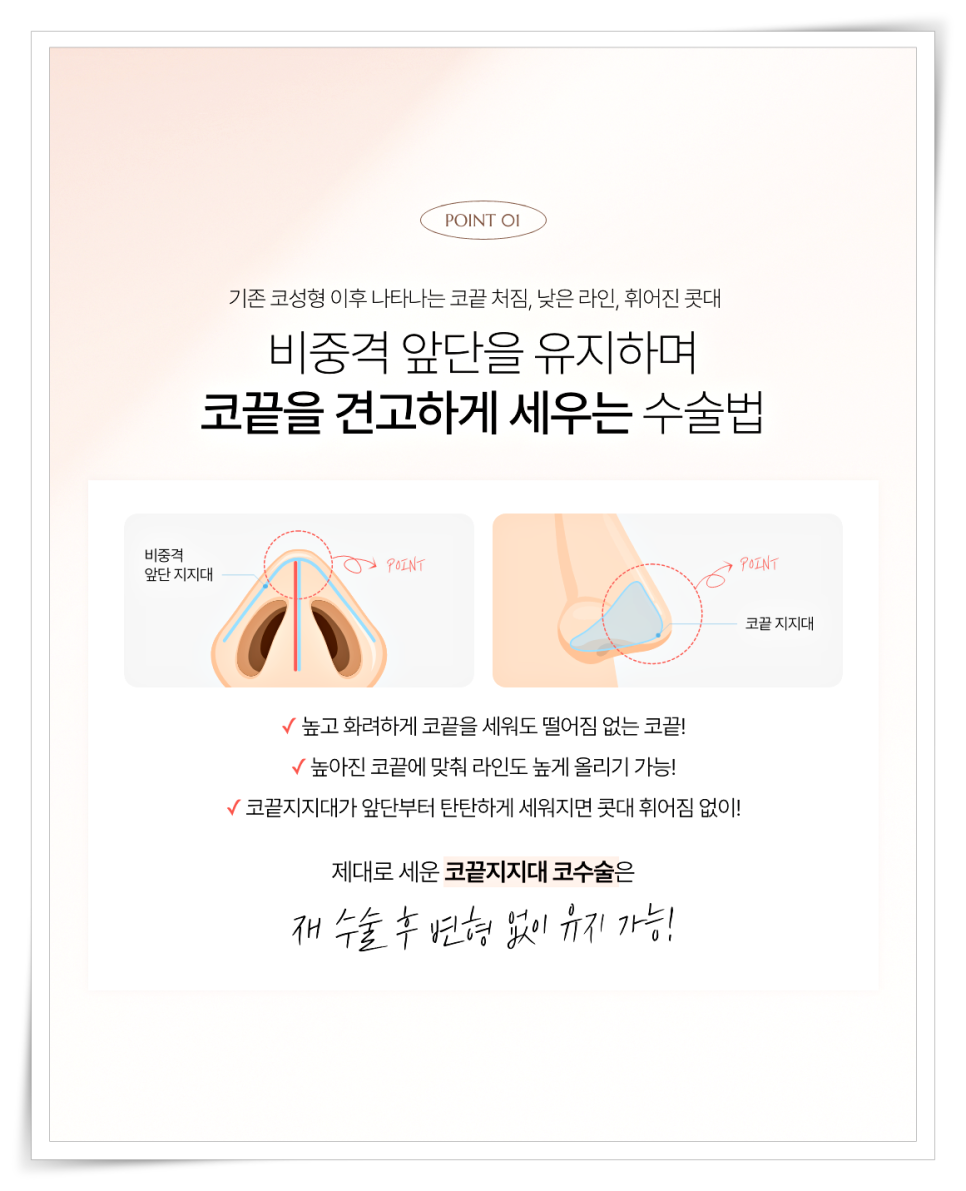
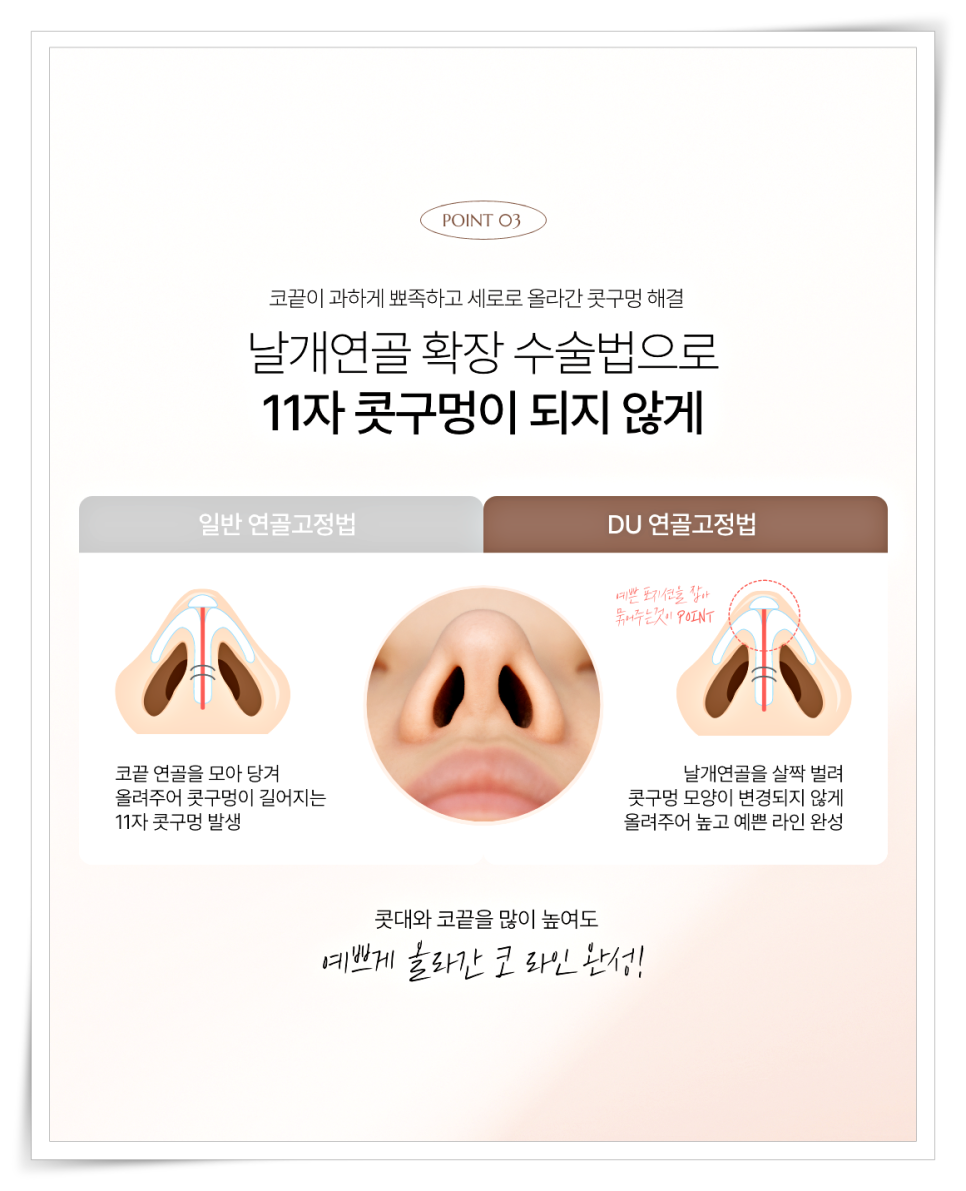
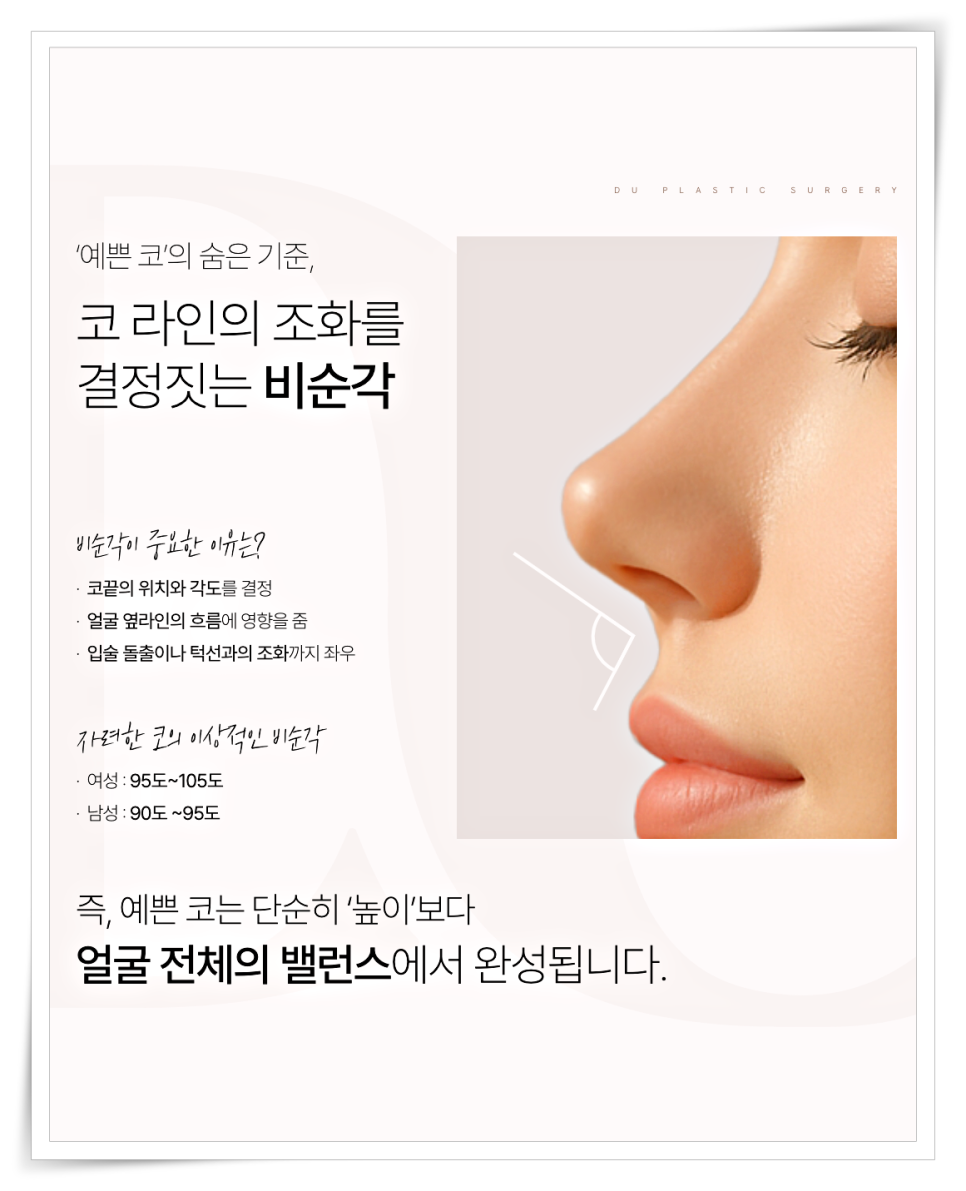
To create a structure that can firmly support a shortened nose, it is necessary to restore the collapsed support and sufficiently release the tightened tissue.
At this point, the key is not which cartilage is selected, but how and where the cartilage is placed.
We use autologous rib cartilage, ear cartilage, and septal cartilage to build a new central structure.
In other words, the insufficient cartilage is supplemented and repositioned by designing it to serve as a support structure that can be firmly fixed.
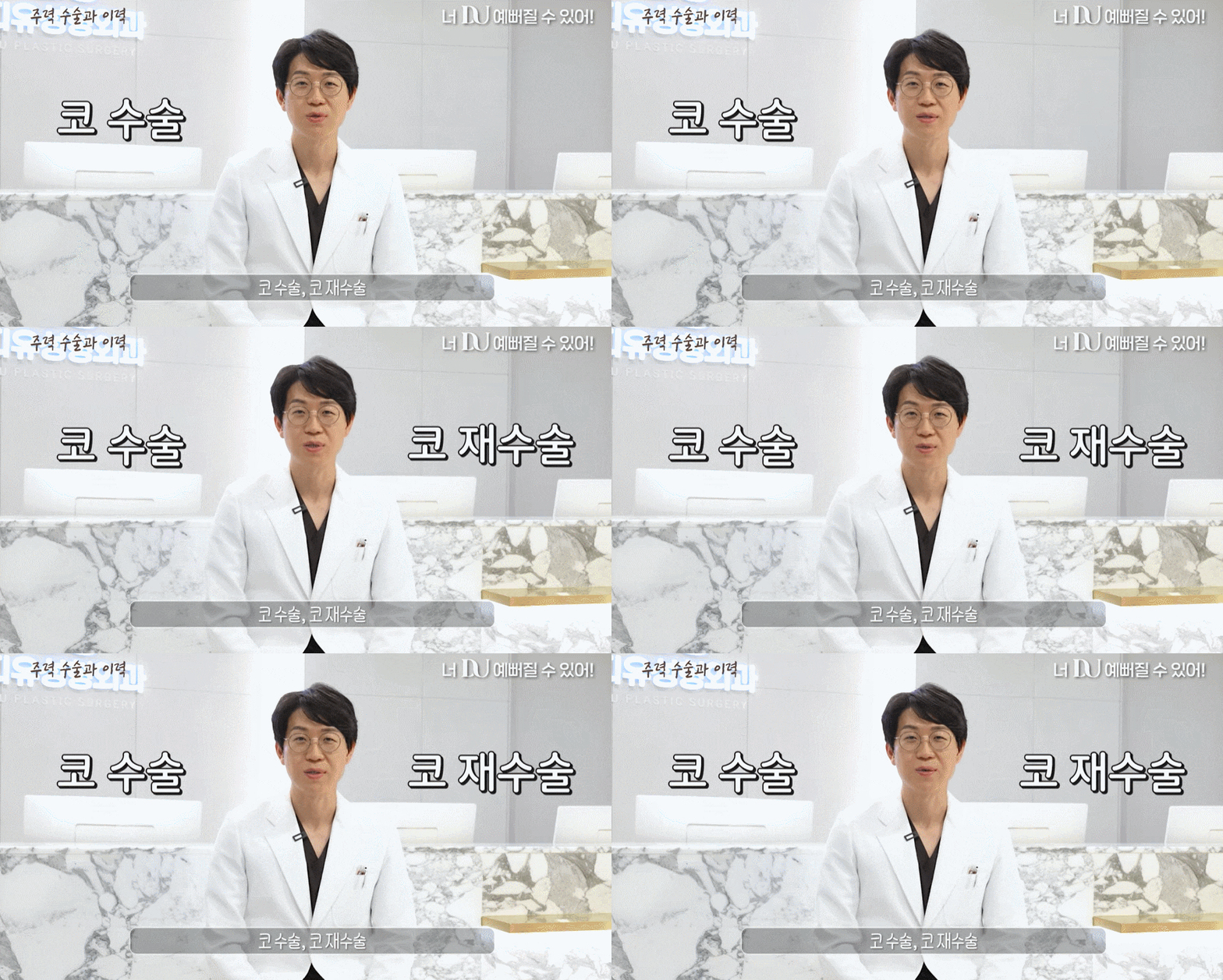
Short nose revision surgery
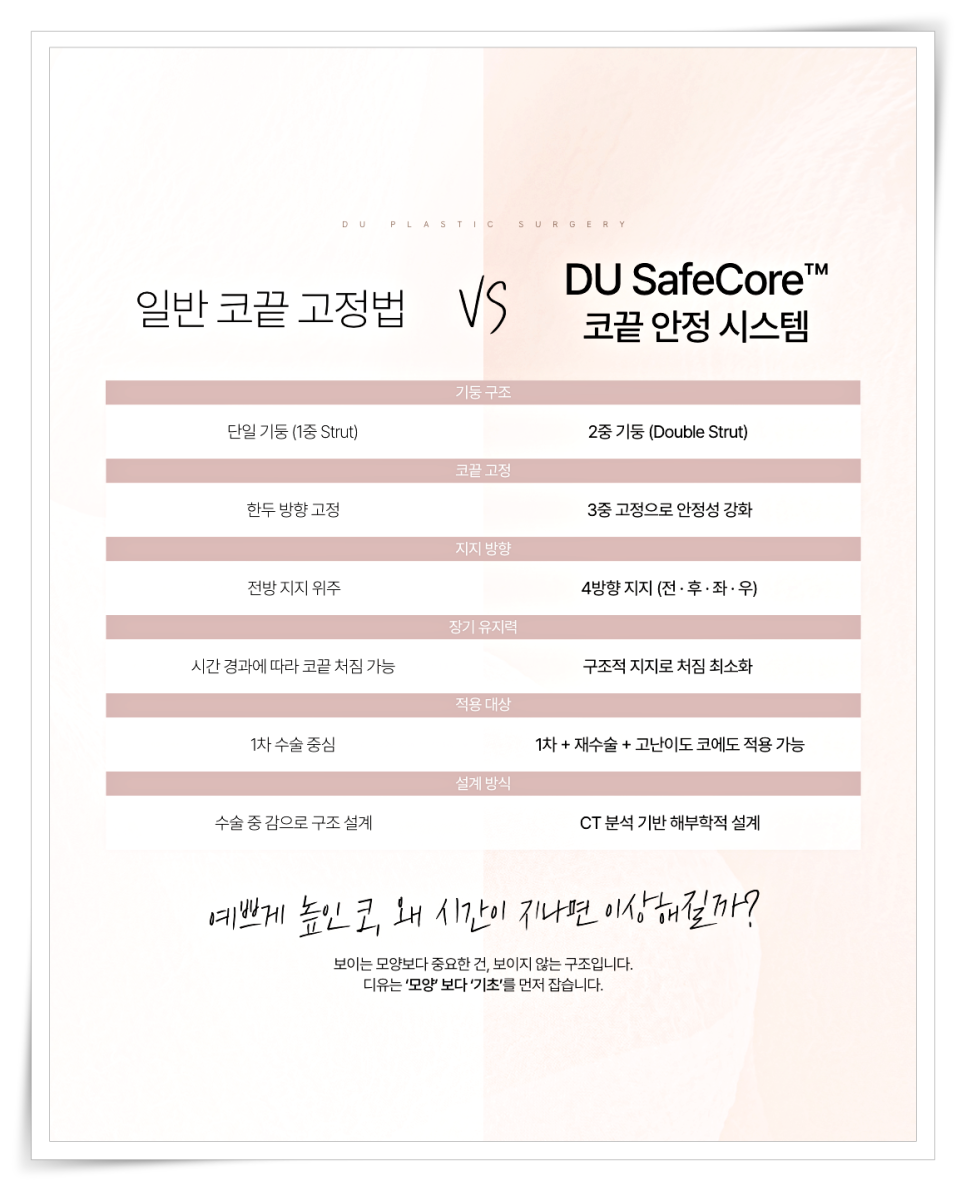
Rather than simply creating shape, think of it as building an internal frame that does not collapse even when smiling or speaking.
Instead of forcibly pushing up a collapsed nose tip, we achieve a natural and stable result by anatomically restoring the internal structure.
What is important in this process is a “three-dimensional interpretation” that comprehensively considers skin flexibility, cartilage condition, and even movement during facial expressions.
Surgical Design That Also Considers Facial Expressions and Muscle Movement
Previous image
Next image
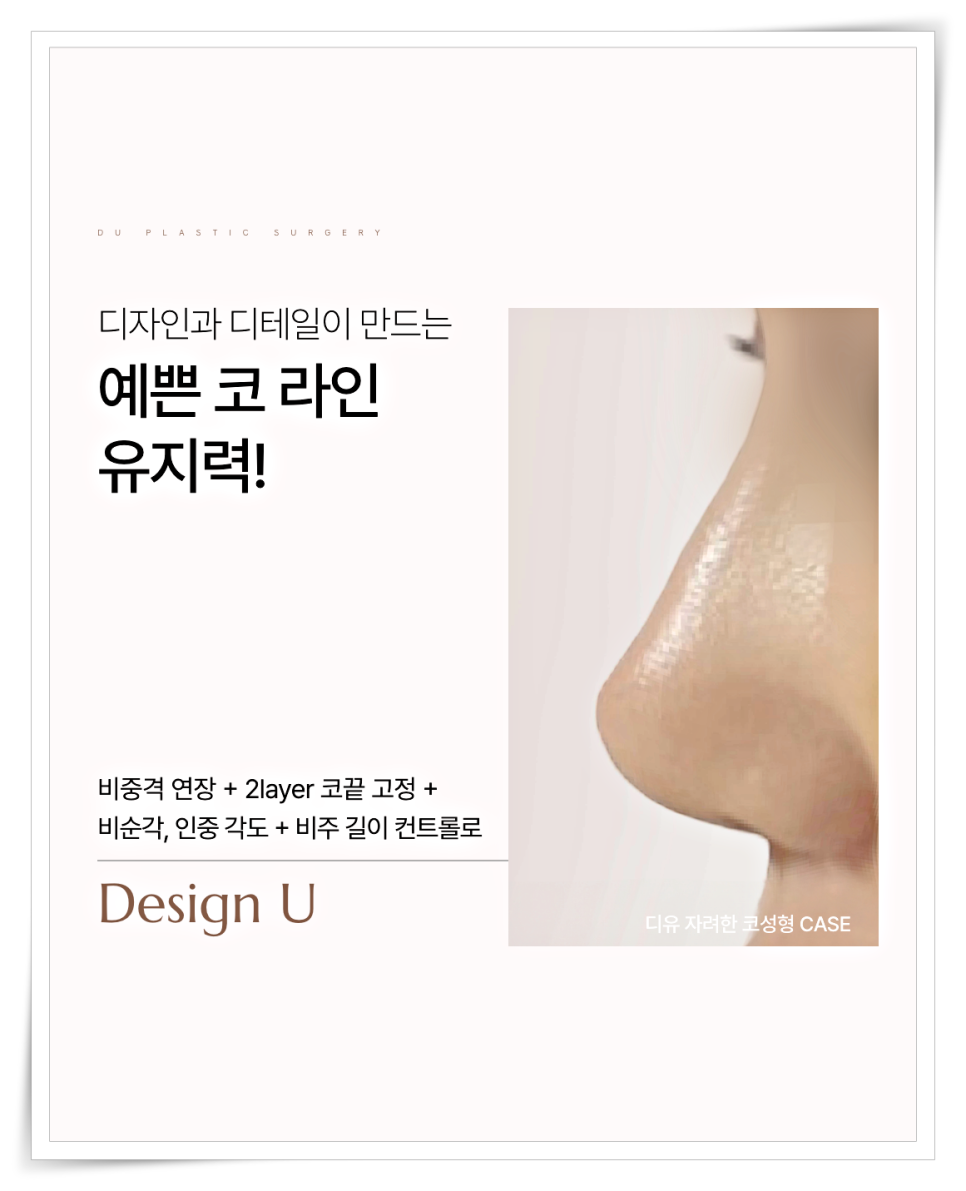
One of the common concerns of those considering short nose revision surgery is, “My nose tip lifts every time I smile, so it looks strange.”
This problem is not simply a cartilage issue; it occurs when the action of the muscles and the movement of facial expressions conflict with the structure of the nose tip.
The nose is located at the center of the face and moves together with various facial muscles.
In particular, due to the action of muscles such as the levator labii superioris, which lifts the upper lip, and the alar muscle, which moves the nostrils, the nose tip often lifts or wrinkles form when smiling.

Previous image
Next image
Short nose revision surgery
For this reason, during preoperative consultation and imaging, we analyze not only the frontal appearance but also the smiling expression and movements during conversation.
After checking which direction the nose tip is being pulled and which muscles are involved when speaking, we adjust the direction of cartilage placement and the fixation points accordingly.
This type of design does not merely create a pretty nose in a static photo, but rather a nose that is naturally expressed in everyday life.
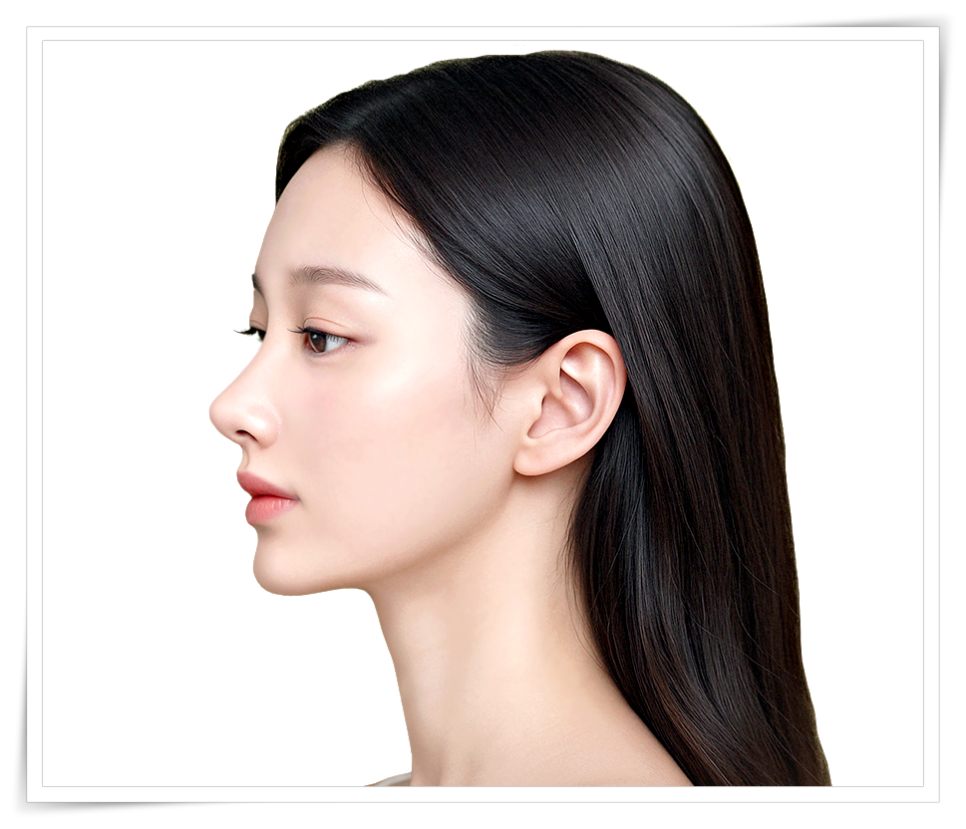
Ultimately, the goal is not a “nose that looks pretty,” but a “nose that lives naturally.”
Short Nose Revision Surgery,
In the End, Careful Design Is the Answer



Previous image
Next image
The most important thing in short nose revision surgery is not simply which cartilage was used.
What matters is the principle by which that cartilage was designed and how it harmonizes with the entire face.
If the cartilage has already been damaged and the tissue is adhered, the outcome depends on how the tissue is released and how naturally it is restored.
Also, if you approach a short nose with the goal of merely making it “longer,” contracture or lifting may repeat, so it is more important to design a “center that does not collapse even in motion.”
We analyze each person’s facial structure from multiple angles and, based on that, suggest the most appropriate reconstructive direction.
In particular, through a three-dimensional design that considers nose tip cartilage restoration, adhesion release, and facial muscle movement, we achieve structural restoration rather than simple external correction.
So far, I have explained that short nose revision surgery is not simply a matter of changing the implant, but requires delicate design that restores the already collapsed support structure and also considers natural movement during facial expressions.
The core of revision surgery is not simply making a shortened nose “longer,” but establishing a “center” that will not collapse over time.
If you are considering revision surgery, I recommend creating an anatomical surgical plan that considers not only shape-centered approaches, but also the restoration of structure and harmony of movement.



Previous image
Next image
Short nose revision surgery
Diu Plastic Surgery focuses not on creating a “nose that looks pretty,” but on restoring a “face that can smile naturally as myself.”
Shape may change over time, but a nose with a solid center does not collapse easily over the long term.
In the next post, I will introduce Diu’s nose revision surgery system and the pre- and postoperative analysis process in detail.
Thank you for reading this long post.