
Strategies for Minimizing Mini Facelift Scars for a Natural Lift
Hello, I’m Oh Se-won, the chief director of D.U. Plastic Surgery.
Although facial changes caused by aging may differ slightly in timing and progression from person to person, they are ultimately a natural process that cannot be avoided.
In particular, when you suddenly look in the mirror one day and notice a sagging jawline and deeper nasolabial folds, you may find yourself wondering, “Have I really changed this much?”
Nowadays, when these concerns arise, many people think of dermatology procedures or lifting treatments.
There are so many dermatological management options that can be tried without much burden.
The problem is that even after repeated procedures, the changes may feel minimal or the results may not last very long.
 Strategies for Minimizing Mini Facelift Scars for a Natural Lift
At that point, people start looking for a more fundamental solution.
Among these, the method drawing attention lately is the mini facelift.
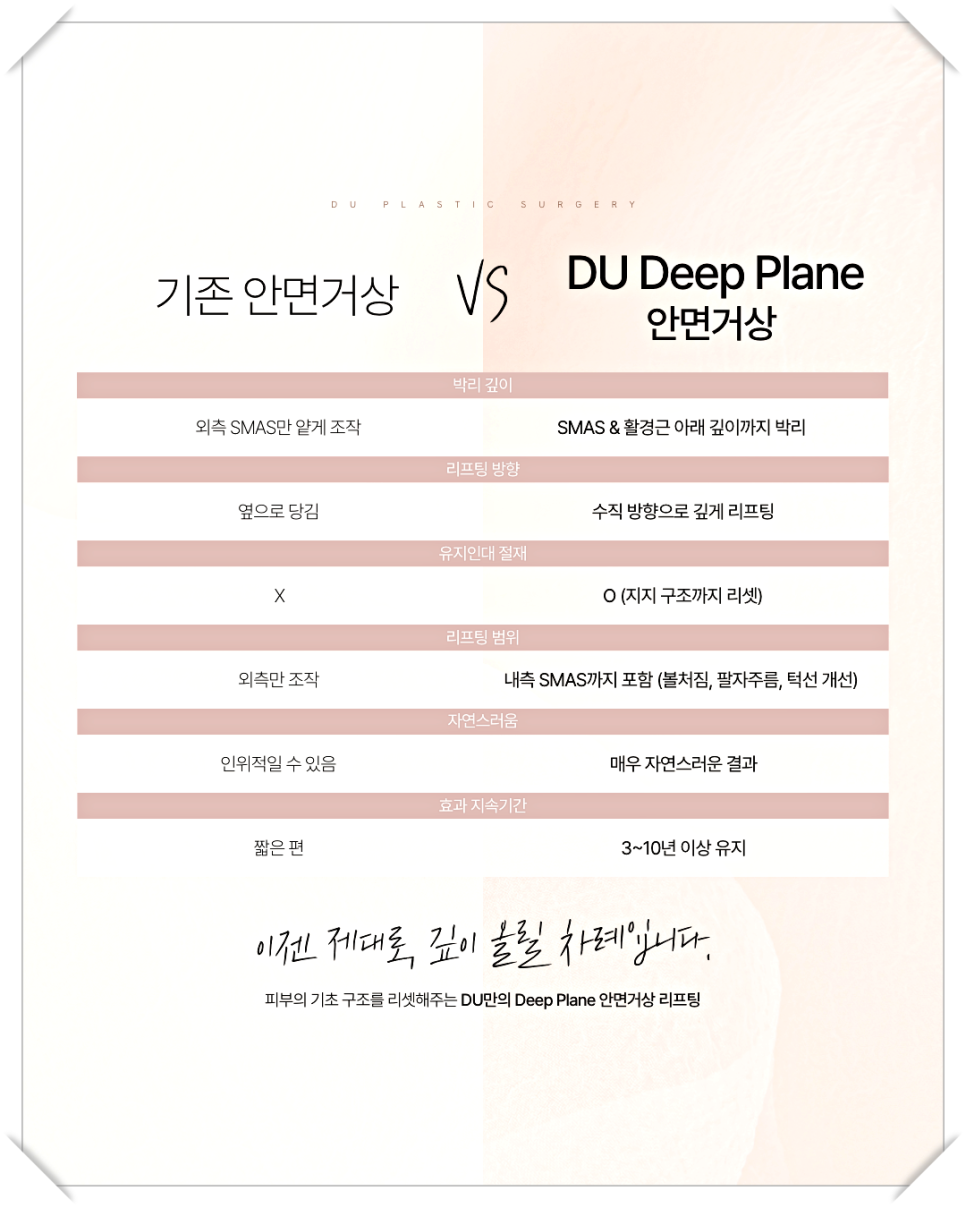
A mini facelift has a smaller treatment area than a full facelift and involves a faster recovery, while precisely lifting only the necessary areas to improve the overall appearance.
However, many people considering this surgery also worry, “Won’t the mini facelift scar be too visible?”
Today, let’s go over what a mini facelift is, what kind of surgical design is needed to minimize mini facelift scars, and how to care for yourself after surgery.
What Is a Mini Facelift?


Previous image
Next image
Minimizing Mini Facelift Scars
A mini facelift is a type of facelift surgery that selectively lifts only specific areas where elasticity has decreased.
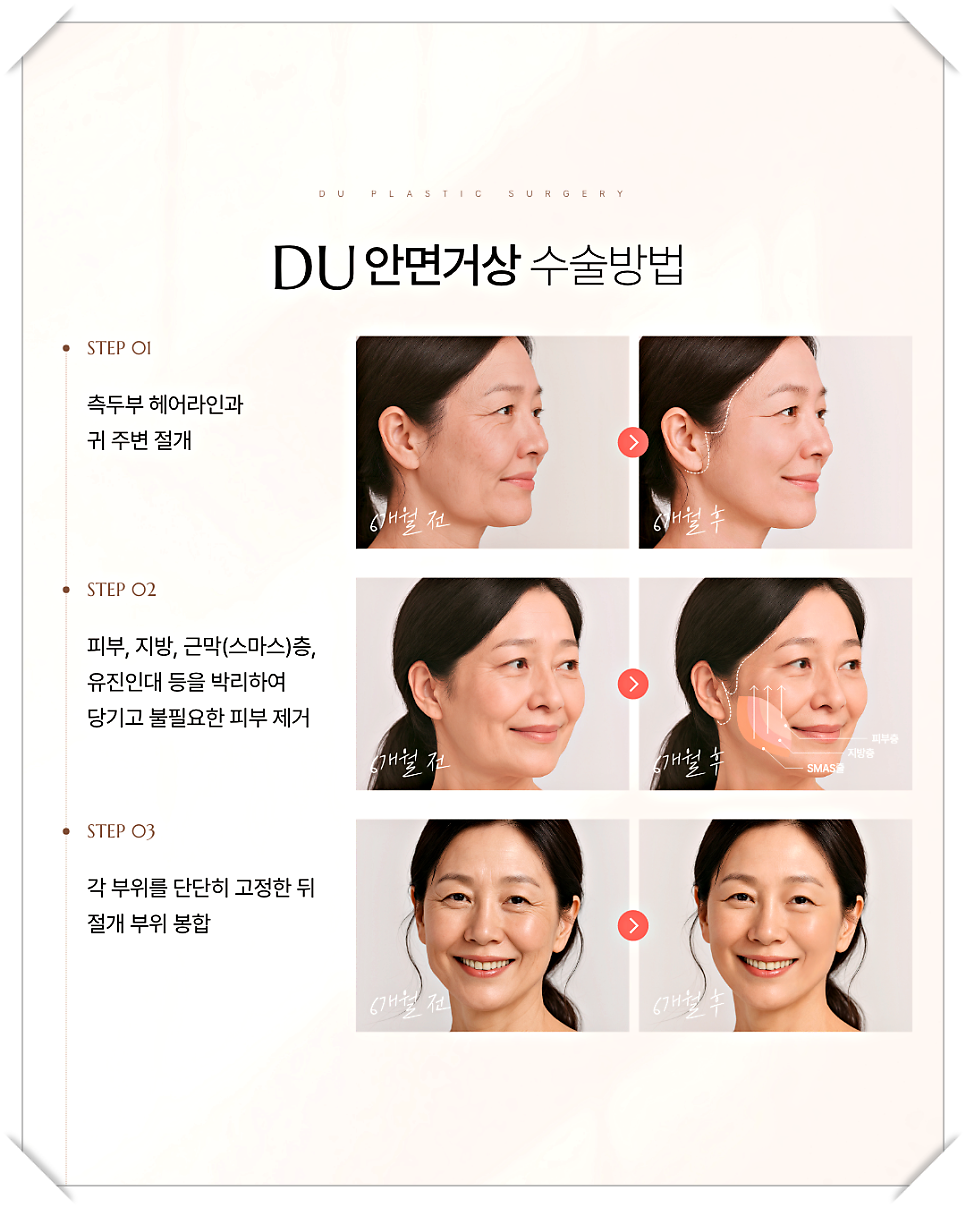
While a full facelift involves wide incisions from in front of the ear to the temple area, a mini facelift is typically performed through an incision along the hairline in front of the ear.
Because this incision area meets the hair, the scar is not easily visible from the outside.
In addition, because the incision area is smaller, there is less bleeding and swelling, and recovery is faster.
 Mini Facelift Scar
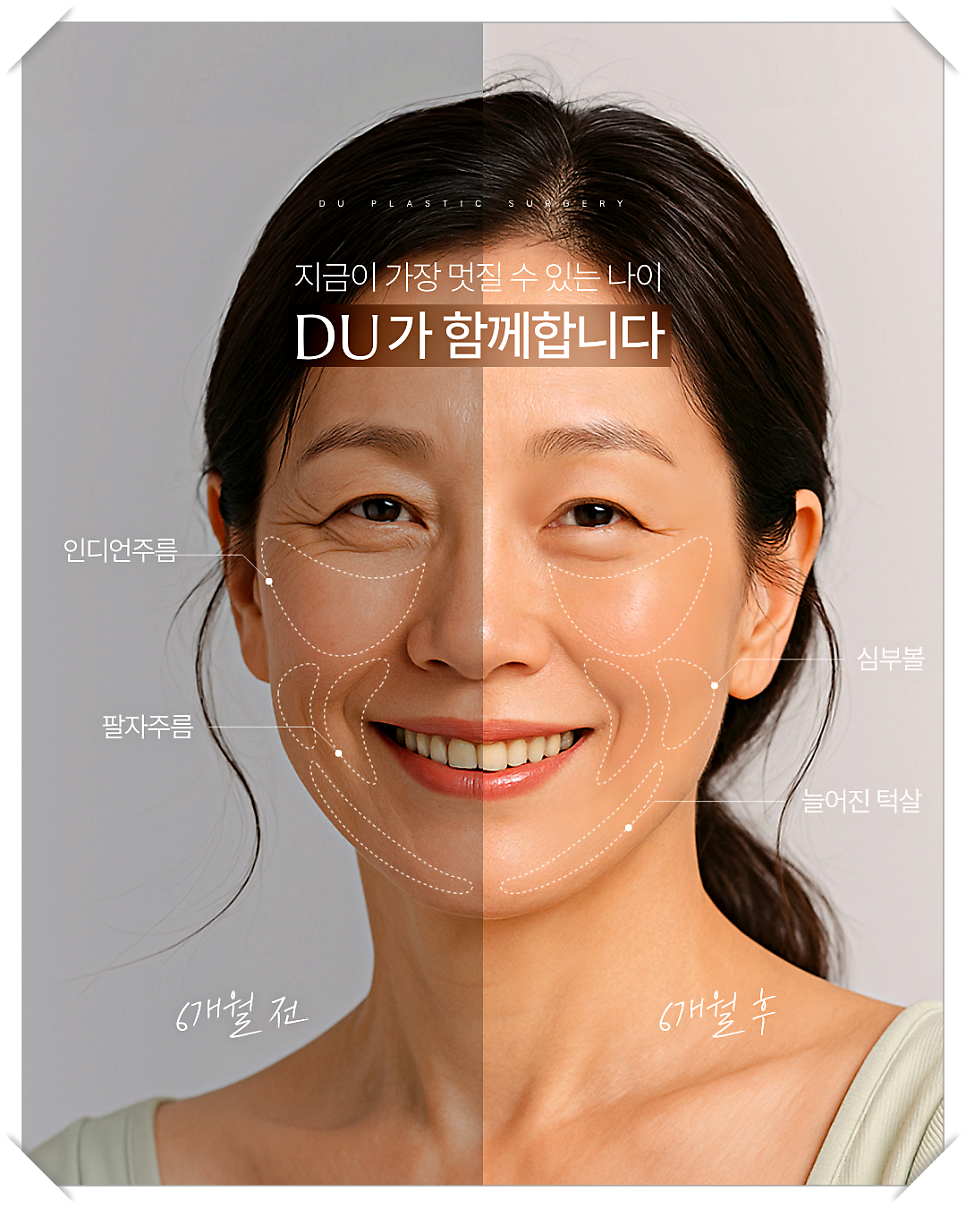
However, the key to a mini facelift is not simply pulling the skin, but also lifting the layer beneath the skin, the SMAS (superficial musculoaponeurotic system).
The SMAS layer is an elastic structure that connects the skin and muscles, and the results last longer when this layer is also lifted.
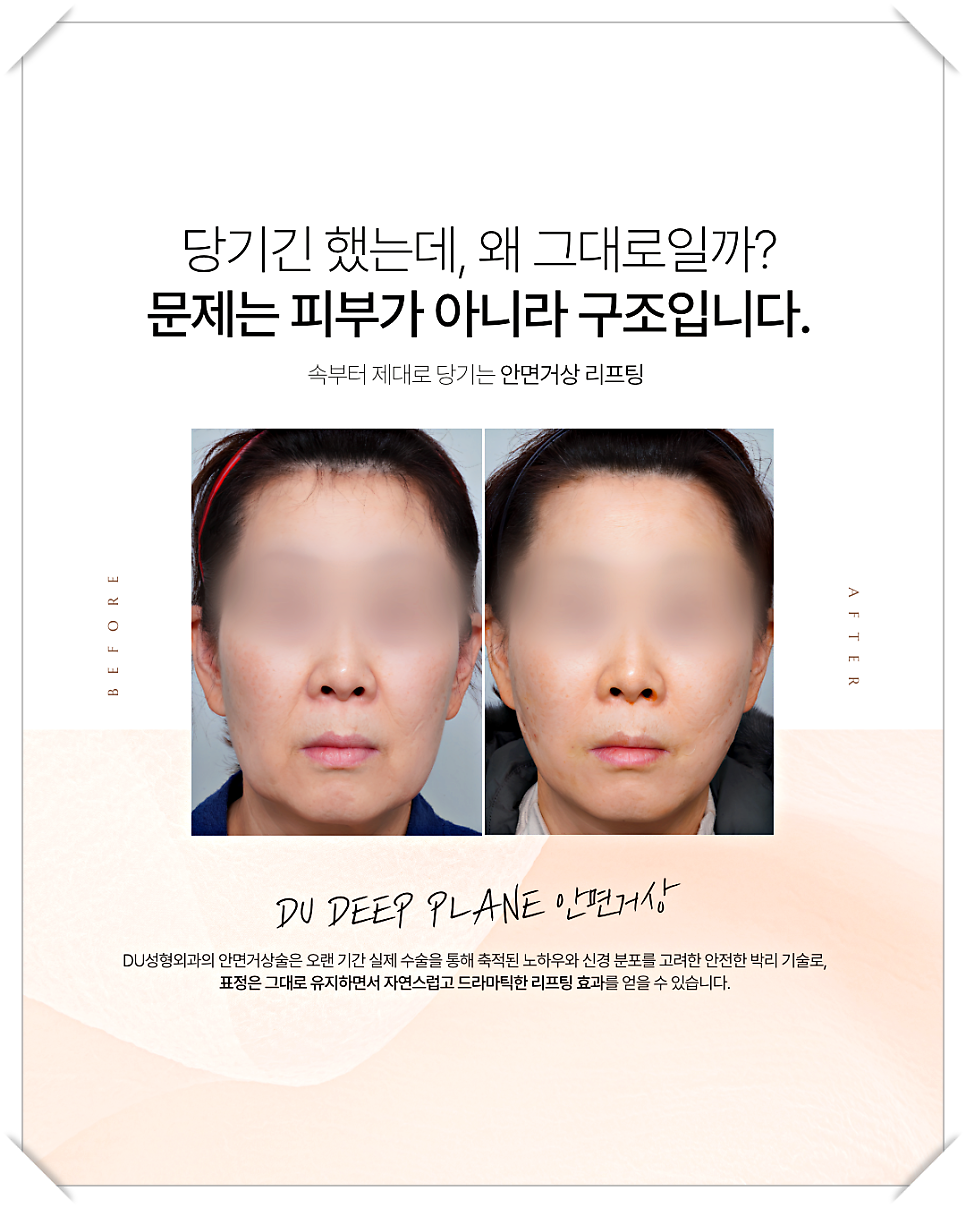
For example, a mini facelift can improve deep nasolabial folds, sagging cheeks, or a jawline that appears to have lost definition.
However, rather than pulling upward indiscriminately, the lifting direction should be designed by considering 1) facial proportions, 2) movement during facial expressions, and 3) the connecting lines between the cheekbones, jawline, and the outer corners of the eyes in order to achieve a natural and soft result.
Mini Facelift Scars: Why They Form and How to Reduce Them

Previous image
Next image
One of the biggest concerns for people considering a mini facelift is the scar.
Even if they are told that the incision is made in front of the ear, it is natural to wonder, “Wouldn’t it still be visible up close?”
Mini facelift scars vary depending on the incision location, incision length, suturing method, and postoperative care.
When the incision range is less than 3 cm, scars are often barely visible, but the lifting range is also more limited.
Also, if only the skin surface is lifted, tension concentrates on the suture line, which can cause the scar to widen over time.
To prevent this, the SMAS layer beneath the skin should also be lifted so that pressure on the surface is distributed.
Immediately after surgery, redness and swelling may occur, but they usually subside within 1–2 weeks.
However, it takes about 6 weeks or more of care for the scar tissue to settle stably.
During this period, scar ointment, sun protection, and avoiding irritation are important.
Mini Facelift Procedure and Recovery Care
 How to Minimize Mini Facelift Scars
A mini facelift is not simply about pulling the skin; the key is a delicate process that also lifts the SMAS layer (the fascial layer) beneath the skin.
Centered on the area where sagging has begun, the procedure proceeds in sequence with incision, dissection, fixation, and skin trimming, and in this process, it is important to design the surgery in a way that minimizes scars and creates a natural result.
First, before surgery, the elasticity of the full face, the angle of sagging, and movement during facial expressions are analyzed in detail.
After observing how the skin moves when smiling or speaking, the lifting direction and intensity are designed.
The incision is made along the hairline in front of the ear so that the scar is not exposed, and even if the incision range is small, the internal dissection range and fixation points are precisely set.
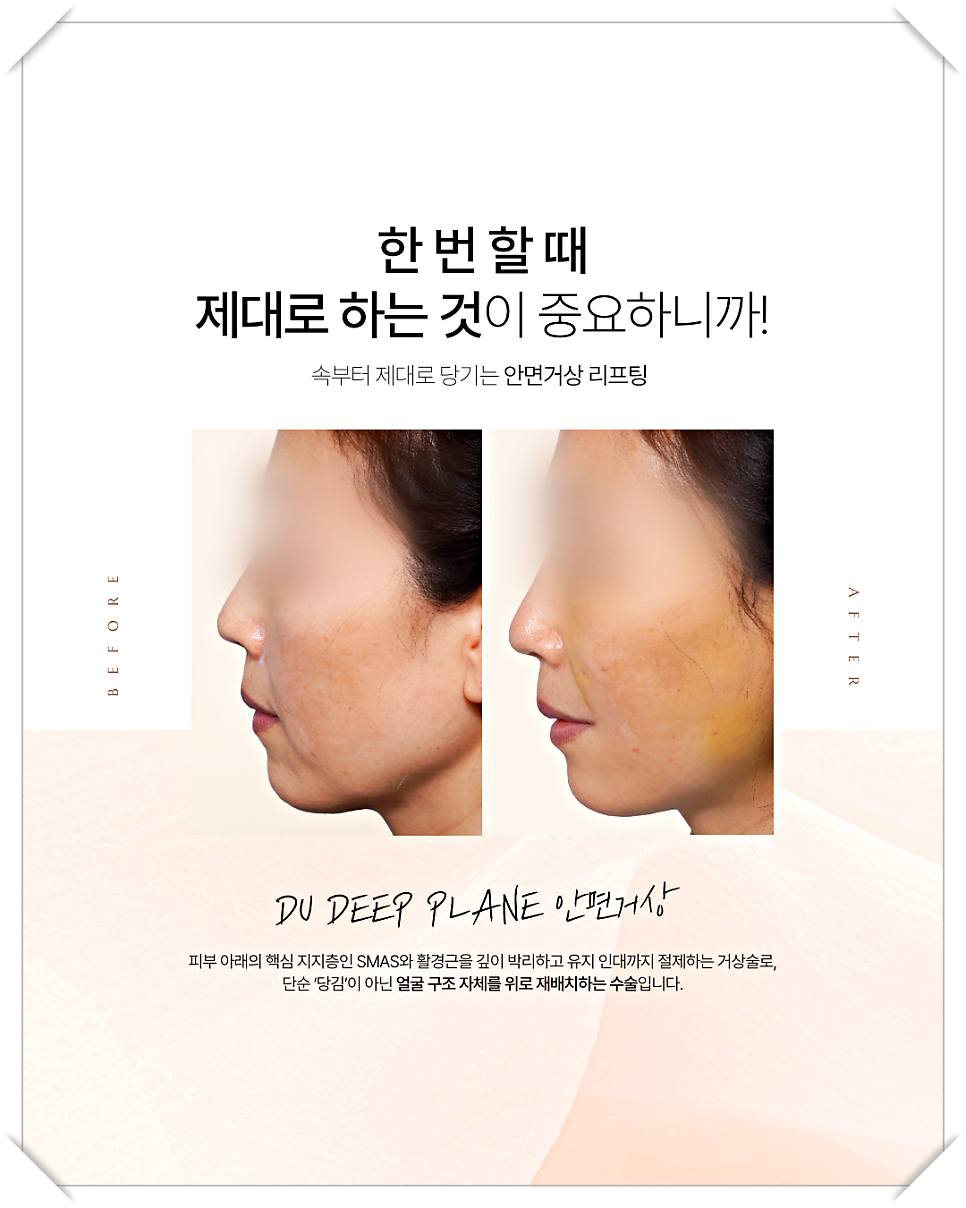
Previous image
Next image
Fine Suturing for Mini Facelift Scars
During the dissection stage, the skin and SMAS layer are separated to lift the sagging fascial layer in the desired direction.
At this time, the lifting direction is not only upward but can also use lateral or diagonal directions to preserve the naturalness of facial expressions.
After fixation, any excess skin is naturally trimmed and finished with fine suturing to minimize scarring.
During postoperative recovery, care for scar stabilization and swelling reduction is important.
At the beginning, it is important to minimize facial expression changes and skin tension, and later, using scar ointment, sun protection, and moisturizing together can support smoother recovery.
The table below summarizes the mini facelift procedure and key points of recovery care.
| Stage | Main Content | Care Points |
|---|
| Precise design | Analyze sagging areas of the face, elasticity, and facial expression movements | Customized design of lifting direction and strength |
| Incision | Hairline incision in front of the ear to minimize scar exposure | Consider the hairline and ear shape |
| Dissection | Separate the skin and SMAS layer, exposing the sagging fascial layer | Prevent unnecessary damage |
| Fixation | Lift and fix the SMAS layer in a customized direction | Minimize scars by distributing tension |
| Skin trimming and suturing | Trim excess skin, fine suturing | Uniform, precise suture line |
| Recovery care | Reduce swelling and bruising, protect scars | Limit facial expressions and exercise for 2 weeks, sun protection, use ointment |
 Mini Facelift Scars Facelift
So far, we have looked at the mini facelift.
A mini facelift is a method that can sharpen the overall impression by precisely lifting only the necessary areas.
It has the advantages of less scar burden and faster recovery, but the results depend on the incision location, the way the SMAS layer is lifted, and the design of facial movement.
Therefore, if you are considering a mini facelift, you should not only check whether scars will be visible, but also whether the surgical design is tailored to your facial structure, whether SMAS lifting is included, and whether the suturing technique is precise.
If these points are carefully reviewed, you may experience a natural, long-lasting lifting effect without it being noticeable.
In the following article, there is a detailed explanation of why a facelift is more effective than thread lifting, so it may be helpful to read it as well.
Thank you for reading this long post.