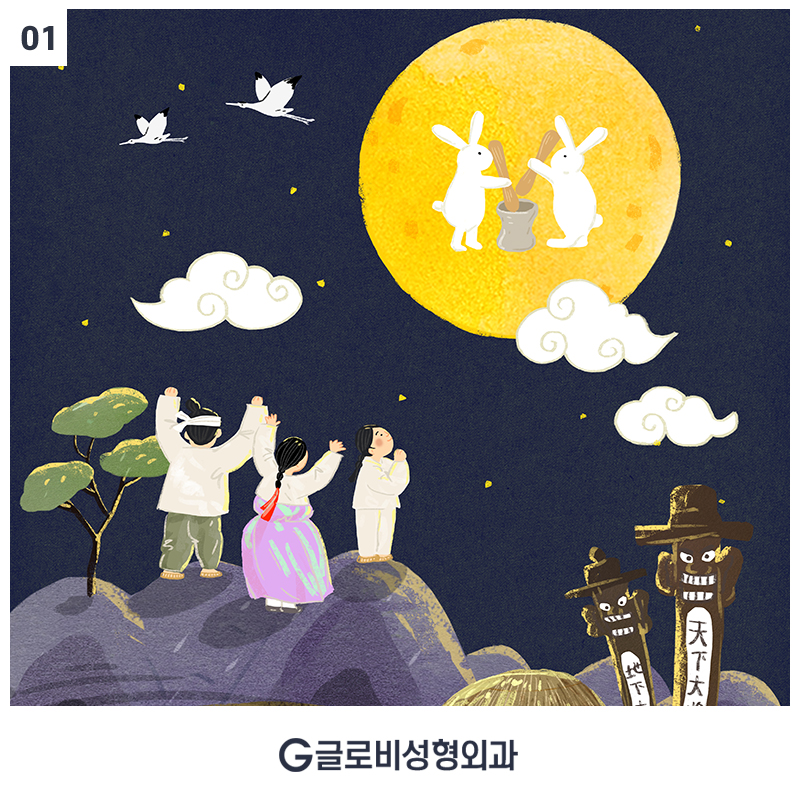
Jeongwol Daeboreum
: February 19 (the 15th day of the first lunar month every year)
Hello.
Today, February 19, is both "Usoo" and "Jeongwol Daeboreum."
Usually, when people talk about Jeongwol Daeboreum,
it is a day for events such as cracking bokeum nuts, telling away summer heat,
drinking ear-brightening liquor,
and tug-of-war, fire-sticking games, and stone fights,
a day to ward off bad luck and illness
and to pray for peace in the village and a prosperous harvest for the year.
Jeongwol Daeboreum, which refers to the day the first full moon of the year rises,
is counted as one of Korea's five major holidays along with Seollal, Chuseok, Dano, and Hansik.
Daeboreum is considered to symbolize brightness, with moonlight driving away darkness, illness, and disaster,
and it is said to have originated from holding a "dongje" ritual to pray for a good farming year
and to wish for abundance.
Foods for Jeongwol Daeboreum
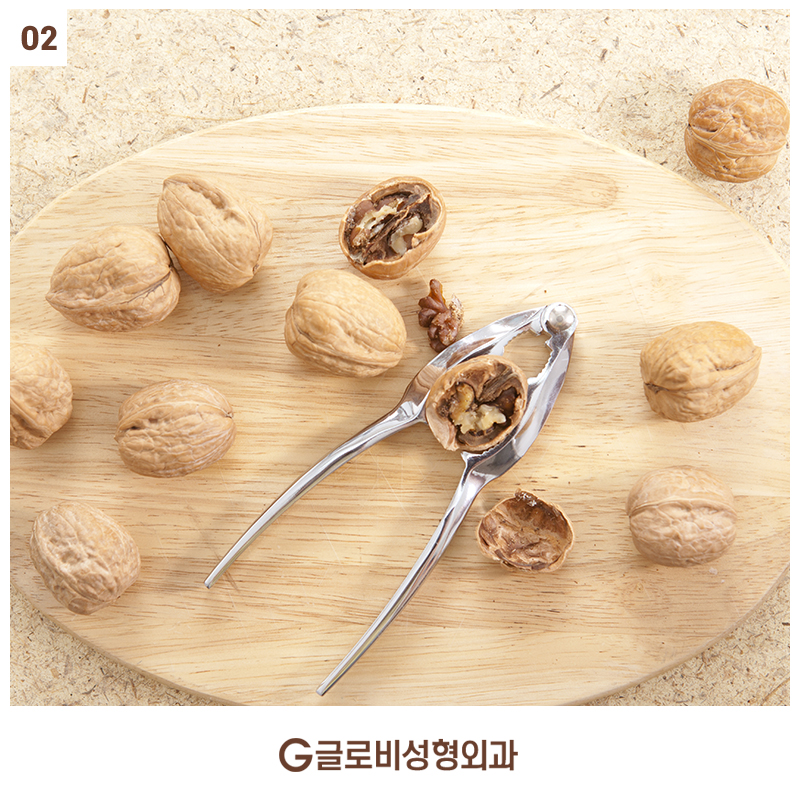
#Bureom
Bureom refers to cracking and eating nuts such as walnuts, raw chestnuts, ginkgo nuts, and pine nuts
in an amount equal to one's age.
In the past, there were many cases where people could not eat a balanced diet,
so skin eruptions often appeared and health problems were common.
For that reason, people ate nutritious nuts and prayed for a peaceful year
without trouble and without skin eruptions.
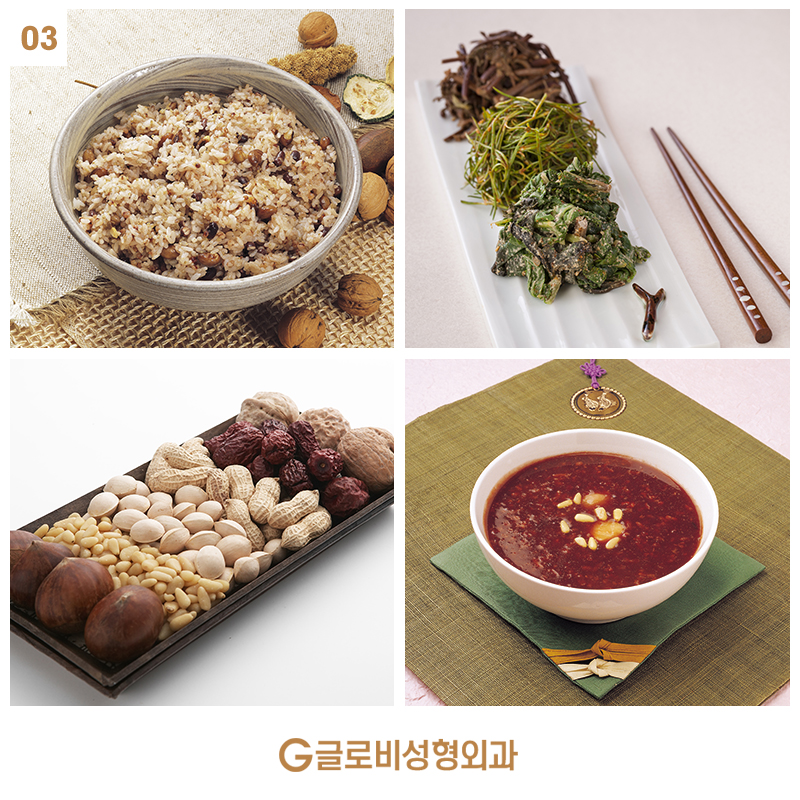
#Ogbap
If you choose a representative food of Jeongwol Daeboreum, it would be ogbap.
Ogbap refers to rice cooked by mixing five or more grains such as barley, glutinous rice, millet, red beans, and sorghum,
and it is said to be a custom of cooking and eating rice with various grains
while praying for the abundance of the five grains.
#Namul
Bracken, spinach, soybean sprouts, ssukgat, and other
various kinds of namul are served with ogbap and eaten together.
It is said they were eaten for the purpose of replenishing nutrients that were lacking during the winter.
#Patjuk
Similar to the meaning on the winter solstice,
patjuk was also eaten on Jeongwol Daeboreum
to drive away evil spirits.
We learned about Jeongwol Daeboreum,
a day to pray for health in the coming year.
I hope you have a prosperous and healthy year,
like the bright and radiant full moon. :)