Three Things You Must Check About the Breast Fat Grafting Survival Rate
Hello,
This is Globi Plastic Surgery Clinic.

Breast fat grafting survival rate
| A clinic that follows the principles of plastic surgery, Globi Plastic Surgery Clinic |
|---|
| In plastic surgery, following the basics is the most important thing. Plastic surgery should be planned with a view to the customer’s entire life. Both the process and the results of plastic surgery must be safe. Globi always puts the customer first. |
| Consultation is an important step that leads to surgery. To help you feel satisfied with your surgical results, we promise personalized consultations with medical staff who have extensive clinical experience. |
| Aftercare can also be seen as an extension of surgery. To help patients recover quickly, we provide customized care programs. |
How can the transplanted fat
survive well?
If you are considering breast fat grafting,
I think you have probably asked yourself
this question at least once.
The idea of creating natural volume using your own fat,
without implants, is appealing,
but when it comes time to actually decide on surgery,
the anxiety about how much will remain
often becomes a stumbling block.
I understand that anxiety completely.
So in this post, I’ll honestly explain
the key factors that affect the survival rate
of breast fat grafting.
The survival rate is ultimately determined
by what you put in
Breast fat grafting survival rate
During consultations,
there is always one question that comes up.
Doctor, what is the survival rate
of the transplanted fat?
It is difficult to give a precise number in response.
The survival rate is not determined solely by surgical skill,
because the outcome is already being shaped
by the condition of the fat that will be transplanted.
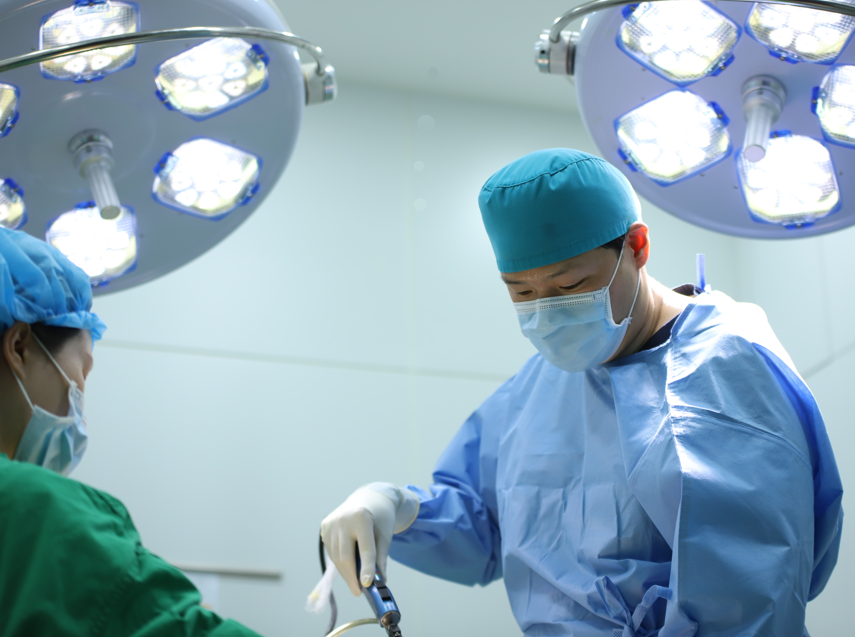
Did you know that the harvested fat
is not transplanted exactly as it is extracted?
Fat taken from the abdomen or thighs contains,
in addition to living fat cells,
blood, moisture, oil components,
and already damaged cellular debris.
If this is transplanted as is,
the impurities can trigger an inflammatory response
in the new location,
making it more likely that the fat cells will be absorbed
or undergo necrosis before they can take root.
That is why the work of precisely filtering out
only the living cells through centrifugation and purification
becomes the first turning point for the survival rate.
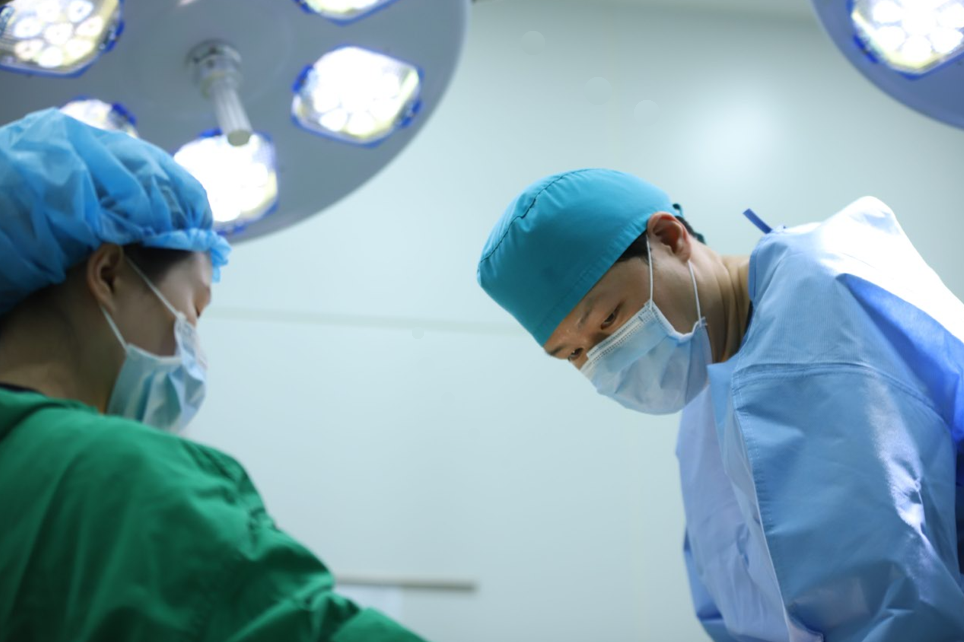
But that is not the end of it.
The purified fat also contains cellular components
with strong regenerative capacity.
After transplantation, these components promote the formation
of surrounding blood vessels,
helping the fat cells settle more quickly
in their new location.
In simple terms, rather than leaving the fat
to survive on its own,
it creates an environment that is more favorable
for survival.
However, the effectiveness of these components
varies greatly depending on how well they are preserved
during the purification process,
which is why the technical skill involved in extraction
and preparation is important.
The way it is injected can make the same fat
produce different results
Breast fat grafting survival rate
Even if the quality of the fat is good,
if the injection method is wrong,
the survival rate will fall short of expectations.
But because this is difficult for patients
to check directly,
it always feels unfortunate when people only notice the difference
after the results are out.
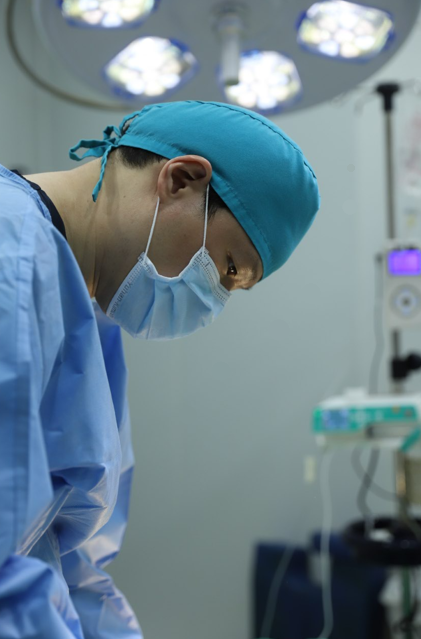
The key is dispersed injection.
If a large amount of fat is placed in one area,
it may seem like the volume will fill in quickly,
but in reality, the opposite is true.
When fat is injected in clumps,
nutrients cannot reach the cells inside,
which can cause cell death,
or lead to calcification, where the area hardens.
That is why we use a thin cannula to place the fat
in thin layers and distribute it across multiple layers
in a three-dimensional manner through the "triple survival method,"
maximizing the contact area with blood vessels.
The larger the contact area with blood vessels,
the higher the chance that the fat will survive.
And the skill involved in this injection method
determines the density and uniformity of the result over time.
I remember a patient who came in for a revision consultation.
She said that after her first surgery,
the volume on one side had noticeably decreased
and become hardened,
and the cause was likely a problem with the grafting method.
Every time I see patients like this,
I am reminded once again how much a single grafting method
can affect the result.
Also, a larger graft volume does not necessarily mean
a better surgical outcome.
Each person’s breast tissue has a limit
to how much it can accommodate, and if you exceed that limit,
the survival rate can drop sharply
and the shape may become uneven.
Rather than filling it greedily,
designing it accurately is the standard
we value most.
We believe that not recommending more than is necessary
ultimately leads to a more satisfying result.
Breast fat grafting survival rate
Of course, this method is not the right answer for everyone.
For people with a very low body mass index (BMI),
who simply do not have enough fat to harvest,
implants may actually be the better alternative.
As medical professionals, we believe that not recommending
a risky procedure when the survival rate cannot be guaranteed
is the first duty we must uphold.
I hope this has helped organize,
even if only a little, the factors that affect
the survival rate of breast fat grafting.
Based on the points covered in this post,
I hope you can make a wise decision.
It is Globi’s principle to transparently disclose
the precautions patients must know and the possibility of side effects.
If you are wondering how much of the fat removed from your body
can actually survive,
or whether fat grafting is really the best option for your body type,
please feel free to contact Globi anytime.
※ After surgery, side effects such as calcification,
inflammation, and asymmetry may occur depending on the individual,
and sufficient consultation with the medical staff is necessary
< Other helpful posts >
Globi Plastic Surgery Clinic is located
1 minute on foot from Exit 4 of Apgujeong Station on Subway Line 3,
at 5th and 6th floors of the EGI Building,
843 Nonhyeon-ro, Gangnam-gu, Seoul.
Consultation appointments are available on both weekdays and weekends.
All consultations are conducted privately, one-on-one.
For detailed inquiries and reservations, please leave a message through the channel below.


Breast fat grafting survival rate