Hello,
This is Globey Plastic Surgery Clinic.

How Many Thread-Lifting Threads?
| A Clinic That Upholds the Principles of Plastic Surgery, Globey Plastic Surgery Clinic |
|---|
| Upholding the basics is the most important aspect of plastic surgery. Procedures should be designed with the client’s entire lifetime in mind. Both the process and the results must be safe. Globey always puts its clients first. |
| Consultation is an important step that leads to surgery. To help you feel satisfied with your surgical results, we promise personalized consultations with medical professionals who have extensive clinical experience. |
| Postoperative care can also be considered an extension of surgery. We provide personalized care programs to help our patients recover quickly. |
When we look at the faces of those who visit our consultation room,
the degree of sagging, skin thickness, and facial shape
differ from person to person.
But the first question is always similar.
How many threads need to be inserted to see an effect?
Although it may seem like a simple question, it contains concerns about cost,
worries about the results, and anxiety about
what might happen if too many threads are inserted.
The number of threads is directly related to the results.
If the decision is made according to the wrong criteria,
you may be left disappointed after the procedure,
while reducing the number based on vague concerns
may also result in not seeing the desired effect.
That is why, in this article, we will look at the actual criteria
used to determine the number of threads,
as well as factors that are more important than the number itself.
The More, the Better? Common Misconceptions About the Number of Threads
How Many Thread-Lifting Threads?
Isn’t it better to simply insert a lot of threads?
Whenever we hear this in the consultation room,
we fully understand the sentiment.
It is a question that comes from a sincere desire
to achieve clear results.
However, more threads are not always better for thread lifting.
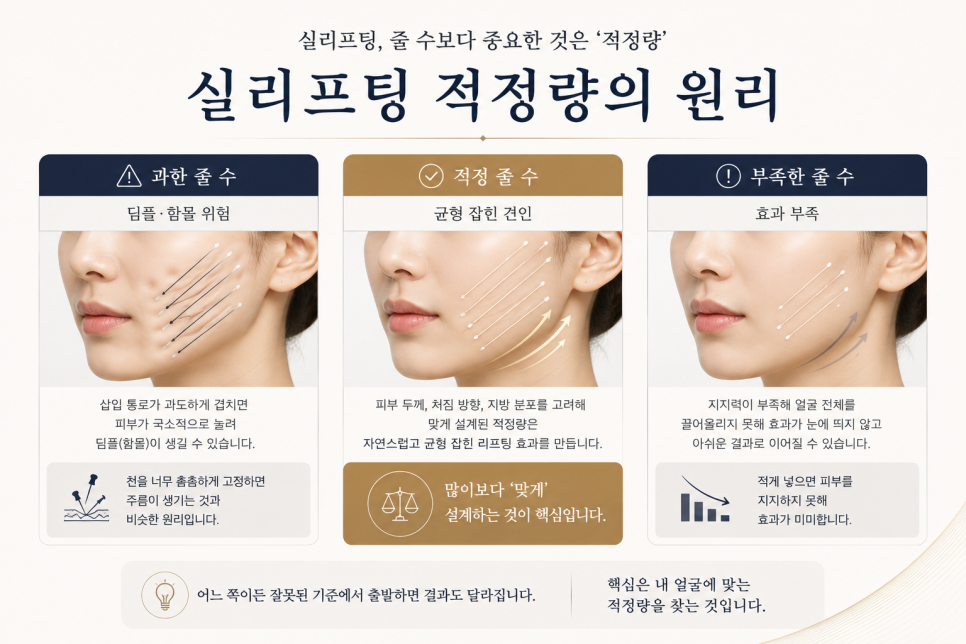
Threads pass through the dermal layer of the skin
and are structured to pull the tissue.
If the insertion paths overlap excessively, dimples—
localized indentations where the skin sinks inward—
may actually appear.
It is similar to fabric becoming wrinkled
when it is secured with too many pins placed too closely together.
Conversely, if too few threads are used, they may not support the entire face,
making the effect unnoticeable and often leading to disappointing results
despite the cost.
Either way, if the procedure begins with the wrong criteria,
the results may also differ.
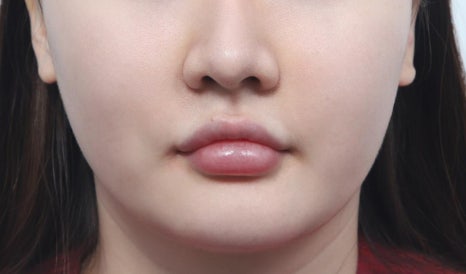
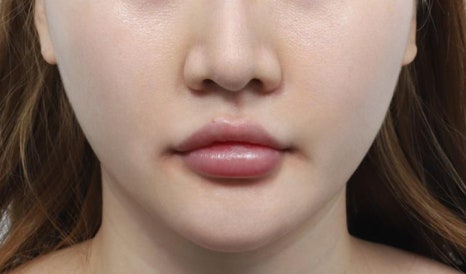
Ultimately, the key is finding the appropriate amount
for your face.
When we examine the faces of people who visit our consultation room,
we find that even people in their 40s have different skin thicknesses
and directions of sagging.
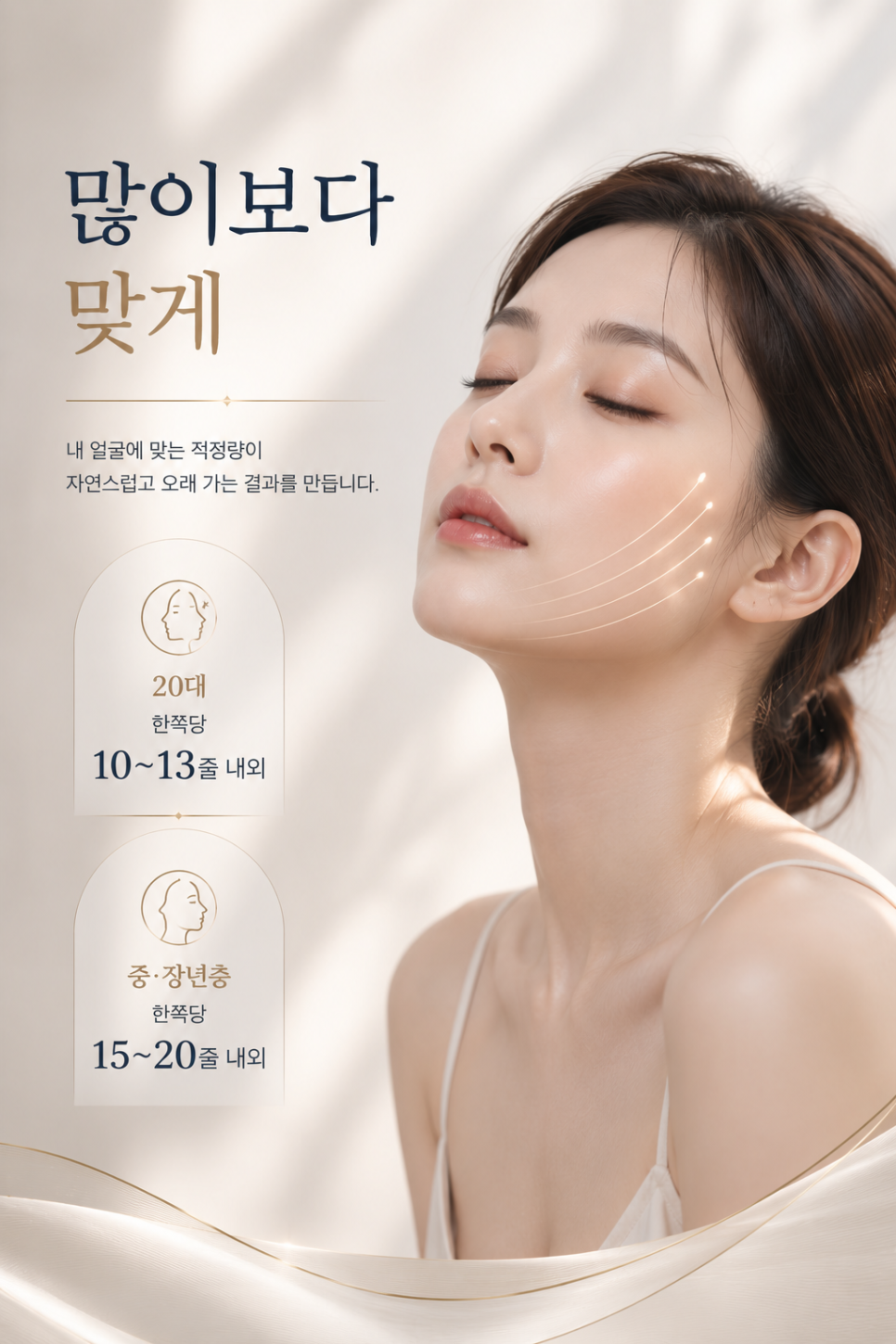
That is why Globey uses age-based guidelines,
while examining the direction of sagging and fat distribution directly
before deciding on the number of threads.
For people in their 20s, we use approximately 10–13 threads per side
as a starting point, while for middle-aged and older adults
whose sagging has become more pronounced, we use approximately 15–20 threads
as a starting point.
However, for people with prominent cheekbones, excessive facial fat,
or significantly reduced skin elasticity,
it may be difficult to achieve the desired change with threads alone.
For such individuals, we honestly explain that we should either adjust expectations
or consider other options together.
This is why we do not hastily provide a number
before meeting and examining the person directly.
What Matters More Than the Number of Threads: Thread Combinations and Planning
How Many Thread-Lifting Threads?
Is it really possible for the results to differ
even when the same number of threads is used?
This is one of the most common misconceptions we encounter in practice.
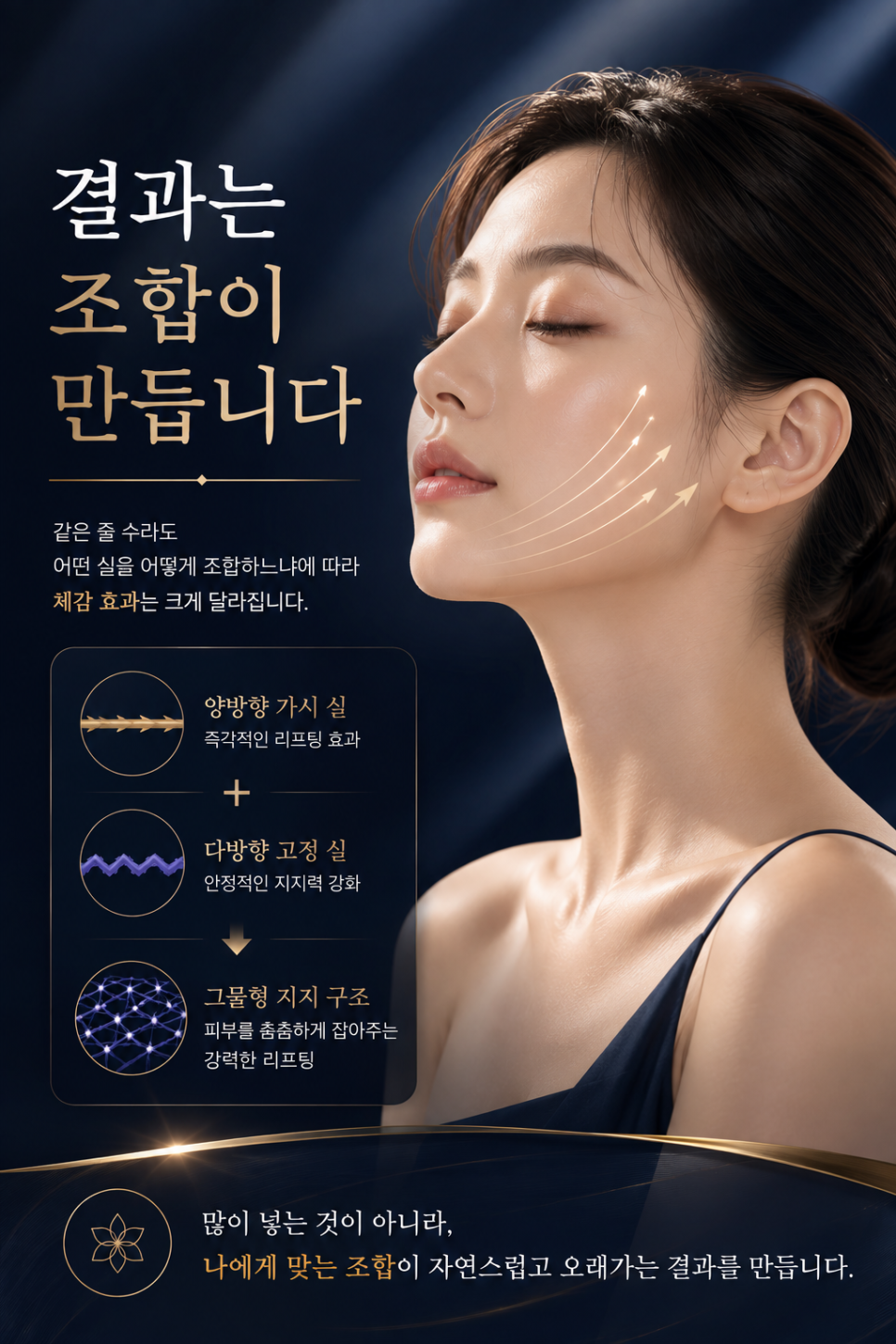
Even with the same number of threads, the perceived effect can vary greatly
depending on which threads are combined and how they are used.
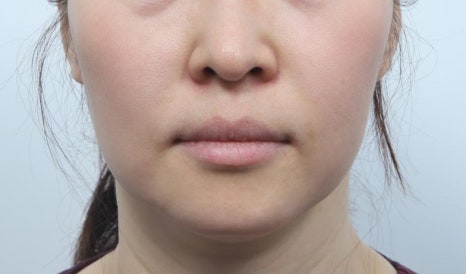
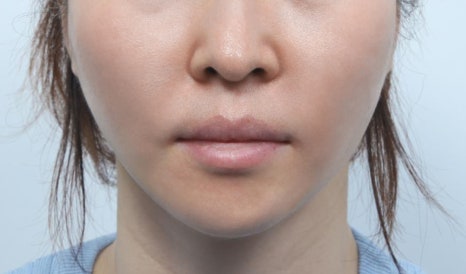
Threads are broadly divided into bidirectional barbed threads
and multidirectional anchoring threads. If bidirectional threads are used alone,
there may be a pulling sensation at first,
but the force can become dispersed over time.
When they are combined with multidirectional threads in a zigzag pattern,
the threads interlock like a net and hold the skin
much more securely.
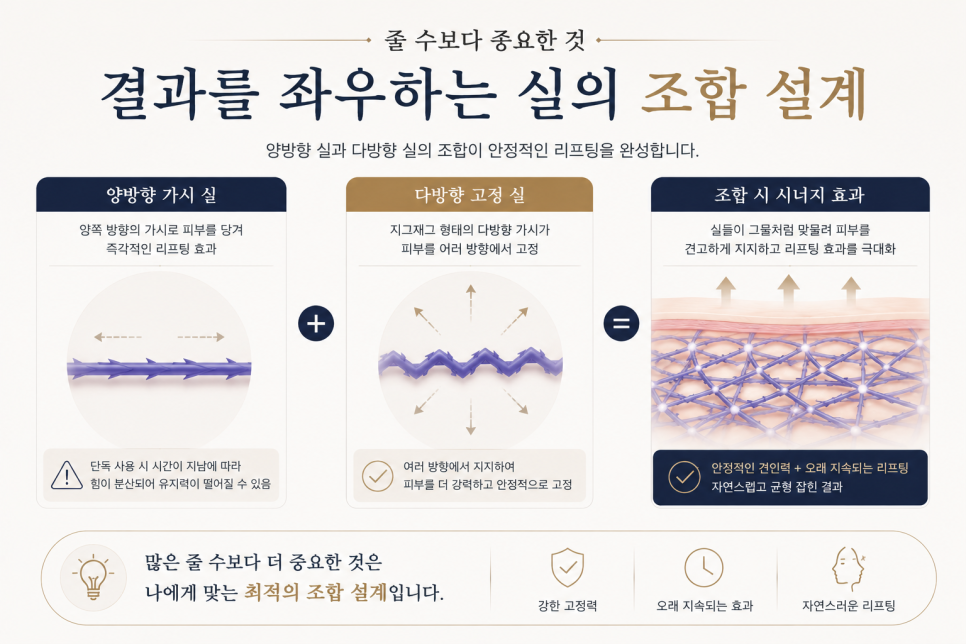
This combination design is the key factor that determines the results,
rather than the number of threads alone.
The manufacturing method of the threads also affects their pulling strength.
In the past, barbed threads cut with a blade
had uneven strength. In contrast,
the molded threads currently used primarily at Globey
are produced by pressing, giving the barbs greater strength.
They also offer advantages in terms of stable fixation and durability
even when shorter threads are used.
One person who visited our consultation room said that
even after having 20 bidirectional threads inserted,
the change was minimal.
Upon examination, we found that the threads had simply been inserted
in a single direction without any combination.
Dimples or unevenness may temporarily appear after the procedure,
but in most cases, they naturally subside within one week.
If they remain at the four-week mark,
we strongly recommend visiting the clinic for an examination.
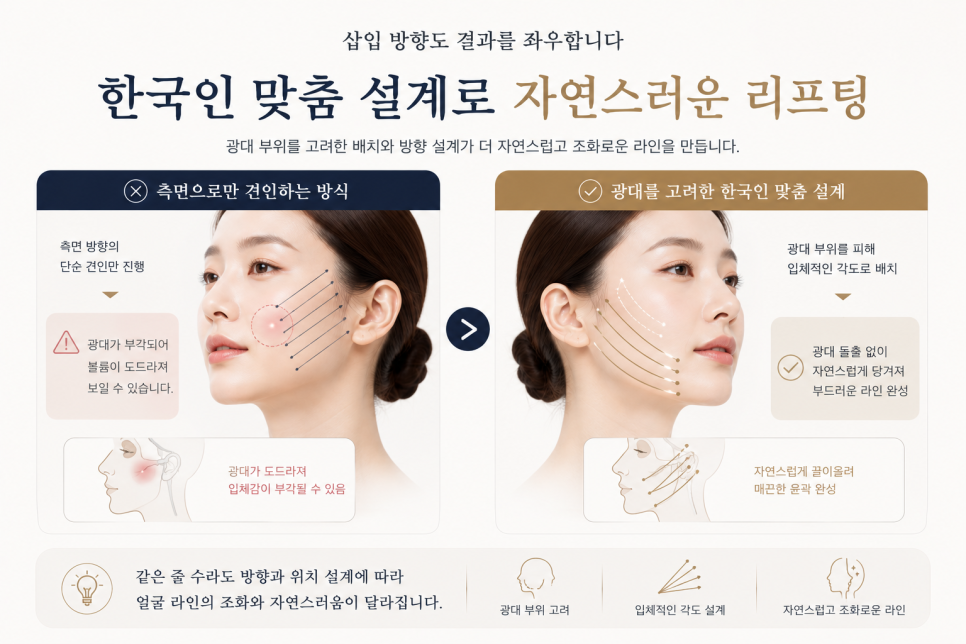
The insertion direction is also an essential factor.
If the skin is pulled only laterally, following a Western-style approach,
the cheekbones may appear more prominent.
Therefore, a design tailored to Korean facial features,
which intentionally avoids the cheekbone area,
should also be incorporated.
The number of threads, the type of thread, the combination method,
and the insertion direction must all work together
before the results can come close to what you want.
Rather than relying on an arbitrary number,
planning that suits your individual facial characteristics must come first.
It is also Globey’s principle to transparently explain in advance
the possibility of side effects and precautions after the procedure.
Before experiencing trial and error due to inaccurate information,
we recommend consulting with us first to find out
what changes can realistically be expected for your individual circumstances.
| Globey Plastic Surgery Clinic |
|---|
| Thank you for reading this long post. When making an appointment or consultation inquiry, just briefly say, “I’m contacting you after seeing your blog.” We will be delighted to assist you with even greater care and attention to detail! |
< Recommended Reading >
Globey Plastic Surgery Clinic
is located one minute on foot from Exit 4 of Apgujeong Station on Subway Line 3,
on the 5th and 6th floors of the EGI Building,
843 Nonhyeon-ro, Gangnam-gu, Seoul.
Consultation appointments are available on both weekdays and weekends.
All consultations are conducted privately on a one-to-one basis.
For detailed inquiries and appointments, please leave a message through the channel below.



How Many Thread-Lifting Threads?