Revision Rhinoplasty Timing
Why You Should Wait at Least 6 Months
Hello,
This is 글로비성형외과의원.

Revision Rhinoplasty Timing
| A clinic that follows the principles of plastic surgery, 글로비성형외과의원 |
|---|
| Following the basics is the most important aspect of plastic surgery. Procedures should be designed with the client’s entire lifetime in mind. Both the process and the results must be safe. Globie always puts its clients first. |
| Consultation is an important step that leads to surgery. To help you be satisfied with your surgical results, we promise personalized consultations with medical professionals who have extensive clinical experience. |
| Postoperative care can also be considered an extension of the surgery. We provide customized care programs to support our patients’ speedy recovery. |
Many people who are considering the timing of revision rhinoplasty
have one question they ask most often.
Can’t I just have the revision surgery right away?
I can’t bear living with this appearance any longer.
I fully understand how you feel.
When the results after surgery differ from what you expected,
it is natural for each day to feel unbearably long.
Even so, waiting six months often makes a significant difference
in the success or failure of revision surgery.
In this article, I will explain in detail
why the timing of revision rhinoplasty is generally considered
to be at least six months after the initial surgery,
along with the medical basis for this guideline.
Before making a decision, please take a moment to confirm
that waiting can change the outcome of revision surgery—
and that this is not simply words of comfort.
“Why six months in particular?
Isn’t three months enough?”
Revision Rhinoplasty Timing
This is a question we hear very often in the consultation room.
And behind this question,
there is almost always the same feeling:
“It is too difficult to keep going with this appearance.”
I fully understand that emotion.
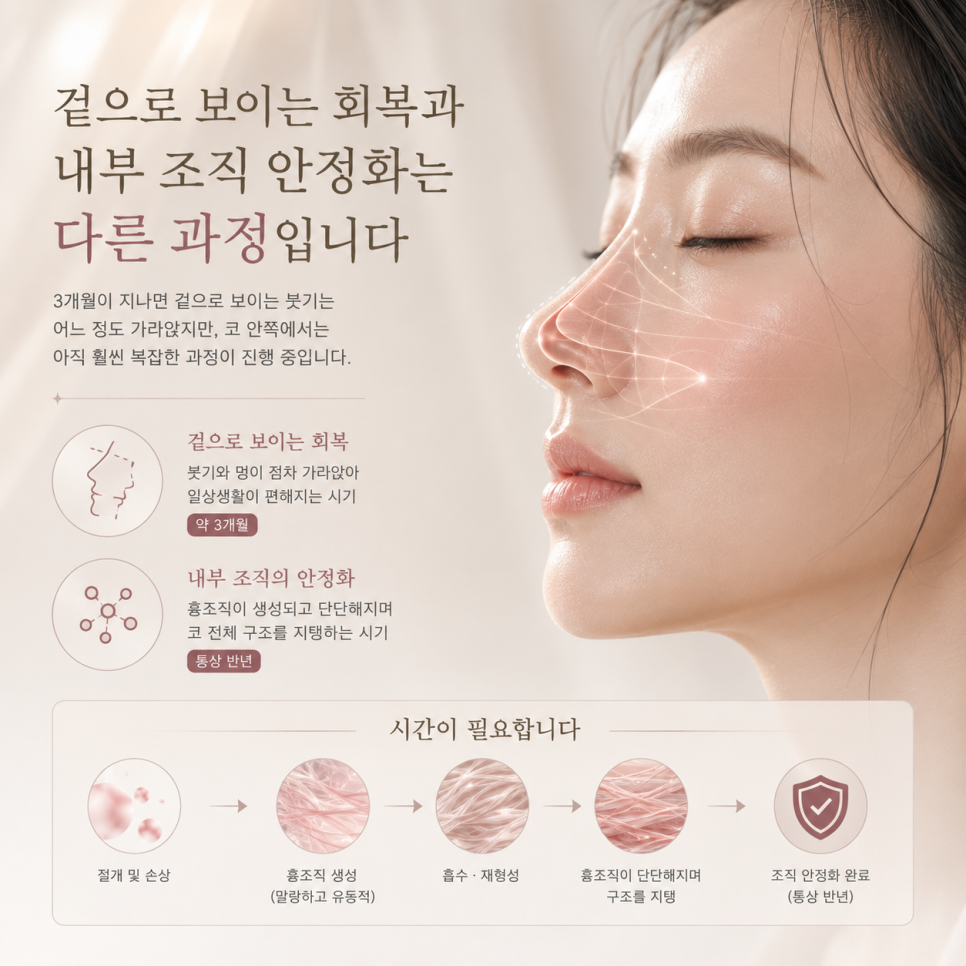
However, three months and six months
are medically very different points in time.
After three months, the swelling visible on the outside
will have subsided to some extent, but inside the nose,
much more complex processes are still underway.
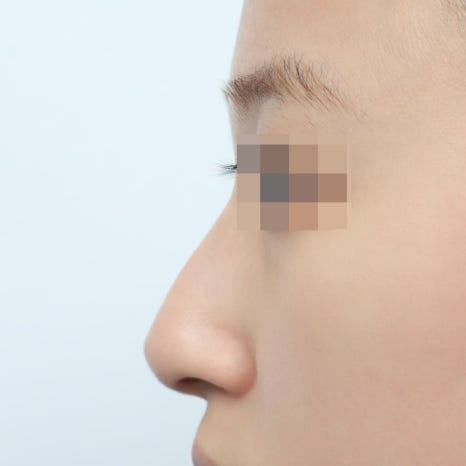
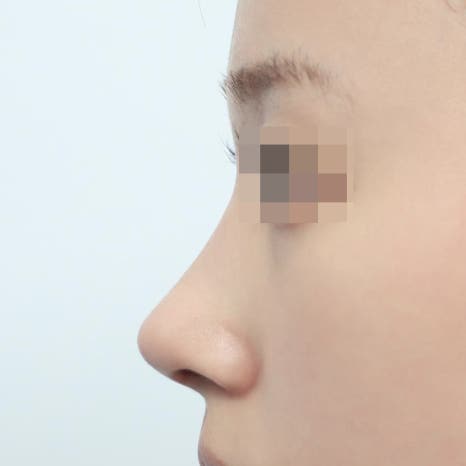
After surgery, the body automatically creates scar tissue
to fill in the incised areas.
At first, it is soft and flexible,
but as time passes, it gradually becomes firmer
and comes to support the overall structure of the nose.
It generally takes six months for this stabilization process
to be fully completed.
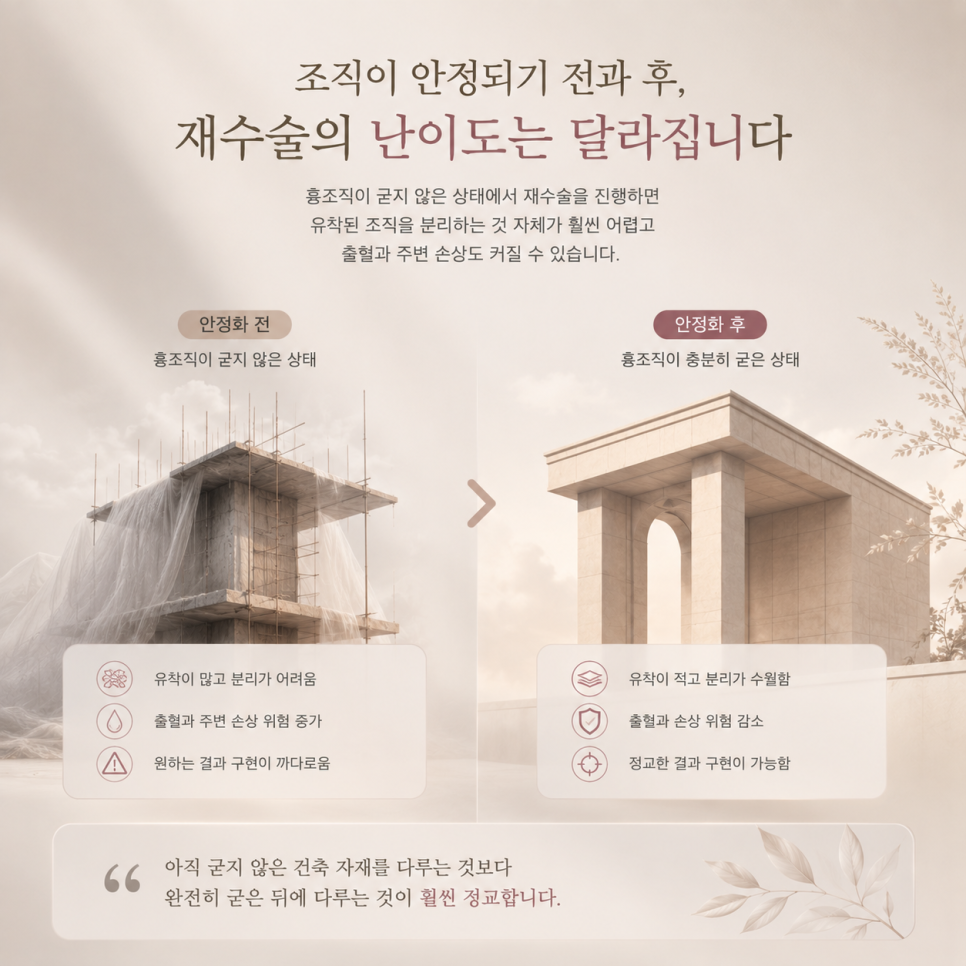
If revision surgery is performed before the scar tissue has hardened,
separating the adhered tissue itself becomes much more difficult,
which can also increase bleeding and damage to surrounding areas.
It is far more precise to work with construction materials
after they have completely hardened
than to work with materials that have not yet set.
When reviewing revision cases in clinical practice,
we often see that this difference directly affects the results.
And there is one more point
that many people overlook.

Only after the tissue has settled and the swelling has completely subsided
does the nose’s true appearance become clear.
There are quite a few cases in which people who wanted revision surgery
at three months because their nose “looked too low”
later achieved results they were sufficiently satisfied with.
Please remember before making a decision
that what you see now may not be the final result.
“Then can I have the surgery as soon as six months have passed?”
Revision Rhinoplasty Timing
The number six months may feel like a signal that
“everything will be resolved once that time arrives.”
However, this period is a minimum guideline,
not a starting signal that applies equally to everyone.
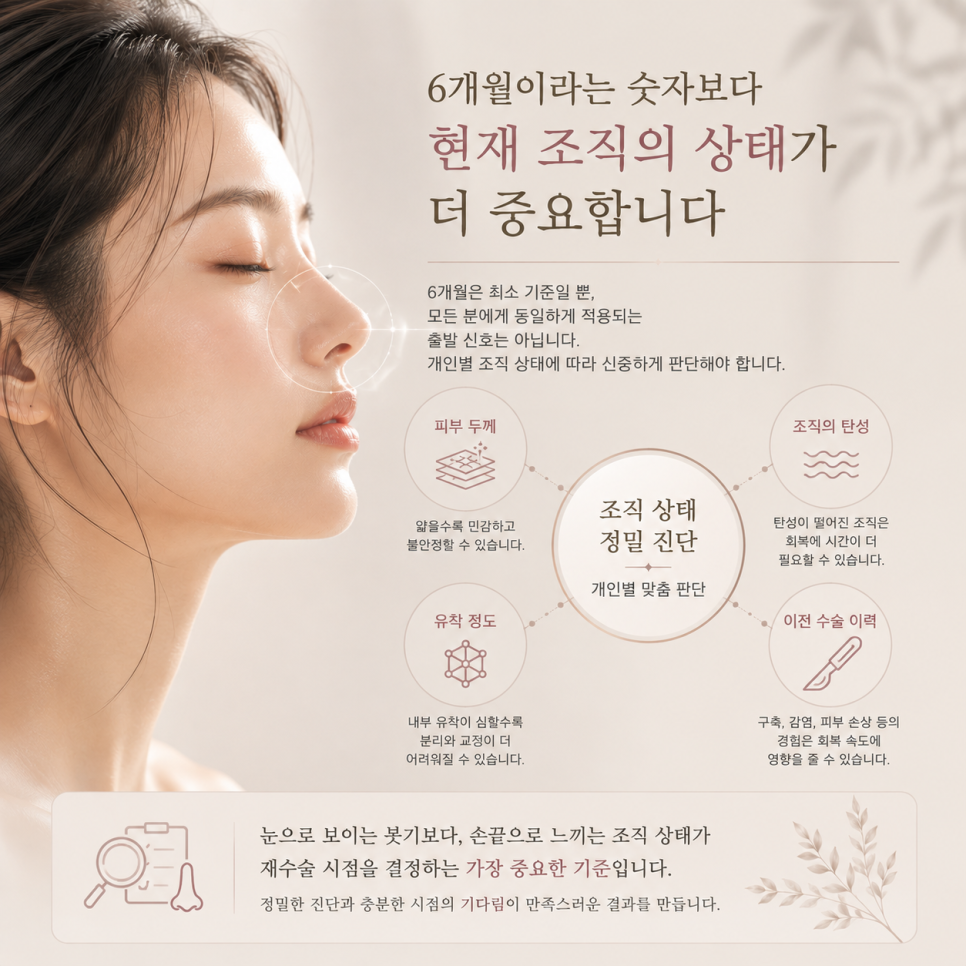
In cases of severe contracture,
when there was an infection during the previous surgery,
or when the tissue condition is unstable because the skin is thin,
the inside may still not be ready even after that period has passed.
This is why, during a consultation, we directly press the skin around the nasal tip
and use our hands to assess the elasticity of the tissue
and the degree of adhesion.
Even when the swelling appears to have completely subsided from the outside,
we encounter cases more often than expected
where the internal tissue still reacts sensitively.
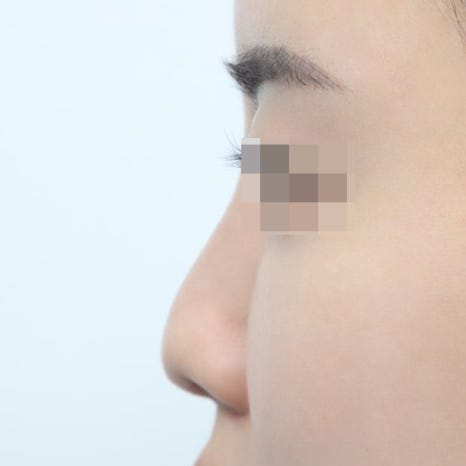
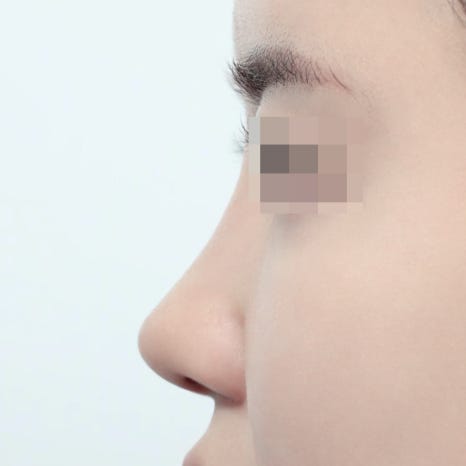
One case particularly stands out in my memory.
A patient visited us five months after surgery
and asked us to perform revision surgery immediately
because their current condition was so difficult to bear.
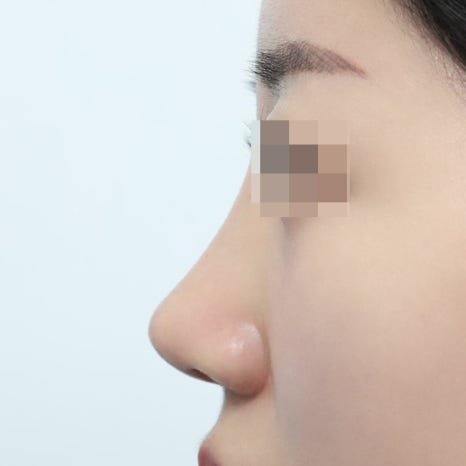
When we examined the area around the nasal tip,
we found that the scar tissue had not yet hardened
and that the adhesions beneath the skin
had not been completely resolved.
We honestly explained that they needed to wait
just one more month to achieve the desired result.
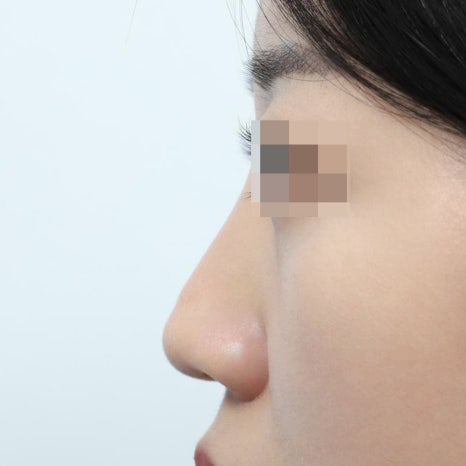
After fully explaining the reason,
we proceeded with the revision surgery once the tissue was ready.
Because the surgery was performed after the tissue had stabilized,
it was much easier to manage during the procedure,
and the recovery process was also different.
When the patient later told us, “I’m glad I waited,”
we once again confirmed that this guideline
is not merely a simple rule.
While you wait, we will also organize in advance
some practical questions you may have.
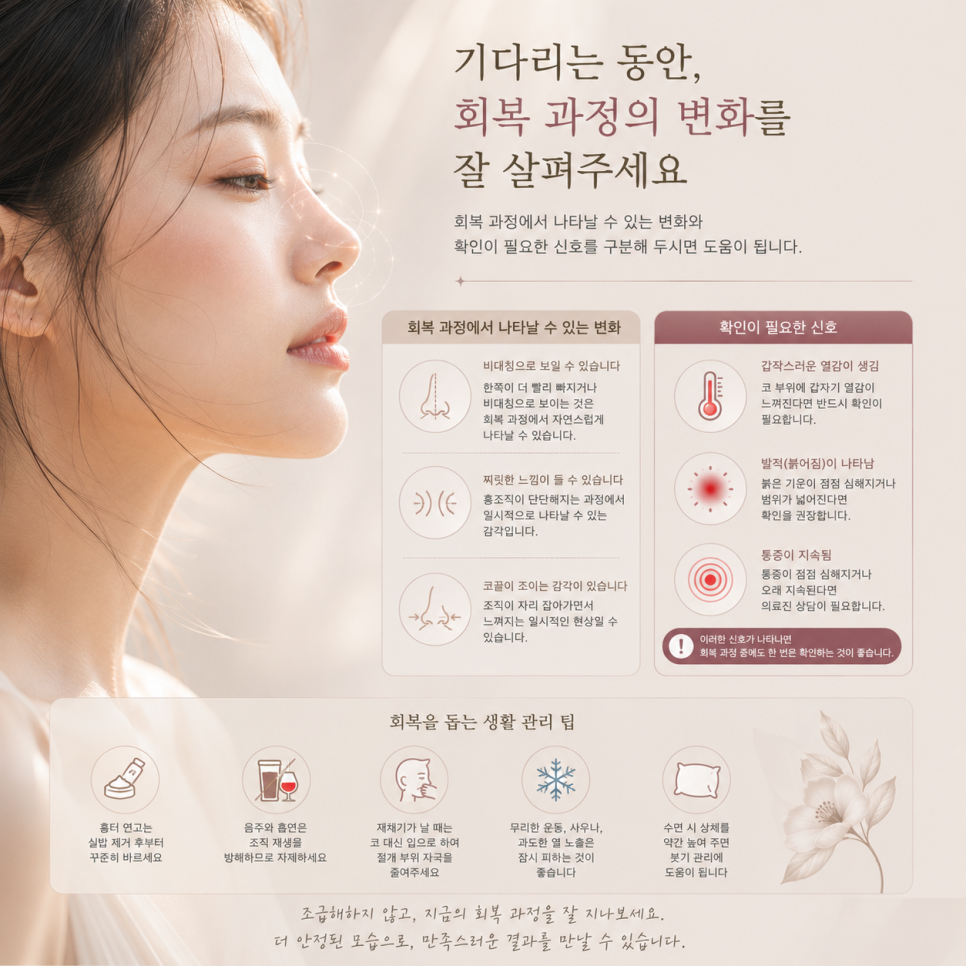
It generally takes six months for the swelling to completely subside,
and during this process, it is a normal part of recovery
for one side to lose swelling faster than the other
or for the nose to appear asymmetrical.
A tingling sensation or a feeling of tightness at the nasal tip
can also be temporary symptoms that occur
as the scar tissue becomes firmer.
It is recommended that scar ointment
be applied consistently after the stitches are removed.
Alcohol and smoking interfere with tissue regeneration,
so you should avoid them as much as possible.
When you need to sneeze, sneezing through your mouth rather than your nose
can reduce irritation to the incision area.
If sudden warmth or redness develops in the nose,
or if pain persists, it is a good idea to have it checked
at least once during the recovery process.
It is natural for the waiting period to feel long.
However, please remember that this time helps stabilize the internal tissue
and creates the conditions for revision surgery
to be performed more precisely.
At 글로비성형외과의원, it is our policy to share information honestly
about the timing of revision surgery and the possibility of complications.
Please first confirm the exact timing and direction:
whether your nose is currently ready for revision surgery,
or whether there is a reason you still need to wait.
| 글로비성형외과의원 |
|---|
| Thank you for reading this long post. When making a reservation or consultation, please just mention, “I contacted you after seeing your blog.” We will be happy to assist you with even greater care and attention! |
< Recommended reading >
글로비성형외과의원
is located one minute on foot from Exit 4 of Apgujeong Station on Subway Line 3,
at Floors 5 and 6 of the EGI Building,
843 Nonhyeon-ro, Gangnam-gu, Seoul.
Consultations can be reserved on both weekdays and weekends.
All consultations are conducted privately on a one-to-one basis.
For detailed inquiries and reservations, please leave a message through the channel below.


Revision Rhinoplasty Timing