I got bruxism Botox,
but honestly,
I’m not sure if it worked...
I hear this often in the clinic.
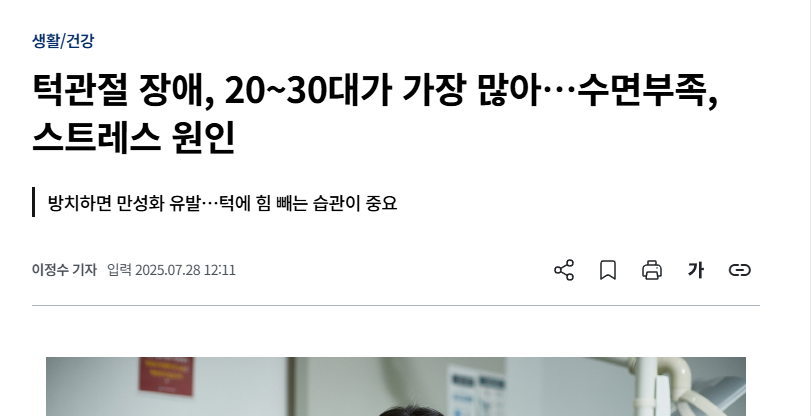
This condition is a chronic problem for modern peopleㅠㅠ
Recently, the incidence among people in their 20s and 30s has been increasing.
These days, many people get Botox at dermatology or plastic surgery clinics at a low cost.
From what I hear, quite a few people don’t really feel that they’ve “gotten better.”
If you look at the common points among people who did not see results, it’s that the Botox was limited to the jaw (masseter), or that a product with resistance issues was used.
Treatment for bruxism is not as simple as it seems. If you miss this, it becomes very difficult to feel the effects of Botox.
If you are looking into bruxism Botox, please take 3 minutes and focus until the end. I’ll explain how to improve the results^^
If you only do bruxism Botox, it is only “half” of the treatment.
Bruxism Botox
When people think of bruxism, they usually think only of the jaw muscles.
The area known for square jaw Botox is the masseter muscle. In fact, it also accounts for a large part of the force used when clenching your teeth.
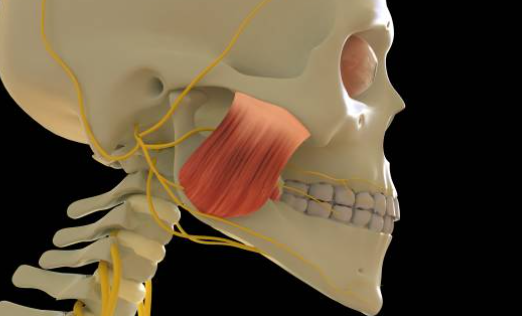
Muscles used when chewing = masseter muscle
But the problem is that when you grind your teeth, you are not only using the masseter.
The moment you clench your teeth, not only does the jaw move,
the temporalis muscle,
which is located at the temple,
also contracts.
Because this muscle is attached to the side of the head, when it becomes tense, it sends a signal as a headache first, not as jaw pain. That’s why many people say this in the clinic.
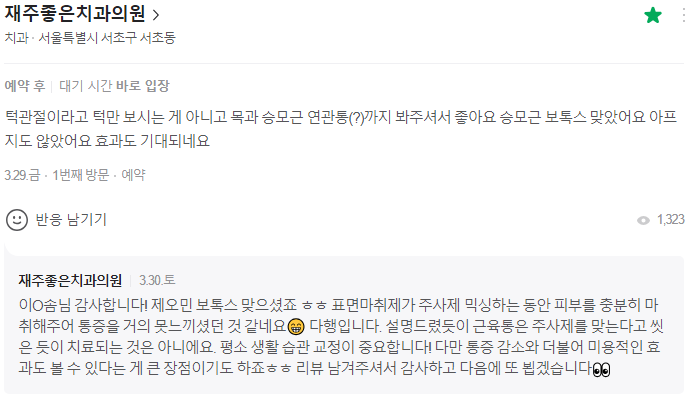
“Not only does my jaw hurt, but when I wake up in the morning, my head feels so stiff.”
“As soon as I open my eyes, my head feels heavy and throbbing.”
“It’s hard to start the day because of the headache.”
I have a habit of clenching my teeth while I sleep, so some mornings I wake up with stiffness around my temples. That’s because of the temporalis muscle.
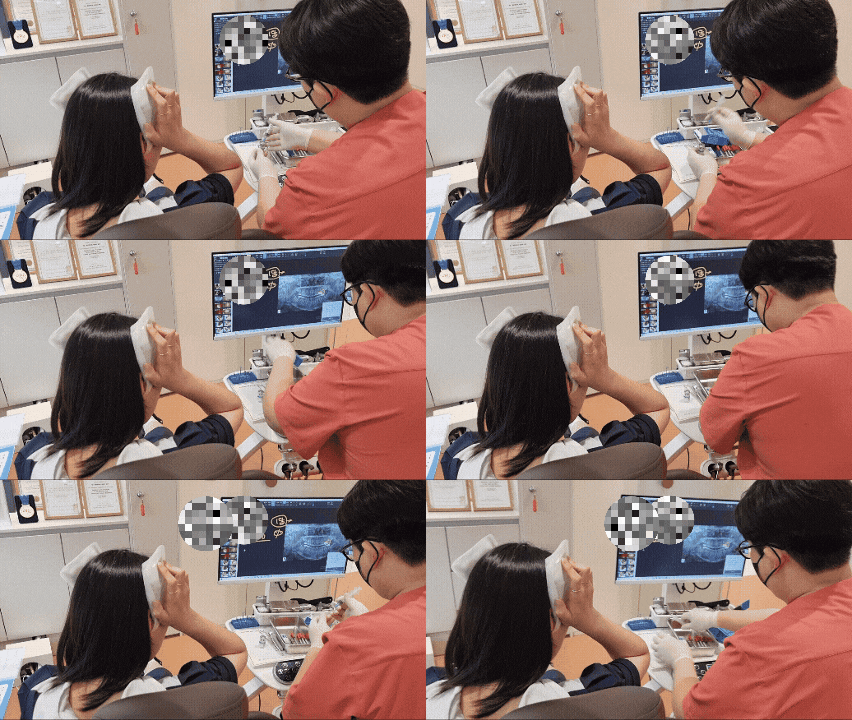
Preparing temporalis Botox
In cases like this, bruxism has already affected areas of the body beyond the jaw.
Not only the temporalis muscle, but this must also be considered.
Bruxism Botox
Among patients, there are many who visited neurology or pain medicine clinics before coming to the dental clinic.
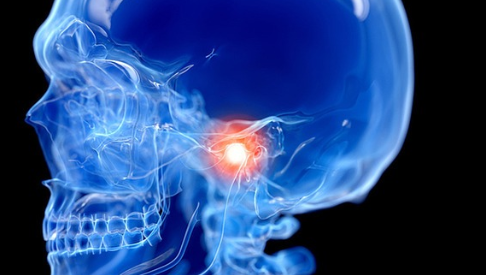
They say all the tests were normal, but they still couldn’t find the cause.
The muscles in our body are closely connected to one another, so reducing only one jaw muscle often does not fully solve the problem.
Bruxism can trigger tension not only in the temporalis muscle, but also in the sternocleidomastoid muscle (neck muscle) and the trapezius muscle.
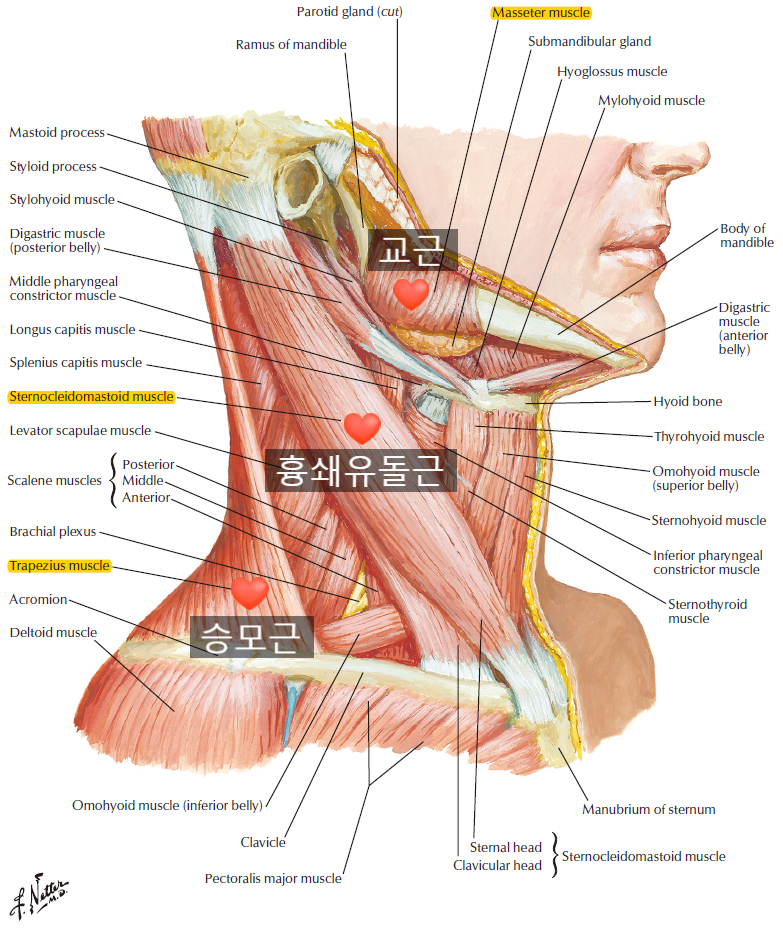
In the end, bruxism is not just a “jaw” problem, but a problem of the muscle chain that connects the “jaw–head–neck.”
Only by comprehensively diagnosing and treating the masseter, temporalis, and sternocleidomastoid muscles can you achieve a fundamental solution that addresses headaches, jaw pain, and neck stiffness all at once.
So this is the approach you need.
Bruxism Botox
Botox was originally developed not for cosmetic purposes, but as a medication to treat muscular disorders.
While treating patients with muscle spasms, it was later discovered that, as a bonus, the jaw muscles became smaller and the face looked slimmer.
You can think of it as the same kind of case as the now globally popular “Wegovy” and “Mounjaro,” which were originally developed as diabetes medications and later reborn as weight-loss drugs.
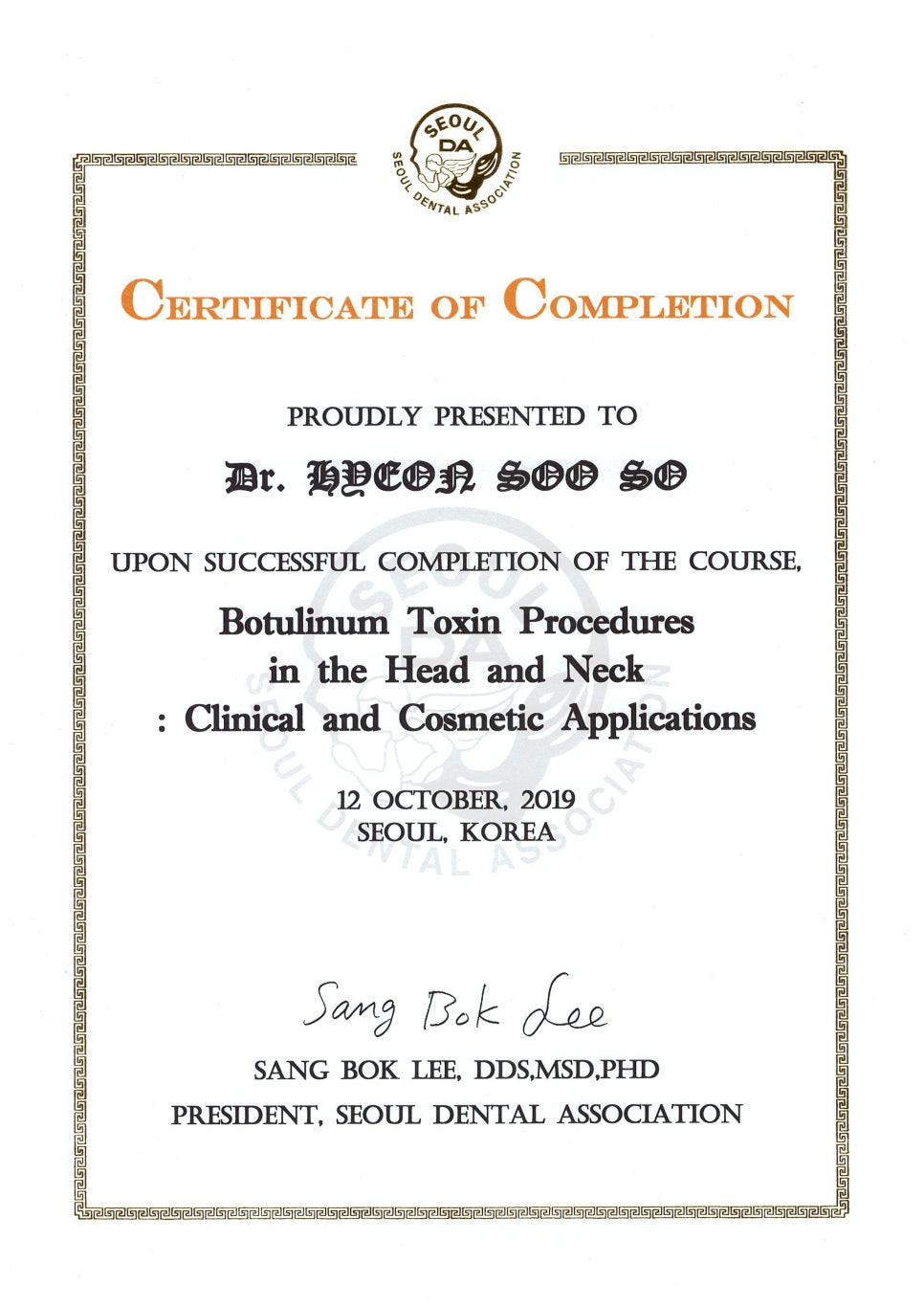
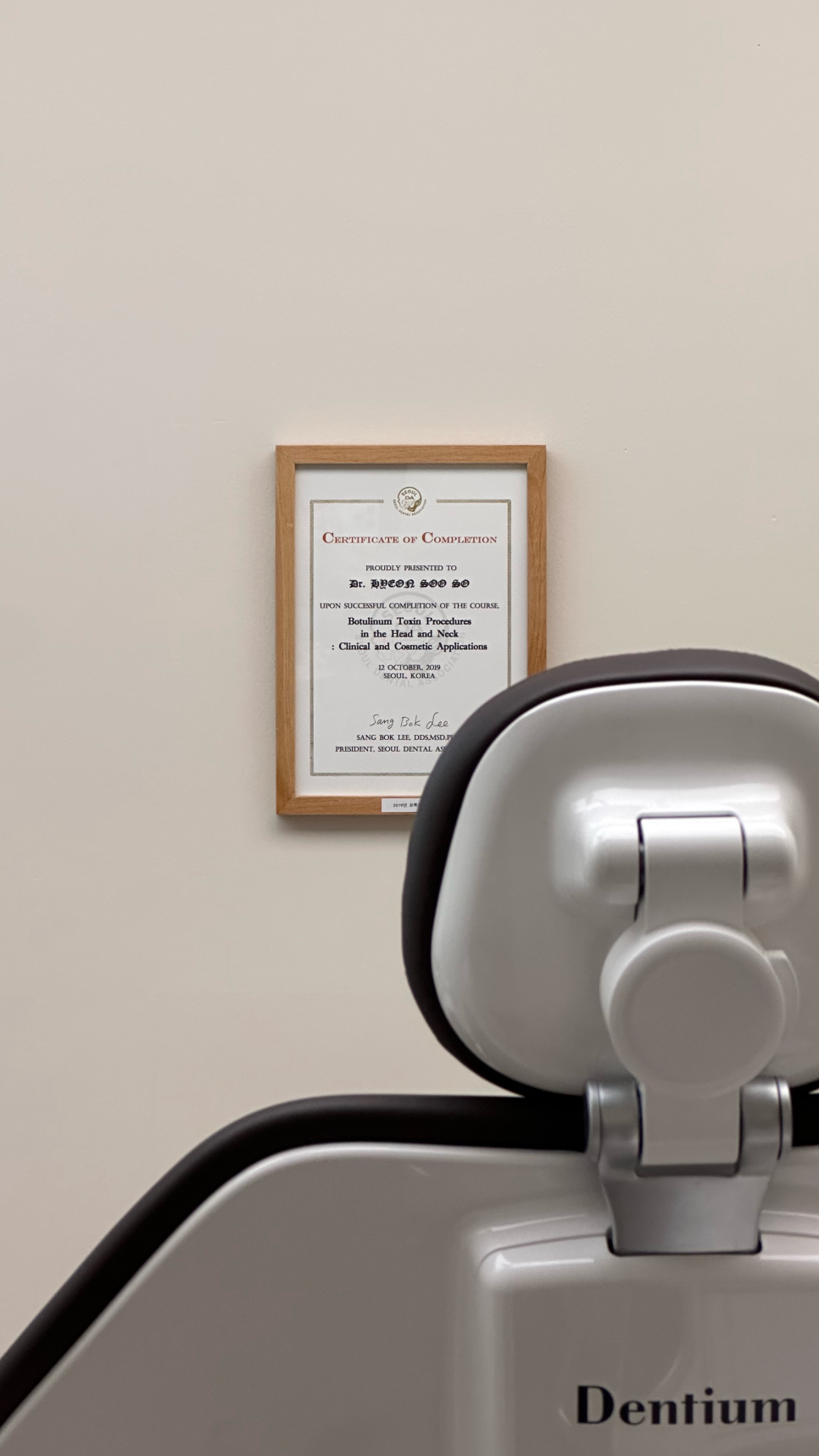
2019 Seoul Metropolitan Dental Association Botox education certificate
Since Botox is originally a “treatment,” I also approach it from a therapeutic perspective rather than looking only at the shape of the jaw.
The reason I carefully check not only the masseter (jaw muscle), but also the temporalis (temple) and trapezius (shoulder) muscles is for that reason.
Temporomandibular joint problems are often accompanied by headaches or shoulder pain of unknown cause, so treating only the jaw may not relieve the discomfort the patient feels.
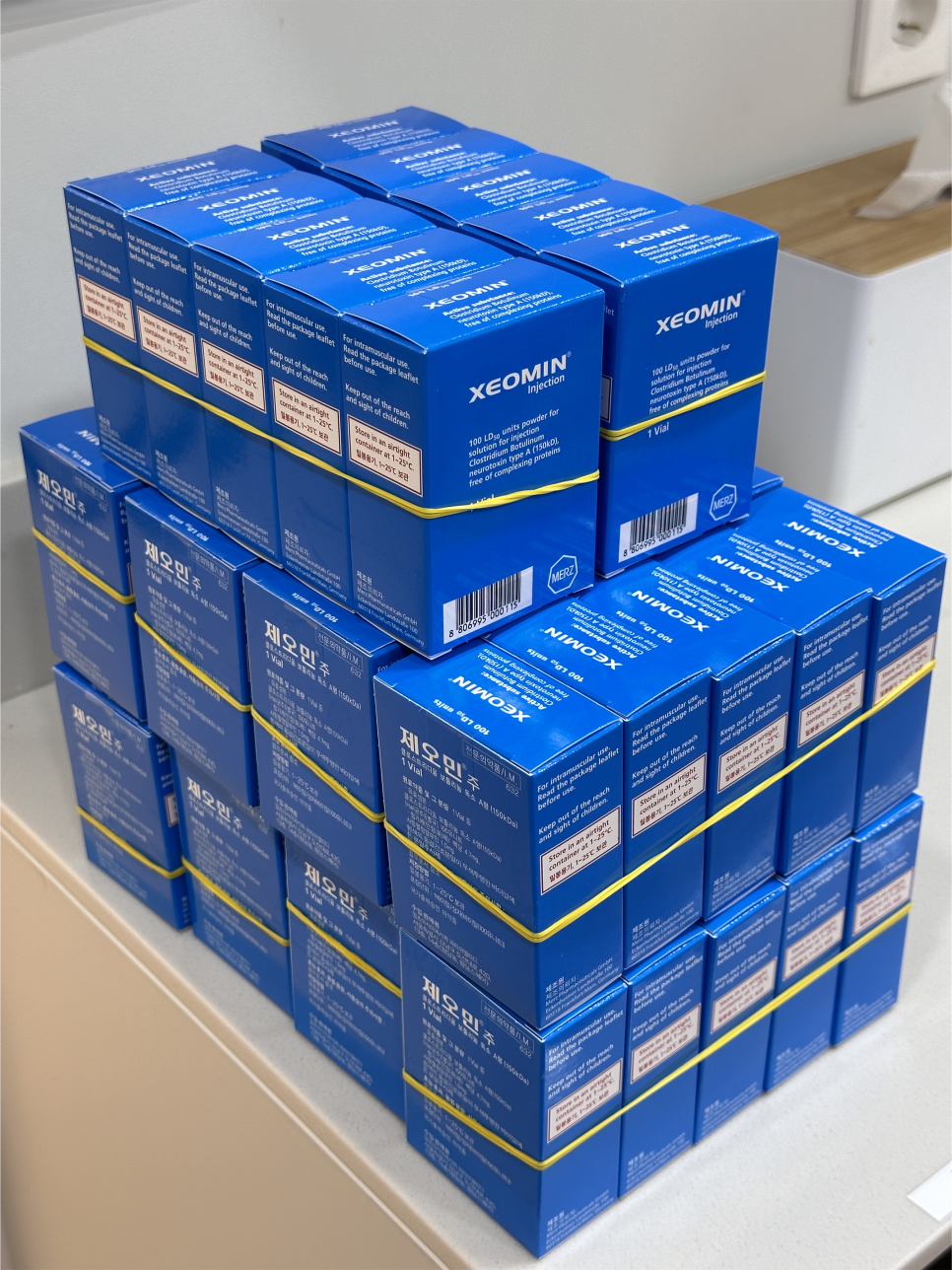
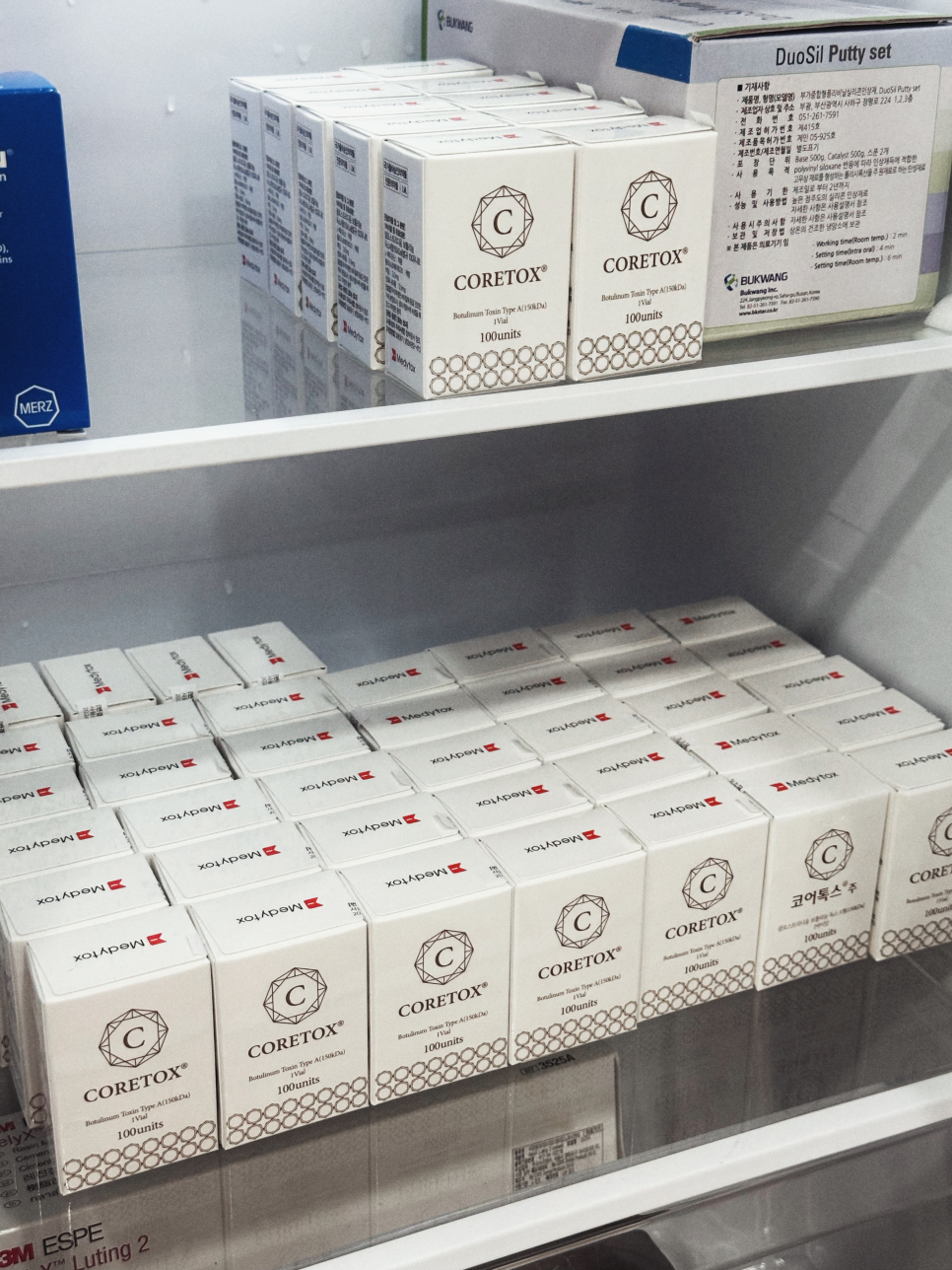
We use Xeomin and Coretox, which do not cause resistance.
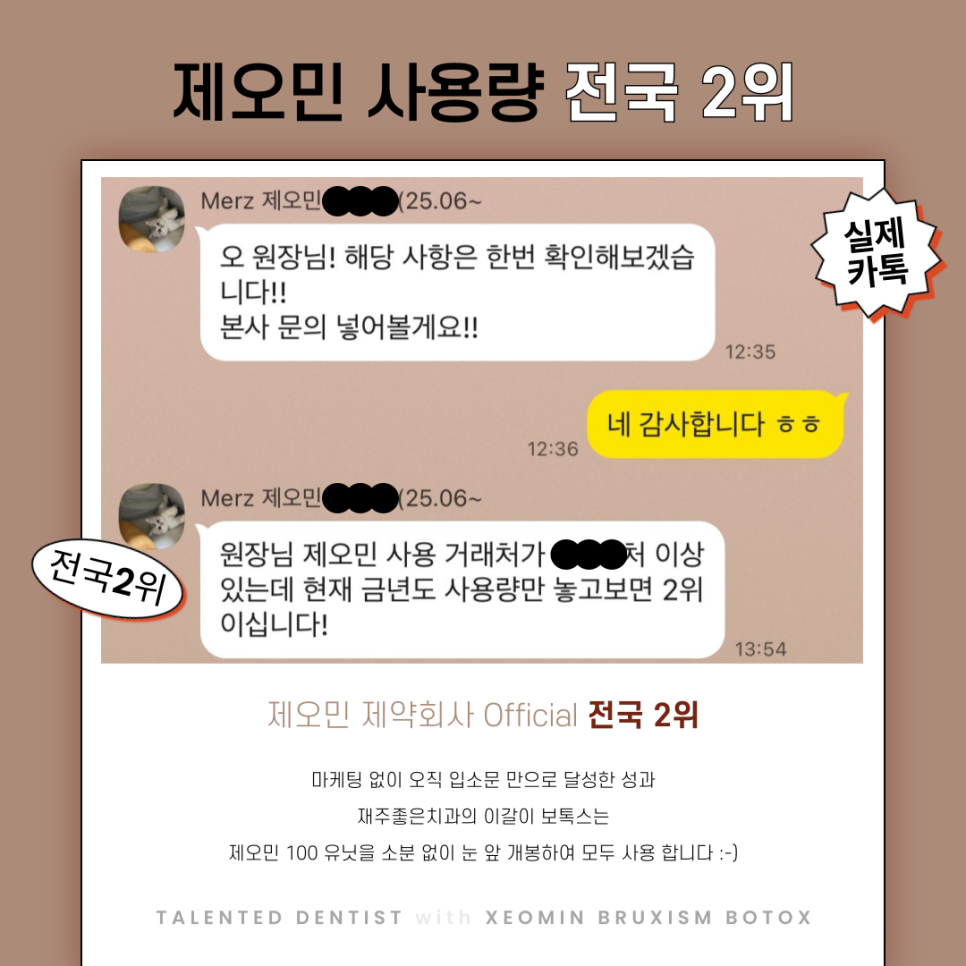
Thankfully, our usage is said to rank second nationwideㅎㅎ
Xeomin is a “pure toxin” with complex proteins removed, which can otherwise cause resistance.
What if you need repeated injections and resistance develops? Later on, you could end up in a difficult situation where no effect appears no matter how much the dose is increased.
So for long-term treatment effects, I recommend Xeomin first because it has the lowest possibility of resistance.
Among domestic products, Coretox is an excellent alternative. It is also a product designed to reduce the risk of resistance and shows sufficiently stable results in actual clinical settings.
To keep you from choosing based only on “price” and then struggling later because of resistance, I carefully review the patient’s past treatment history and needs and prescribe the most suitable product between Xeomin and Coretox.
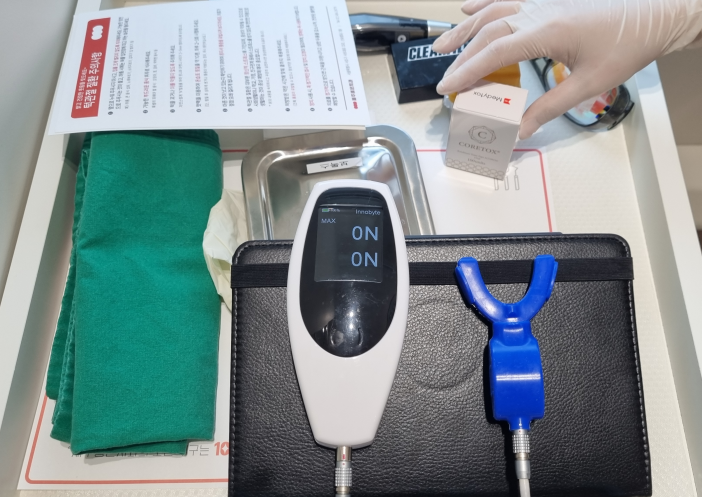
Also, before and after Botox, we measure bite force with a maximum occlusal force measuring device and show the chewing strength as objective data so the effect can be seen more intuitively.
Bruxism and headaches
are inseparable,
like thread and needle.
Not only the jaw muscles, but also the related muscles (temporalis, trapezius), the type of medication used (whether resistance is present), and a consistent management plan must all be considered together before the pain truly decreases.
Have you ever had a procedure in the past and felt that it was ineffective? I recommend checking once again whether anything was missed at that time, such as the range of muscles treated or the choice of medication. ^^
If you have similar concerns, feel free to contact us anytime ^^ This has been Dr. So Hyun-su of Jaejulgoin Dental Clinic. Thank you.
👇🏻 Quick reservation 👇🏻
👇Articles worth reading together! 👇









 Previous image
Next image
Previous image
Next image







 Previous image
Next image
Previous image
Next image







 Previous image
Next image
Previous image
Next image