What Are the Causes of Breast Capsular Contracture and How Can It Be Prevented?

Breast capsular contracture is one of the representative symptoms that many people may experience after breast surgery. It is a problem that patients who have undergone breast augmentation or breast implant surgery may experience, and it appears some time after surgery, causing changes in the shape or texture of the breast.
As such, breast capsular contracture goes beyond a simple cosmetic issue; it can cause pain, and in severe cases, surgical correction may be necessary. Today, we will take a detailed look at the causes of breast capsular contracture and the surgical methods used in response.
What Causes Capsular Contracture?
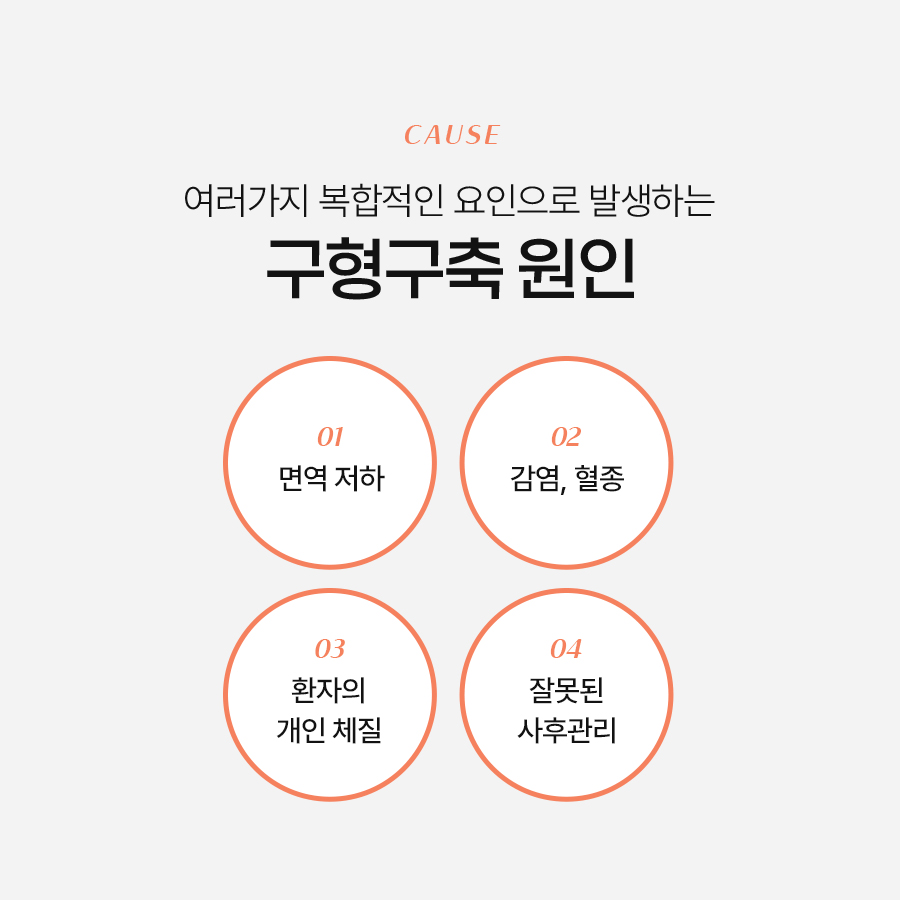
The causes of breast capsular contracture arise from a combination of several factors. There are various reasons why immunity may be lowered. In general, stress, chronic illness, nutritional deficiencies, and irregular lifestyle habits can weaken the immune system. If immunity is reduced during the early recovery period after surgery, infection or inflammatory responses may not be properly controlled, increasing the risk of capsular contracture.
In addition, infection and hematoma are two major causes that can trigger capsular contracture. If an infection occurs after surgery, the inflammatory response may become excessive and connective tissue may form abnormally. This can lead to capsular contracture. In addition, a patient’s individual constitution and improper postoperative care can also be causes, so it is important to prevent them in advance.
The Triple Plane Method That Can Help Prevent Side Effects
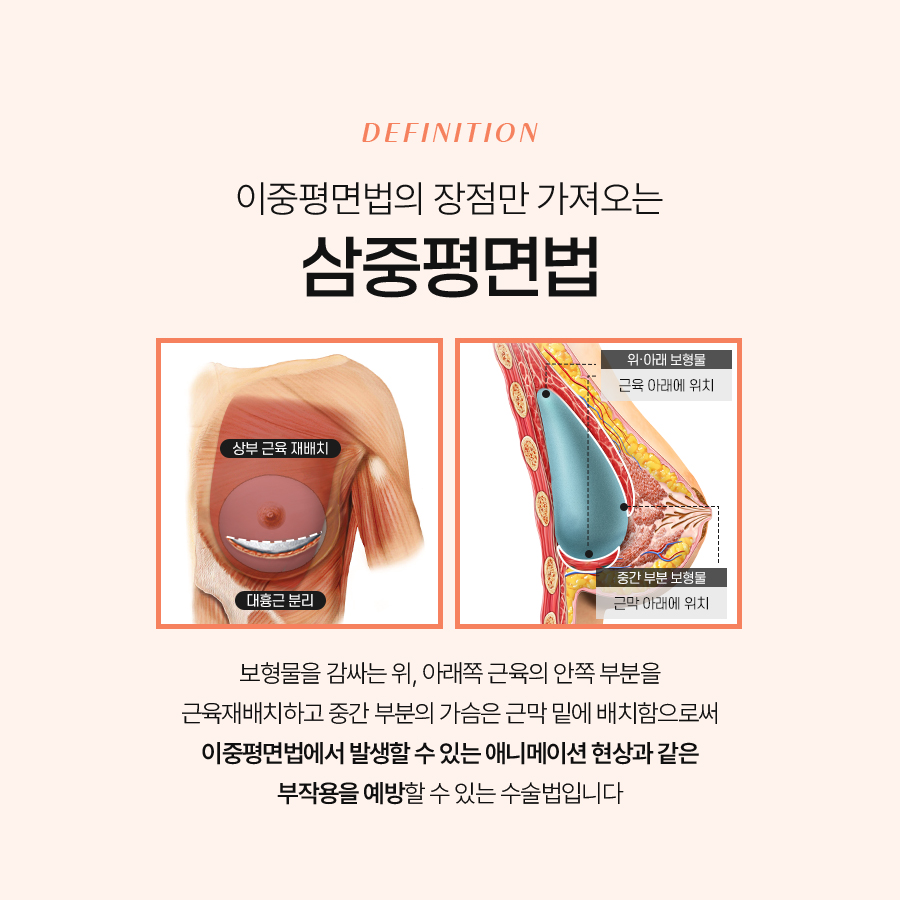
The triple plane method is a surgical technique in breast augmentation that divides the implant placement area into three planes and helps the implant settle naturally within each plane. This method especially emphasizes implant stability and a natural appearance, and can maximize the effect of breast augmentation.
What matters most in breast augmentation is allowing the implant to settle naturally. Because the shape and feel of the breast change depending on the implant’s position, placing it properly is an important factor that determines the success of the surgery. The triple plane method takes this into account by finely adjusting the implant placement to maximize natural-looking results, so if breast capsular contracture has occurred, consider the triple plane method.

If You Want a Natural Breast Shape
The triple plane method is a highly important technical approach when it comes to the causes of breast capsular contracture, and it offers many advantages. Its greatest advantage is that it can produce a natural breast shape.
Because the implant settles according to the positions of the glandular tissue and muscle, it can create a balanced shape from the upper to the lower breast. As a result, the breast does not look unnatural or artificial and can have a more natural, soft feel.
In addition, because the triple plane method is performed without extensively cutting the pectoralis major muscle, recovery time is relatively fast and pain is generally less. There is little disruption to daily life after surgery, and many people are satisfied because recovery can be quick.
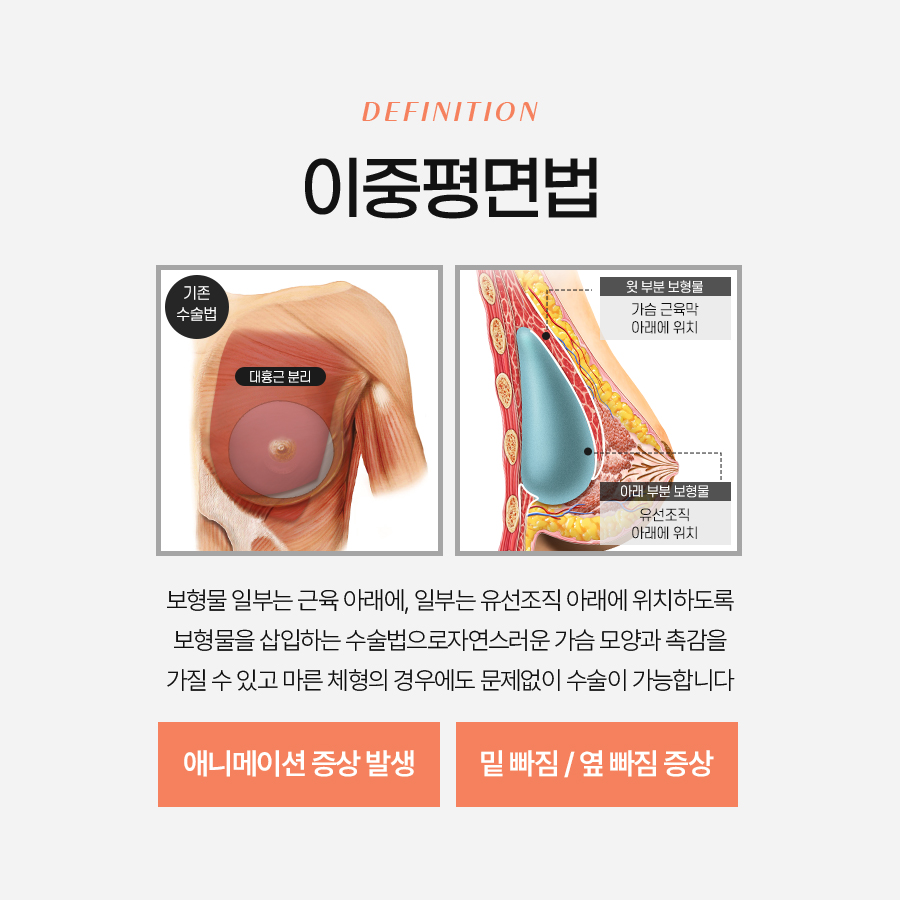
The Triple Plane Method That Supplements the Dual Plane Method
The dual plane method is one of the most commonly used methods in breast augmentation. It involves placing the implant in two planes: under the pectoralis major muscle and under the glandular tissue. The key to this method is that the implant is inserted under the pectoralis major muscle while leaving the area under the glandular tissue minimally intact to create a relatively natural shape, so surgery can be performed without problems even in thin body types.
However, with the dual plane method, there is a risk of animation deformity, bottoming out, and lateral displacement. The surgical method that can help prevent these side effects that may occur with the dual plane method is the triple plane method. Not only for the causes of breast capsular contracture, but also as a supplement to the dual plane method, it is recommended to undergo surgery safely with the triple plane method.

Breast capsular contracture is a representative symptom that can occur in people who have undergone breast augmentation, but with proper prevention and management, the risk of occurrence can be greatly reduced. Before surgery, careful implant selection and surgical technique should be considered, and postoperative care is very important.
In addition, the causes of breast capsular contracture must be accurately identified, and after surgery, appropriate follow-up measures and care must be carried out in order to prevent capsular contracture or respond quickly if it occurs.