Various types of lifting procedures, but with Density for my skin
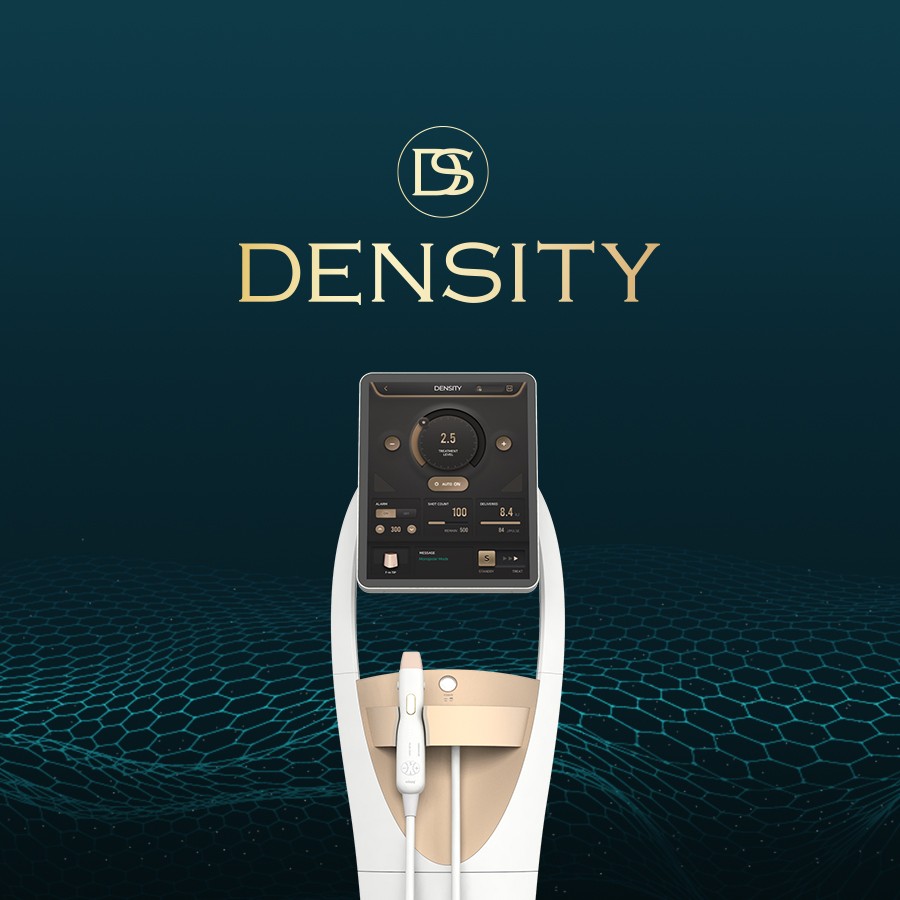
Possible without surgery? Types of lifting procedures,
Check now!
As the years go by, skin elasticity gradually decreases and the facial line naturally becomes less defined. Unlike before, a wide range of lifting procedure types has emerged to address these changes, and more people are starting to manage their appearance without feeling burdened. In particular, the 'Density radiofrequency lifting' has emerged as a representative non-surgical method and is being chosen by many people.
Unlike conventional methods that involve cutting the skin or inserting threads, lifting procedure types that use heat energy have a short recovery period and allow a quick return to daily life, making them suitable for modern lifestyles. Among them, Density radiofrequency lifting is a procedure that delivers radiofrequency energy evenly to deeper layers of the skin, so you can expect noticeable improvements in firmness and wrinkle reduction.
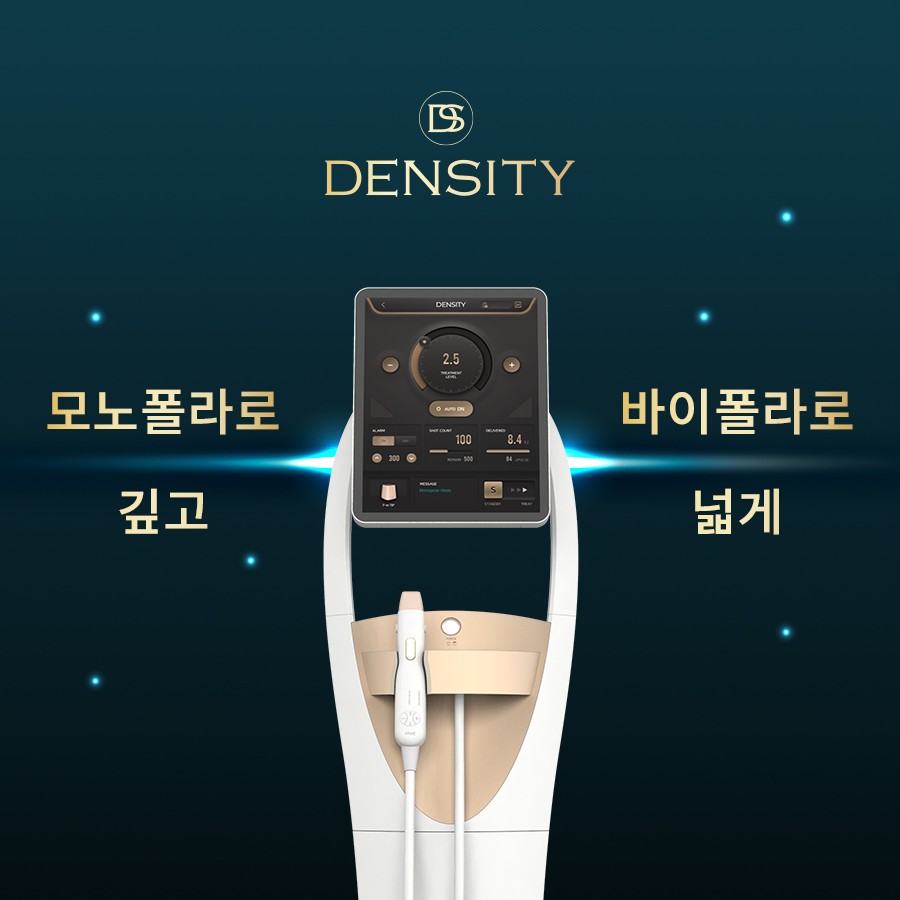
Density radiofrequency lifting — what makes it special?
There are several types of lifting procedures that use radiofrequency, but Density radiofrequency lifting is drawing attention for its unique dual method. By using both 6.78MHz monopolar and bipolar radiofrequency at the same time, it stands out for being able to stimulate both the skin’s surface and deeper layers simultaneously.
Density radiofrequency lifting is equipped with a system that checks the skin’s resistance value in real time during the procedure and adjusts the energy accordingly, which helps minimize irritation while maximizing results. It is also highly versatile as a procedure that can be used not only on the face but also on body contours.
Compare representative types of lifting procedures
When considering skin lifting, the first thing to know is, 'Which type of lifting procedure is right for my skin?' In addition to radiofrequency methods, there are countless options such as laser lifting, ultrasound-based methods, and thread lifting.
Laser-based procedures focus heat on the dermis layer to improve elasticity, while thread lifting involves inserting dissolvable threads into the skin to pull up sagging areas. However, thread lifting requires recovery time and may have side effects such as bruising or swelling, so careful consideration is needed. In comparison, Density radiofrequency lifting allows a quick return to daily life after the procedure and can be expected to gradually improve elasticity through repeated sessions, which is why many people prefer it.
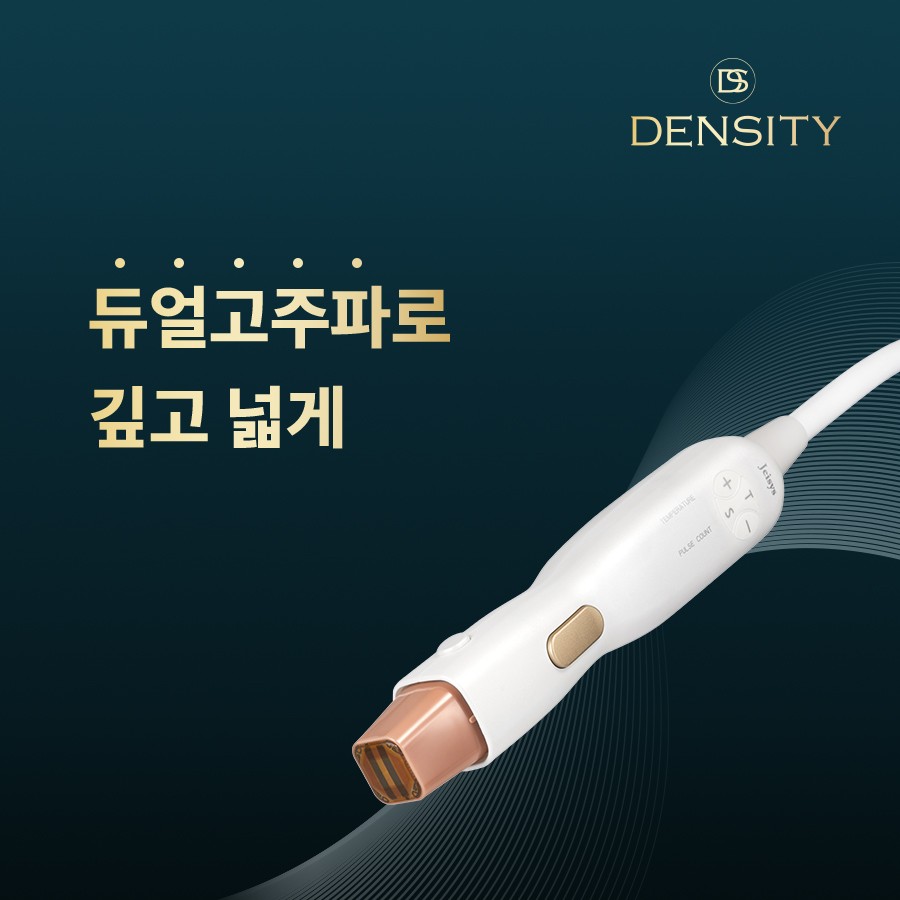
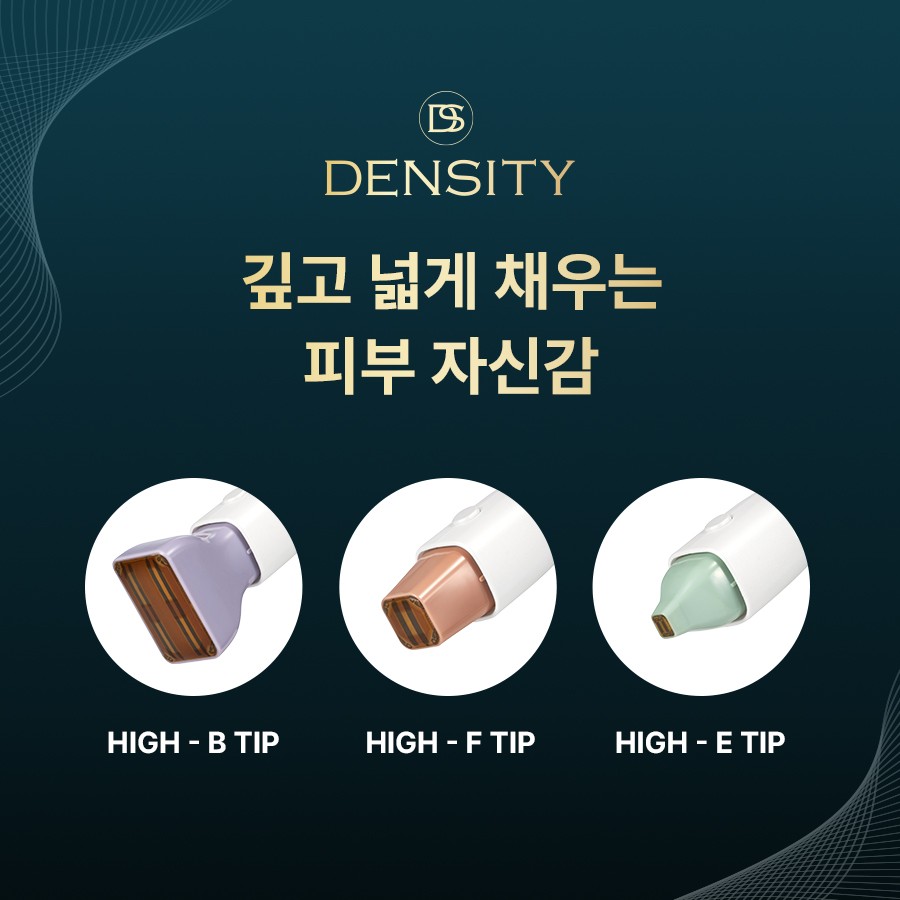
Application areas and tip configurations of Density radiofrequency lifting
Density radiofrequency lifting is equipped with various tips designed to deliver customized energy by area, allowing for detailed procedures. It can be applied to a wide range of areas, including around the eyes, cheeks, jawline, neck, abdomen, and arms, and the tips can be changed according to different skin thicknesses and concerns to help achieve effective lifting.
Among lifting procedure types, it is rare to find a treatment with such a wide variety of tip configurations. If the goal is to improve skin texture, a bipolar-centered tip is recommended; if the goal is to strengthen elasticity, a monopolar-type tip is recommended. Before the procedure, it is important to establish a Density radiofrequency lifting plan that suits you through a professional diagnosis.
How to maintain the results for longer after the procedure
Choosing the right lifting procedure type is important, but post-procedure care also has a very big impact. After Density radiofrequency lifting, you should pay attention to hydration and sun protection, and it is best to avoid excessive heat stimulation or friction on the skin.
In addition, a regular lifestyle and sufficient rest are very helpful for skin recovery. Usually, repeating Density radiofrequency lifting every 6 months to 1 year can lead to gradual cumulative effects and help maintain firm skin.
How do you find the lifting treatment that truly fits your skin?
As the variety of lifting procedure types has increased, it is more important than ever to accurately understand your skin condition and choose the appropriate method according to the purpose of the procedure. In particular, Density radiofrequency lifting is a non-invasive procedure with relatively little pain and a low possibility of side effects, so it can also be recommended for those considering lifting for the first time.
If you want to prevent signs of aging or regain a lost facial line, it may be worth trying Density radiofrequency lifting at least once. Beyond simply improving appearance, it can become an opportunity to regain confidence in your skin.
What is the right choice for me among lifting procedure types?
There are so many lifting procedure types that it can be confusing, but the starting point is thinking about what your skin needs. If you want natural changes rather than immediate effects, and if you want both safety and long-lasting results, Density radiofrequency lifting can be a good alternative.
If you want firmness that fills in from within the skin and a more refined facial contour, now is the time to turn your lifting concerns into action. Compare the various types of lifting procedures and see for yourself what kind of changes Density radiofrequency lifting can deliver.
#리프팅시술종류 #덴서티 #고주파리프팅 #리프팅 #리프팅시술 #얼굴리프팅 #고주파리프팅효과 #청담리프팅 #덴서티하이 #density