Inverted Nipple Correction Methods: A Solution That Improves Function and Appearance at the Same Time

The nipple is not simply a part of the body for outward beauty; it also plays an important physical role in functions such as breastfeeding and hygiene management. However, for some people, the nipple does not protrude normally and instead turns inward, resulting in an inverted nipple. This can cause various inconveniences, such as difficulty breastfeeding, hygiene issues, and stress about appearance.
Because it can affect not only cosmetic concerns but also functional aspects, those who want to improve this condition can regain a healthier and more confident life through a professional inverted nipple correction method.
Causes of inverted nipples and the need for improvement
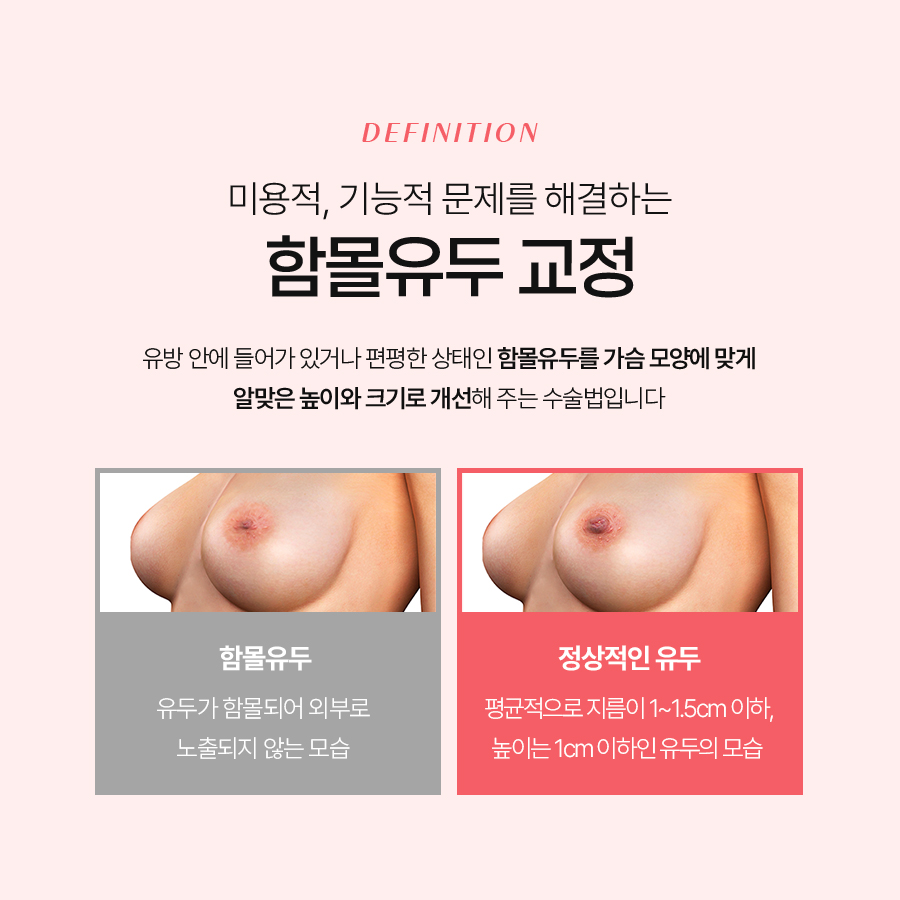
An inverted nipple refers to a condition in which the nipple does not protrude normally above the skin and instead is pulled inward; medically, it is also called a retracted nipple. This usually occurs because the ducts inside the nipple are congenitally short or because structural features of the fibrous tissue surrounding the nipple pull it inward.
In most cases, it is congenital, but in rare cases it can also develop due to acquired factors such as after childbirth and breastfeeding, repeated external stimulation or trauma, or inflammation. Although it may seem like a simple appearance-related issue, in reality it can make hygiene management difficult and increase the risk of bacterial growth and inflammation. In women, it can also lead to reduced breastfeeding function, so it may involve functional discomfort.
Therefore, rather than leaving it untreated, improving the condition early with an appropriate inverted nipple correction method tailored to the symptoms can be helpful for hygiene, health, and psychological satisfaction.
Characteristics by type of inverted nipple and criteria for correction
Inverted nipples are broadly divided into three stages according to the degree of inversion, and the inverted nipple correction method applied differs accordingly. The mildest form, mild, is a state in which the nipple easily protrudes when lightly stimulated or pulled by hand, and in general it can be sufficiently improved with non-surgical methods such as suction devices, nipple correctors, and stimulation massage.
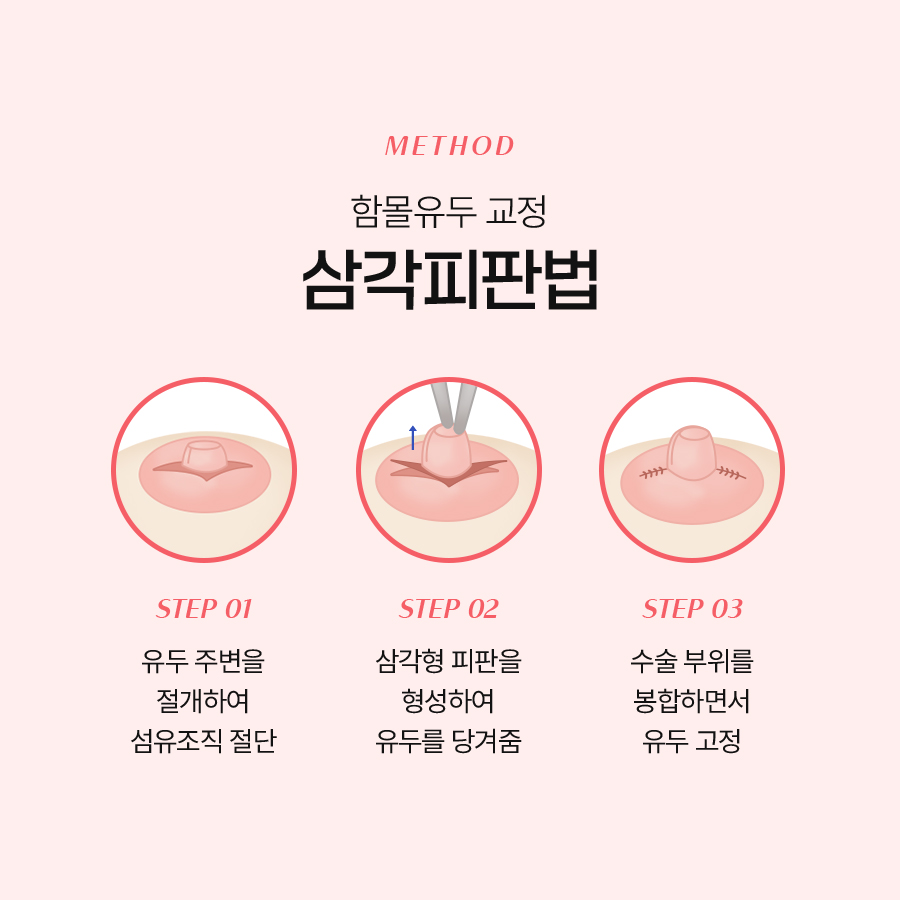
Moderate cases are those in which the nipple temporarily protrudes when stimulated but retracts again when the stimulation stops. Depending on the individual’s constitution and the condition of the nipple tissue, either non-surgical or surgical treatment may be chosen. The most severe stage, severe, is when the nipple hardly protrudes even when pulled or stimulated and remains consistently inverted, so this stage usually requires surgical correction.
As such, inverted nipples are clearly distinguished by type in terms of condition and correction approach, so it is important to receive an accurate diagnosis and choose a customized inverted nipple correction method that fits your situation.
Practical reasons why inverted nipple correction is needed
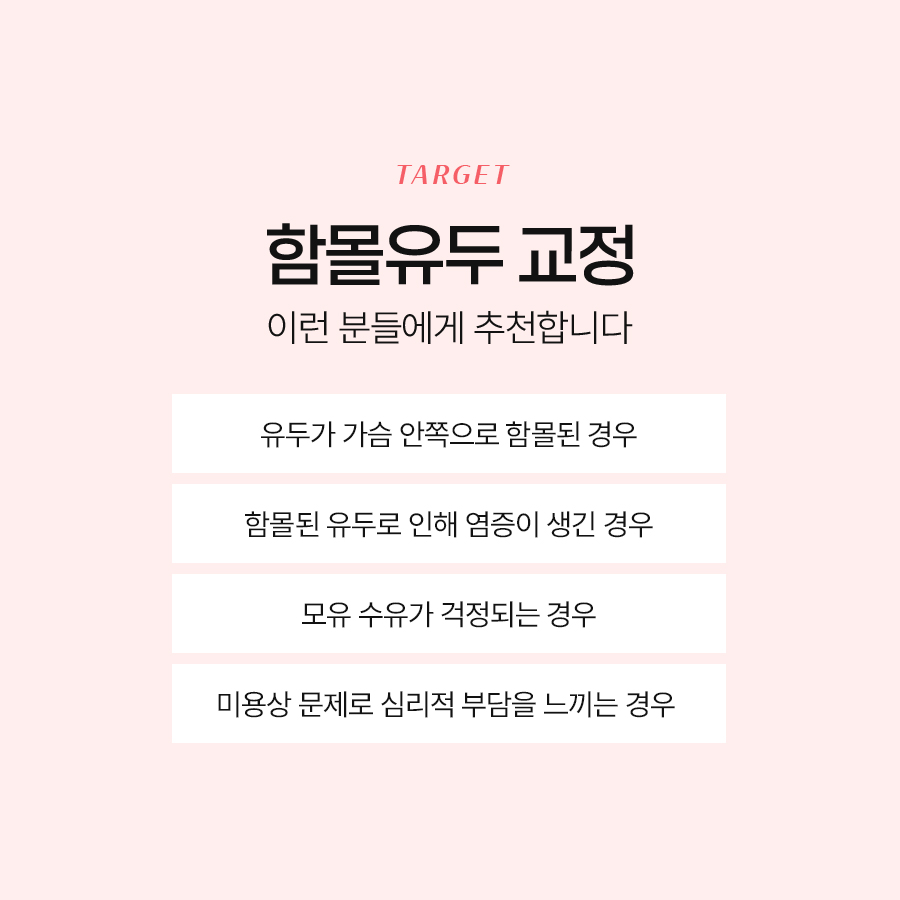
Inverted nipples go beyond a simple appearance issue and can affect various aspects of daily life, health, and emotional well-being, which is why many people consider correction. In particular, for women planning to breastfeed after childbirth, an inverted nipple can make it difficult for a baby to latch properly, making breastfeeding itself difficult. To prevent this situation and maintain or restore breastfeeding function smoothly, many mothers choose an inverted nipple correction method before or after childbirth.
From a hygiene perspective, when the nipple is inverted, sweat, sebum, and waste materials can easily accumulate inside, which may lead to bacterial growth, skin inflammation, and in severe cases, chronic nipple inflammation, so improvement is also needed from a health-management standpoint. For these various reasons, inverted nipple correction methods have become a practical choice not only for cosmetic purposes but also for restoring function and confidence.
Recovery and care after inverted nipple surgery: what should you do?
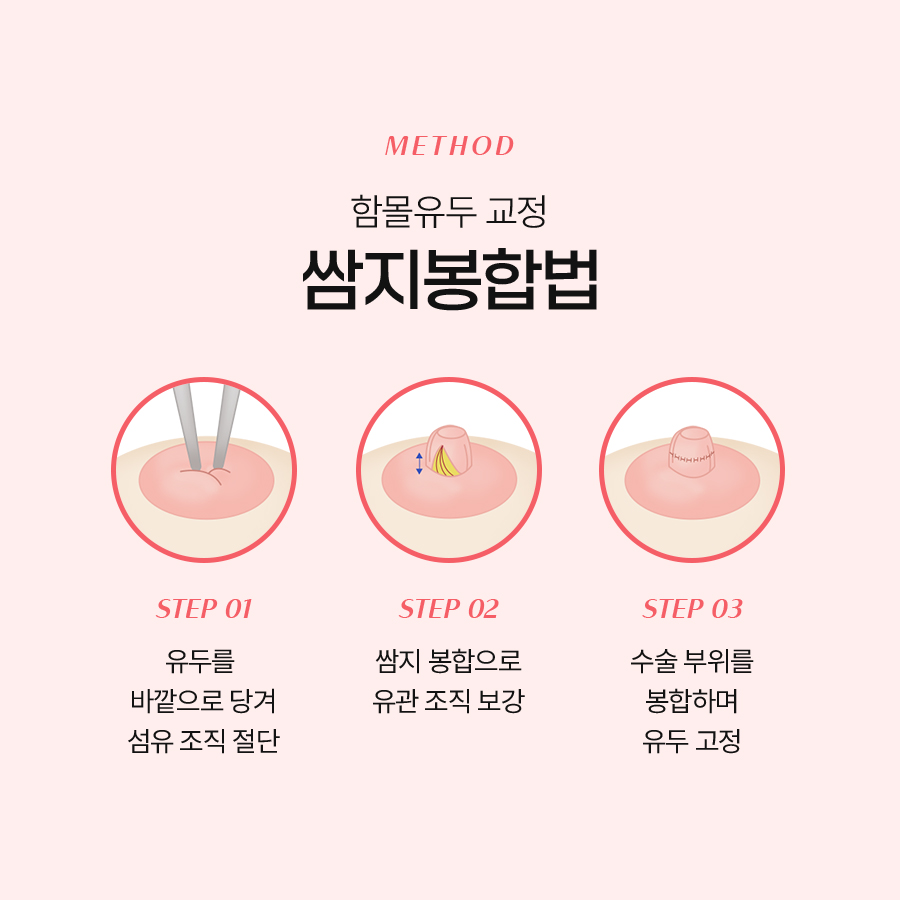
After inverted nipple surgery, a protective device or pad is worn for a certain period to protect the nipple from external stimulation and maintain a stable protruded state so that it does not invert again. Recovery speed may vary depending on the individual’s constitution, nipple condition, and surgical method. Since the incision is made along the natural border around the nipple, the scar often heals over time to the point where it is barely noticeable.
To achieve smoother and faster recovery, using scar-care creams or silicone sheets can be helpful, and consistent care is needed according to the medical team’s recommendations. Also, during the recovery period, it is advisable to avoid strenuous activities that can put excessive pressure or stimulation on the nipple, such as intense exercise, saunas, jjimjilbang, and swimming, for at least 2 to 4 weeks. In this way, careful care must continue for a period even after surgery in order to maintain the effects of the inverted nipple correction method for longer and achieve a more satisfying cosmetic result.
An inverted nipple is a problem that can affect not only outward appearance but also breastfeeding function, hygiene management, and psychological confidence. For that reason, many people consider early correction not only for cosmetic reasons but also for functional purposes, and it is important to choose an appropriate treatment approach based on your condition.
Through the inverted nipple correction methods introduced today, we hope you can choose the correction direction that suits your situation and purpose, and begin after 충분 consultation with a professional medical team without burden. Although it is correction for such a sensitive area as the nipple, relatively simple procedures and systematic aftercare can improve both function and appearance at the same time, and these small changes can ultimately lead to greater confidence and satisfaction in daily life.