Conditions for Successful Breast Revision Surgery with Capsulectomy for Capsular Contracture

Breast implant surgery is one of the procedures many people choose to restore confidence or improve appearance, but over time unexpected side effects can appear. A representative example is capsular contracture.
Capsular contracture refers to the phenomenon in which the capsule, a natural response of the body surrounding the implant, gradually becomes hard, compresses the implant, and causes pain or changes in breast shape. These symptoms are not something that can simply be tolerated and ignored; in severe cases, they can interfere with daily life and often require revision surgery.
At this point, the most effective solution is capsulectomy for capsular contracture. In this article, we will provide detailed guidance from the causes of capsular contracture to why capsulectomy is needed, the surgical method, the recovery process, and precautions.
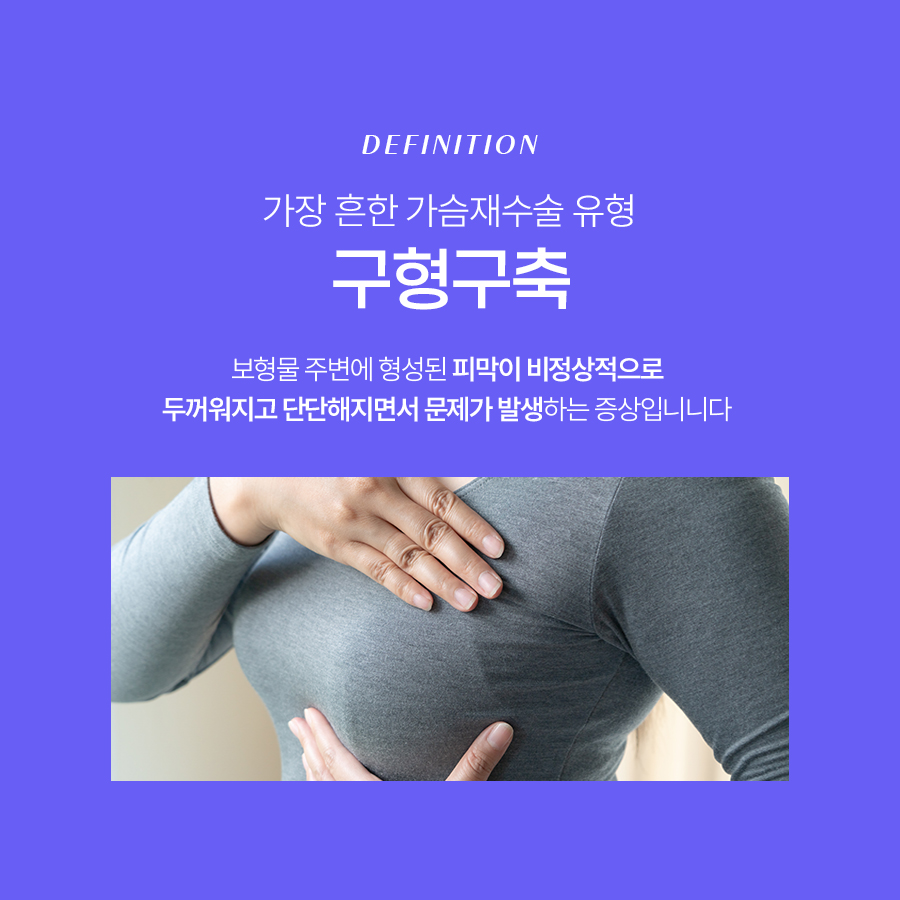
What happens when the capsule hardens? Changes that can occur after breast augmentation
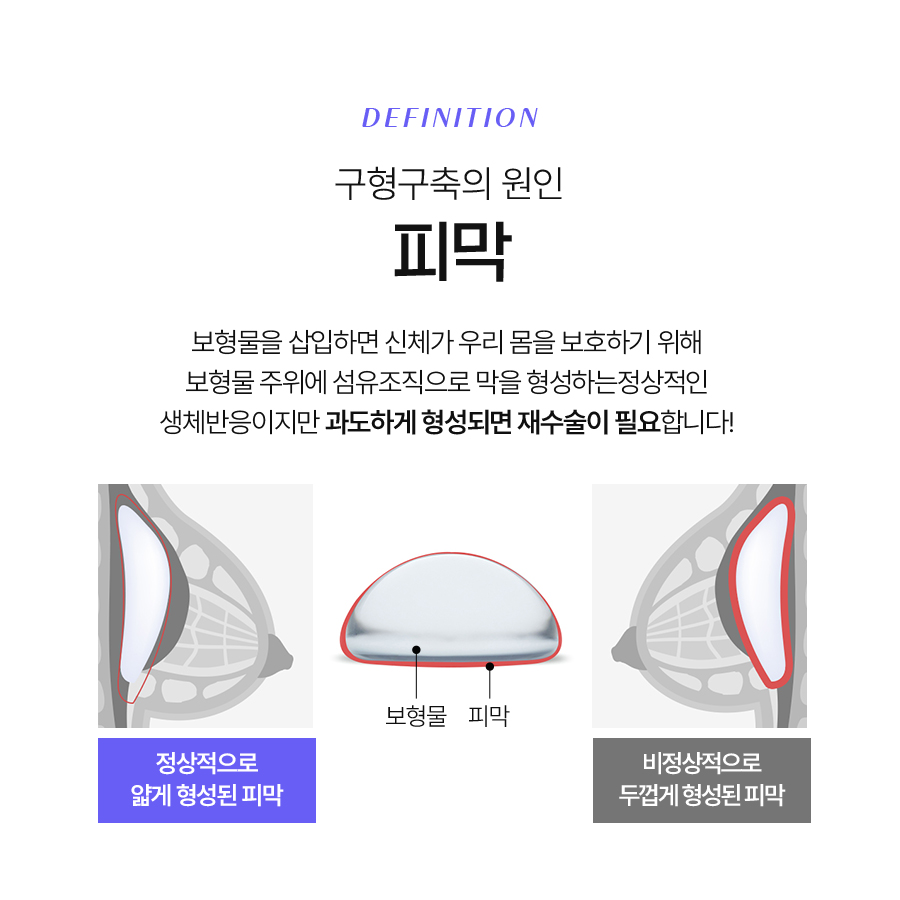
After breast augmentation surgery, the body recognizes the implant as a foreign object and naturally forms a thin tissue membrane called a capsule around it. This is a normal biological response and usually does not cause major problems, but in some cases, this capsule gradually thickens and contracts over time, compressing the implant. As a result, the breasts may become hard, painful, or deformed in shape. This is called capsular contracture.
When symptoms worsen, they can cause discomfort in daily life and even lead to cosmetic concerns, so active treatment is needed rather than simply observing the condition. In particular, the representative treatment for improving these symptoms is capsulectomy for capsular contracture, which may also be performed together with implant replacement depending on the condition.
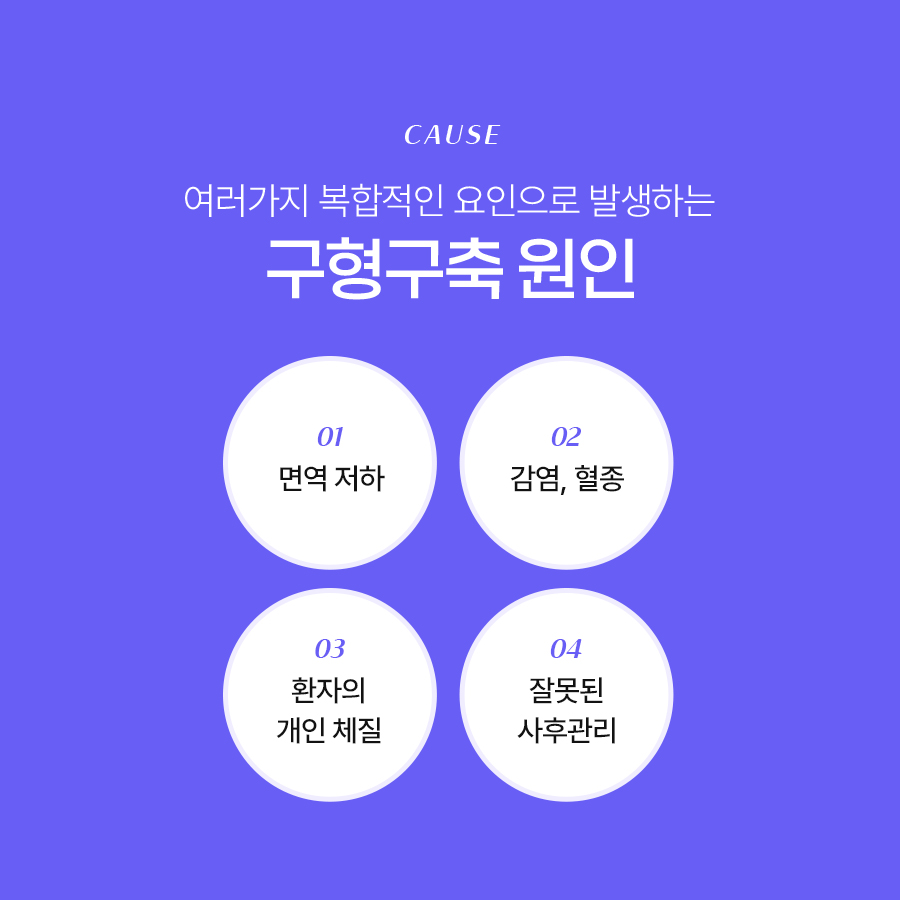
Main symptoms of capsular contracture
When capsular contracture occurs, the breasts may feel progressively firmer or lose their sense of elasticity. It may begin as simple discomfort at first, but can gradually develop into pain. In particular, as the capsule tightly compresses the implant, symptoms may appear such as the breast protruding abnormally or moving upward, which can distort the implant’s position. Asymmetry between the left and right breasts is also common.
Over time, the breasts may feel hard and appear unnaturally full or swollen. These symptoms usually do not appear immediately after surgery, but gradually emerge over several months to years, and the timing and severity vary depending on an individual’s body type, the type of implant, and the surgical method.
If you notice these changes, rather than dismissing them as simple discomfort, it is advisable to obtain an accurate diagnosis, understand the condition, and consider fundamental improvement through capsulectomy for capsular contracture if necessary.
Why should the capsule be removed?
Capsular contracture is not merely a cosmetic issue involving a change in breast shape; in severe cases, it can cause pain and discomfort significant enough to interfere with daily life. Because a feeling of tightness or pulling may persist when moving the arms, treatment is often necessary for functional improvement.
In addition, as the capsule strongly constricts the implant, visible deformities may occur, such as the implant shifting upward or the breast becoming swollen. In such cases, surgery can help restore a natural and soft breast contour.
Moreover, if capsular contracture has developed, there is also a possibility that the implant itself has been damaged. In many cases, therefore, capsulectomy for capsular contracture must be performed together with implant replacement or complete removal. This is also why a comprehensive surgical approach is needed, one that considers not only removal but also health, safety, and appearance.

Revision surgery due to capsular contracture: when is it absolutely necessary?
As mentioned above, capsular contracture that appears over time after breast augmentation is one of the representative complications caused by abnormal contraction of the capsule around the implant. This leads to pain, pressure, and changes in shape, and if the condition becomes severe, it can no longer be resolved with simple management and may require revision surgery.
In particular, as time passes, the capsule can become even thicker and the implant is more likely to shift out of position, making it difficult to maintain a natural breast contour. Therefore, once capsular contracture is diagnosed, prompt action is important. The revision surgery performed in this case is not simply implant replacement; the key is capsulectomy for capsular contracture, which removes the deformed capsule and corrects the underlying cause of the problem.
During this process, the implant may be reinserted or an alternative method such as autologous fat grafting may be chosen. Because revision surgery requires more precise judgment and technique than the initial operation, it is advisable to decide only after 충분한 consultation with an experienced medical team.
Capsular contracture that appears over time after breast implant surgery is one of the common complications that many people may experience. If the breasts become hard, the shape changes abnormally, or pain and discomfort are felt, it is important not to leave it untreated and to receive a professional diagnosis.
Even if the symptoms are mild, early intervention can reduce the extent of surgery, and even if the condition has progressed, capsulectomy for capsular contracture can improve not only functional recovery but also aesthetic aspects. Please keep in mind that this may be a necessary treatment for a healthy quality of life, beyond simple cosmetic purposes. If you notice unusual signs, do not hesitate to consult a specialist to accurately assess your current condition and find the solution that is right for you.