Understanding the Causes of Breast Sagging Is the First Step in Preventing Breast Ptosis

Breast sagging is one of the natural changes many women experience. In particular, it often progresses rapidly with age or after childbirth and breastfeeding, which can be a major concern for women. However, when asked, “Why do breasts sag?” many people simply think it is due to aging. In reality, though, breast sagging occurs as a result of multiple factors working together.
In this article, we will look more specifically at the causes of breast sagging and summarize which factors affect this condition. We will also take a detailed look at breast ptosis correction surgery.
Why does breast ptosis occur?
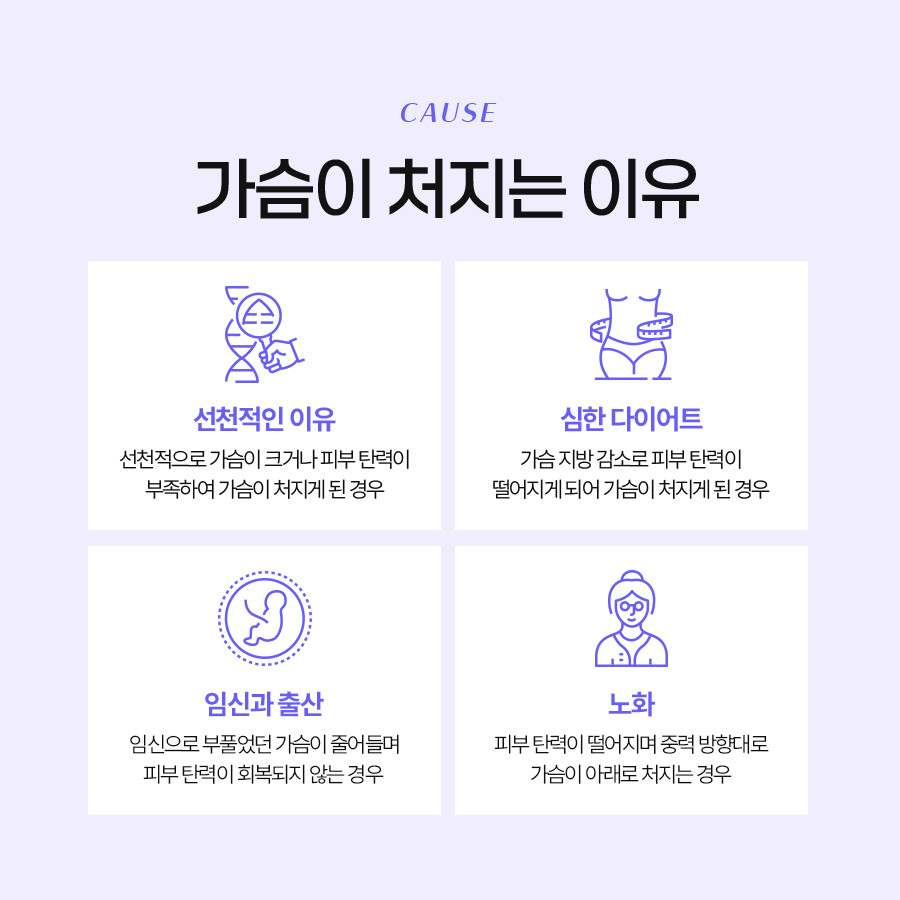
Breast sagging is not simply a matter of aging; it is a change caused by multiple breast sagging factors working together. As we age, collagen and elastin in the skin decrease, reducing elasticity. In addition, when breasts undergo rapid changes in size during pregnancy and breastfeeding, the skin stretches and it becomes difficult to regain firmness. Add to that small everyday factors such as rapid weight gain and loss, poor posture, and bra-wearing habits, along with genetic skin structure and weak ligaments, and the breasts gradually begin to sag downward.
These changes affect the position of the nipples and the breast line, which can lead to visible imbalance or personal insecurity. When the change becomes more noticeable, many people begin to consider correction in earnest. In such cases, after accurately identifying the current condition and its causes, you may consider breast ptosis correction surgery to restore a firmer and more harmonious breast silhouette.
What exactly is breast ptosis?
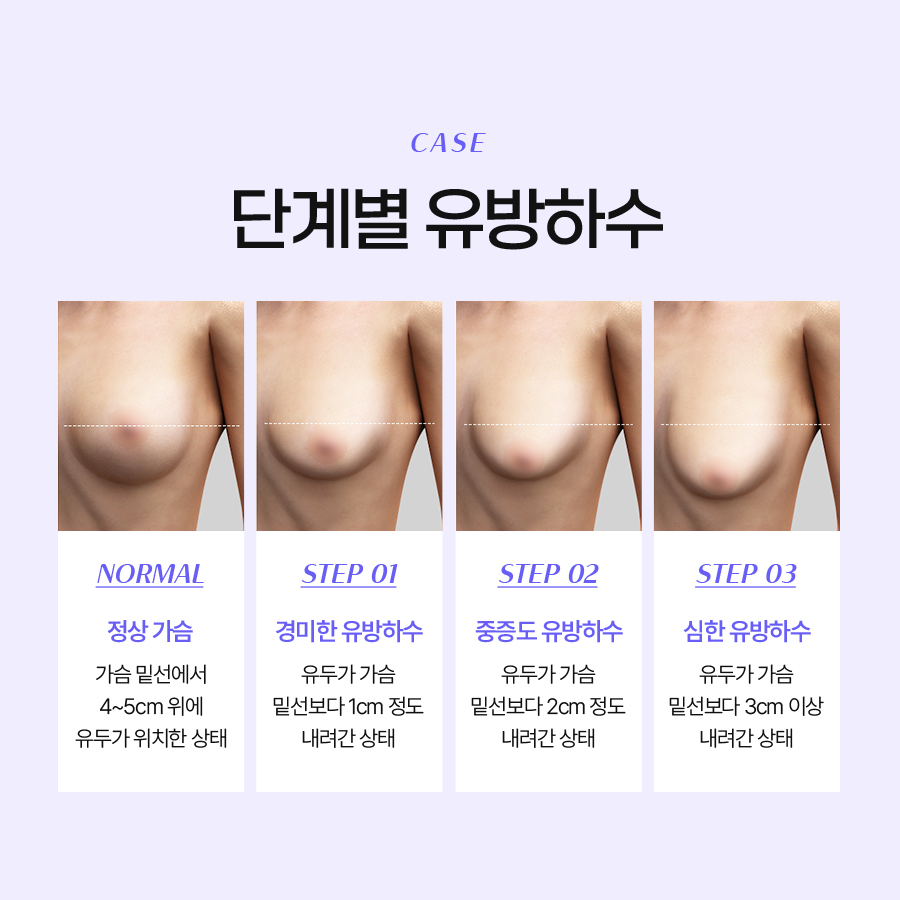
Breast ptosis literally refers to a condition in which the breasts sag downward, and it is not the same as simply losing breast volume. Even if the volume remains, breast ptosis may be diagnosed if the nipple is located below the inframammary fold.
It is usually divided into Grade 1, Grade 2, and Grade 3. Grade 1 means the nipple is at about the same level as, or slightly below, the inframammary fold. Grade 2 means the nipple has clearly dropped below the fold. Grade 3 means the nipple is located at the lowest part of the breast or even lower. The more severe the sagging, the more obvious the loss of firmness becomes, and it may be difficult to conceal even with regular underwear, leading not only to visual changes but also to discomfort in daily life.
These changes are the result of multiple breast sagging factors working together, such as aging, reduced skin elasticity, breastfeeding, and weight changes. It is important to find the improvement method that suits you through an accurate diagnosis.
When is breast ptosis correction surgery needed?
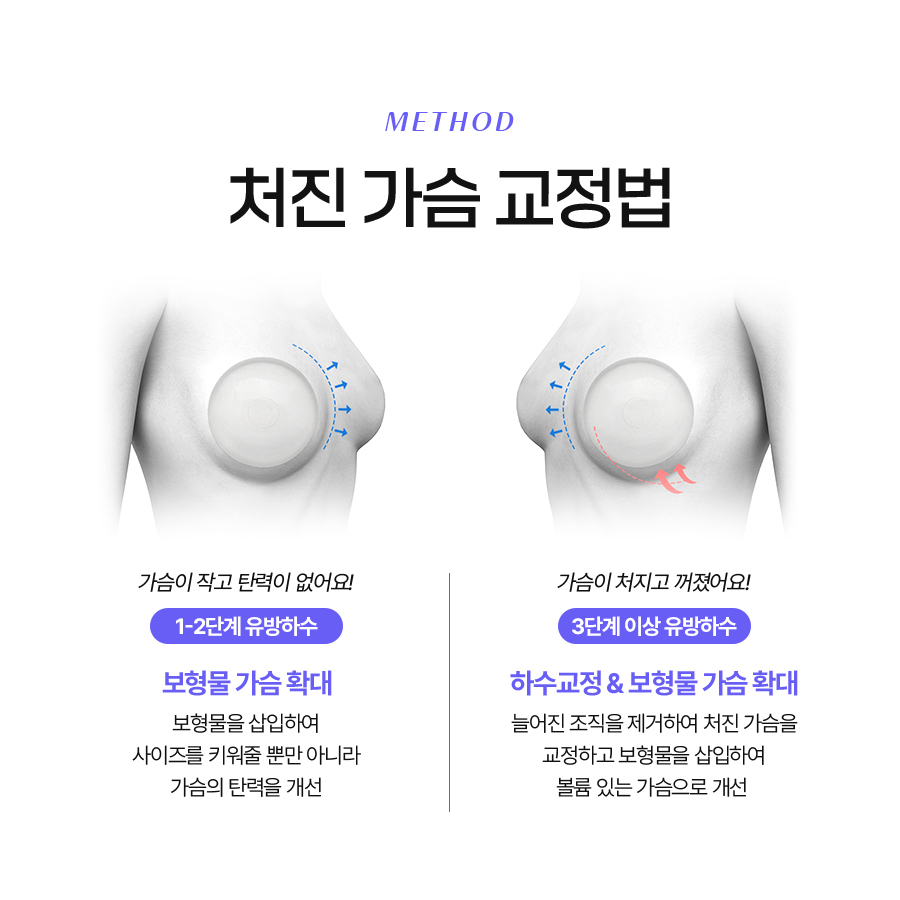
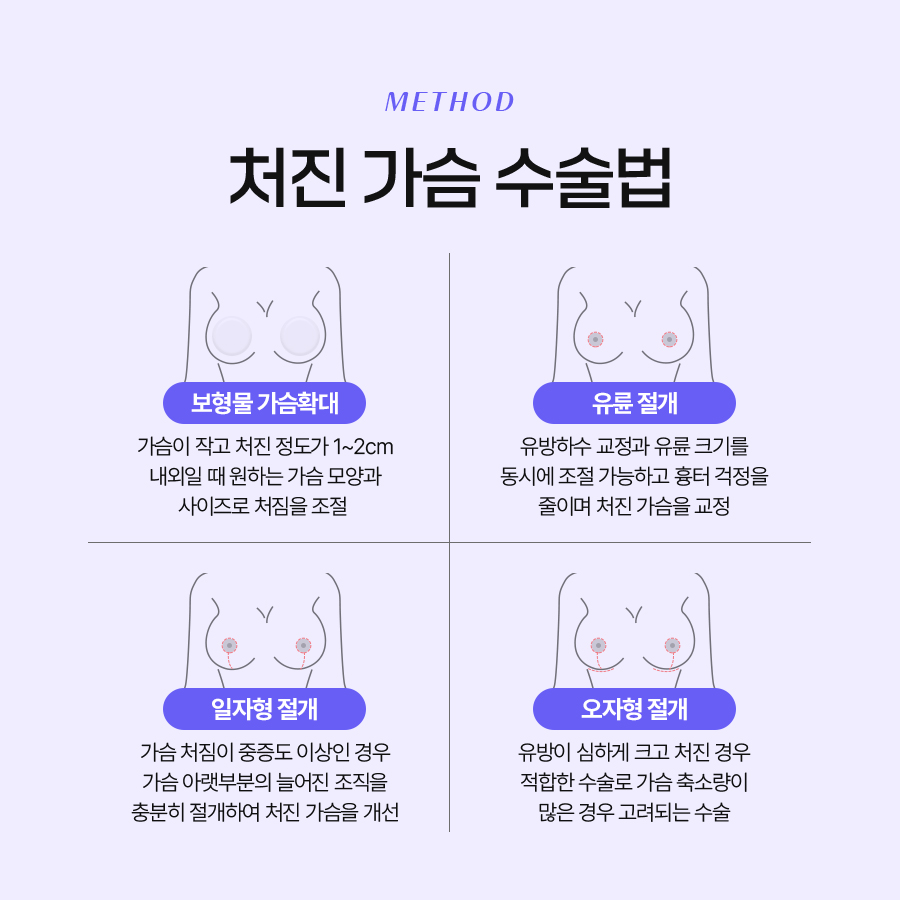
Breast ptosis correction surgery is not simply a procedure to enlarge the breasts; it is a lifting-centered surgery that restores the position and shape of breasts that have been altered by sagging. Even if the breasts still have volume, surgery may be considered in cases where the lines do not look smooth in a swimsuit or clothing, the nipples point downward when not wearing a bra, or the breasts appear deflated after childbirth and breastfeeding.
In particular, if the two breasts are noticeably different in height or if the shape itself looks stretched and causes insecurity, this is not just a cosmetic issue but a structural change, and it may be the result of accumulated breast sagging factors. In such cases, breast ptosis correction surgery can lift the sagging tissue and adjust the nipple position to restore a firm, balanced breast line, and many people report a high level of satisfaction in terms of confidence and activity as well.
What changes can be expected after surgery?
Breast ptosis correction surgery is regarded as a procedure that not only changes appearance but also has a positive effect on everyday life overall. The biggest change people notice after surgery is that the collapsed breast line returns to its original position, making it easier to maintain good posture naturally and noticeably restoring confidence when standing in front of the mirror.
Because a firm, smooth breast line can be maintained without shapewear, the inconvenience of relying on bras is reduced, and clothes that were once avoided can be worn without 부담, making a significant difference in how outfits fit. In addition, those who were troubled by differences in breast height or shape can restore a balanced proportion through surgery, and discomfort caused by sagging during exercise or activity is improved, enhancing overall quality of life.
In particular, when the cause of breast sagging is childbirth and breastfeeding, many people even find that their breasts feel firmer and more refined than before pregnancy, and it is often said that they are “even more satisfied.”
Breast sagging is not just a change in appearance; it is an important factor that can deeply affect a person’s confidence and psychological satisfaction. Above all, the most important thing is to understand the causes of breast sagging accurately before the changes become noticeable, and to make efforts to prevent it through proper lifestyle habits and care.
However, if sagging has already progressed, rather than simply worrying about it any further, it is wise to receive an accurate diagnosis of your current condition through consultation with a medical professional and find a customized solution that suits you. Recently, breast ptosis correction surgery is planned in detail by comprehensively considering each person’s body type, skin elasticity, and degree of sagging, so if you want to restore a natural and firm line, it may be helpful to seek expert advice and find the method best suited to you.