Inverted Nipple Correction Methods: Which Surgery Is Right for Me?

In an era of self-expression, confidence in one’s appearance often goes beyond simple beauty and is closely tied to overall life satisfaction. In particular, the shape of the nipple is not something that is visible on the surface, but it is one of the concerns many women quietly carry because of hygiene issues or discomfort during breastfeeding. Among these, inverted nipples refer to a condition in which the nipple is pulled inward, and it commonly occurs due to congenital or acquired factors.
It can cause an appearance-related complex, and it can also lead to various everyday inconveniences such as skin problems, difficulty maintaining hygiene, and obstacles to breastfeeding. As a result, interest has been steadily growing among those seeking a more fundamental improvement in surgical treatment known as inverted nipple correction methods. In this article, we will provide a detailed and systematic guide to the causes of inverted nipples, surgical methods, the recovery process, and the changes one can expect.
Inverted nipples: why do they occur, and how are they classified?
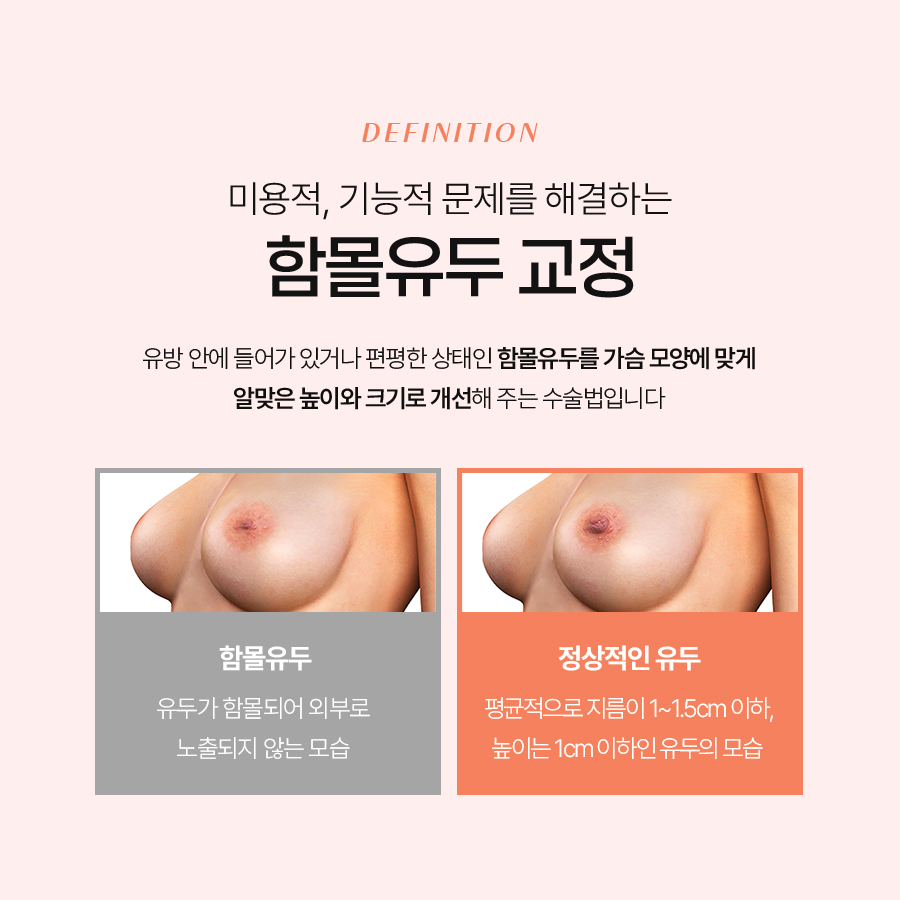
Unlike the normal shape in which the nipple naturally protrudes outward, an inverted nipple is a condition in which the nipple is drawn into the skin and is not easily visible from the outside. This shape can appear from childhood due to developmental abnormalities in the tissue structure, or it can gradually progress due to acquired causes such as changes in the skin and mammary tissue from childbirth, breastfeeding experience, aging, or contraction of fibrous tissue beneath the nipple.
Although inverted nipples may seem like a simple difference in appearance, they actually have structural characteristics in which the ducts beneath the nipple are short or the fibrous tissue pulling on the nipple contracts strongly, preventing the nipple from protruding. Medically, they are classified from grade 1 to grade 3, ranging from mild forms that pop out easily when lightly pulled by hand to severe fixed forms that do not protrude at all even when pulled with the hand or a tool.
Because symptoms and discomfort differ depending on the type, it is important to choose an appropriate inverted nipple correction method that fits each person’s condition. In particular, if there is inconvenience in daily life or psychological stress, considering a medical approach can be helpful.
Why is inverted nipple surgery needed?
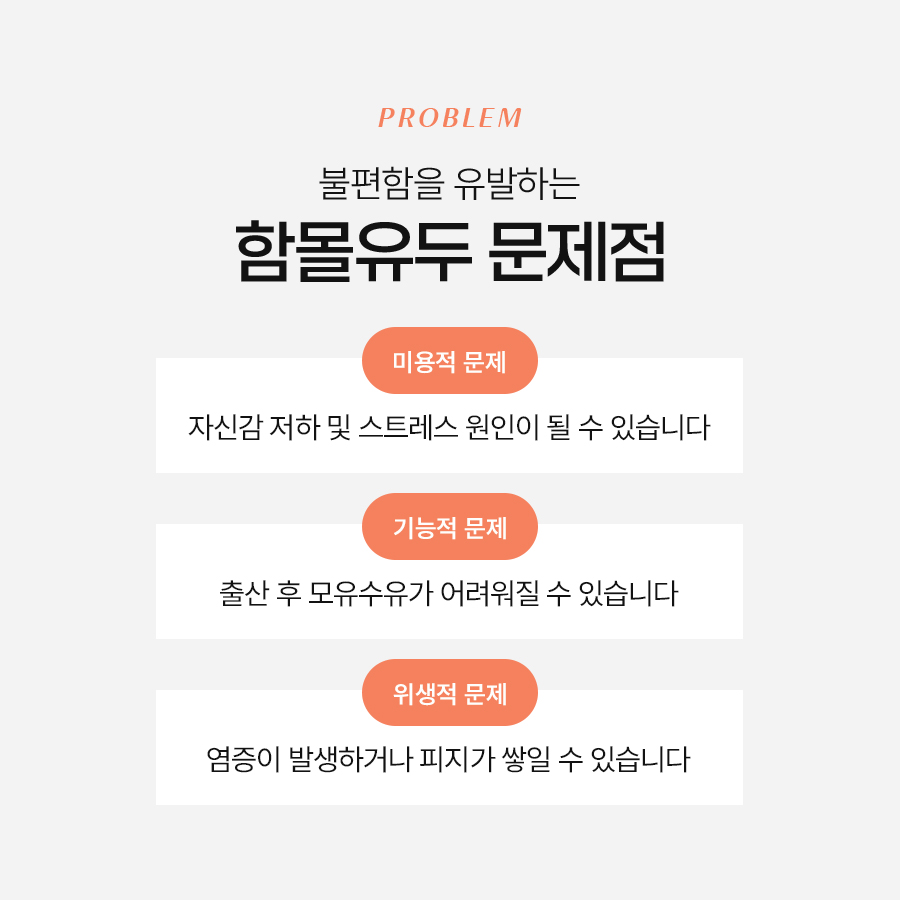
Inverted nipples are not just an appearance-related concern; they can also cause various inconveniences in daily life. Because the nipple is folded inward, ventilation is poor, and sweat or debris can easily collect between the folded skin, making hygiene management more difficult. This can create an environment where bacteria can grow or inflammation can occur, which may lead to skin problems.
Also, for women planning to breastfeed, there is a higher chance that the baby may not latch properly onto the nipple, making feeding difficult or painful. Many people also experience lowered self-esteem due to psychological pressure, such as stress about appearance or feeling withdrawn in relationships with others, which can affect a confident approach to life. To prevent and improve these various issues, the medical approach of inverted nipple correction methods has become not merely a cosmetic procedure but a practical solution for improving quality of life.
Recommended for these people!
Inverted nipple correction methods are especially recommended for those who feel self-conscious and stressed because the nipple is pulled inward. It can also be a suitable solution for expectant mothers who plan to give birth and breastfeed in the future but are worried about the shape of their nipples. Those who experience repeated inflammation or discomfort around the nipple and have difficulty in daily life, as well as those who struggle with hygiene because cleaning is difficult, may also benefit.
In addition, it is an effective method for those who want a natural nipple silhouette without corrective underwear or assistive devices and want to improve their confidence. In these various situations, I would say that inverted nipple correction methods are a reliable option that fundamentally addresses personal concerns and leads to satisfying results.
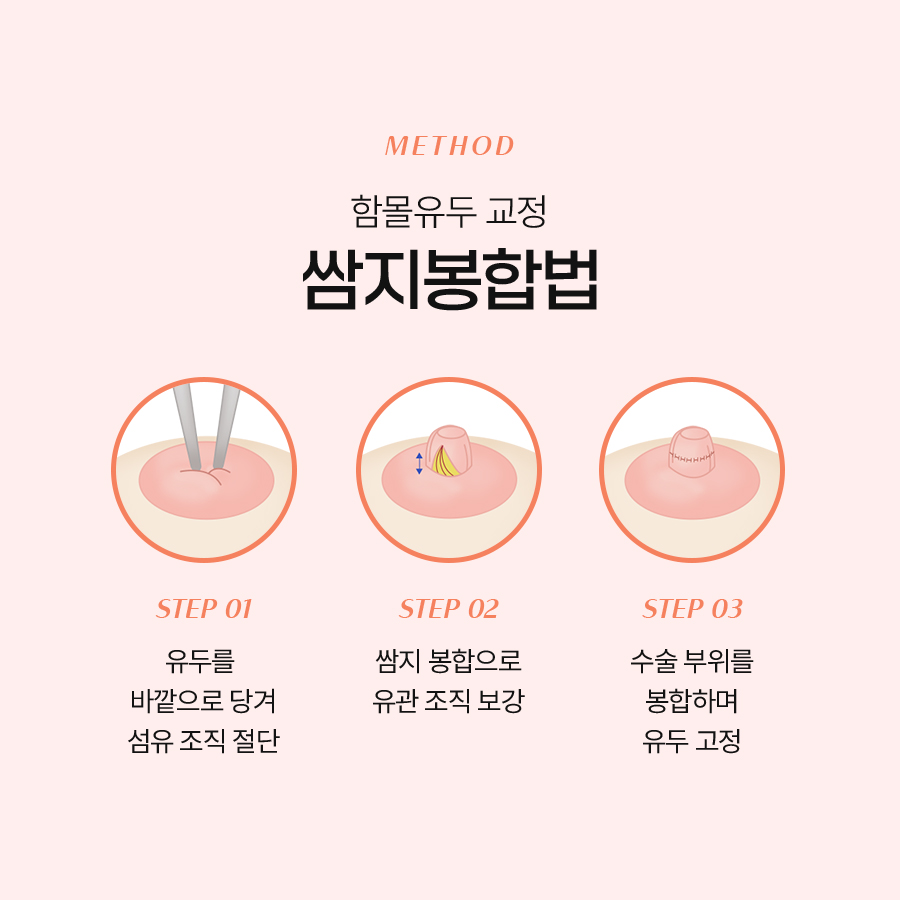
Why postoperative care is important
After inverted nipple correction surgery, systematic care is essential to maintain the results for a long time. During the recovery period, it is important to avoid tight clothing or bras so that unnecessary pressure is not placed on the nipple area, and to refrain from drinking alcohol and smoking in order to prevent impaired blood circulation.
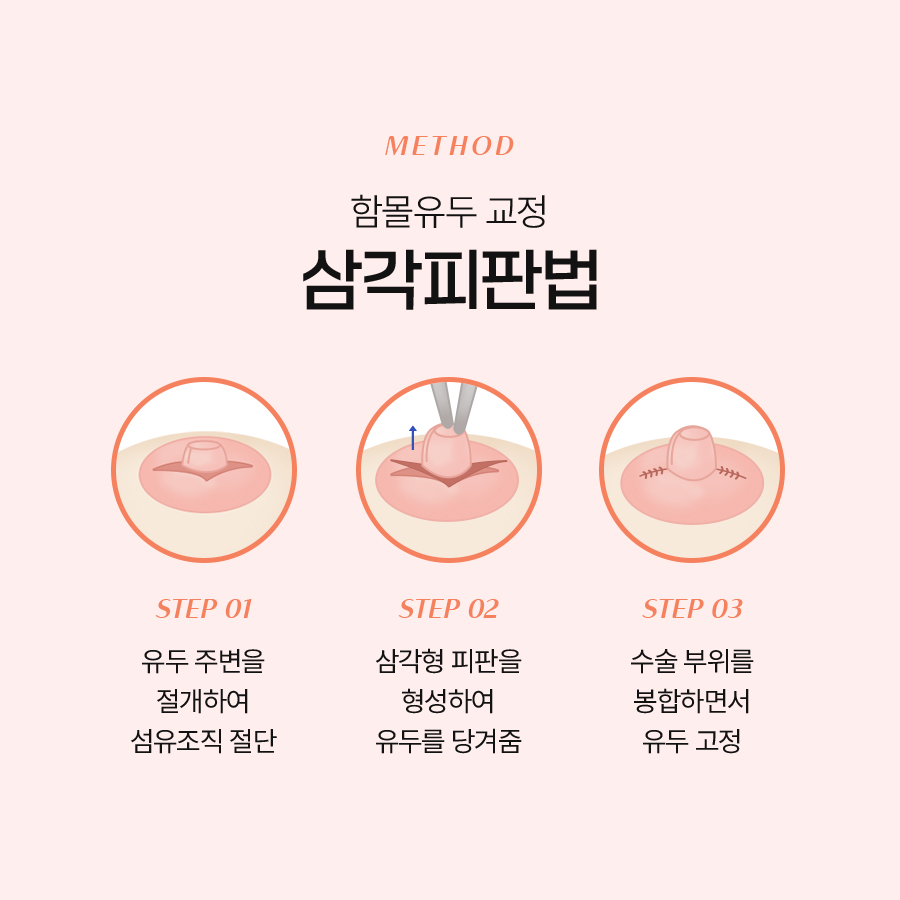
In addition, to prevent infection, it is important to maintain cleanliness consistently and to keep the tube or special sutures used to fix the surgical site in place, without removing them, for the period recommended by the medical team. This careful postoperative management plays a decisive role in sustaining the satisfying results of inverted nipple correction methods.
Although problems with nipple shape may seem small and minor on the surface, in reality they can greatly affect many women’s daily lives and psychological well-being. In particular, inverted nipples can not only reduce confidence in one’s appearance but also cause various inconveniences throughout daily life, including hygiene issues and difficulties with breastfeeding. In this respect, inverted nipple correction methods have established themselves as a practical solution that improves quality of life beyond being a simple cosmetic procedure.
If you have been worrying for a long time and have not been able to find a solution on your own, it is important to consult a medical professional and learn about a customized correction method that fits your nipple condition. With an accurate diagnosis and an appropriate treatment plan, you can regain a natural nipple shape and enjoy a more confident daily life, so I encourage you to take that first step with a little courage.