Reoperation with an Axillary Incision: How to Start Again Naturally

Breast surgery is one of the procedures many women choose in order to regain confidence. However, it is not realistic to achieve perfect results with the first surgery alone, and some people end up considering a second operation because of changes in body shape, the aging of the implant, or dissatisfaction with the result.
When deciding on reoperation, one of the most important factors is the "incision method." Depending on the incision site and tissue condition from the first surgery, various approaches are possible, but reoperation using an axillary incision has been drawing more attention recently. It is a method preferred by many because the surgical scar is not visible from the outside, while precise endoscopic techniques allow safe and detailed correction.
In this article, we will look in detail at when breast reoperation using an axillary incision is applied, how the surgery is performed, and what the recovery process and post-operative care are like.
Why do people consider breast reoperation?
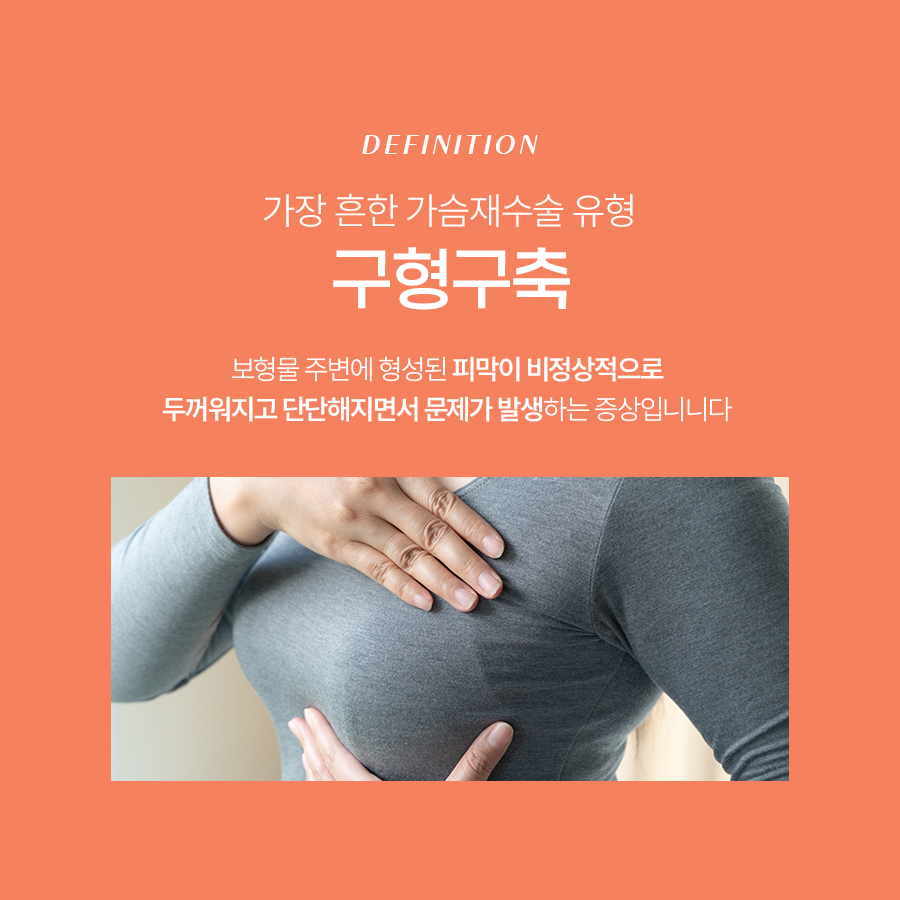
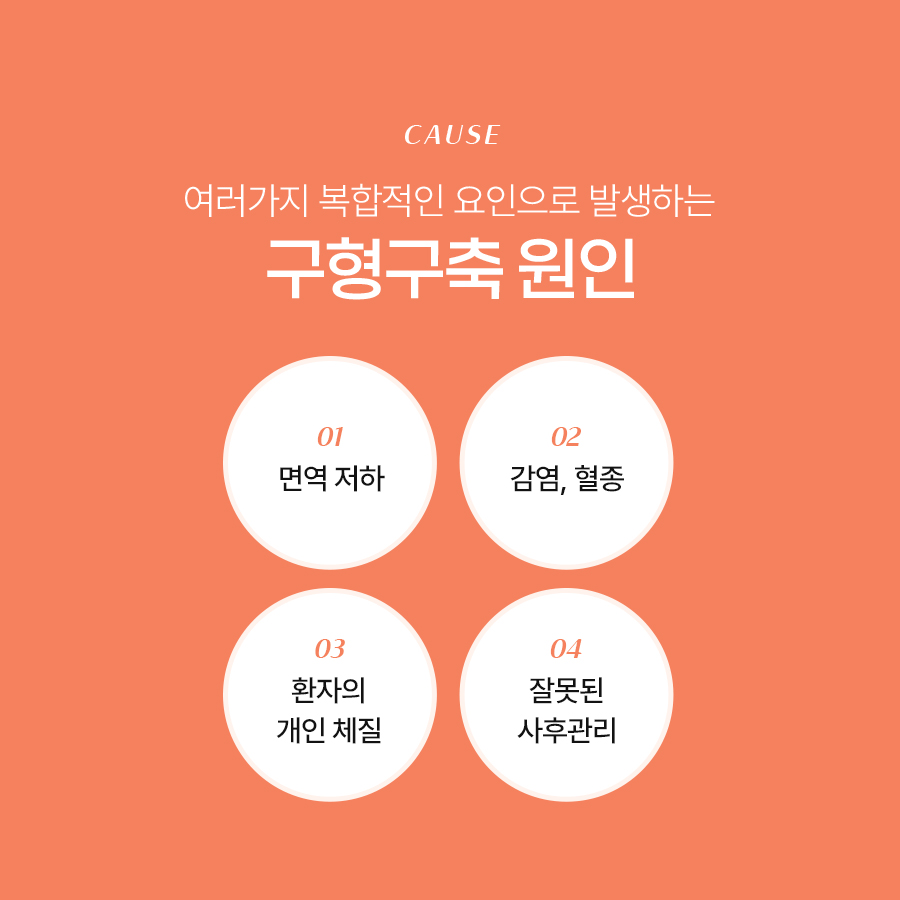
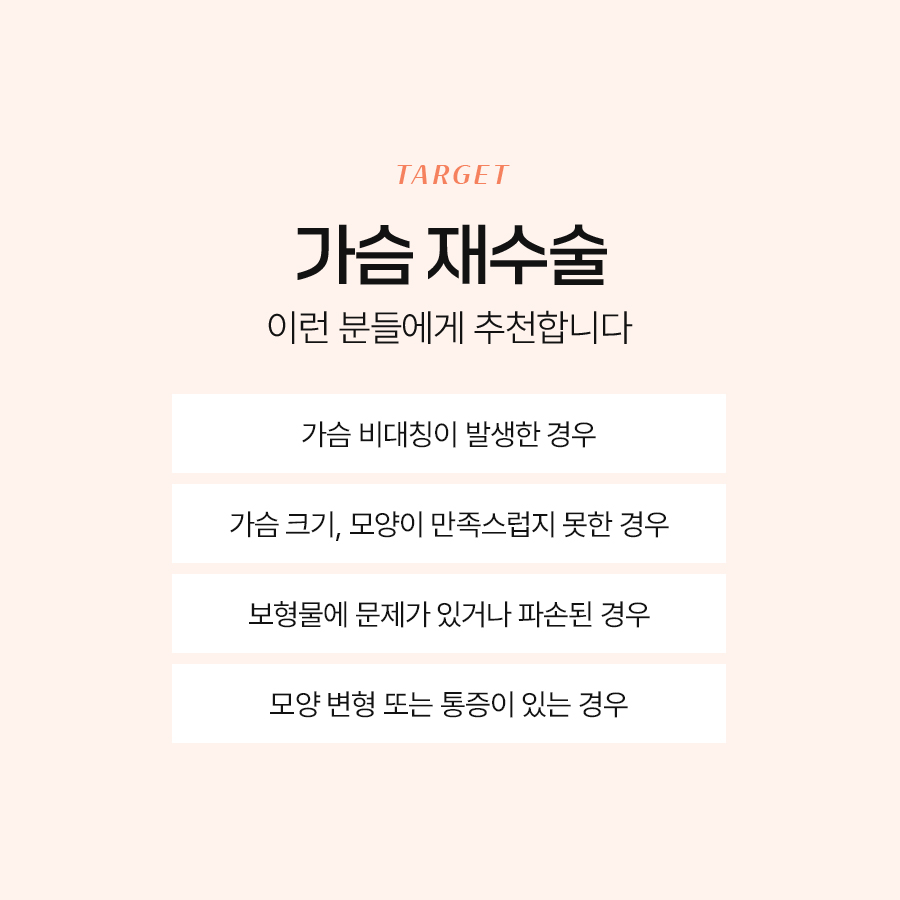
Breast reoperation may be necessary for various reasons. Common examples include implant replacement recommended after 10 to 15 years when the implant reaches the end of its lifespan, capsular contracture in which the capsule surrounding the implant abnormally tightens and makes the breast feel firm, implant migration over time such as moving upward or spreading outward, dissatisfaction with the size or shape after the first surgery, and implant damage caused by trauma or an accident.
The incision method also changes depending on the reason for reoperation, and an axillary incision is often chosen again especially when the goal is to reduce visible scarring and protect the glandular tissue.
Is an axillary incision method possible for reoperation too?
Many people wonder whether an axillary incision can also be applied to breast reoperation. The short answer is yes, if certain conditions are met. Reoperation requires more precise planning and more delicate surgical technique than the first surgery, and the approach is determined after accurately assessing the position of the existing implant, the surrounding tissue, and the degree of adhesion in the capsule.
In particular, when the surgery can be performed while precisely checking the tissue using endoscopy, safe and effective reoperation is possible even through an axillary incision. Because this method does not directly cut through the breast tissue, the surgery can be performed without repeating the previous periareolar or inframammary incision sites, and it can be a useful option because it allows problems to be addressed naturally through a new incision path while avoiding the previous scar.

Cases where axillary incision reoperation may be applied
The axillary incision method can be especially effective in certain situations during breast reoperation. For example, if a noticeable scar remains at the previous incision site, such as the inframammary fold or areola, changing the incision site to the axilla can help spread out the burden of scarring.
Also, when the existing implant must be removed and replaced with a new one, an axillary incision method that allows precise dissection and insertion using endoscopy is a surgical approach that can take both safety and cosmetic aspects into account. In particular, for those planning pregnancy or childbirth, or for those who want to protect the glandular tissue as much as possible, this incision method with less direct damage to the glandular tissue can be a safe alternative.
How does recovery proceed after surgery?
Breast reoperation using an axillary incision is performed in a way that protects the muscles and nerves as much as possible, so recovery can also be relatively stable. However, since it is a reoperation, more careful management is needed during the recovery process.
During the first week after surgery, returning to daily life is possible, but strenuous use of the arms should be avoided. From around the third to fourth week onward, the breast shape begins to settle more naturally, and light activities become possible. After six weeks, upper-body-centered exercises such as weight training or Pilates can also be gradually resumed, so the axillary incision method can be considered a suitable surgical approach that balances recovery and activity.
Breast reoperation is not simply a replacement procedure; it is a complex process that must comprehensively consider the changes in tissue after the first surgery and the individual's needs. For that reason, only when all factors such as the surgical method, implant type, and the surgical team's expertise work together can the best results be expected. Among these, the axillary incision method is highly valuable in reoperation because it reduces the burden on the surgical site and allows for a precise approach using endoscopy.
In particular, it can be an even more attractive choice for those who are concerned about their previous incision site or do not want to leave a new scar. The final surgical decision may vary depending on each person's condition and goals, so it is most important to find the method that is most suitable for you through 충분한 consultation with an experienced medical team.