
Why Is the Axillary Incision Method in Breast Reoperation Drawing Attention Again?

For those with experience in breast augmentation, one of the most carefully considered parts when deciding on reoperation is the incision method. Since the scar and tissue response can differ depending on which incision was chosen for the first surgery, reoperation requires a comprehensive consideration of the results of the previous surgery, the current tissue condition, and the location of the implant.
In particular, the axillary incision method in breast reoperation has recently been drawing attention again. In the past, it was mainly seen as a method chosen only for the first surgery, but with advances in medical technology, it is now fully applicable to reoperation as well and is being positively evaluated in several aspects, including minimizing scars and enabling faster recovery. In this article, we will take a detailed look at the key points you should know when choosing an axillary incision for reoperation.
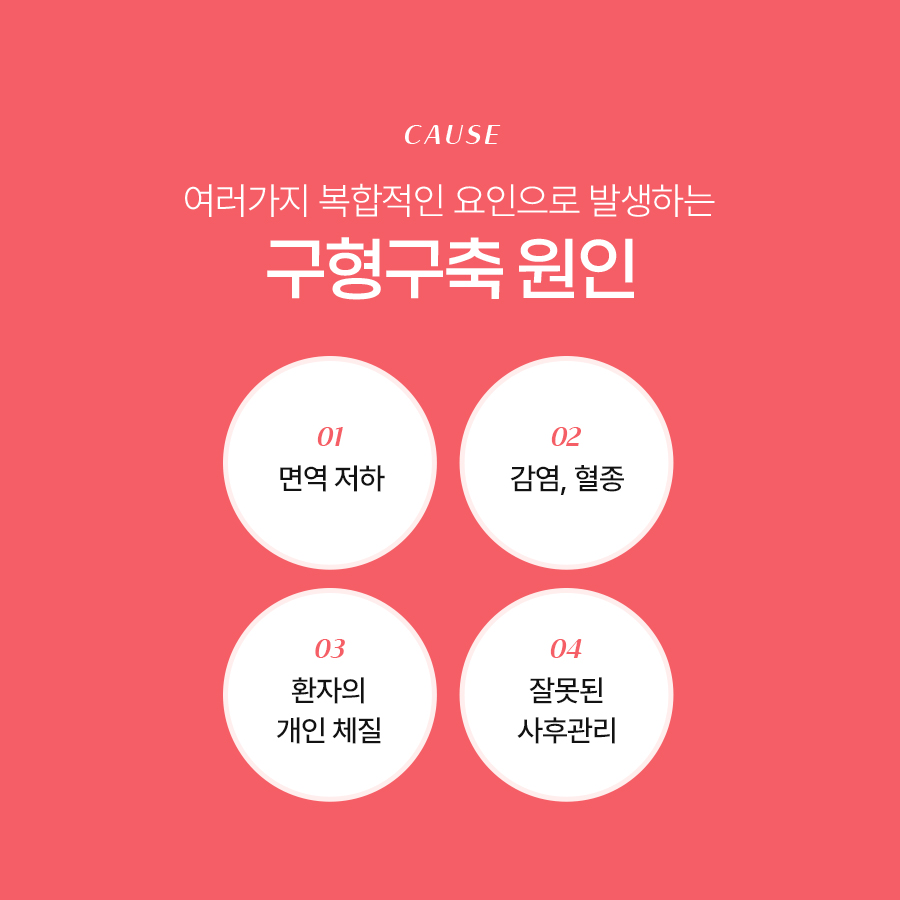
Can an axillary incision also be used for reoperation?
Even if you have undergone breast augmentation more than once, reoperation through an axillary incision is fully possible. In the past, there was a perception that the axillary incision was only suitable for the first surgery, but now, with major advances in endoscopic equipment and dissection techniques, it is also being used in complex reoperations.
Because it allows for procedures such as implant replacement, position adjustment, and capsule removal to be carried out precisely while minimizing damage to the skin and soft tissue, the overall quality of the result has also improved. In particular, since it does not require reopening the previous incision, it can reduce the burden of scarring, making the axillary incision method in breast reoperation increasingly preferred by patients who consider both scar management and aesthetic aspects.
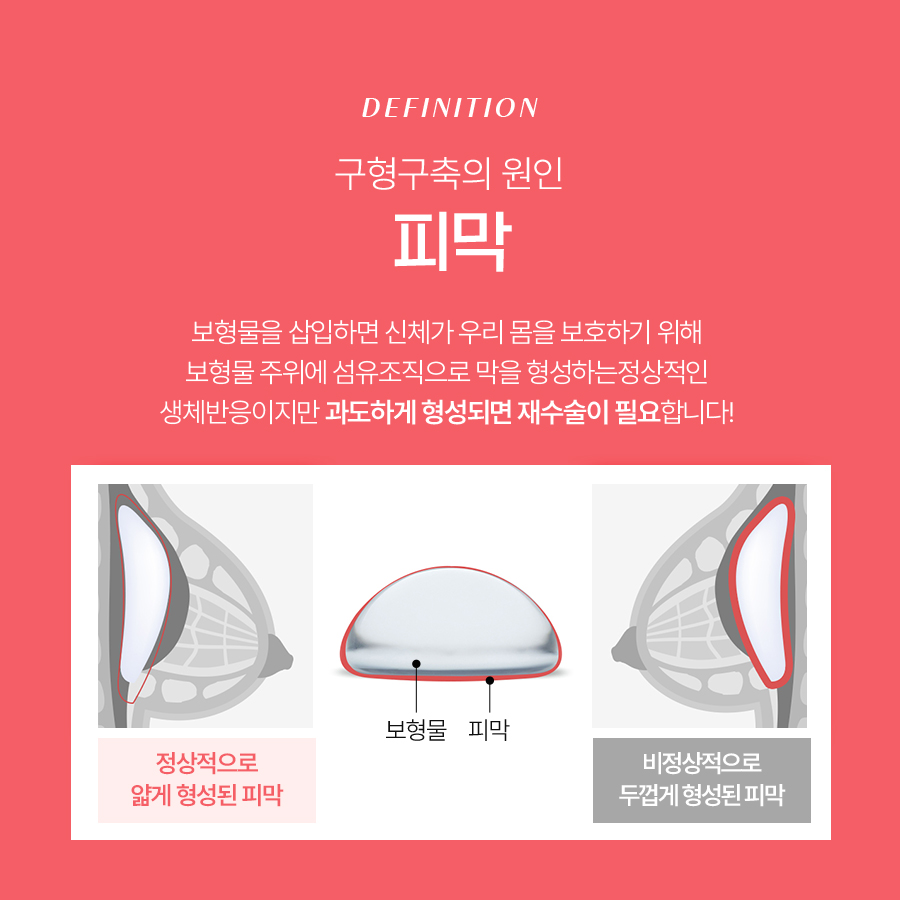
Axillary incision: notable points in reoperation
Compared with existing incision sites, the axillary incision method in breast reoperation offers very high aesthetic satisfaction because it allows surgery without noticeable scars. Since the incision is made along the natural folds of the underarm skin, scars are not easily visible after surgery, and no direct incision marks remain on the breast area, allowing a natural appearance even when wearing revealing clothing.
In the past, there was also a misconception that the axillary incision was limited to simple implant replacement, but with advances in endoscopic equipment and fine dissection techniques, it can now address a wide range of needs, including implant removal, capsule removal, position correction, and adjustments to volume and contour. As a result, it is regarded as an approach that can deliver precise and stable results even in reoperations.

An incision method that helps minimize tissue damage and protect the mammary glands
Because the incision path in the axillary incision method in breast reoperation extends under the skin from the armpit to the inner part of the breast, it does not directly affect the mammary gland tissue or sensory nerves, making it an approach that can minimize tissue damage. Thanks to this structural characteristic, postoperative numbness or discomfort is relatively less, and because mammary gland function is preserved, it is also more suitable for those who plan to breastfeed in the future.
In addition, because the axillary incision is performed in a way that secures space from the top downward, it is advantageous for forming a natural lower breast line and maintaining stable implant placement. In reoperation, the skin is often stretched due to the existing implant, or tension may be uneven. By using an axillary incision, it is possible to perform precise contour correction while taking such structural issues into account, allowing for a smoother result with less sagging.

Especially worth considering in these cases
When planning reoperation, the choice of incision site affects not only the surgical result but also scarring, recovery, and satisfaction. In particular, if a noticeable scar remains from a previous periareolar or inframammary incision, or if you want to avoid a new incision, the axillary incision method can be a good alternative. Because it helps maintain a natural contour without visible external scars, it is also advantageous from an aesthetic standpoint, and there are many cases where people who previously had an axillary incision reuse the same area.
In addition, since precise dissection and implant replacement using endoscopic equipment have become possible, it is also suitable for those who want a delicate operation. Because it allows an approach that protects mammary gland tissue and sensory nerves, the axillary incision method in breast reoperation is especially recommended when both safety and aesthetics need to be considered.
Breast reoperation is not simply a procedure to replace an implant, but a high-difficulty surgery that must consider not only improving the previous result but also design completeness and functional stability. That is why the choice of incision site plays an important role in various aspects, including the naturalness of the outcome, scar management, and recovery speed.
In particular, the axillary incision method in breast reoperation minimizes external scarring while also reducing damage to mammary gland tissue and nerves, and it allows for precise dissection and implant adjustment using endoscopy, making it an approach that can lead to high satisfaction even in reoperation. For those who want natural volume and a smooth contour, the axillary incision can be a practical choice that satisfies both aesthetics and safety.