Understanding the Causes of Capsular Contracture and Preparing for Revision Surgery That Suits Me

As time passes after breast augmentation, unexpected changes can appear. One of the most representative is “capsular contracture.” This occurs when the tissue surrounding the implant contracts excessively, causing the breast to become firm or its shape to change. If you are considering breast augmentation or have already had surgery, this is something you should definitely know about.
In particular, capsular contracture can cause not only cosmetic issues but also functional problems such as changes in touch or pain, which can sometimes lead to a situation where revision surgery is needed. Some of the various causes of breast capsular contracture may result from individual constitution or the conditions at the time of surgery, but what matters most is accurately understanding the current condition and setting an appropriate treatment direction. In this article, based on a correct understanding of capsular contracture, we will explain in an easy-to-understand way the key points of why revision surgery is needed and how it is performed.

What is capsular contracture, and why does it happen?
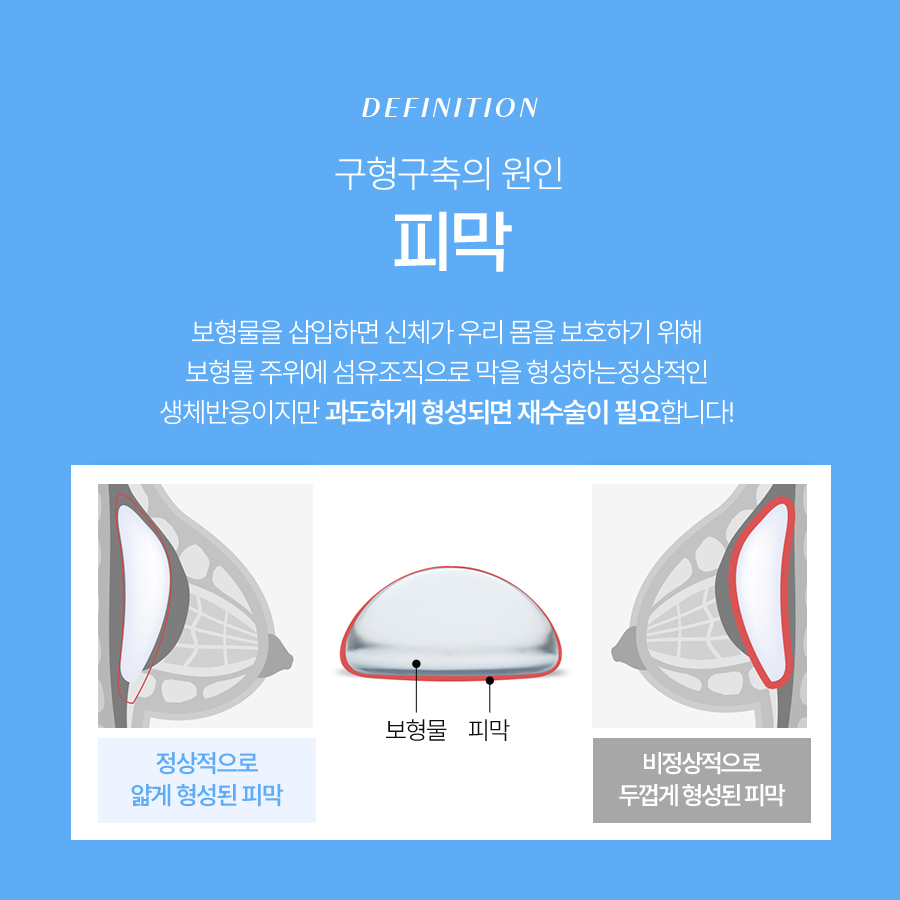
One of the typical changes that can appear in some patients over time after breast augmentation is capsular contracture. This happens when the thin fibrous layer, or “capsule,” that the body naturally forms to surround the implant as a foreign object becomes abnormally thick and gradually contracts.
Normally, this fibrous layer helps the implant settle stably in the body. However, in some cases it becomes overly rigid and squeezes the implant, causing the breast to harden, its shape to become distorted, and sometimes pain to occur.
Because these changes are not just a cosmetic issue but can also cause functional discomfort, early response is important. In fact, among the various causes of breast capsular contracture, factors such as individual constitution, bleeding or inflammation during surgery, and the type and surface material of the implant can have an influence. These factors act together and lead to capsular contracture.
The causes of breast capsular contracture are more complex than you might think
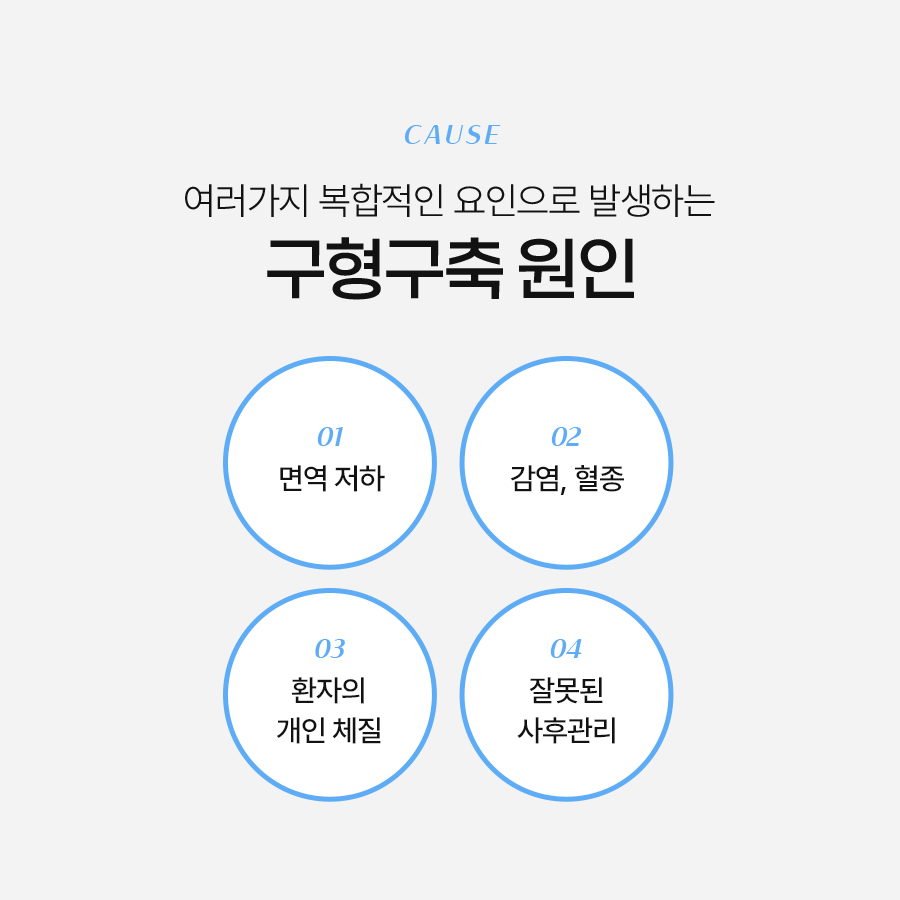
Capsular contracture does not usually occur for a single reason; rather, it appears gradually as multiple factors act at the same time. First, innate constitution, such as an individual’s immune system or tissue response, can be an important variable, and bleeding or a minor inflammatory reaction during surgery also becomes a risk factor for capsular contracture. In particular, attention has recently focused on the fact that a microscopic film called a “biofilm,” formed by bacteria and remaining in the body, can cause chronic inflammation and, as a result, harden the fibrous capsule.
In addition, the immune response can differ depending on whether the implant surface is smooth or textured, and the likelihood of occurrence can also vary depending on whether the implant is placed above or below the muscle. As such, the causes of breast capsular contracture are very diverse, ranging from constitutional factors to surgical technique, implant type and placement, and tissue changes that occur over time.
Sometimes it appears soon after surgery, but in other cases symptoms may suddenly progress years later, so regular observation and ongoing care after surgery are especially important.
Main symptoms of capsular contracture
Capsular contracture often does not appear suddenly in a noticeable way, but instead reveals its symptoms gradually over time. Typical early changes include the breast becoming progressively firmer or the two sides becoming asymmetrical. The texture may feel stiff rather than soft, and pain or a strange sense of pressure may accompany touch. In severe cases, the implant may appear to rise noticeably or movement may feel restricted.
These changes are not simply a matter of appearance; they may be important signals from the body. So they should not be overlooked, and it is important to get a prompt diagnosis from a specialist. In particular, various causes of breast capsular contracture such as implant placement, the response of the capsule tissue, and infection may lie behind these symptoms. Therefore, accurately identifying the cause early and taking appropriate measures can have a positive effect on future revision surgery or treatment outcomes.

Choosing a clinic determines the outcome of revision surgery
Breast revision surgery for capsular contracture is a complex process that goes beyond simply replacing the implant. It involves carefully analyzing the cause of the problem from the previous surgery and making more precise improvements. In particular, because capsular contracture has various causes and there are large individual differences, how accurately it can be diagnosed and how well a customized surgical plan can be made have a major impact on the outcome.
Therefore, when choosing a clinic, you should carefully check not only marketing claims but also whether there is a medical team with extensive experience in capsular contracture surgery, whether they have a strong understanding of various implants and clinical data, and above all, whether preoperative diagnostic equipment and postoperative care systems are systematically in place. Since the causes of breast capsular contracture are so complex, choosing a medical institution with a system that can handle them comprehensively is the surest way to improve the safety and satisfaction of revision surgery.
Capsular contracture that can occur after breast augmentation does not happen to every patient, but it is one of the reactions that can unexpectedly occur due to various causes of breast capsular contracture, such as constitution or surgical conditions. However, there is no need to be overly anxious if such changes occur. This is because recent advances in accurate diagnostic technology and surgical techniques have established methods to detect capsular contracture early and improve it effectively.
Above all, the important thing is to observe even small changes in your body without missing them, consult sufficiently with a trustworthy medical team, and decide on the right direction for treatment. Revision surgery for capsular contracture can be more than just returning to the previous state; it can become a new starting point for a better result.