Things You Must Know Before Axillary Incision Revision Surgery

Breast surgery can sometimes produce satisfying results with just one operation, but as time passes, many people begin to consider a second surgery for various reasons. In particular, among those whose first surgery was performed through an axillary incision, the number of people considering axillary incision revision surgery is steadily increasing because it avoids worries about scars or incision marks.
Revision surgery is not necessarily complicated or overly burdensome. Today, I would like to take a detailed look at the essential information about breast revision surgery through an axillary incision, including how the procedure is actually performed and what recovery is like.

Why choose an axillary incision?
In breast surgery, incision sites are divided into the areola, inframammary fold, and axilla, but among these, the axillary incision is especially preferred because it leaves no scar on the breast itself. Even after surgery, the incision mark is not visible when wearing a bra or bikini, making it suitable for those who want to avoid noticeable traces.
In particular, if you are not prone to scarring or your skin heals quickly, the incision site may heal with almost no visible trace, leading to high satisfaction. For this reason, many people who had their first surgery through the axilla choose the same approach for revision surgery as well. In fact, axillary incision revision surgery continues to be chosen by people who want to minimize scar concerns while achieving natural-looking results.

When do people consider axillary incision revision surgery?
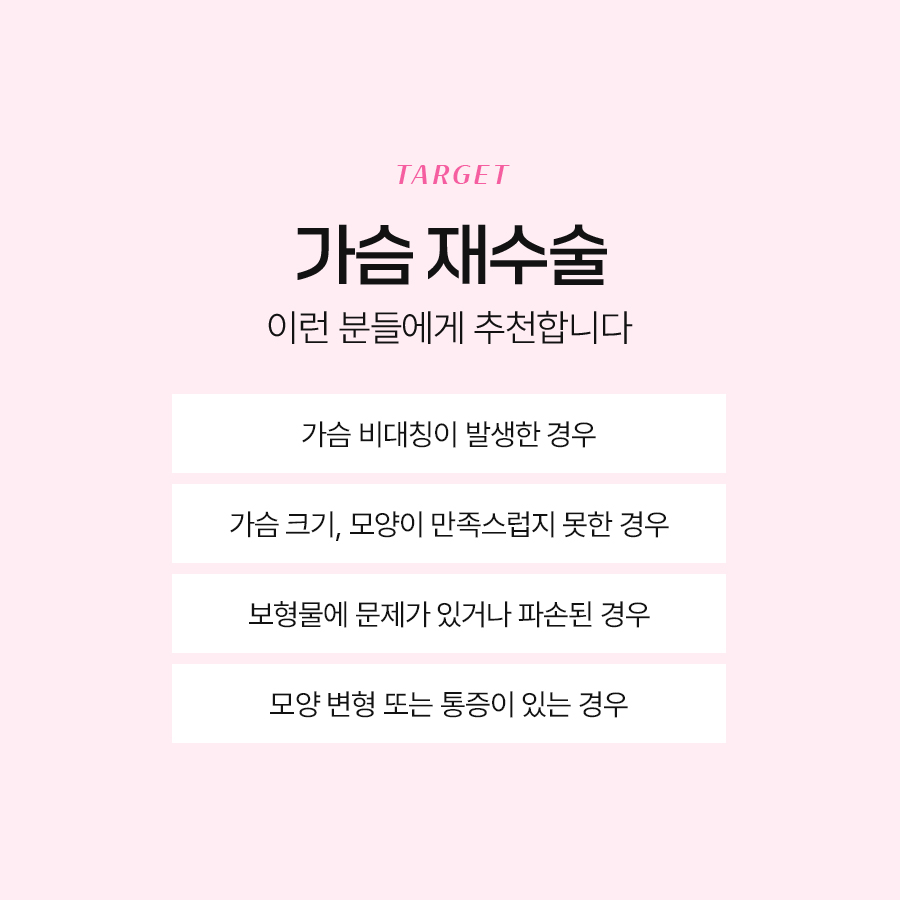
After breast surgery, as time passes, many people consider revision surgery when they become dissatisfied with the results or when unexpected changes appear. For example, wanting to change the type of implant or finding that the feel or shape is different from what was expected are common reasons. In particular, when changing from textured implants used in the past to the smooth type commonly used today, revision surgery becomes necessary. Surgery may also be planned again due to asymmetry or insufficient volume.
In addition, some people decide on surgery because the implant feels noticeable to the touch or its movement feels unnatural, in order to achieve a more natural feel. Beyond that, when the capsule becomes firmly formed, as in capsular contracture, causing the breast to harden and change shape, revision surgery is absolutely necessary. In these various situations, axillary incision revision surgery can be a good option for those who want improvement again with less scarring.
Axillary incision revision surgery: how the procedure is performed
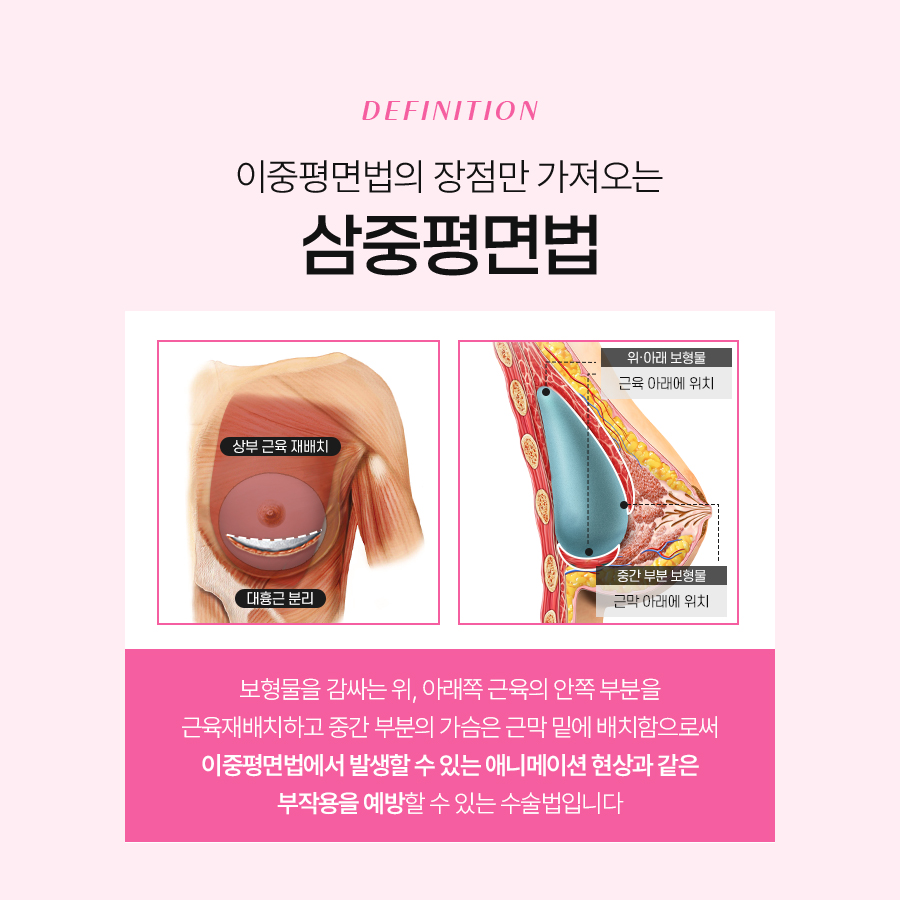
Breast revision surgery through an axillary incision is more than simply replacing the implant; it is a process of accurately diagnosing the current condition and making detailed corrections. Before surgery, ultrasound, MRI, and 3D equipment are used to carefully analyze the implant position, the condition of the capsule, and changes in the surrounding tissue, and a surgical plan is then established based on these findings.
The incision is made by reusing the existing axillary line or, if necessary, creating a new access point. Endoscopic equipment is used to minimize tissue damage and allow for precise surgery. After the existing implant is safely removed, it is replaced with an implant that matches the desired feel and shape, and capsule removal is performed if needed. Finally, the key to axillary incision revision surgery is adjusting the symmetry, contour, and volume balance of both breasts to create a more natural and harmonious result.
Consider it in these cases
If you had your first surgery through an axillary incision and it healed well without a noticeable scar, then using the same method for revision surgery can feel more natural and less burdensome. In particular, it may be a more suitable choice for those who do not want to leave incision marks on the breast area, or for those who like to wear swimsuits in the summer or clothing that reveals more skin. If the tissue around the existing incision site remains relatively healthy, the incision path can be reused, which also reduces the burden of surgery.
In addition, if the hospital uses endoscopic equipment that allows for precise surgery, a more detailed approach is possible. For those who are willing to actively participate in scar management and the recovery process after surgery, axillary incision revision surgery can be an effective method with results that may be satisfying.
If you are considering breast revision surgery, the choice of incision site is one of the important factors that can greatly affect the result. In particular, if you want to minimize scarring while achieving a more natural and balanced contour than before, axillary incision revision surgery is certainly a method worth considering.
However, rather than basing the decision solely on the surgical method, consultation with a medical team that can accurately diagnose the current condition of the breasts, the degree of tissue recovery, and the condition of the implants, and then provide a customized solution accordingly, should come first. I hope this article has helped those considering revision surgery through an axillary incision establish a clearer standard.