Breast Ptosis Correction Surgery: Restoring Balance to Sagging Breasts

Among those considering breast augmentation, many initially focus on volume. However, during the actual consultation process, more people are concerned about uneven breast shape, nipple position, and overall balance and contour rather than size alone. In particular, after childbirth, breastfeeding, or weight changes, a loss of elasticity can make breast sagging, known as breast ptosis, more noticeable. In such cases, achieving the desired result requires a more customized approach rather than simple enlargement.
Recently, breast ptosis correction surgery, which improves nipple position and lifts the overall contour according to the degree of sagging, has been drawing attention. It is considered one of the procedures with particularly high satisfaction among those who want a natural and harmonious body shape. In this article, we will take a detailed look at how to restore an ideal breast line that suits your body shape, rather than simply making the breasts larger.
What exactly is breast ptosis?
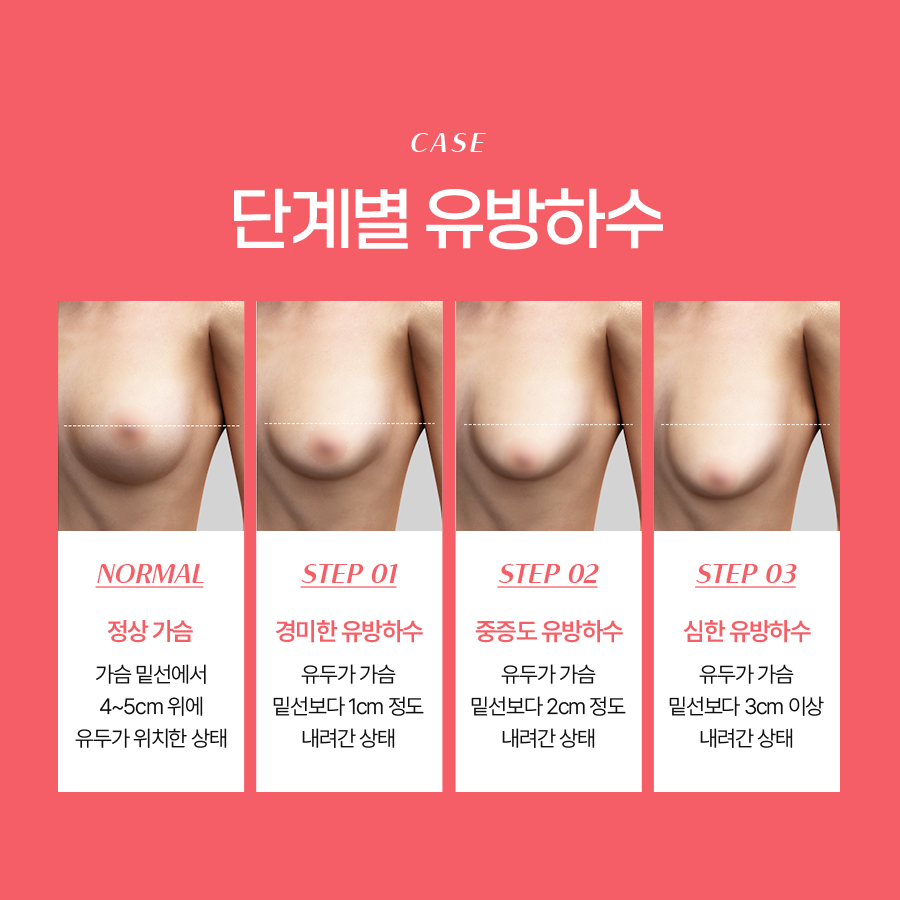
Breast ptosis is not simply a condition of small breasts or reduced elasticity; it is a medical condition evaluated based on nipple position and the overall sagging of breast tissue. In general, the ideal nipple position is at the midpoint of the upper arm when the arms are resting at the sides, or above the inframammary fold. In cases of breast ptosis, the nipples descend below this fold, and both the skin and glandular tissue sag downward overall.
These changes can occur due to various causes such as childbirth, breastfeeding, aging, and weight changes, and in many cases, simple breast enlargement alone does not achieve the desired improvement. In such situations, breast ptosis correction surgery can help restore a more natural and balanced breast line by lifting the nipples and re-establishing the center of the breast.
Why does breast ptosis occur?
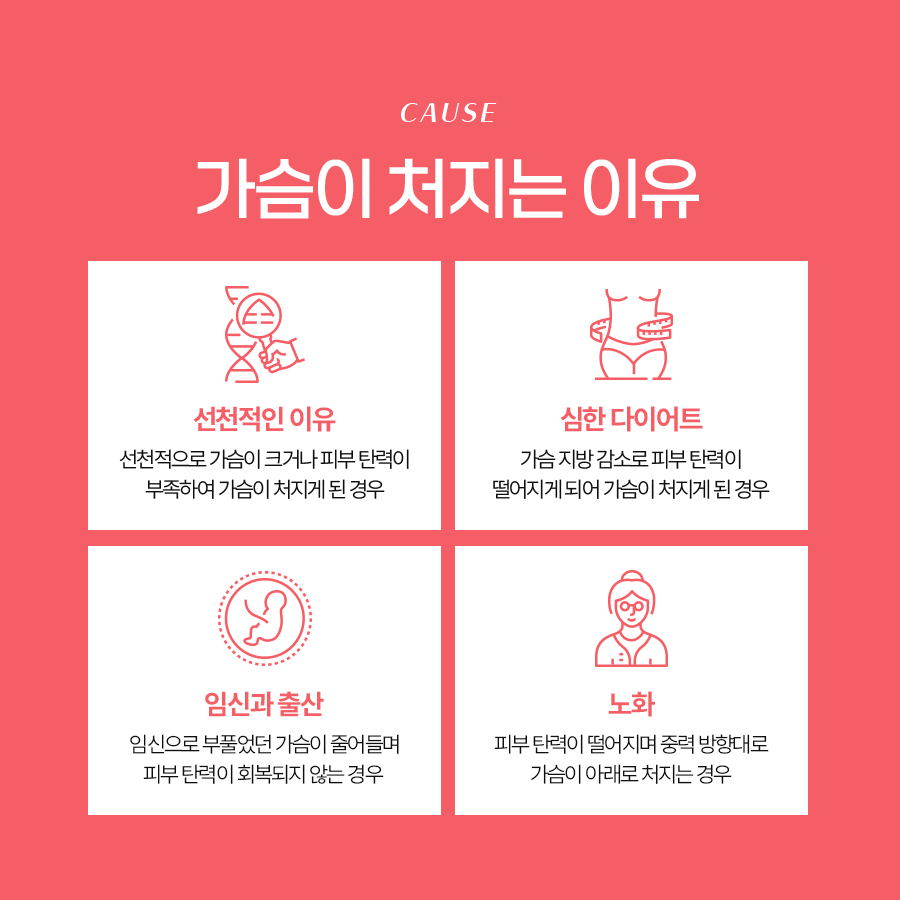
Breast ptosis occurs as a result of a combination of various lifestyle factors and physical changes rather than a single cause. One of the most common factors is tissue changes during childbirth and breastfeeding. During this period, the breasts repeatedly expand and contract, gradually loosening the skin and support structures. Another important cause is the loss of elasticity due to aging. As people get older, collagen and elastin in the skin decrease, naturally weakening the support that held up the breast tissue.
In addition, sudden changes in body weight can make the volume of fat and glandular tissue unstable, and repeated gain and loss often leads to sagging breasts. There are also genetic factors: people with naturally larger breast tissue, thinner skin, or weaker elasticity may experience breast ptosis at an early age. Because the degree and shape of sagging vary depending on these different causes, it is advisable to receive an accurate diagnosis and consider breast ptosis correction surgery suited to the symptoms.
Breast ptosis: an approach that changes according to severity
Because breast ptosis can appear in many different forms and degrees, it is medically divided into three stages rather than being described simply as sagging. Mild grade 1 ptosis is a state in which the nipple is positioned at nearly the same height as the inframammary fold; it is relatively subtle, but it marks the beginning of slight sagging. Grade 2 ptosis is when the nipple is below the fold but still above the lower part of the breast, and the breast contour often appears collapsed.
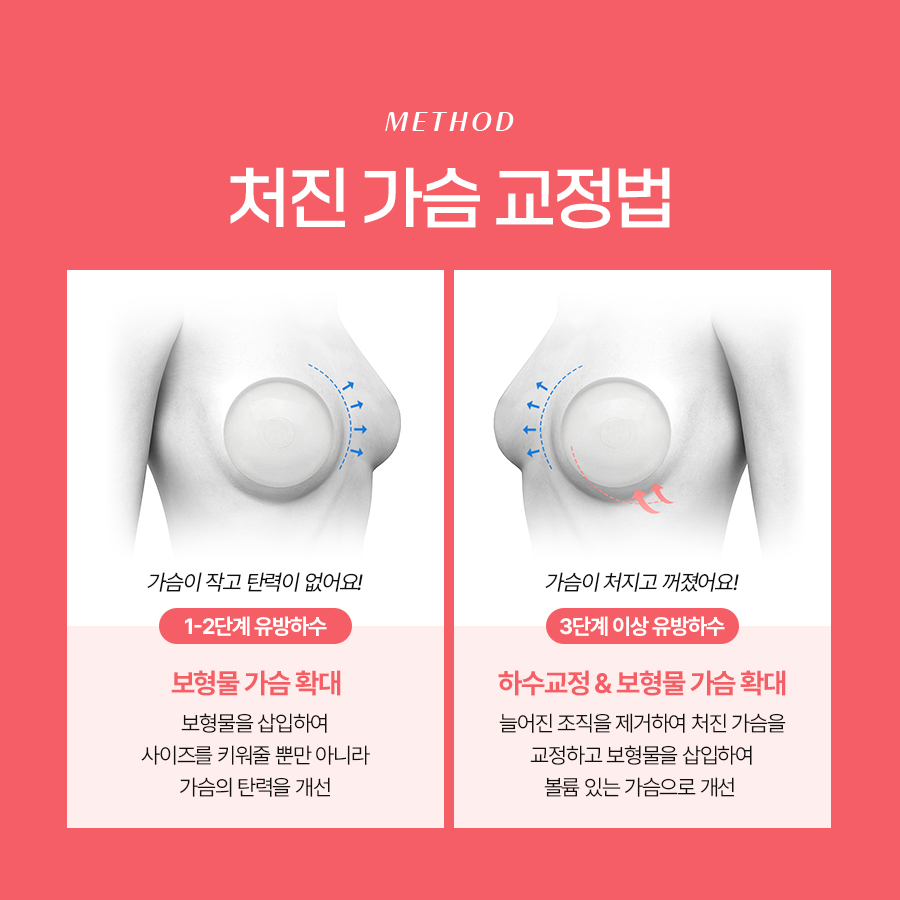
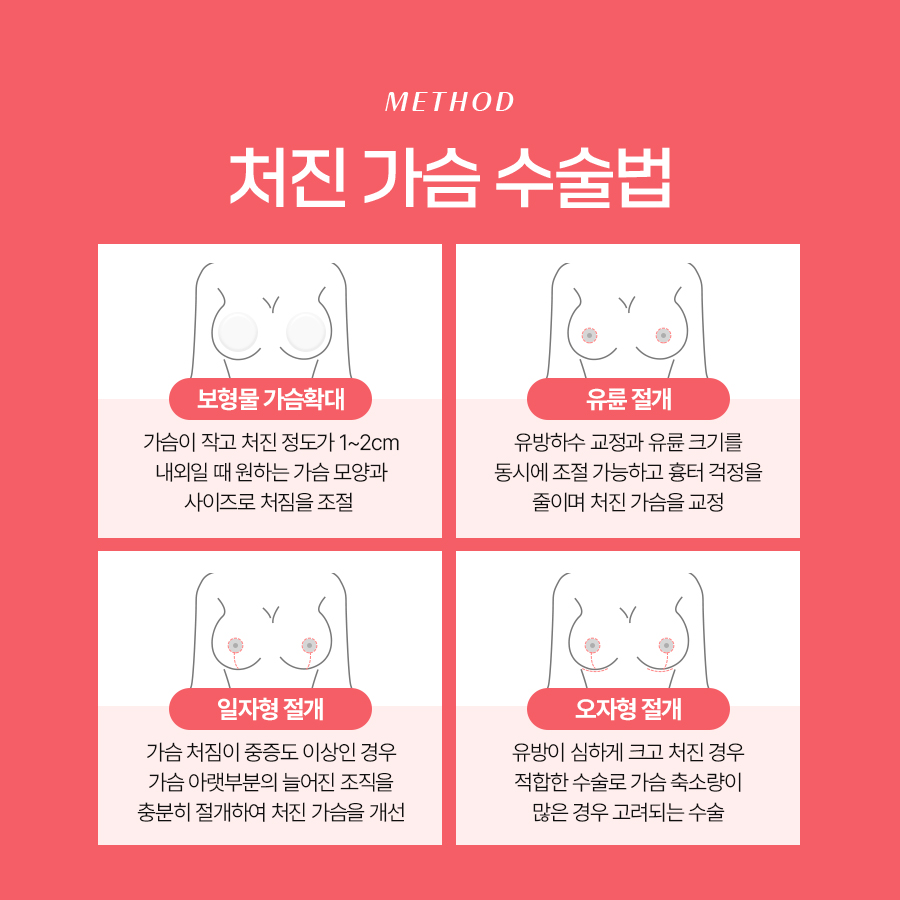
The most severe grade 3 ptosis is when the nipple is positioned below the lower part of the breast, creating pronounced sagging that can make the body shape itself look different. Since the surgical technique used varies depending on the stage of breast ptosis, a treatment plan based on an accurate diagnosis is very important. Rather than simply covering it with an implant, a customized approach that also considers nipple position and skin elasticity is needed.
Breast ptosis correction surgery is suitable for the following people
Breast ptosis correction surgery focuses not on simply increasing breast volume, but on restoring the overall position and shape to an ideal balance. It can be especially effective for those whose breast shape has changed and lost elasticity after childbirth or breastfeeding, those whose volume has decreased and contour has collapsed after rapid weight loss, or those whose nipples appear to point downward when not wearing a bra.
It is also suitable for people who have long felt that their nipple position is low, or those who still have some volume but feel that the center of the breasts is out of alignment. Breast ptosis correction surgery is not just about changing appearance; it is an approach that restores bodily balance, making it especially appropriate when both function and aesthetics need to be considered.
The beauty of the breasts is not determined by size alone. The ideal breasts are defined by harmony among volume, nipple position, skin elasticity, and the overall silhouette. For those who want to restore a breast line that has noticeably changed after childbirth or body shape changes, breast ptosis correction surgery may be a more fundamental solution than simple augmentation.
The process of returning sagging nipples to their proper position and re-centering the collapsed breasts goes beyond simple cosmetic change and can positively affect posture, styling, and everyday confidence. If the image in the mirror feels different from before, considering breast ptosis correction as a way to regain the line that feels most like you can be a good place to start.