Breast Sagging Surgery Cost: Correction Methods That Vary Depending on the Degree of Sagging

As time passes and your lifestyle or physical environment changes, your body’s balance naturally begins to change as well, and the breasts can also shift in position and elasticity under the influence of gravity, weight fluctuations, and processes such as pregnancy and childbirth. When these changes make the overall upper-body silhouette feel different from before, breast ptosis correction surgery may be considered. This is not simply about adjusting size; it is a method aimed at redesigning the proper position where the breasts should sit and organizing the distribution of skin and tissue.
In particular, because the degree of sagging and body type conditions differ from person to person, breast sagging surgery cost is not judged uniformly. Instead, a plan is made based on a thorough analysis of the current condition, which can help achieve a more balanced line.
Why does breast ptosis occur?
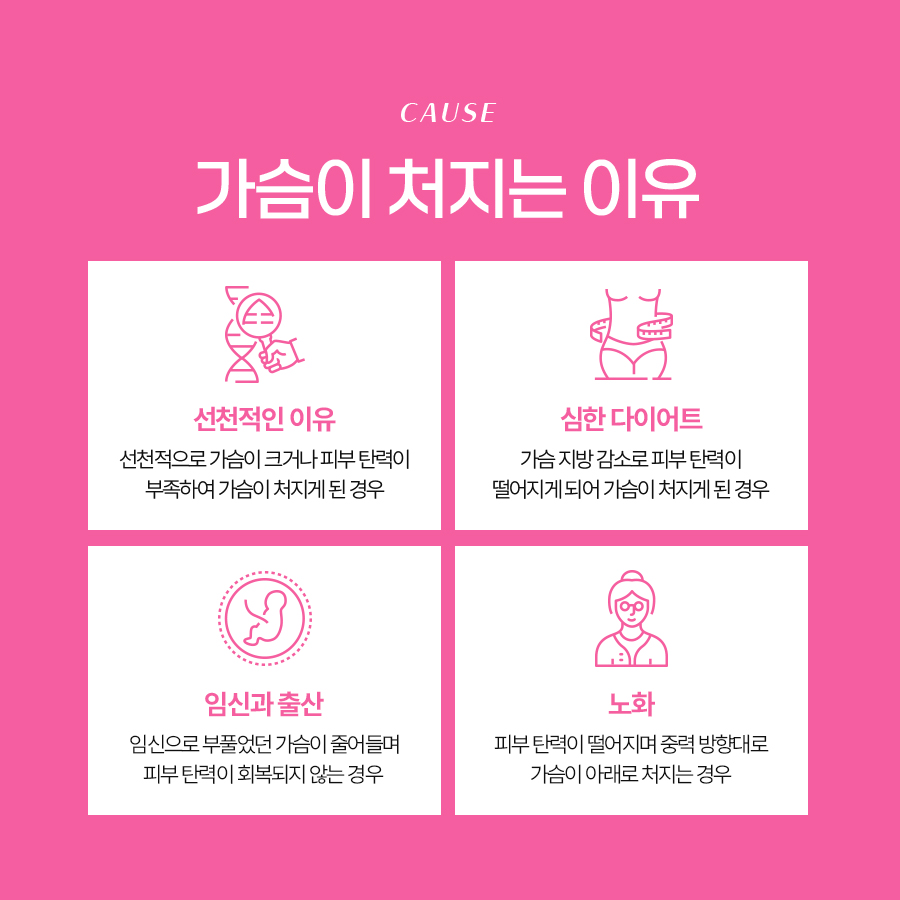
Breast ptosis can be seen as a change that gradually progresses as various environmental and physical factors work together, regardless of age. The long-term effect of gravity naturally draws breast tissue downward, and when changes in collagen and elastin that support the skin are added, maintaining elasticity may feel different from before.
In addition, as weight repeatedly goes up and down, the tension in the skin surrounding the breasts and the internal tissue changes, and after pregnancy and breastfeeding, there are also many cases in which volume distribution is reorganized due to changes in glandular tissue. Added to this are genetic factors such as an individual’s natural skin characteristics and tissue structure, which means the shape and progression rate of breast ptosis vary from person to person.
For this reason, breast sagging surgery cost should not be compared simply on a one-to-one basis. It is important to judge it by comprehensively considering the current condition and its causes, and the correction process also requires a personalized plan.
How is breast ptosis categorized?
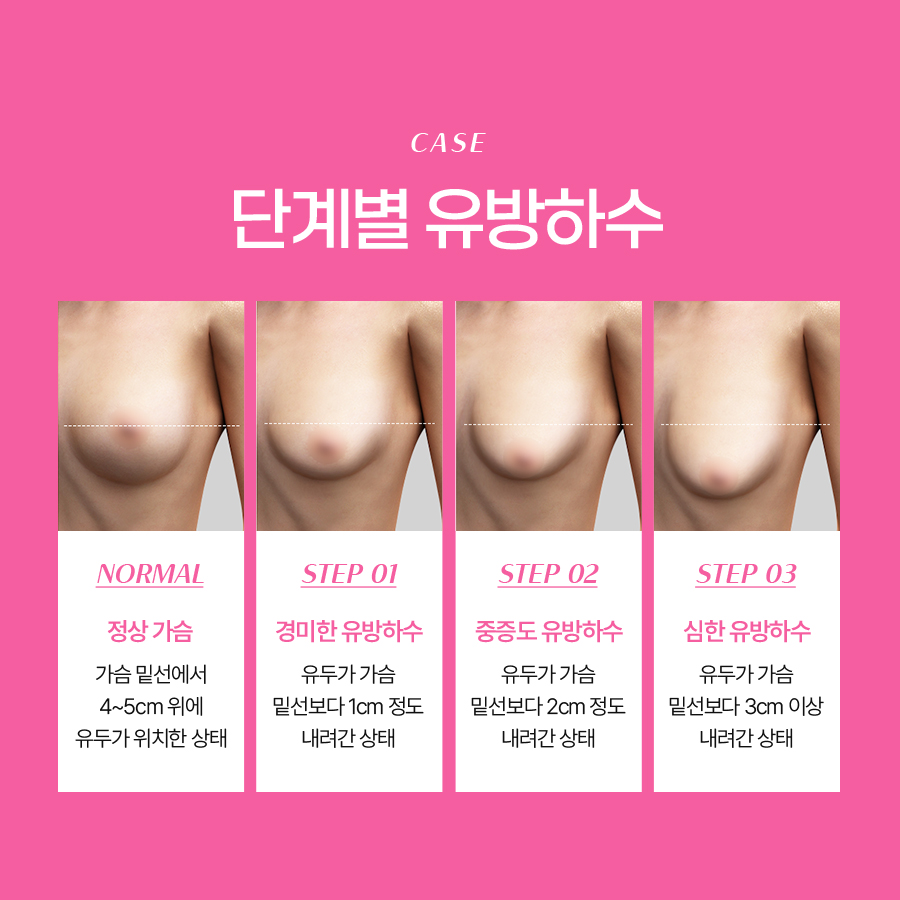
When considering breast ptosis correction surgery, the first step is to objectively check the current position and shape of the breasts. Usually, the condition is classified based on where the nipple is located and its relationship to the inframammary fold. If the nipple is located at a height similar to the fold, the change is judged to be relatively mild. If it has moved below the fold but the overall breast contour is still maintained, it can be considered a moderate stage.
On the other hand, if the nipple points downward and tissue is concentrated in the lower part of the breast, it is classified as a more pronounced degree of sagging. This classification is used as a reference for setting the surgical approach, and in practice, a plan is made by considering various factors such as the amount of excess skin, tissue volume, and the shape of the rib cage. Because the approach changes depending on the condition, breast sagging surgery cost is generally determined according to the individual’s breast characteristics and the scope of correction rather than by a single standard.
How is breast ptosis correction performed?
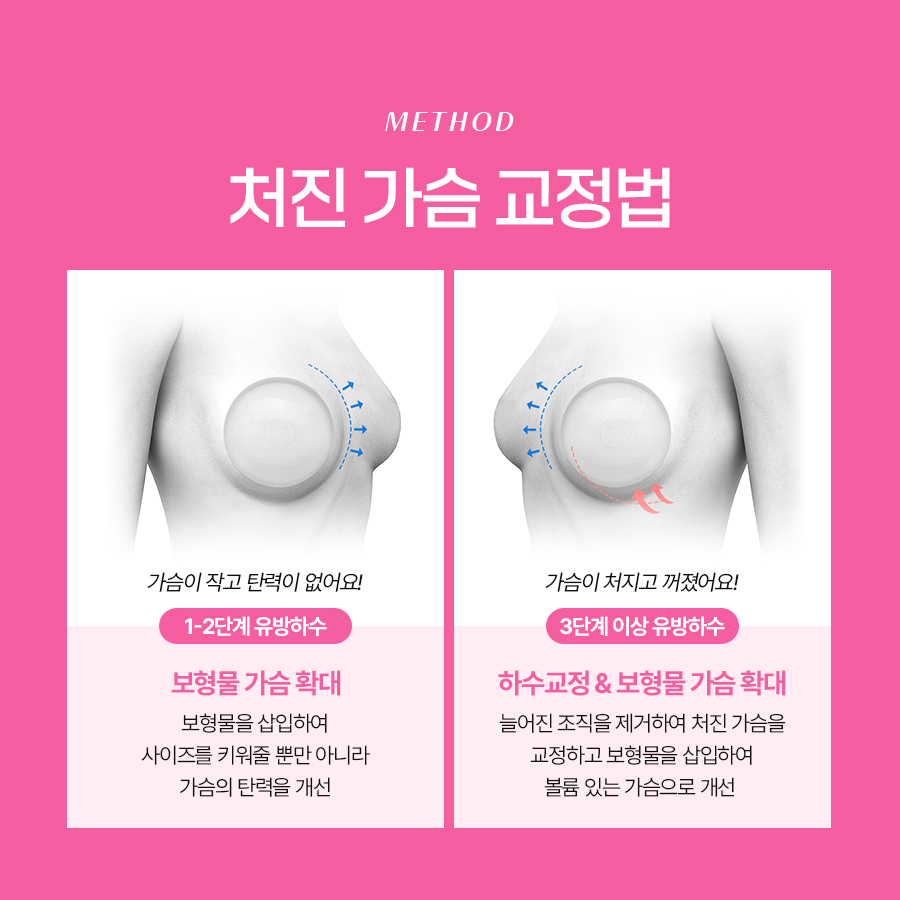
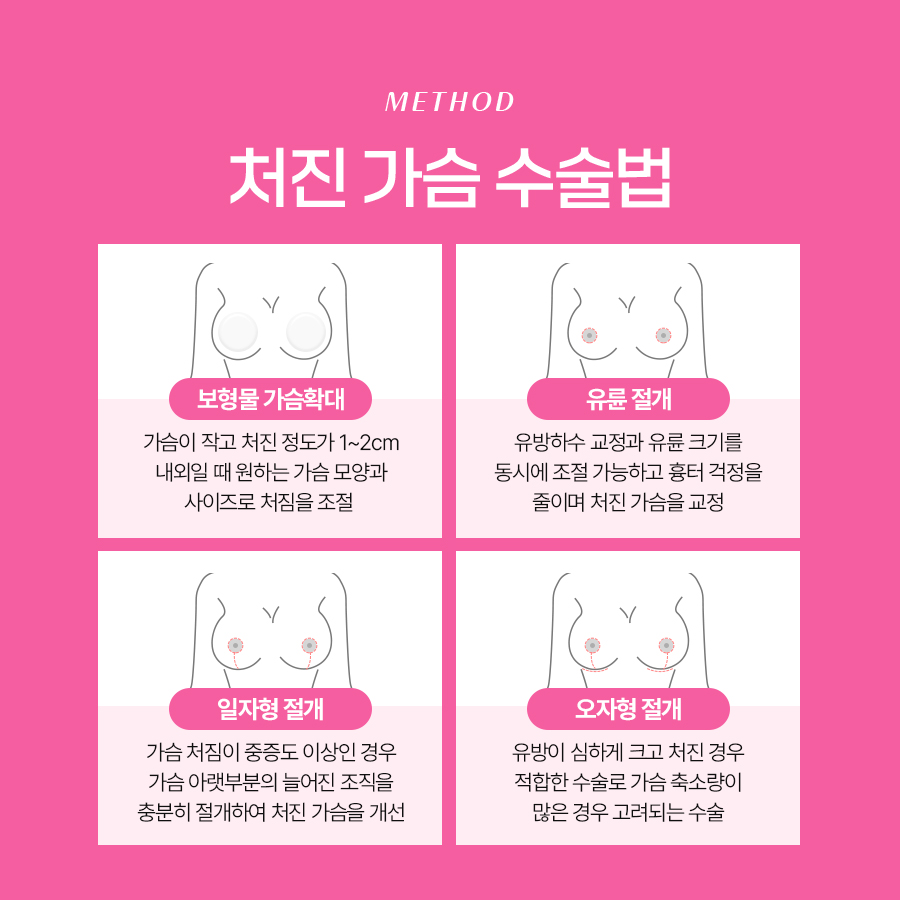
Breast ptosis correction surgery should be understood not as simply lifting sagging breasts, but as a process of reorganizing the entire structure. After appropriately trimming loose skin, the breast tissue is repositioned to a more stable upper location, with the goal of creating a volume distribution that harmonizes with the upper-body line. At this time, a plan is made by carefully considering the direction and range of tissue movement, where the nipple and areola should be placed, how much skin should be removed, and the balance between the left and right sides.
In some cases, implants may also be used depending on the individual’s body type or desired contour. This can be seen as one option for improving the overall completeness of the shape. Because these various elements are reflected together, breast sagging surgery cost can also vary depending on the scope and composition of the surgery, and it is important to determine the direction through sufficient consultation.
In what cases do people consider correction?
There is no fixed standard for breast ptosis correction surgery; more often, it is prompted by changes felt in everyday life. People naturally become interested when they notice that the upper-body line looks less defined when wearing clothes than before, or that the fit of the same clothes feels different. It can also become a reason to consider correction when the silhouette seen in the mirror seems different from the past, or when the balance of the upper body feels off compared with the overall body shape.
At this stage, breast sagging surgery cost is also considered, but above all, the important thing is to judge based not on other people’s opinions or comparisons, but on your own satisfaction with your current physical condition and changes. It can be helpful to carefully review the direction you need through sufficient information and consultation.
Breast ptosis correction surgery should be understood not simply as a choice to change the visible shape, but as a process of reexamining and organizing the body balance that has changed over time. If the current position and tissue condition of the breasts are accurately assessed and the procedure is carried out based on a systematic plan, a natural and stable upper-body line without excessive results can be expected.
At the same time, breast sagging surgery cost should not be judged as just a number; it is necessary to consider that it can vary depending on the individual’s condition and the scope of correction. Above all, because everyone’s body shape and the pattern of change are different, it is important to check enough information and choose the direction that suits you after careful consultation.