
Why Axillary Scar from Breast Augmentation Is Considered in Breast Revision Surgery

Because breast augmentation outcomes can be viewed differently over time depending on each person’s body type and the image they are aiming for, there are not a few cases in which people look into breast revision surgery after their initial procedure to reconsider changes in volume, adjustment of the line, and overall balance. In this process, the incision method is reviewed as an element just as important as the implant itself.
In particular, as interest in breast augmentation axillary scars has increased, the axillary incision approach, which accesses the breast through a path other than the breast itself, is being mentioned as one of the revision surgery methods. In this article, we will organize the overall surgical flow and explain how an axillary incision is applied in breast revision surgery from an information-focused perspective.

Reasons to consider breast revision surgery
Breast revision surgery can be understood not simply as reversing the results of the first operation, but as a process of redesigning the breasts to reflect changed physical conditions and current aesthetic standards over time. Even volume and lines that were satisfying at first can change in the position or shape of the breasts after lifestyle changes, weight gain or loss, pregnancy and childbirth, and the natural aging process, leading some people to consider revision surgery for a more harmonious silhouette.
In this process, not only the condition of the existing implant but also changes in the skin and tissue must be reviewed together, so questions about the approach naturally arise as well. Along with interest in breast augmentation axillary scars, the choice of incision site is treated as an important factor. Since revision surgery is a stage of making detailed adjustments based on the body’s current condition, the incision method is also carefully determined within the overall plan.
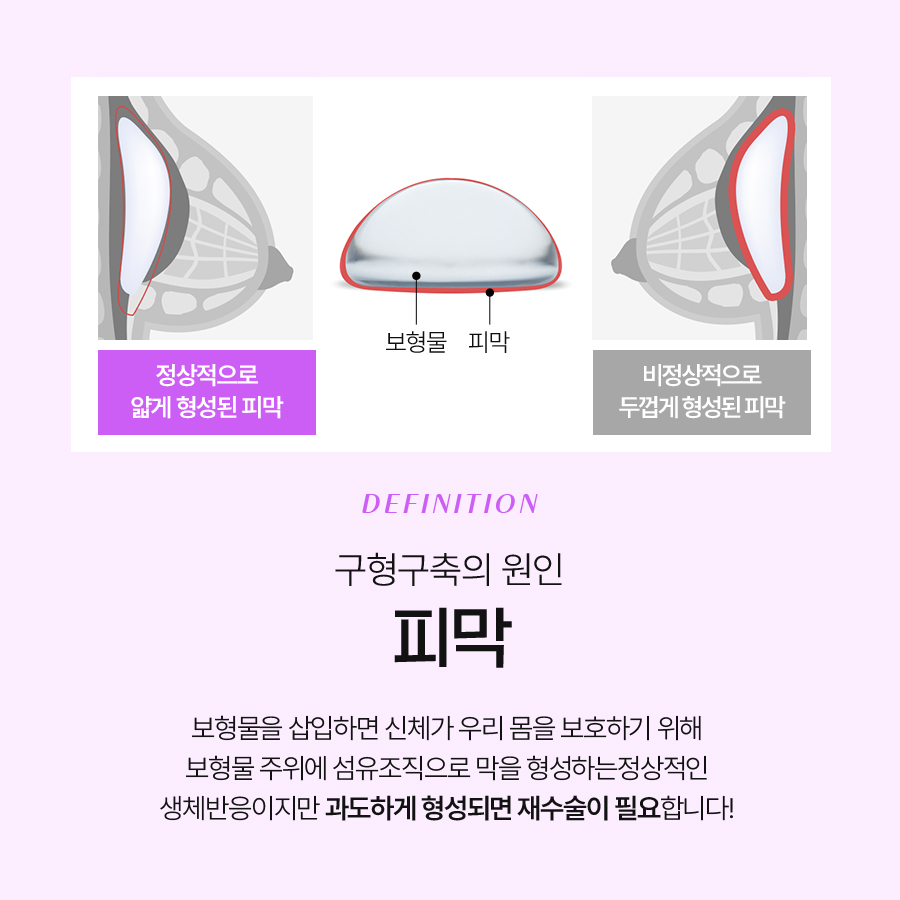
Understanding the axillary incision approach
The axillary incision method refers to making an incision along the crease of the armpit that naturally forms when the arm is lowered, and accessing the internal breast space through that route. Because it enters from the outside without directly affecting the breast surface, how the access route is designed during the surgical planning stage becomes important.
In breast revision surgery, it can be used for various purposes such as checking the position of the existing implant, reorganizing the internal space, and inserting a new implant. In this process, information about breast augmentation axillary scars is also taken into account. In particular, if an endoscopic device is used together with the procedure, the internal structures can be examined more precisely while the surgery is being performed, allowing for a systematic approach even in complex situations such as revision surgery.

Why incision selection is important in revision surgery
Because breast revision surgery involves reworking tissue that has already undergone surgery, the approach is considered from a different perspective than in the first operation. Rather than repeatedly using the previous incision site, a new path into the area may be discussed, and in this context, an axillary incision is considered one option.
The fact that implant replacement or position adjustment can be performed without directly re-incising the lower breast or areola area helps make the surgical plan more flexible. In addition, because the approach can vary depending on each individual’s breast shape, tissue condition, and the purpose of the revision surgery, the incision location is comprehensively evaluated based on an understanding of breast augmentation axillary scars.

Finding the revision surgery direction that suits me
When planning breast revision surgery, it is necessary to consider not only choosing one method but also the current condition of the breasts and the direction of the desired change. The incision method is one of the important criteria in this judgment, and the axillary incision may also be reviewed depending on the individual’s condition among several approaches.
In particular, it is helpful to compare the incision site, implant type, and extent of surgery comprehensively while also reviewing information related to breast augmentation axillary scars. Revision surgery is not a matter of simply repeating the first operation; it is a stage of newly designing the breasts to reflect the changed physical environment, so it is important to set a direction that suits you through sufficient consultation and information review.
Breast revision surgery using an axillary incision can be understood as a method of resetting the surgical direction to reflect the body’s condition after a person has already undergone one surgery. Because multiple stages are organically connected, from the incision location to internal confirmation using an endoscope and the process of replacing or repositioning the implant, it is important to fully understand the overall flow.
In particular, reviewing information related to breast augmentation axillary scars can be helpful when deciding on the incision method. If you are at the stage of considering breast revision surgery, rather than relying on fragmented information, it is necessary to receive sufficient explanations tailored to your current condition and goals and carefully determine the direction.