Why Contouring the View Breast Fat Removal Line Matters

As the seasons change and clothing becomes lighter, the underarm line that you may not have paid much attention to before often comes into view. Folds that appear when moving your arms or volume that shows outside your bra can be a concern regardless of body shape or weight, and in many cases these changes are related not simply to fat, but to an accessory breast.
Recently, as people have become more interested in understanding and managing this area in a more structural way, attention to correction methods, including accessory breast fat removal, has naturally increased. In this article, we will organize the overall information, from the concept of an accessory breast to why correction may be considered and in what cases it can be helpful.
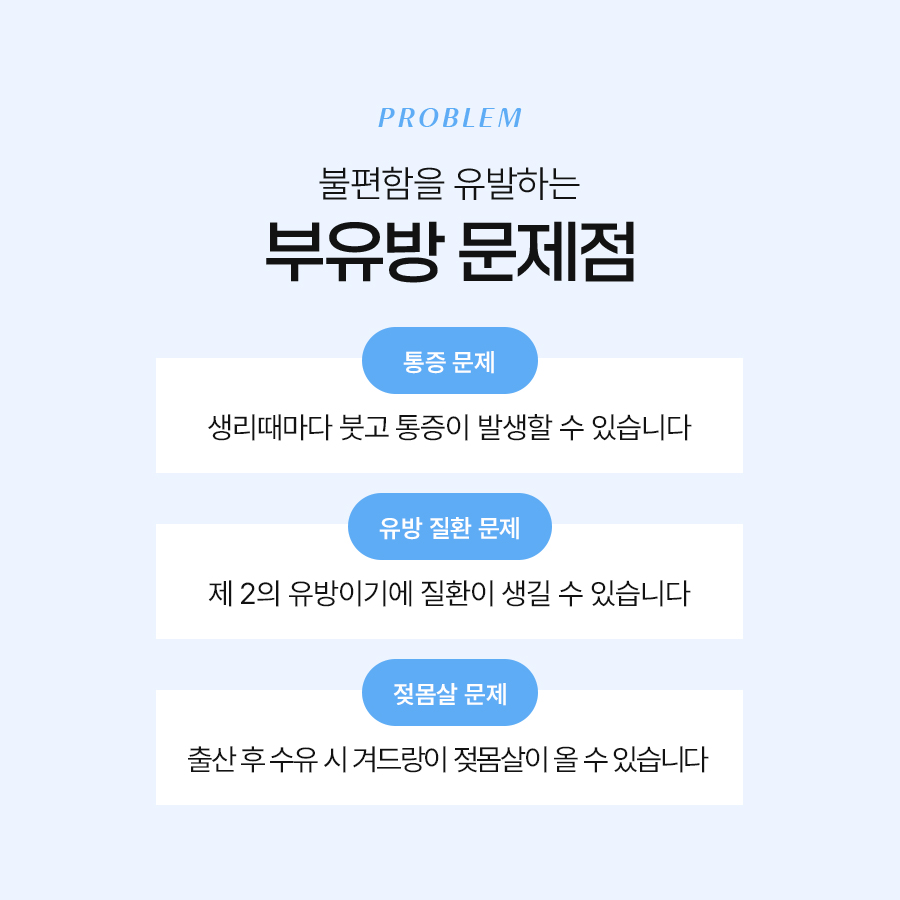
What Is an Accessory Breast?
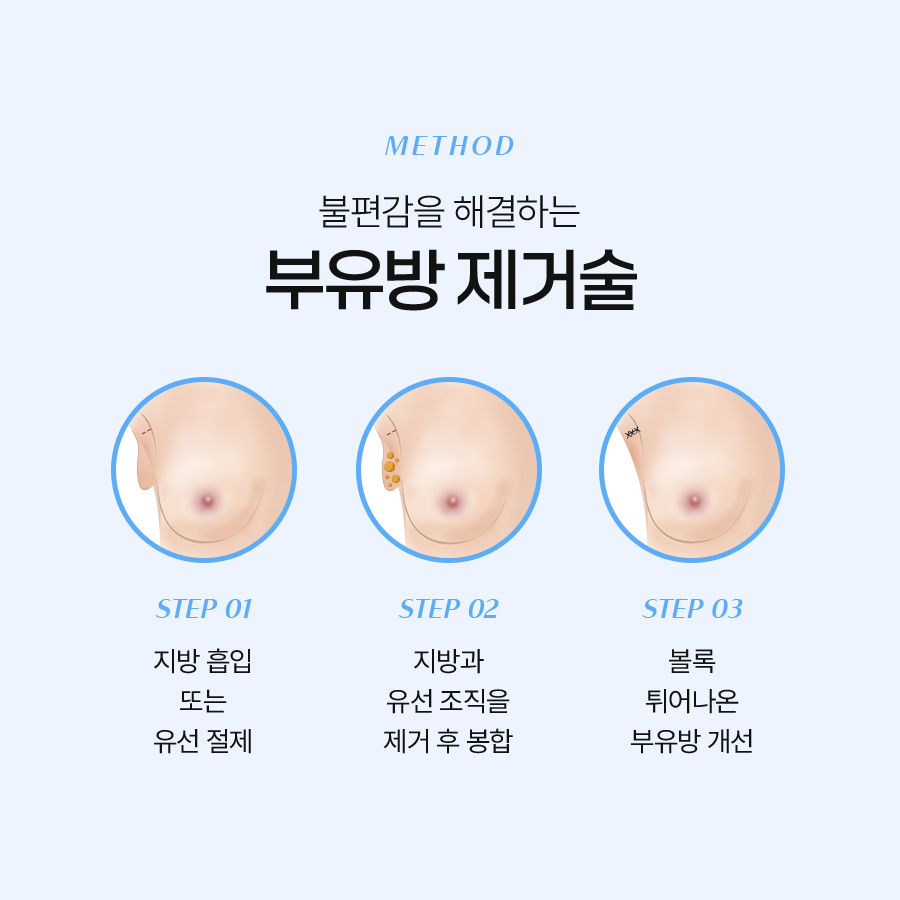
An accessory breast refers to a condition in which glandular tissue or fatty tissue is present in an area outside the usual location where the breasts are positioned, and it is most commonly found near the underarm. Depending on the person, it may appear connected to the breast line from the front of the underarm, or it may seem to spread toward the back of the arm, giving an impression different from simple side fat.
This accessory breast is known to form when glandular tissue is not naturally resolved during development and remains, or when some traces of breast development from the fetal stage are retained. Although it may look like added fat from the outside, its internal structure differs from ordinary fat, so changes in weight or exercise alone often do not make a big difference. For that reason, management methods such as accessory breast fat removal, which take the characteristics of the area into account, are also being discussed and broadening the understanding of the condition.
A Perspective on the Upper-Body Line
The reason accessory breast correction is drawing attention is not simply to reduce visible volume, but to create a more refined overall upper-body line. When the area around the underarm is naturally contoured, the silhouette looks smoother when wearing clothes, and even with a bra on, the breast line is less likely to shift to one side, giving a clearer sense of center.
In addition, as the unnecessary folds that appeared when moving the arms are eased, the overall body image can feel cleaner because attention is not drawn away during activity. Because this kind of change is closer to organizing the flow while considering the body’s connecting lines, rather than overemphasizing a specific area, it is increasingly understood as an approach to managing the upper-body line through accessory breast fat removal that reflects the characteristics of the area.
How Is Accessory Breast Correction Performed?
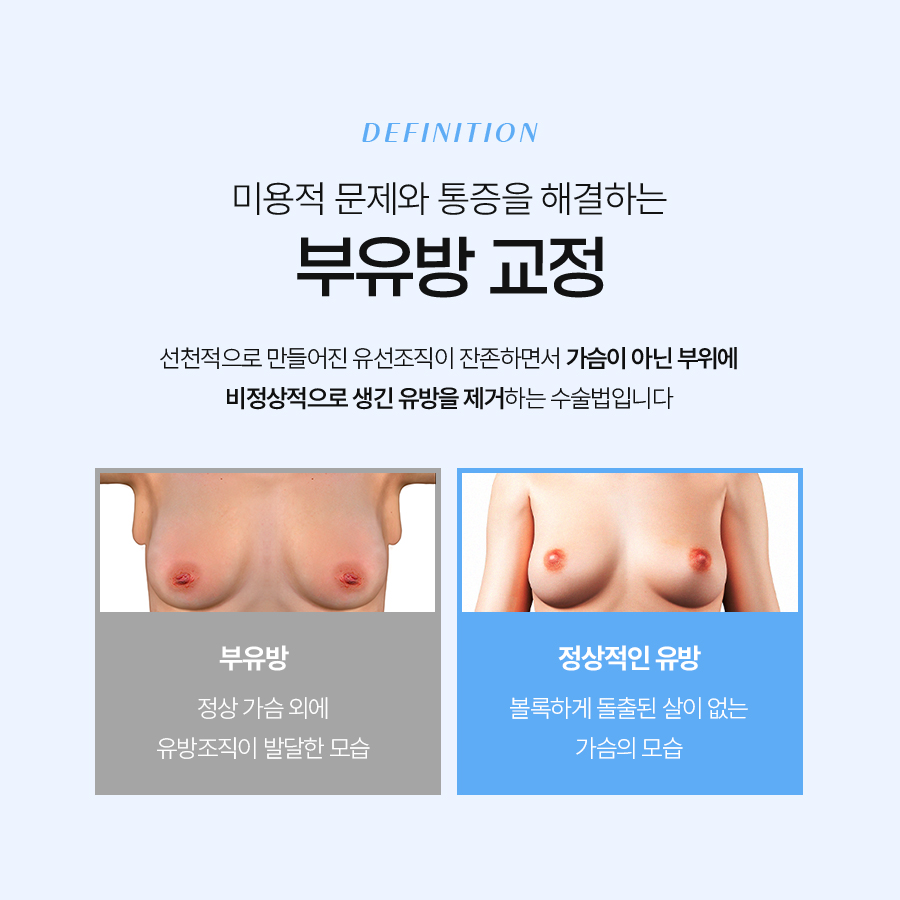
Accessory breast correction is not carried out according to a single standard. Rather, it can be understood as a process of first examining what tissues make up the area and then setting a direction that matches those characteristics. If the volume around the underarm is composed mainly of fat, the focus is on gently refining it while also considering the adjacent shoulder line and arm line, with an emphasis on natural continuity so that overly sharp boundaries do not appear.
If glandular tissue is included, the plan is made by carefully checking the location and extent while reflecting the structural characteristics that differ from simple fat, so that it harmonizes with the line of the central chest. If both fat and glandular tissue are present, a customized plan is needed that distinguishes between the two and considers the characteristics of each, adjusting the overall flow so that the curve from the underarm to the chest does not look unnatural. In this process, accessory breast fat removal is mentioned as one method suited to the nature of the area, and the approach is to help organize the upper-body line in a more balanced way.

When Is Accessory Breast Correction Considered?
Accessory breast correction is often brought up naturally when the shape of a particular area always feels similar regardless of weight gain or loss. If the volume near the underarm does not change easily despite consistent care, or if wearing a bra repeatedly pushes the tissue to the side and makes it uncomfortable to wear, concerns about the line itself tend to follow.
Interest also grows when the upper-body silhouette does not feel smooth in sleeveless or fitted tops, or when even with full-body exercise, only one area changes particularly slowly. In this context, accessory breast correction is considered based on the line imbalance that a person feels, rather than on body type or the weight shown by numbers, and accessory breast fat removal tailored to the characteristics of the area is also mentioned as a management option.
Accessory breast correction can be understood not as a method for simply reducing the volume of a specific area, but as a process of organizing the overall upper-body line into a single flow to enhance balance. When the silhouette running from the underarm to the chest, shoulder, and arm is naturally connected, the impression of clothing and the overall body image can also feel different.
Most importantly, the key is to approach it not by forcing yourself to fit a fixed standard, but by focusing on your current body condition and the points where discomfort is felt. Once you fully understand the structure and characteristics of an accessory breast, it can be recognized as an area to be managed rather than left as an unclear complex, and in that process, carefully examining what methods such as accessory breast fat removal mean can also be a starting point for organizing concerns about the upper-body line.