Breast Ptosis Correction Surgery: A Choice for Restoring the Breast Line

The breasts are a physical feature that affects body balance and the overall impression a person makes. It is very natural for their firmness and position to change over time, or through experiences such as childbirth, breastfeeding, and weight changes. However, as many people feel that these changes alter the sense of balance in their body shape, interest in breast ptosis correction surgery, which considers not only simple cosmetic improvement but also individual physical conditions and lifestyle patterns, has been gradually increasing in recent years.
In this article, I will calmly explain the overall topic in an information-focused way, from how sagging breast surgery is performed to who it is for, the surgical methods and design direction, the recovery process, and the changes after surgery.
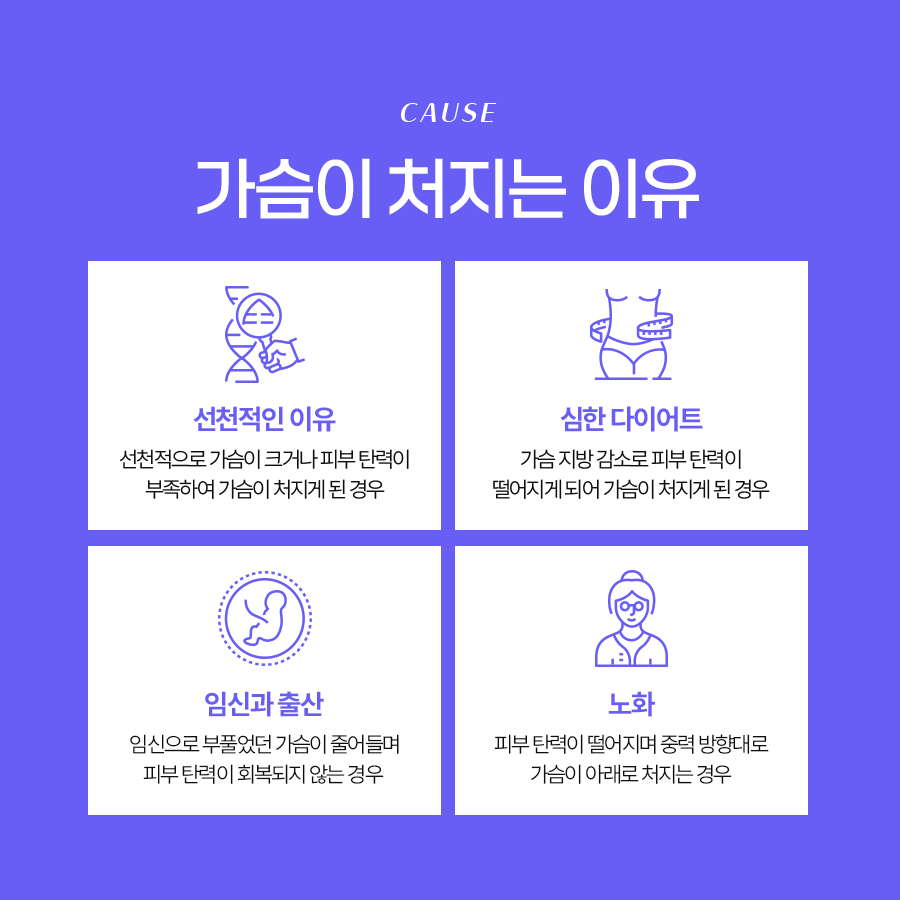
Criteria for Sagging Breasts and the Medical Definition
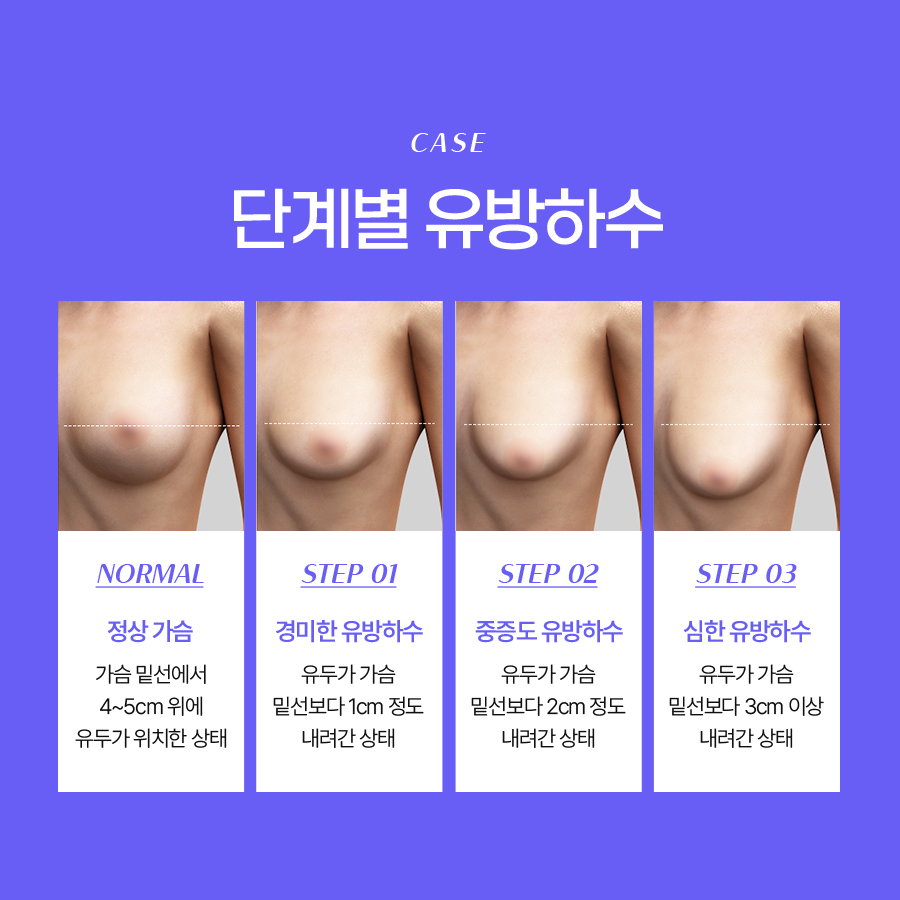
Sagging breasts are medically explained as breast ptosis, and this is judged based on whether the nipple position has fallen below the inframammary fold. It is not determined simply by whether the breasts are large or small; rather, it is a phenomenon caused by changes in skin elasticity and the internal structures that support the breasts, and it can occur even when the breasts are not particularly voluminous.
This sagging is classified into stages by comprehensively considering nipple position, distribution of the lower tissue, and skin elasticity. This classification process is an important standard for designing corrective methods, including breast ptosis correction surgery. Therefore, rather than judging the condition based only on a subjective feeling, it is preferable to first objectively analyze and diagnose the current position and shape of the breasts.
The Direction of Correction Sought by Sagging Breast Surgery
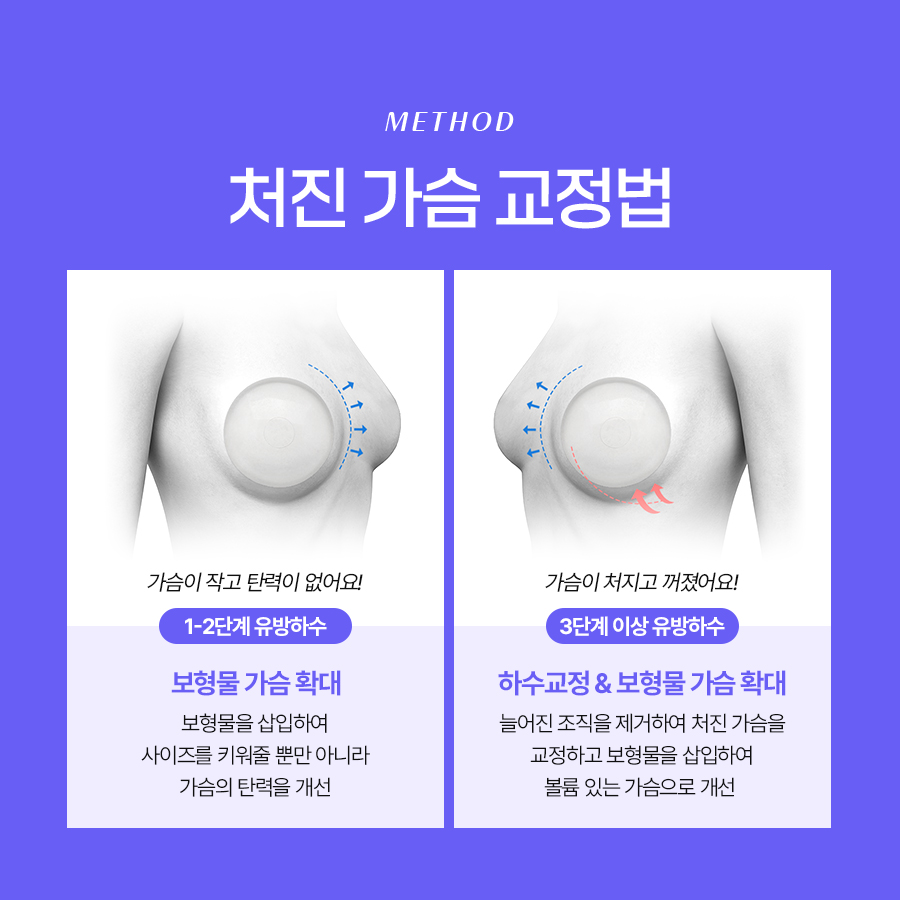
Sagging breast surgery is intended to organize and reposition the skin and tissue of breasts that have descended due to the passage of time or various causes, with the goal of returning the center position of the breasts to a more stable point. Rather than simply adding volume to change the size, the key is to redesign the overall contour and balance through a process that adjusts the positions of the nipples and areolas, removes loose skin, and structurally secures the internal tissue.
In this respect, the approach differs from that of general breast augmentation surgery, and breast ptosis correction surgery that takes into account an individual's body shape and breast condition aims for a naturally refined upper-body silhouette.
Surgical Approaches That Vary Depending on the Degree of Sagging
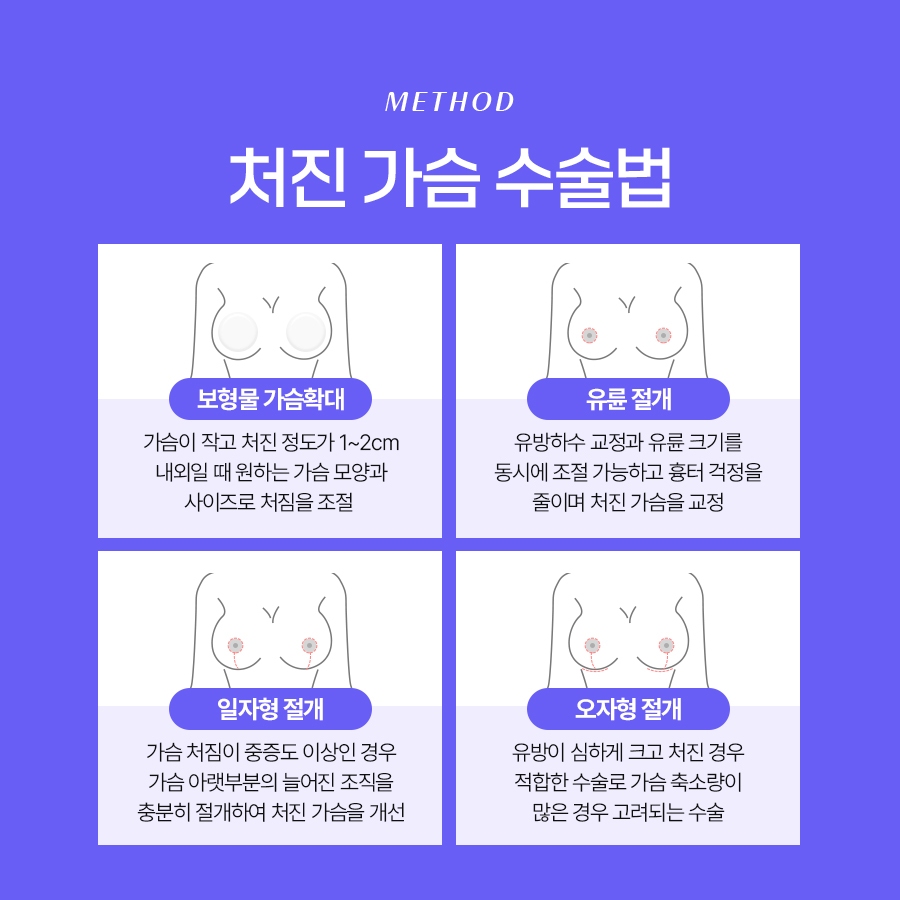
Sagging breast surgery applies different incision methods and correction ranges by comprehensively considering how far the breasts have descended, skin elasticity, and the existing breast size. When the sagging is relatively mild, a method that makes an incision around the areola to adjust its position may be used. When a wider area needs to be addressed, a vertical incision below the areola is added to reposition the skin and tissue.
When sagging has progressed more clearly, an approach may be taken that adds an incision along the inframammary fold to refine the overall contour in greater detail, and this choice leads to a design that considers the structural stability of the breasts. As such, it is important to understand that the incision methods used in breast ptosis correction surgery are not a matter of superiority or inferiority, but rather a choice suited to the current condition of the breasts.
A Sense of Body Balance Felt Through Postoperative Changes
After sagging breast surgery, as the position of the breasts is stably arranged and the center of the upper body is formed higher, many people feel that the overall silhouette has changed when wearing clothes. As the breast line is refined, the fit of tops may appear more natural, and many people also say they feel that the overall balance of their body shape has changed.
In addition, through breast ptosis correction surgery, some people say they feel more supported by their bras or that they are able to choose a wider variety of clothing designs than before. These changes are not limited to appearance; they can also be understood as leading to greater satisfaction and confidence in daily life.
Sagging breast surgery is not simply a process of changing appearance; it is a surgery that gives meaning to reorganizing the position and shape of the breasts to match the body and restore balance. When a delicate design and an approach that takes lifestyle patterns into account are carried out with a full understanding of each individual's different anatomical structure, breast ptosis correction surgery can lead to more stable results.
I hope this article has helped clarify the parts of sagging breast surgery that may have felt vague and allowed you to understand the information from a more objective perspective. Above all, before deciding whether to undergo surgery, it is important to recognize and respect your own physical condition accurately, and I hope you will keep in mind that this is the starting point.