
What Is Different About Revision Surgery for Capsular Contracture After Breast Augmentation Compared to the First Surgery?

Breast augmentation is known as a surgery that not only helps balance the body’s proportions but also affects personal satisfaction and image formation. However, as time passes after surgery, there are cases where the feel or shape of the breasts is perceived as different from the initial result, and during this process of change, people may come across the term capsular contracture and consider additional measures.
In particular, revision surgery for capsular contracture after breast augmentation is not simply a matter of repeating the original procedure, but can be understood as a process of redesigning the surgical direction once again based on the current condition. In this article, I would like to calmly organize, with a focus on information, how revision surgery is considered after capsular contracture occurs and what criteria are used to establish a plan.

Concept and background of capsular contracture
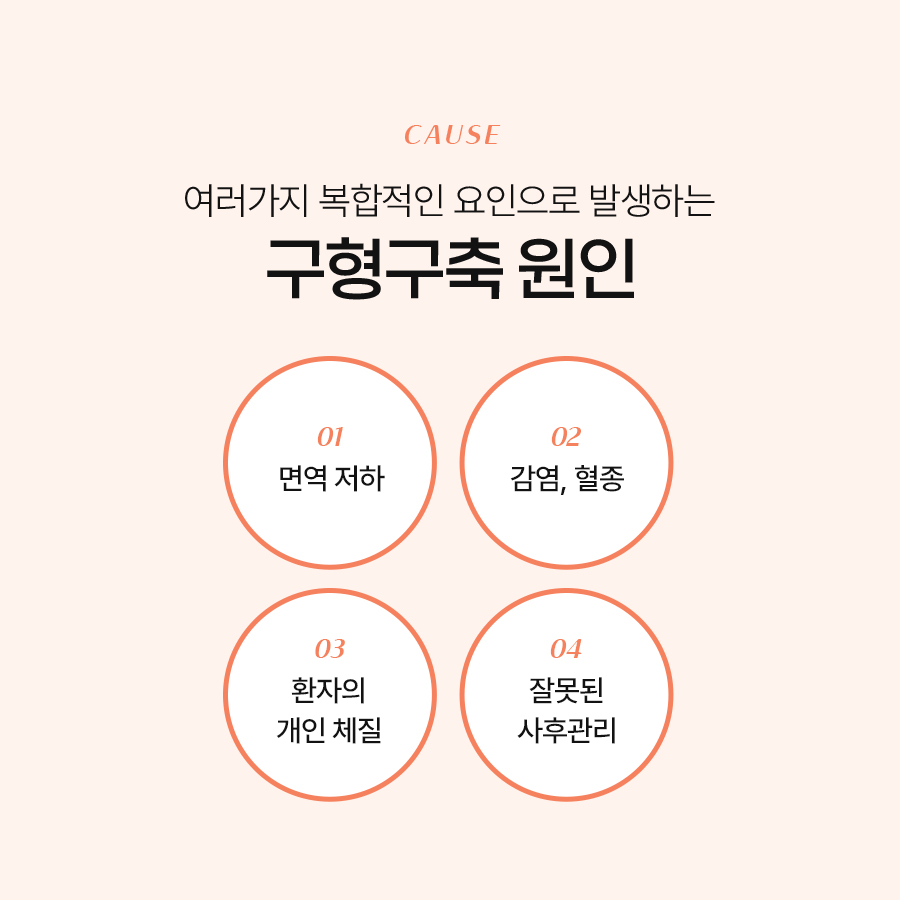
Because implants inserted during breast augmentation are recognized by the body as foreign materials, a thin membrane naturally forms around the implant as a reaction to surround and protect it. This membrane is called a capsule, and in most cases it remains in a stable condition without any particular problems. However, when multiple factors such as an individual’s constitution, the recovery process, and the surrounding tissue environment act together, the properties of the capsule may gradually change and show signs of hardening or contracting.
When these changes progress, the implant may become compressed or deformed, and the breast may feel firmer than before while also giving an appearance of being rounded and clumped together. This condition is called capsular contracture, and depending on the degree of change, revision surgery for breast augmentation due to capsular contracture may be considered as one option. Since capsular contracture can affect not only sensation but also the overall breast line and balance, it is important to understand its concept and progression accurately.
When revision surgery is considered
Even if capsular contracture is identified, it does not immediately lead to revision surgery, and in many cases the condition is first observed over a period of time to monitor changes. In the early stages, if there is no major discomfort in daily life and the change in appearance is not significant, management may focus on checking the progress. However, as time passes, if the breast shape gradually appears different or the balance between the two breasts becomes noticeably more uneven than before, consideration of revision surgery may begin.
In addition, changes are also recognized when the feel of the breast upon touch or the sense of implant position is clearly different from right after surgery. Because the timing and degree of what each person feels vary, revision surgery for breast augmentation due to capsular contracture is also generally planned not by a uniform standard but by comprehensively considering the current condition and the pattern of change.

How does the revision method differ?
Revision surgery for capsular contracture is often not carried out according to a single fixed formula, but instead is planned by combining several surgical elements according to the current breast condition. In particular, one important criterion in revision surgery is how to organize the environment around the implant. The state of the capsule that has already formed is examined closely, and adjustments are made within the necessary scope, or the space is reconfigured so that a new implant can settle in a stable position.
At the same time, whether to keep the existing implant or switch to one with different characteristics is also reviewed comprehensively based on the individual’s body type, the condition of the breast tissue, and the desired image. In some cases, a different plane for implant placement is chosen to create a more natural shape and balance in the breast, and these various judgments come together to determine the specific surgical direction of revision surgery for breast augmentation due to capsular contracture.

A changing perspective on revision surgery
In the past, the term revision surgery itself was often understood as implying burden or failure, but recently there has been a growing trend to see changes that may occur after breast augmentation as part of a natural process. This is because information about surgical methods and implants has accumulated, and an environment has been established in which surgical plans can be made by analyzing each person’s breast condition in greater detail.
In particular, revision surgery due to capsular contracture is sometimes understood not simply as a problem having occurred, but as a process of readjusting balance once again in line with tissue conditions and body shape that have changed over time. Amid this shift in perception, revision surgery for breast augmentation due to capsular contracture has established itself as one option to consider, while the importance of an approach tailored to the individual’s situation is also being emphasized.
Revision surgery considered due to capsular contracture can be understood not simply as repeating a previous operation, but as a process of setting a new direction by looking at both the surgical history and the current condition of the breast tissue. Because the pattern of changes in the breast and the recovery environment differ from person to person, accurate assessment of the condition and a customized plan based on sufficient consultation are especially important.
Through this process, revision surgery for breast augmentation due to capsular contracture can be prepared in a more systematic way, and it can help people understand and judge the situation through information rather than vague worry. I hope this article serves as a useful reference for organizing the flow and criteria behind revision surgery for capsular contracture.