
Hospitals That Specialize in Breast Augmentation: Surgical Approaches by Plane

When looking into breast augmentation surgery, you often come across the terms dual-plane and triple-plane methods. These two methods are not simply about deciding where to place the implant; they are surgical concepts that differ depending on how the anatomical structure of the breast is understood and designed. Because the shape and tissue harmony can vary depending on how the implant is distributed between the layers under the muscle and under the glandular tissue, it is important to accurately understand these structural differences.
In practice, hospitals that specialize in breast augmentation design the plane by comprehensively considering factors such as a person’s skin thickness, degree of glandular development, and chest wall shape. Today, I will calmly organize, from an informational perspective, how the dual-plane and triple-plane methods are distinguished according to their principles.
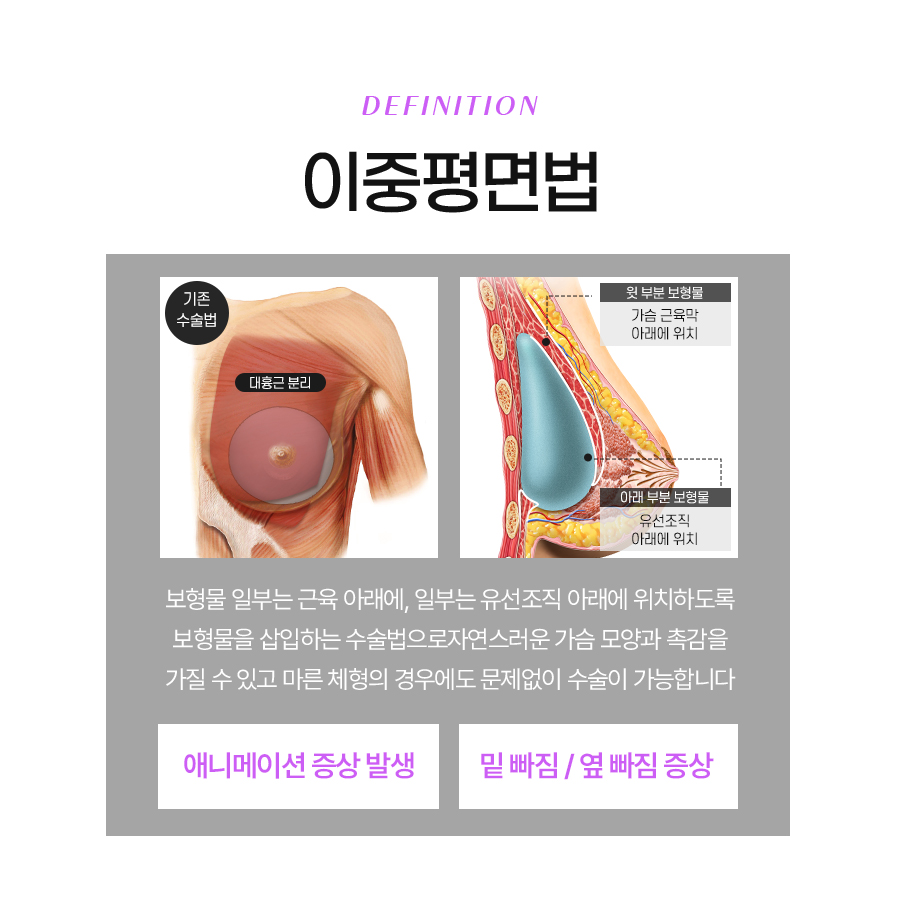
Understanding Breast Anatomy and the Planes
When planning breast augmentation surgery, the first thing to consider is the basic structure of the breast. The breast consists of skin, subcutaneous fat, glandular tissue, and the pectoralis major muscle, and the final shape and feel can change depending on which layer the implant is placed under. In the past, it was common to place implants simply under the glandular tissue or under the muscle, but in many cases it was difficult to achieve natural results depending on body type, skin thickness, and the amount of breast tissue.
For this reason, the concept of “designing by dividing the planes” has recently emerged, and the dual-plane and triple-plane methods have become representative approaches. In fact, hospitals that specialize in breast augmentation carry out customized surgical planning based on this structural understanding, determining the plane in which the implant can sit naturally by considering the anatomical characteristics of the upper body and breasts.
Understanding the Dual-Plane Method and Its Design Principles
As the name suggests, the dual-plane method is a way of placing the implant using two anatomical planes. The space is divided so that the upper part of the implant is under the pectoralis major muscle and the lower part is under the glandular tissue. The reason the upper part is covered by muscle is to create a natural transition so that the implant border is not noticeable, and it especially allows for stable volume expression in people with a slim build or thin upper tissue.
The lower part secures a space under the glandular tissue that can expand flexibly without being restricted by the muscle, helping the implant settle naturally downward. With this structural design that considers both muscle support in the upper part and flexible expansion in the lower part, a balanced curve can be achieved. In hospitals that specialize in breast augmentation, this plane arrangement is precisely adjusted to match each person’s breast structure and body type, focusing on creating natural volume and lines.

The Structural Development and Customized Design of the Triple-Plane Method
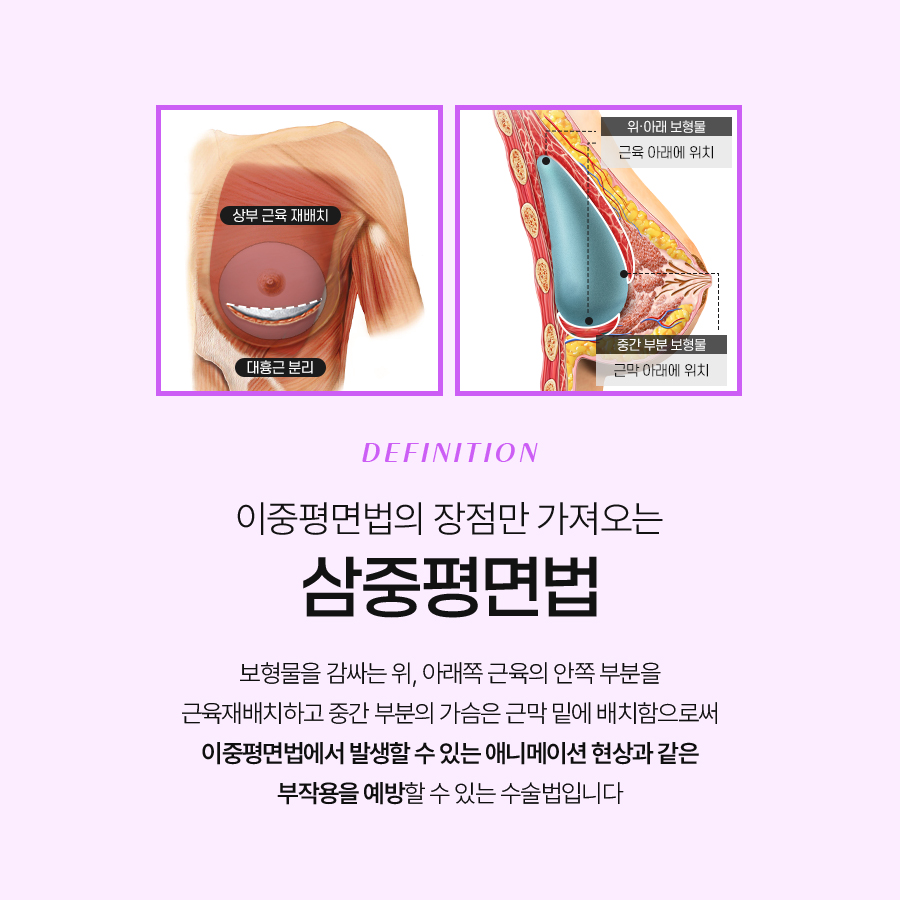
The triple-plane method is a more finely segmented approach than the traditional dual-plane method. It uses both the space under the muscle and the space under the glandular tissue, while also precisely adjusting another plane according to tissue tension and position. Specifically, by placing the implant under the muscle in the upper part, in the area between the muscle and the glandular tissue in the middle part, and in the space under the glandular tissue in the lower part, the breast is divided into three zones, allowing the relationship between the implant and surrounding tissue to be designed in detail.
This structural segmentation makes customized design possible depending on body type or the existing breast shape, and has the advantage of considering both natural curves and balanced volume. In practice, hospitals that specialize in breast augmentation apply the triple-plane method by comprehensively evaluating the patient’s skin thickness, degree of glandular development, and chest wall structure, thereby designing the optimal implant position and shape for each individual.
The Precise Structure of the Triple-Plane Method
Unlike the traditional method of simply dividing the breast into upper and lower portions, the triple-plane method finely controls the extent of dissection between the muscle and glandular tissue to carefully design implant position. Depending on the degree of breast ptosis and the amount of skin laxity, the depth of each area is set differently; the lower part is secured more flexibly so the implant can settle naturally, while the upper part is sufficiently covered by muscle to maintain stability. In the middle area, the space is meticulously adjusted to minimize implant pressure and visible borders in accordance with tissue thickness and elasticity.
This precise use of a three-layer structure makes it possible to create a customized design that fits the patient’s body type and breast shape, and hospitals that specialize in breast augmentation focus on achieving natural volume and balanced lines through this approach.
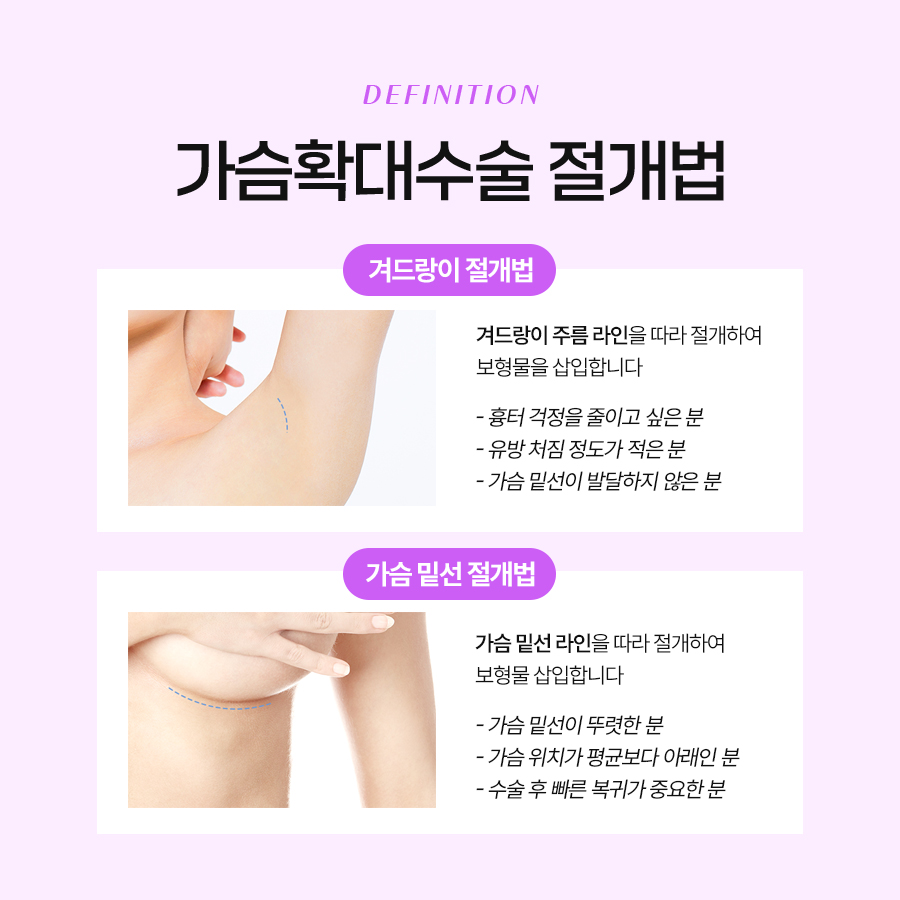
Both the dual-plane and triple-plane methods place implants by considering anatomical layers, so their approach is fundamentally different from older methods that simply inserted the implant into one layer. The dual-plane method divides the upper and lower portions, aiming to achieve both upper stability and a natural lower curve. The triple-plane method further subdivides this, enabling a more precise design tailored to each individual’s tissue condition and breast shape.
Ultimately, the key to surgery is not the name of the method itself, but the process of comprehensively evaluating anatomical conditions such as the patient’s body type, skin thickness, and degree of glandular development, then applying the appropriate design and precise technique. Therefore, hospitals that specialize in breast augmentation place importance on guiding patients so that, through sufficient consultation and detailed examinations, they can understand and choose the best method suited to their goals and body type.