Inverted Nipple Correction Surgery Review: Correction Principles and Expected Changes

An inverted nipple is not simply an appearance issue; because it is connected to the ductal structure, it is a condition that can also affect practical matters such as hygiene management and preparation for breastfeeding. If your nipple does not protrude well in everyday life, making care difficult, or if you are planning to breastfeed after giving birth and want to consider functional aspects as well, it is important to identify the exact cause more accurately.
Recently, as correction has become possible through relatively less burdensome methods, more people are looking for related information, and in the process of wondering about actual changes, many also refer to Inverted Nipple Correction Surgery Review posts to decide on a direction. In this article, we will organize the overall content in an easy-to-understand way, from the structural reasons inverted nipples occur to the characteristics of correction methods, the recovery process, and the factors to check when considering surgery.
Structural characteristics of inverted nipples
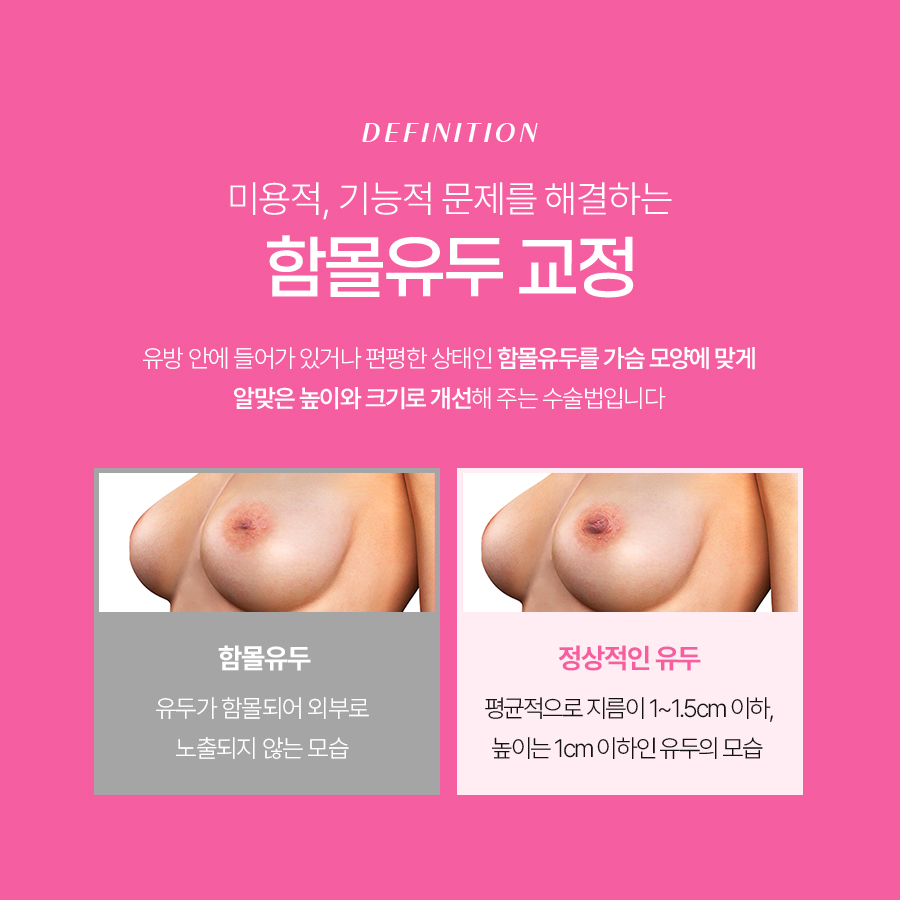
An inverted nipple refers to a state in which the nipple appears flat or tucked inward, and it is often not just a matter of being less protruded but is associated with the structural characteristics of the internal tissue. Beneath the nipple are the ducts and the connective tissue that supports them; if this tissue is congenitally short or tightly pulled, the nipple cannot protrude sufficiently outward and is drawn inward.
It may appear on only one breast or be observed on both sides, and although it most often develops naturally during growth, it can also change later in life due to inflammation, trauma, or previous surgery. Because these structural causes may be difficult to fundamentally improve with external stimulation alone, an accurate diagnosis is important. In fact, many people who are considering correction refer to Inverted Nipple Correction Surgery Review cases to compare their own condition and understand the type and cause.
Stage-by-stage characteristics according to the degree of inversion
Inverted nipples can be divided into stages according to whether they can protrude and how well they stay protruded, and this is an important standard for determining the method of correction in the future. A relatively mild stage is one in which the nipple rises naturally when touched by hand or stimulated externally and maintains its shape to some extent, causing little inconvenience in daily life. In the intermediate stage, it protrudes temporarily when stimulated but then returns inward over time, reflecting a relatively strong pulling force from the internal tissue.
The most advanced stage is when the nipple does not come out sufficiently even when pulled by hand, or hardly protrudes at all. Because the structural limitation is clear, improvement through self-care alone is not easy. In fact, those considering correction sometimes refer to Inverted Nipple Correction Surgery Review cases to determine which stage their condition falls into, and the higher the stage, the more helpful a medical correction method that reliably releases the internal structure can be.
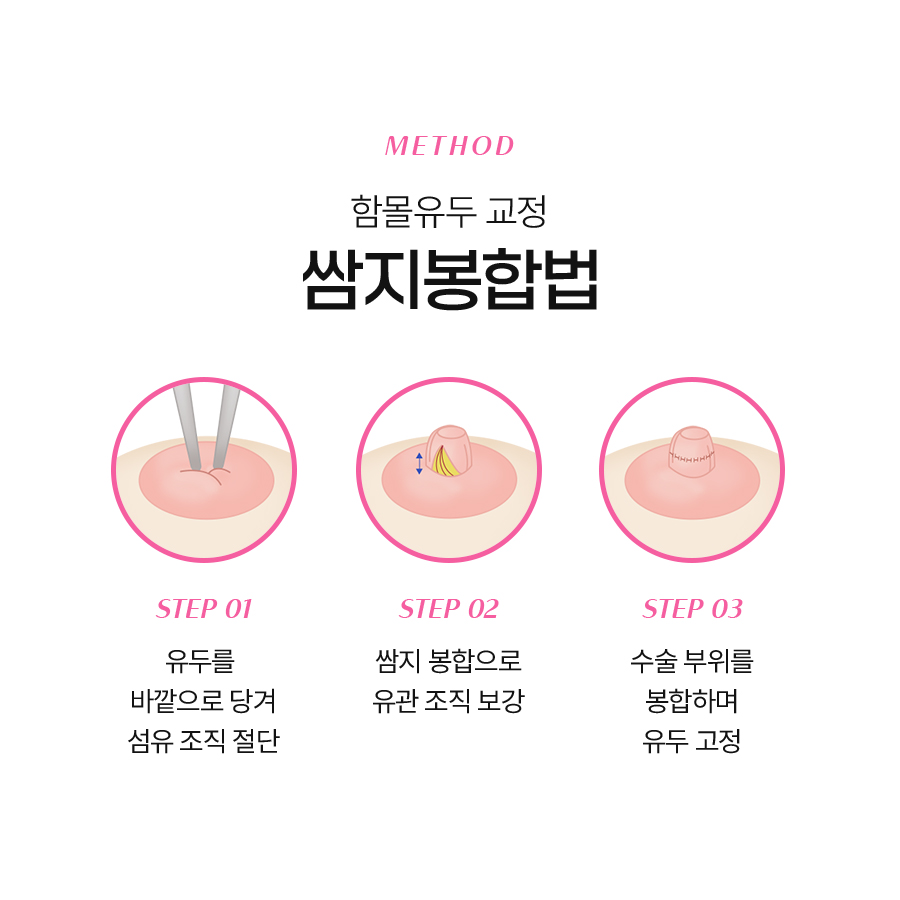
When is a correction surgery consultation needed?
If the inverted nipple is not a temporary phenomenon but is structurally fixed so that it does not protrude sufficiently even when stimulated by hand, or quickly sinks back in, it may be worth considering a more active correction method. In particular, if secretions accumulate inside the nipple, making hygiene difficult and causing repeated inflammation or discomfort, improvement may also be needed from a functional standpoint.
Those who are planning future pregnancy and breastfeeding, where nipple shape may be an important factor, are also included among consultation candidates, and situations in which a person feels discouraged or loses confidence due to appearance can also be valid considerations.
In addition, if there has been little change despite trying non-surgical methods such as assistive devices or self-stimulation, it can be helpful to set a direction through a professional diagnosis. Many people decide to consult after reviewing Inverted Nipple Correction Surgery Review posts to see cases similar to their own conditions, and this can be seen as a process of examining the possibility of functional improvement beyond simple cosmetic concerns.

Positive changes that can be expected after correction
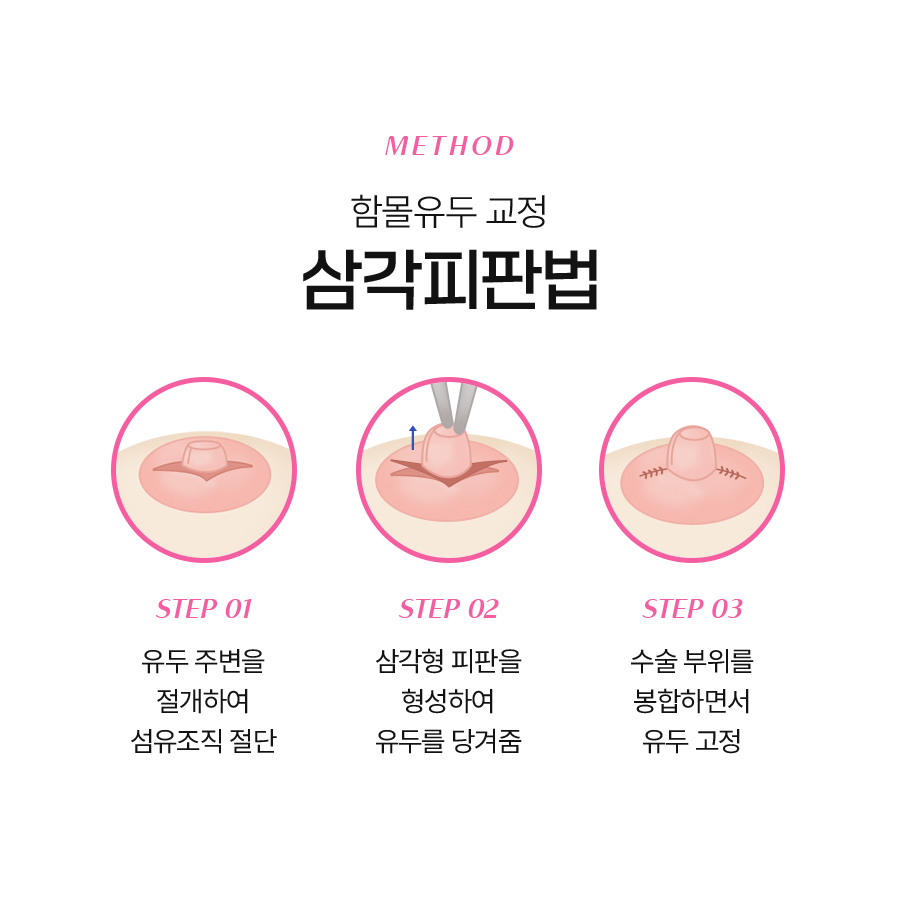
When inverted nipple correction is performed, the first noticeable change is that the nipple protrudes more stably, allowing the overall breast contour to appear more balanced. Once the inward-tucked structure is corrected, the external line becomes more natural, and the shape may look clearer even when wearing a bra.
In addition, as the environment in which secretions or dead skin cells easily collect inside the nipple improves, hygiene management becomes easier, and the burden of repeated stimulation or inflammation can also be expected to decrease. If the surgical plan considers preserving the ducts, it may also help create more stable conditions for future breastfeeding plans.
These changes often lead not only to visual improvement but also to greater comfort in daily life and psychological stability, so many people actually compare before-and-after differences through Inverted Nipple Correction Surgery Review cases to confirm the expected effects in detail.
Since inverted nipples are a structural condition closely related not only to appearance concerns but also to functional aspects such as hygiene management and breastfeeding, a careful approach is necessary if you want to improve them. Inverted nipple correction surgery, which can correct the internal tissue structure and induce natural protrusion in a relatively short time, is a method chosen by many people, and Inverted Nipple Correction Surgery Review cases are often consulted to confirm the actual changes.
The most important point is a customized plan and sufficient consultation that comprehensively considers each individual’s nipple structure and future plans. If surgery is decided on based on this, a more stable and satisfying result can be expected. The process of fully understanding and preparing for your own condition serves as an important step that leads not only to visual improvement but also to restoring confidence in everyday life.