Why Breast Ptosis Surgery Reviews Also Consider Accessory Breast Tissue

Accessory breast tissue correction is better understood not simply as a procedure to reduce a protruding area, but as a process that also examines the flow and balance of the upper body line. In particular, tissue formed near the armpit can stand out depending on body shape and may also lead to discomfort during movement or when wearing clothes, so a more detailed approach is needed.
In actual breast ptosis surgery reviews, there are increasing cases where these areas are considered together as well, so rather than a fragmentary improvement, it is important to set a direction based on overall harmony. In this article, starting with the basic features of accessory breast tissue, we will systematically organize the overall flow, including how correction is performed and how recovery progresses afterward.
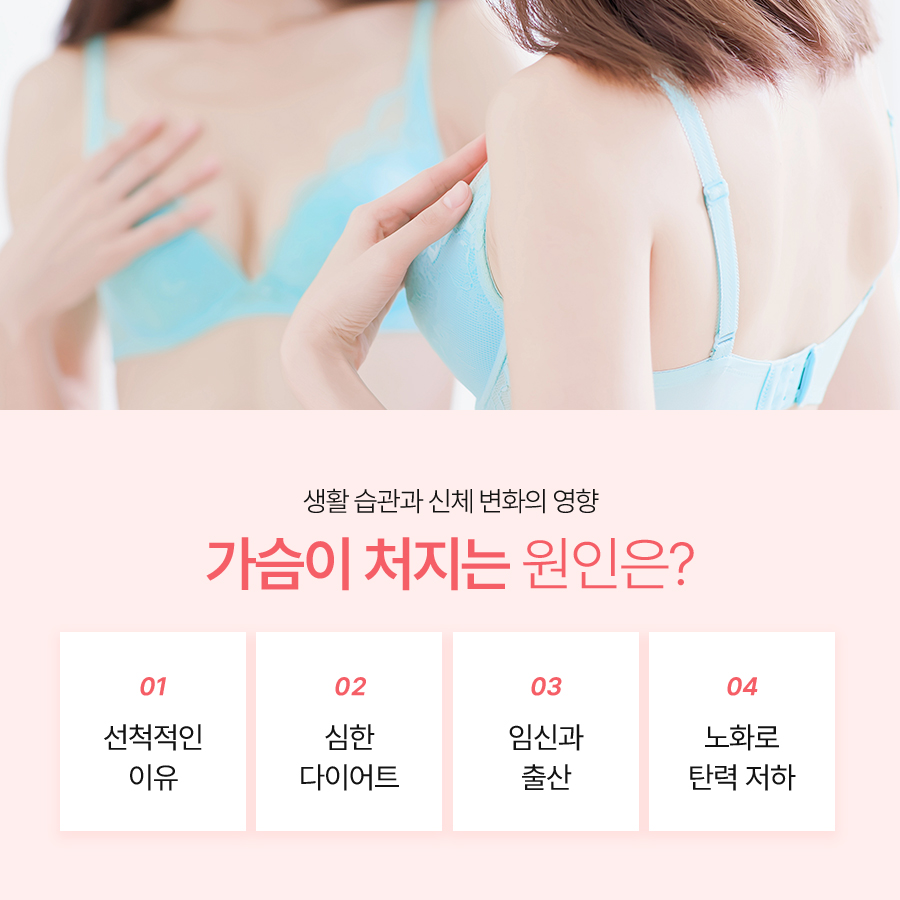
Understanding the Structure and Features of Accessory Breast Tissue
Accessory breast tissue refers to mammary tissue remaining in areas other than the breasts, usually along the armpit line, and it has characteristics distinct from simple fat accumulation. It may appear outwardly as if there is extra flesh, but in many cases mammary tissue is also present, so improvement from weight change alone is limited.
In addition, depending on the individual, it may be affected by the menstrual cycle or hormonal changes, leading to changes in size or tenderness, and functional reactions may also occur. For this reason, rather than judging it as merely an outward protrusion, it is important to understand the nature and distribution of the tissue, and in actual breast ptosis surgery reviews, you can find cases where accessory breast tissue is recognized not as a separate problem but as a connected structure.
The Background and Causes of Accessory Breast Tissue Formation
Accessory breast tissue often appears through the combined action of congenital developmental processes and acquired changes. During the fetal stage, mammary tissue forms along a line extending from the armpit to the chest, and if part of it does not naturally disappear and remains, tissue may persist in a specific area. If body shape changes or body fat accumulation are added during growth, the area can stand out even more, and particularly during periods of major hormonal change such as after pregnancy or childbirth, the size or shape may become more pronounced.
Because of these characteristics, it is easy to mistake it for simple weight gain, but as confirmed in breast ptosis surgery reviews, a more accurate approach is to understand it as a structural cause in which mammary tissue and fat work together.
When Accessory Breast Tissue Correction Is Needed
Accessory breast tissue may pass without major inconvenience for some individuals, but in certain situations it can lead to discomfort in daily life and prompt consideration of correction. For example, if the armpit line appears uneven when wearing clothes, or if a feeling of folding and rubbing repeats when moving the arms, the discomfort can accumulate.
It can also feel compressed or painful in certain areas when wearing a bra, and continuous friction may cause skin irritation. Because these factors can affect not only appearance but also everyday activities and comfort, it is important to objectively check the current condition, and in actual breast ptosis surgery reviews, there is a growing trend of considering discomfort caused by accessory breast tissue together as well.
Differences in Accessory Breast Tissue Correction Approaches and Plans
Accessory breast tissue correction is not a simple process of reducing only the visible shape; rather, it is a process designed in completely different ways depending on the composition of the internal tissue. If the proportion of fat is high, it is possible to refine the volume and line with a relatively straightforward method, but if glandular tissue is also included, correction must be performed with more detailed consideration of the structure to create a natural flow.
Because the method applied differs depending on the nature of the tissue even in areas that may look similar, it is important to first accurately identify the condition rather than judging by appearance alone, and in breast ptosis surgery reviews, you can find cases where the plan changes based on these differences.
It is important to understand accessory breast tissue correction not as a simple approach that only organizes the visible volume, but as a process of balancing the individual’s body shape and tissue characteristics together. In particular, because the armpit area involves frequent movement, comfort during activity as well as outward changes must be considered, and in actual breast ptosis surgery reviews, there is a trend of placing importance on these functional factors as well.
Therefore, the key is to accurately identify the current condition and set the direction accordingly, and if a plan is established based on sufficient consultation and analysis, it can lead to a more natural and harmonious result.