Key to Improving Firmness and Shape with Breast Ptosis Correction Surgery

Even when your reflection in the mirror does not seem to have changed much, there are times when you suddenly notice differences in how your bra feels or how your clothes fit. In particular, the breasts are an area greatly affected by the skin and tissue, so changes in shape can become relatively noticeable depending on lifestyle habits and the passage of time. The reason breasts may seem to have lost volume after childbirth, or the upper body line may appear flatter after weight loss, is that not only size changes but also reduced tissue elasticity and positional changes are at work.
Recently, there has been growing interest in restoring the original breast shape and balance rather than simply focusing on enlargement. As a result, more people are considering breast ptosis correction surgery. This procedure aims to improve the overall line by organizing tissue and skin that have moved downward, and it is carried out by carefully considering each person’s skin condition, body type, and amount of tissue to create a natural silhouette. Therefore, it is important to accurately diagnose the current condition and fully understand which method is appropriate. Looking at the overall upper-body balance, rather than simply focusing on volume changes, can lead to more satisfying results.
What exactly does breast ptosis mean?
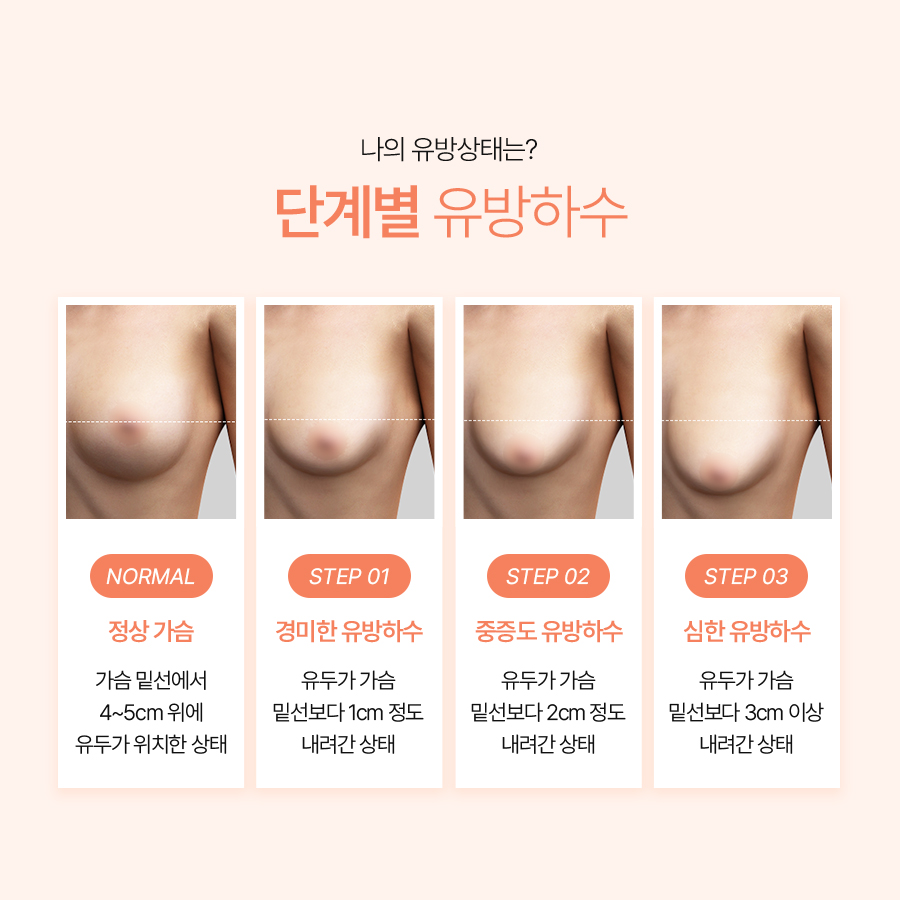
The 기준 for feeling that the breasts have sagged can vary from person to person, but medically, the condition is often assessed based on the nipple position and the overall flow of the breast tissue. In general, if the nipple is below the inframammary fold or the volume is concentrated in the lower part, it can be considered breast ptosis. This is a different concept from a simple body-shape change. Such changes may appear as skin elasticity decreases during the aging process, and they can become more noticeable as the skin stretches due to changes in glandular tissue after pregnancy and breastfeeding.
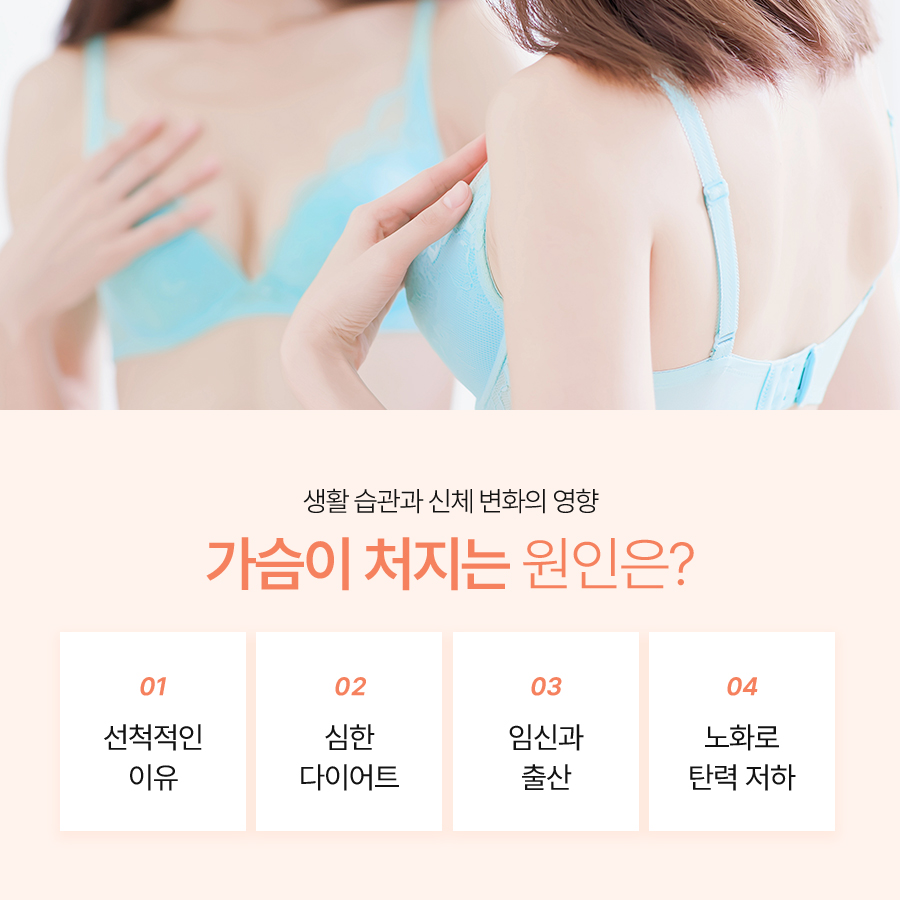
In addition, rapid weight loss, repeated weight fluctuations, downward pressure from larger breasts, and congenital differences in skin elasticity can also have an effect. Recently, rather than simply improving a lack of volume, interest in breast ptosis correction surgery has continued in a direction that also takes into account the current tissue condition and positional changes. After accurately identifying the cause of sagging, establishing an improvement plan suited to the individual body shape is considered important.
Correction methods that restore the line
Breast ptosis correction is not simply a matter of pulling sagging skin upward. It is closer to a process of reorganizing the position of breast tissue that has moved downward and stabilizing the overall shape. As time passes, volume that has settled in the lower area is repositioned upward, and the nipples and areolas that have moved down are also adjusted harmoniously to create a more balanced line.
In recent breast ptosis correction surgery, more importance is being placed on considering the internal support structure of the tissue rather than only organizing the skin surface. This can help the shape remain natural over time. In addition, because skin thickness, tissue elasticity, and the degree of sagging differ from person to person, carefully analyzing the current condition and establishing a correction plan accordingly is an important part of the process.
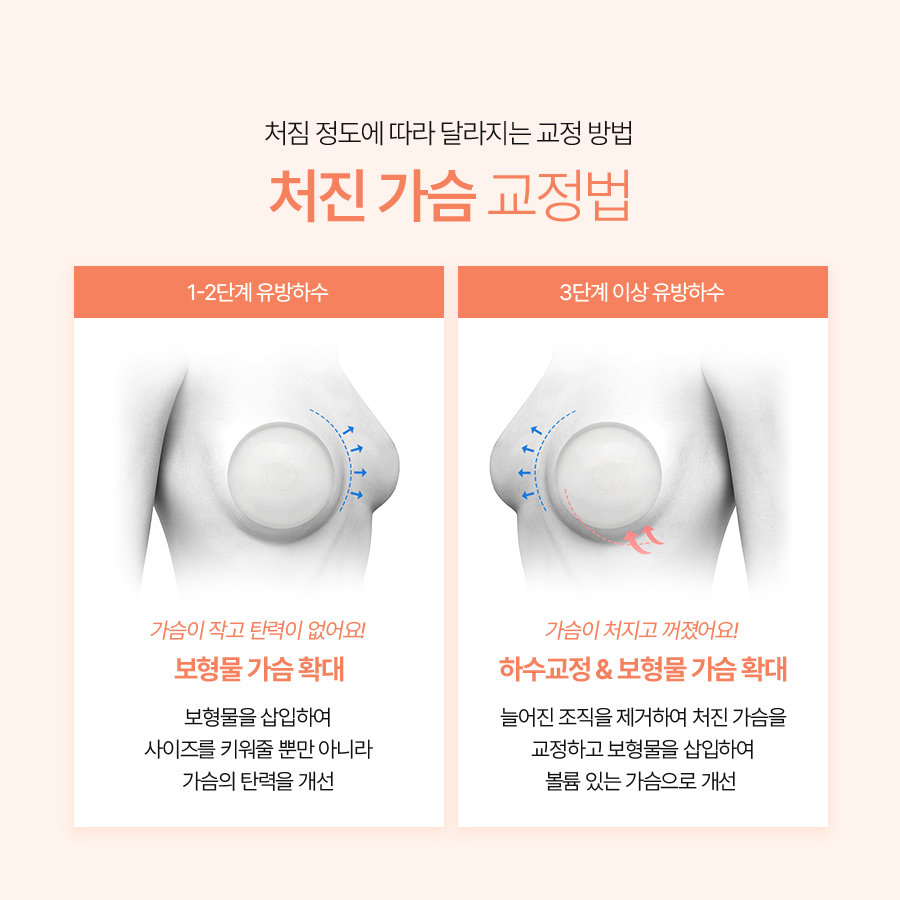
The surgical method may also change depending on the degree of sagging
Breast sagging does not appear in just one form; it can vary greatly depending on the extent of skin laxity, nipple position, and amount of tissue. For that reason, the correction process often varies according to the current condition rather than following a uniform method. Early-stage sagging may be addressed by refining the line within a relatively limited range, but when the sagging has progressed, the tissue that has moved downward may need to be reorganized over a wider area.
In particular, when there is a lot of excess skin, the overall breast contour may also need to be redefined. It is important not only to raise the height but also to carefully check the upper volume and left-right balance. Recent breast ptosis correction surgery is often carried out with a customized plan that comprehensively reflects individual body type, skin elasticity, and the existing breast shape, and this process can help create a more natural and stable line.
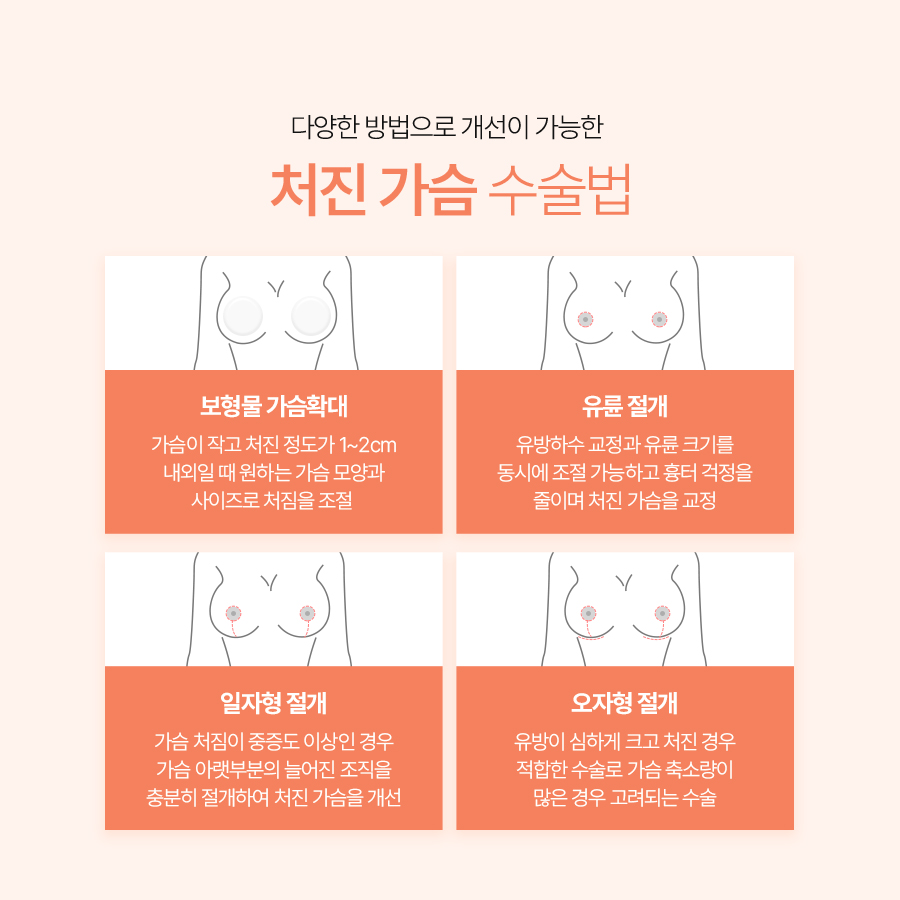
What is the difference from simple augmentation surgery?
When breast volume has decreased and sagging appears at the same time, simply increasing the size may not complete the desired line. In fact, if weight is added to a sagging breast, the downward force may increase, and the shape may not improve sufficiently. For that reason, more cases are now focusing on correcting the center position of the breasts and the overall contour rather than size alone. In this respect, breast ptosis correction surgery differs from general augmentation surgery.
If a person’s skin elasticity or existing tissue amount is sufficient, a natural shape may be created using the original tissue without an implant, and in some cases, volume supplementation may also be planned as needed. In other words, the focus is not on simply making the breasts larger, but on restoring a balanced silhouette based on the current condition of the breasts.
Changes in breast shape are not merely an external concern; they can also affect the overall impression of the upper body and the balance of the figure. Therefore, when considering improvement methods, it is important not to focus only on visible volume but also to examine the current skin elasticity, tissue condition, lifestyle habits, and the image you want to achieve. Recently, there has been a trend toward preferring changes that blend naturally with the original body shape rather than excessive changes, and breast ptosis correction surgery is often carried out with a customized plan that carefully reflects each individual’s condition.
In particular, to maintain a line that does not look unnatural even over time, it may be important to fully understand the cause and characteristics of the current sagging and set a correction direction accordingly. Therefore, rather than aiming only for a change in size, approaching the issue with a focus on overall balance and restoring a natural silhouette can lead to more satisfying results.