Why Areola Size Correction Should Consider Breast Proportions

The breasts are not defined by size alone. Even with the same volume, the overall impression may vary depending on the breast shape and the proportions of the central area. Among these factors, the areola is one of the important elements that determines the balance of the breasts. If the areolas appear excessively wide or differ in size from side to side, the proportions may feel awkward regardless of the actual breast size, and some people may feel that their upper-body line looks less streamlined. Recently, as more people have come to value overall harmony and balance rather than simply increasing volume, interest in areola size correction has also grown.
More cases are taking central-area design into consideration together to achieve natural breast proportions, while the importance of planning tailored to each person’s body shape and breast structure is also being emphasized. In particular, because the areola is located at the center of the breast and naturally draws attention, its size and shape can affect the overall impression. Therefore, areola size correction should not involve simply reducing its size; it is important to consider the existing breast proportions and overall harmony as well. Interest continues among those seeking a more balanced contour.
Why Central Proportions Matter
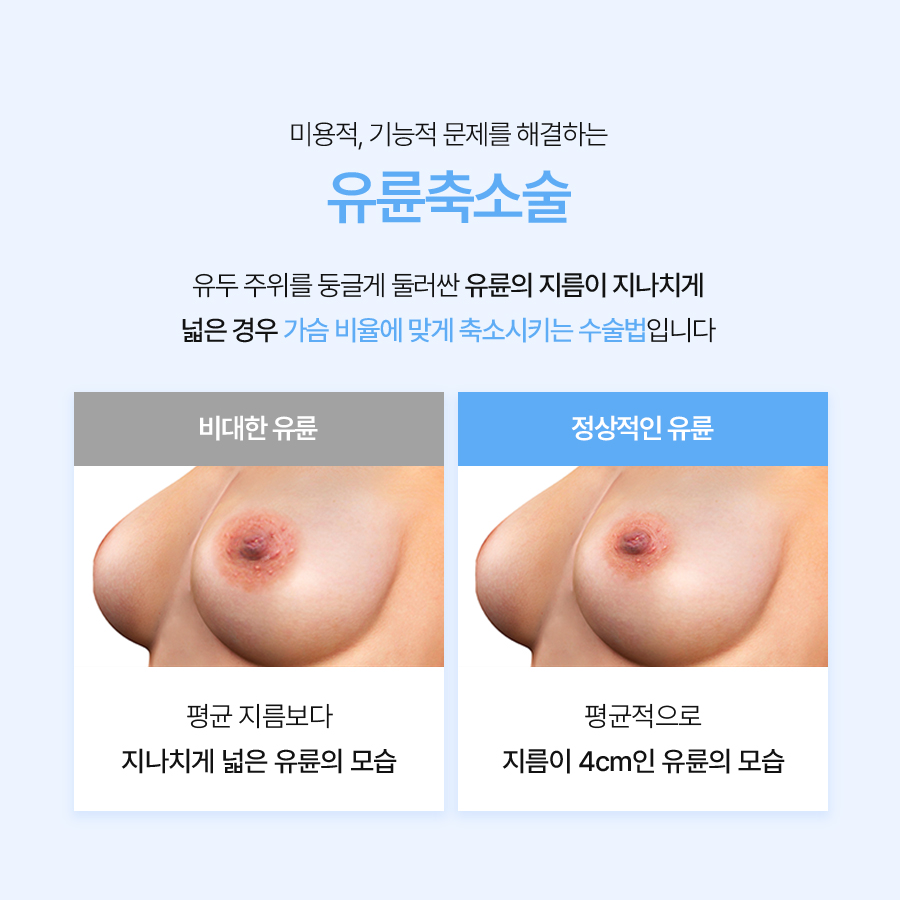
People’s eyes naturally tend to move toward the center of the breasts. As a result, the size or shape of the areolas can have a greater effect on the overall impression than one might expect. If the areolas appear wide in relation to the breast size, the breasts may look more spread out. Conversely, when they are in appropriate proportion, a more orderly and balanced silhouette may be expected.
Areola size correction is known as one approach that takes this visual balance into account. Rather than checking only the size of the areolas, it is important to plan by considering the breast size and shape, as well as left-right symmetry. Ultimately, the important point is not to conform to a specific standard, but to find proportions that suit one’s body shape and breast structure. For a natural and harmonious result, it may be helpful to thoroughly assess the current condition before establishing an appropriate approach.
Areola Size Is Not Determined Solely at Birth
Areola size may be determined by congenital factors, but it can also be affected by various acquired changes. It may naturally change during growth, and many people feel that their areolas appear wider than before after pregnancy, childbirth, and breastfeeding. Changes in body weight and reduced skin elasticity are also known to be factors that can affect the size and shape of the areolas.
In particular, when changes occur in the breast tissue, the proportions of the central breast area may change as well, which can create an impression that differs from the past. In such cases, it is important to assess the current breast shape and balance together rather than looking only at size. When considering areola size correction, it is also important to sufficiently examine the cause of the changes and the current condition before finding proportions that suit the individual. Based on this assessment, a more natural approach can be planned.
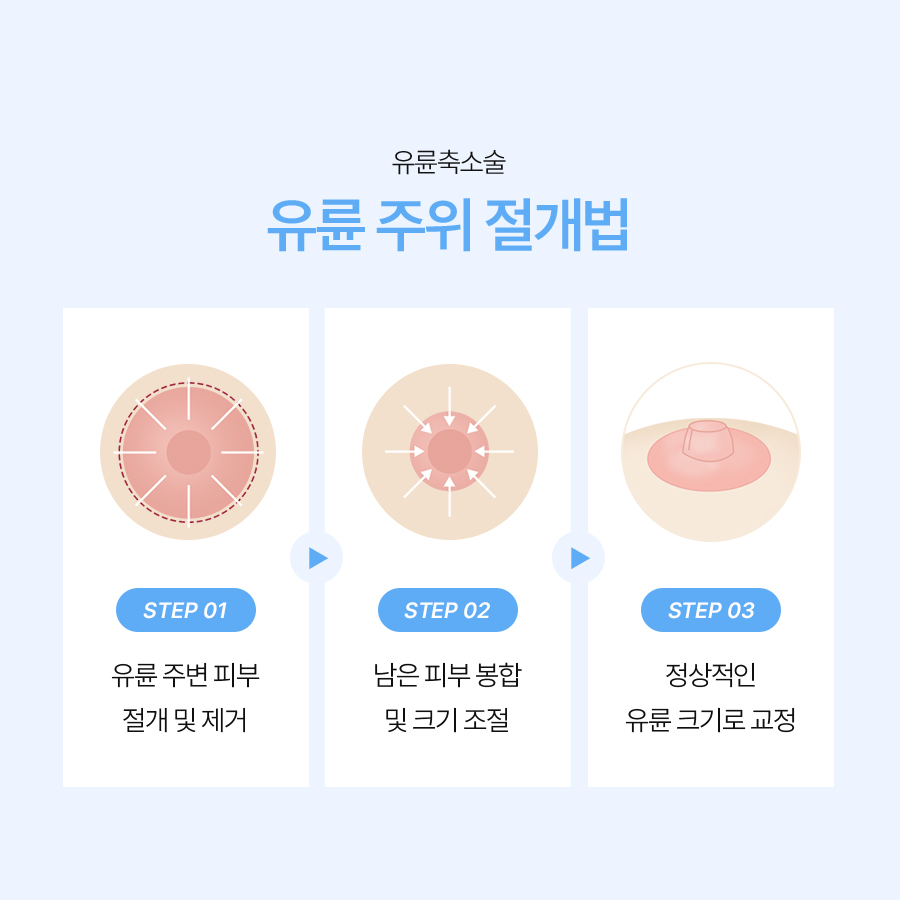
Areola Size Correction That Considers Harmony
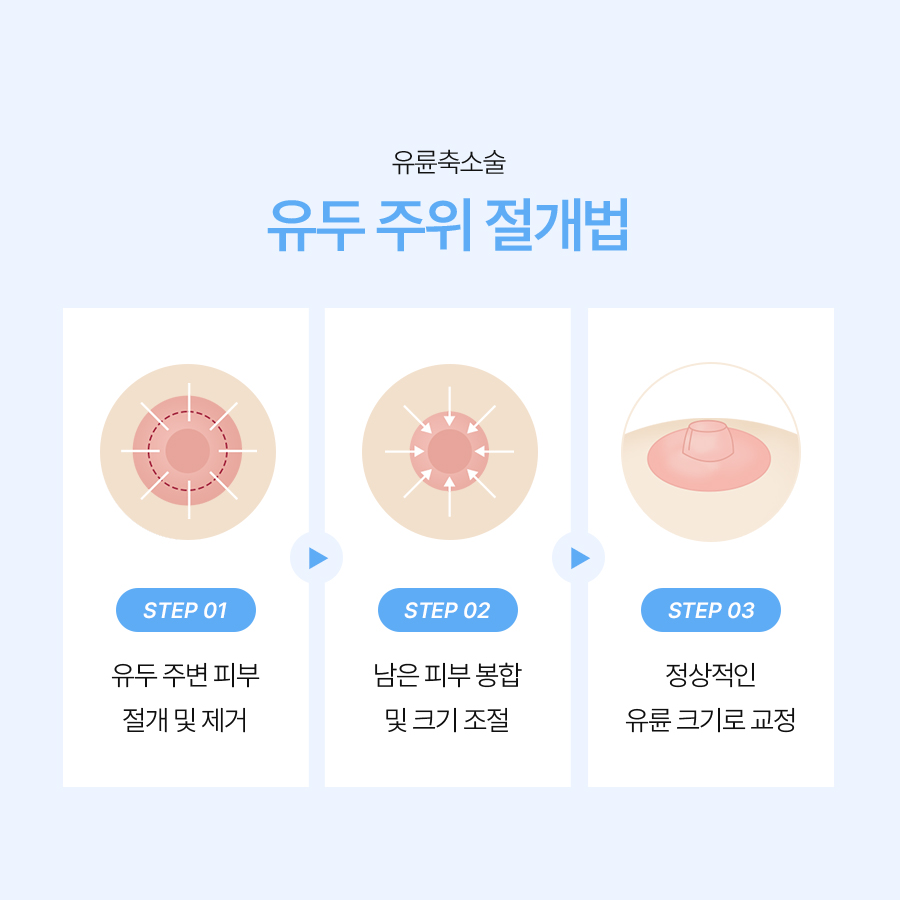
Areola size correction is difficult to understand simply as reducing a wide area. It is closer to a process of creating more harmonious central proportions by comprehensively considering breast size and shape, skin condition, and left-right symmetry. In general, a planned area along the areolar border is corrected, and establishing a design suited to the current condition is considered important.
It is also important to assess the overall breast proportions and balance rather than viewing the areolas separately. This is because even areolas of the same size can create different impressions depending on the breast shape. Therefore, with areola size correction, planning that considers overall harmony rather than a simple change in size may affect satisfaction.

When You May Consider a Consultation
Areola size correction is not considered simply because the areolas are larger than average. Many people become interested when the areolas appear wide in relation to the breast size, when changes in the central proportions after pregnancy and childbirth are a concern, or when a difference in size between the two sides makes the breasts feel unbalanced.
In addition, if the center of the breasts stands out particularly when wearing clothes or looking in the mirror and this causes concern, it may be helpful to check the current proportions. Recently, as more people have come to value overall breast proportions and harmony rather than simply reducing size, areola size correction is often planned with a focus on natural balance.
Breast beauty is not achieved simply by increasing or reducing size. The proportions of the areolas that form the central area are also important factors that can affect the overall silhouette and impression. Therefore, it is important to approach areola size correction not merely as adjusting size, but as a process that considers the balance and harmony of the breasts. In addition, because everyone has a different body shape and breast structure, the ideal proportions may also vary.
Accordingly, it is necessary to accurately assess the current condition through a sufficient consultation and establish an approach that suits the individual. We hope the information shared today was helpful to those who have been curious about areola size correction. Above all, remember that the most important thing is to find a point of balance that harmonizes with your own body shape, rather than following a uniform standard.