Flat-Chest Surgery Results: Criteria for Creating a Natural-Looking Appearance

There are times when the breast line, which you normally did not pay much attention to, becomes noticeable every time you get dressed. Many people feel stressed when tops do not fit as expected because of insufficient volume or when the upper chest appears hollow. When these concerns continue, people often start by looking at implant sizes, but actual satisfaction can vary depending on a wider range of factors.
This is because the outcome can be influenced by how the body was analyzed, the criteria used to determine the surgical approach, and whether the conditions needed for the implant to settle securely were sufficiently considered. Reviewing these aspects together may help you understand flat-chest surgery results more objectively and clarify the criteria for planning breast augmentation that is appropriate for you.
What to Consider Before the Implant
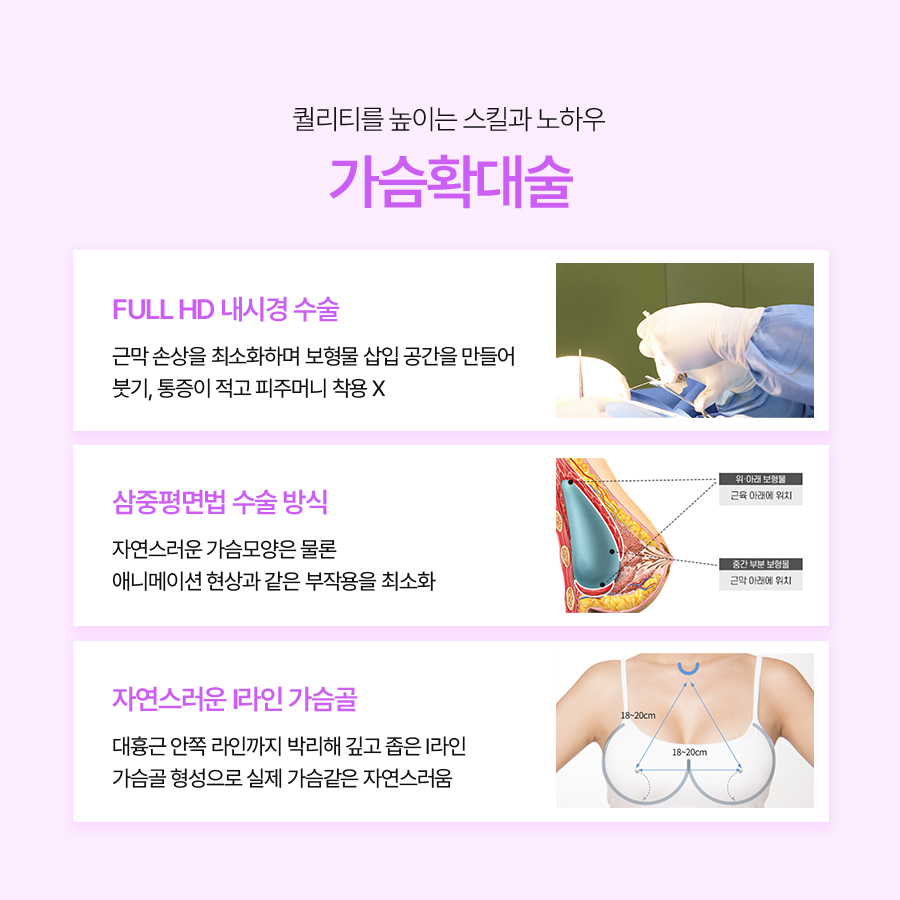
If you are hoping for satisfactory flat-chest surgery results, it is advisable to first check how the surgery will be performed rather than focusing on the type of implant. Simply changing the implant does not create natural-looking breasts. How securely space is created during surgery and how much tissue damage is minimized are also important factors. Using a Full HD endoscope allows the necessary areas to be examined through a wide field of view during dissection, enabling a more precise approach.
In addition, the three-plane technique is known as a method of creating space so that the implant can settle more securely, and it is applied with the aim of reducing animation deformity caused by movement. If dissection is carefully continued to the inner side of the pectoralis major muscle to create a deep and natural I-shaped cleavage, the overall silhouette may flow more smoothly. These elements need to work together for satisfaction to have a greater chance of being maintained over time, and they may also have a positive effect on the overall quality of breast augmentation.
Choices Vary with Body Type
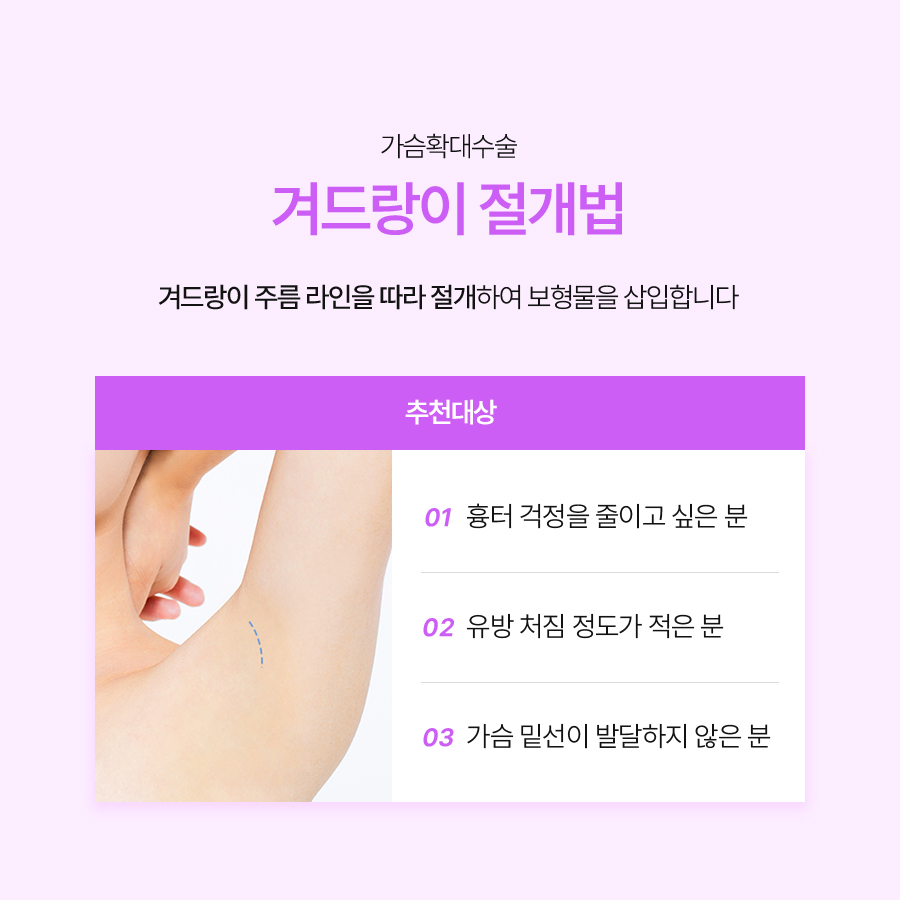
The incision method does not simply determine the location of the scar. Because it is an important choice that also determines the route through which the implant is inserted and the direction of the surgery, it is necessary to consider your current body type and lifestyle together. An axillary incision approaches through the crease of the armpit and may be chosen by people who are concerned about visible scarring or who do not have significant breast sagging.
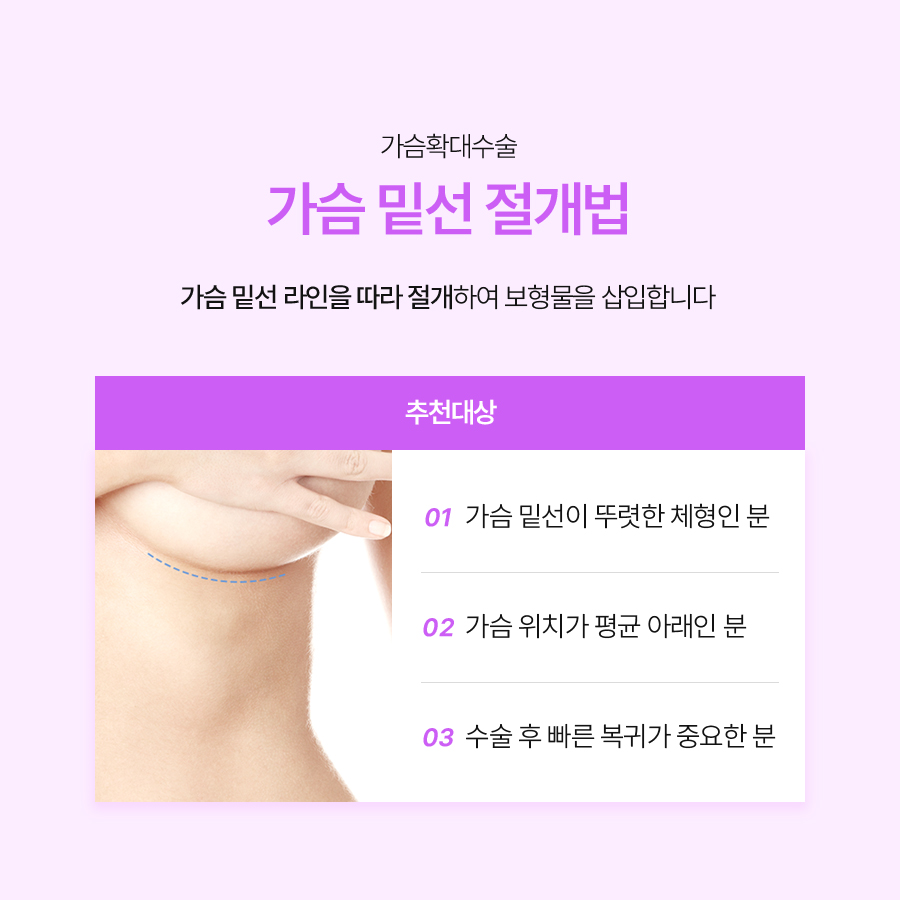
By contrast, an inframammary incision uses the existing lower breast crease and may be considered when the crease is relatively defined or when a quick recovery is needed. Satisfaction with flat-chest surgery results can also vary depending on whether the incision location was selected to suit your body type, and this may affect the subsequent outcome of breast augmentation. Above all, making a choice that also takes your lifestyle and recovery plans into account can help create a natural-looking result.
Similar Concerns Can Still Be Different
Not everyone needs the same design simply because their breasts are small. Some people may appear to lack volume in the upper chest, while others may have difficulty finding well-fitting underwear because of differences in breast size from side to side. Some may want to restore a shape that has changed after childbirth and breastfeeding due to reduced elasticity, while others may feel dissatisfied with how their clothes fit because of a pigeon-chest shape.
To properly anticipate flat-chest surgery results, it is necessary to sufficiently consider individual conditions such as skin elasticity, the width of the rib cage, and the amount of existing breast tissue. The more these differences are reflected in a customized design, the more breast augmentation can be expected to blend naturally with your body type. Rather than simply increasing size, adjusting overall proportions and balance may be more important for improving satisfaction.

The Direction Is Often Determined During the Consultation
A satisfactory outcome is often shaped during the consultation stage rather than in the operating room. During the consultation, the overall design is planned by examining not only height and weight but also the width of the rib cage, breast width, skin elasticity, nipple position, the distance between the breasts, and any asymmetry between the two sides. This is because even when the same cup size is targeted, the implant diameter, height, and projection may vary according to body type.
Creating a plan suited to your body type based on sufficient analysis may help you anticipate a more natural breast augmentation outcome. It is important to reflect your individual physical conditions and desired appearance from the consultation stage onward, and the more customized the design, the closer flat-chest surgery results may come to your expectations. The more thorough the consultation before surgery, the greater the potential for satisfaction after recovery.
The quality of the outcome is not determined by a single factor. The surgical method, incision location, body analysis, customized design, and preoperative examinations are all interconnected, together creating a natural breast line. Therefore, rather than comparing only the type or size of the implant, it is important to also examine how a plan suited to your current condition will be developed. When planning surgery, discussing the volume and line that suit your body type in sufficient detail and deciding on an approach that also considers your life after recovery may help improve satisfaction.
Because the shape of the rib cage, skin elasticity, and amount of existing breast tissue differ from person to person, outcomes may vary even when the same method is applied. If a customized plan sufficiently reflects these factors, it may be possible to anticipate flat-chest surgery results more objectively, and this may also have a positive effect on maintaining a natural and balanced breast line over time. Ultimately, satisfactory breast augmentation is meaningful not simply because it increases volume, but because it completes a design that harmonizes with the individual’s body type. The more it is supported by thorough consultation and accurate analysis, the more satisfactory the outcome may be expected to be.