Breast Ptosis Correction Surgery,
Why You Should First Examine the Causes of Sagging Breasts

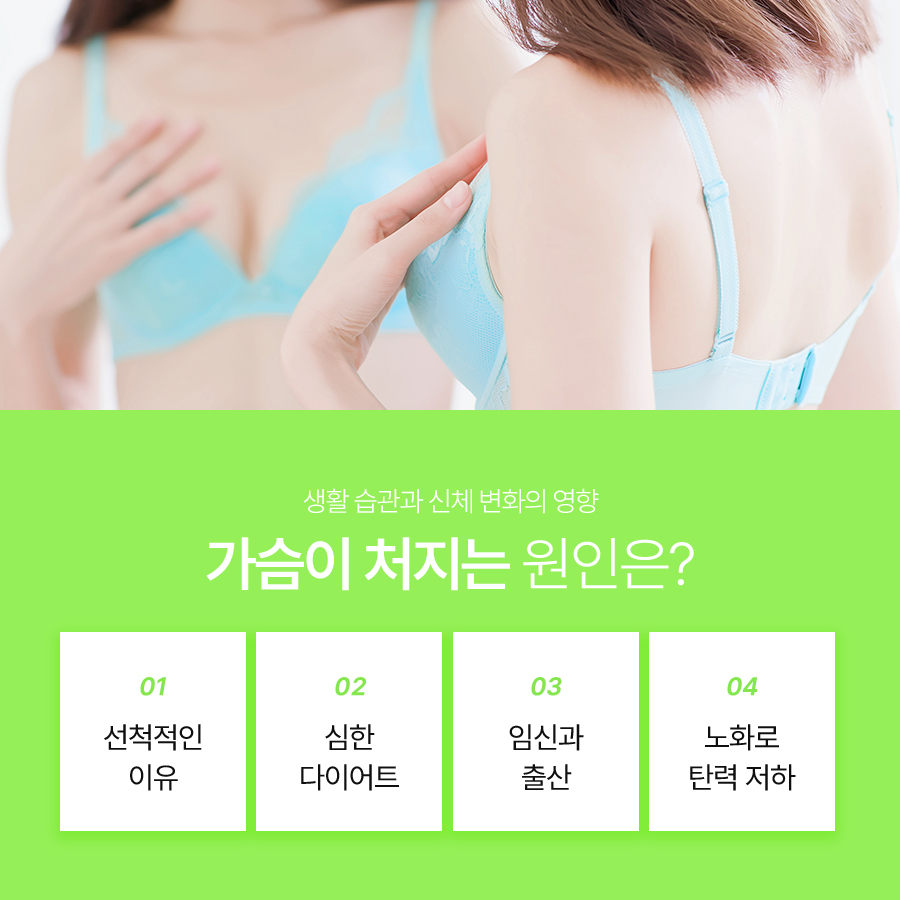
The breasts are one of the parts of the body that naturally change over time. Many people feel that their breasts have sagged lower than before after pregnancy and breastfeeding, significant weight loss through dieting, or a decline in skin elasticity due to aging. Although the breasts may simply appear to have lost volume, in many cases their overall shape has changed because the nipples have moved downward or the skin has stretched. These changes can affect the silhouette when wearing clothes and may also cause bras to feel different from before.
Recently, more people have been looking into breast ptosis correction surgery to address these concerns. Above all, however, it is necessary to accurately determine what type of sagging is present in the current condition of the breasts.
There are degrees of sagging
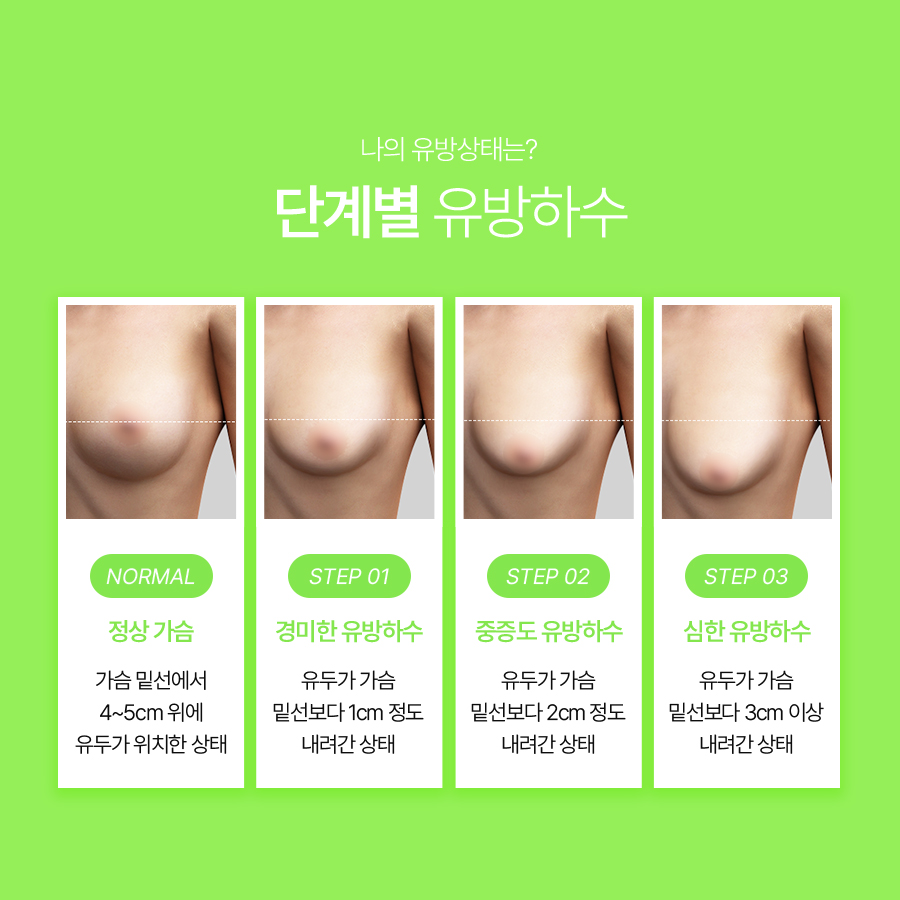
Breast sagging does not appear in the same form for everyone. The degree of sagging is classified according to factors such as how far the nipples are positioned below the inframammary fold, how much the skin has stretched, and whether sufficient glandular tissue and fat remain. Even breasts that look similar on the outside may require completely different plans upon examination.
In some cases, reduced volume and sagging occur together, while in others the breasts may have sufficient volume but appear saggy because of reduced skin elasticity. For this reason, it is difficult to assess your own condition simply by looking at photos or reviews. Therefore, for breast ptosis correction surgery, it is important to closely analyze the current anatomical structure, first identify the cause of the sagging, and then determine the surgical approach.
Breast sagging surgery is a process of redesigning the shape
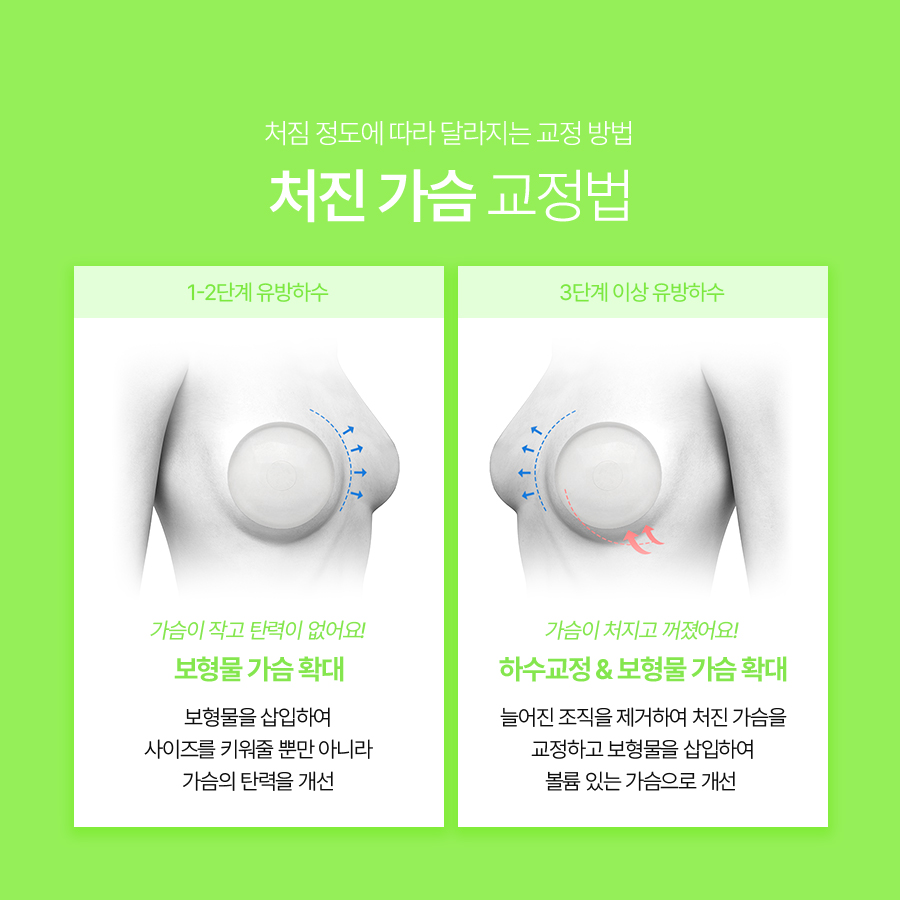
Many people think of breast sagging surgery as simply lifting sagging breasts upward, but in reality, it is closer to a process of redesigning the proportions and balance of the breasts as a whole. The key is to improve the overall shape by appropriately removing excess skin, repositioning the glandular tissue, and naturally adjusting the positions of the nipples and areolae. In addition, the desired volume and the proportions of the individual’s body shape must be considered together to achieve a more natural result.
Depending on the case, correcting the sagging alone may be appropriate. If reduced volume is also present, using implants together with the procedure may be helpful. Conversely, if there is sufficient tissue, correction may be planned without implants. In this way, breast ptosis correction surgery is not a procedure with one fixed method; it is a customized operation in which the surgical technique varies according to each individual’s condition.
The incision method should be considered together with the correction effect, not just the scar
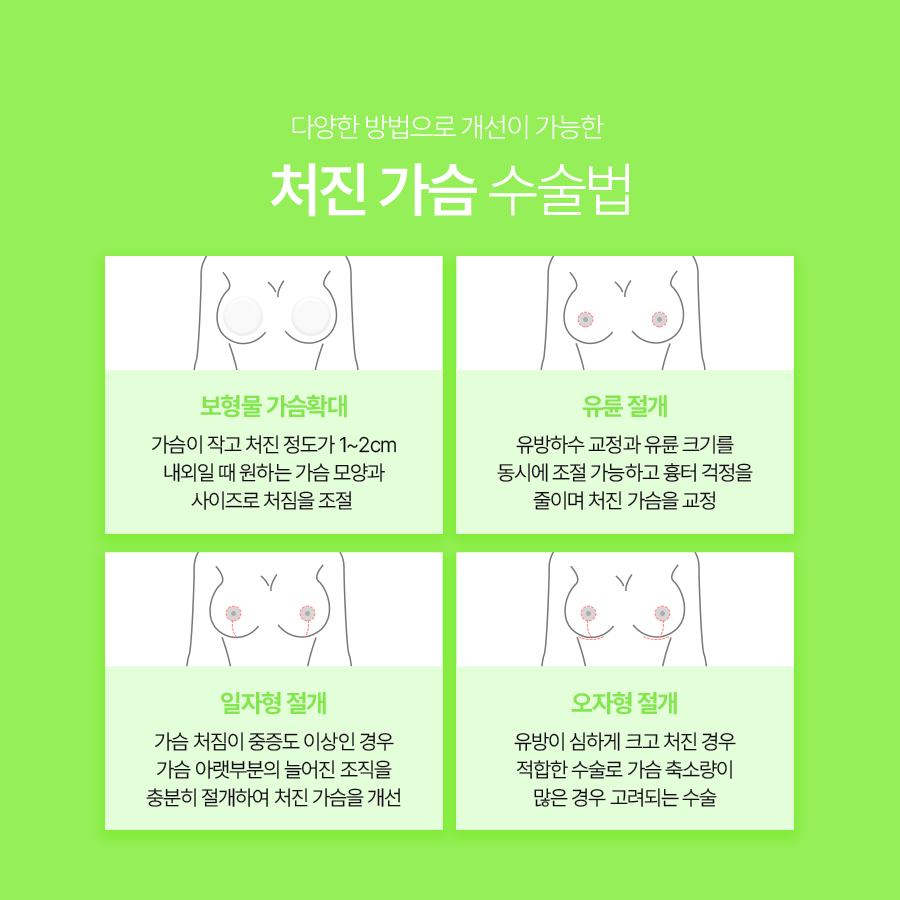
Many people worry about scarring when considering surgery to improve breast sagging. Of course, the location of the incision is an important factor, but the priority should be how reliably the sagging can be corrected. When the sagging is more pronounced, incisions may be made within the range necessary to achieve sufficient correction. In relatively mild cases, the incision area may be planned to be smaller.
Rather than unconditionally minimizing the incision, choosing a method suited to the current tissue condition can also help maintain the shape over the long term. In addition, considering the elasticity of the skin and the characteristics of the tissue together increases the likelihood of maintaining natural contours even as time passes after surgery. Therefore, with breast ptosis correction surgery, it is important to review the overall surgical plan rather than comparing incision methods alone.
A plan that takes the recovery process into account is necessary
The surgical result is not determined on the day of surgery alone. Managing the recovery so that the tissues can settle securely is also an important part of the process. Wearing the compression bra recommended by the medical team for a certain period and avoiding lifting heavy objects or exercising in ways that heavily use the upper body can be helpful.
In addition, because skin elasticity and recovery speed vary from person to person, the recovery period may differ even after the same surgery. It is also important to check the recovery through regular follow-up examinations and continue any necessary care. Giving sufficient consideration to this recovery plan may help improve satisfaction with breast ptosis correction surgery.
Breast sagging is not merely a cosmetic change; it can also affect body balance and overall appearance. However, the causes and tissue conditions differ in every case, even when the sagging appears similar. Rather than taking a uniform approach, a plan should comprehensively consider the individual’s skin elasticity, the amount of glandular tissue, the degree of sagging, and the desired breast shape.
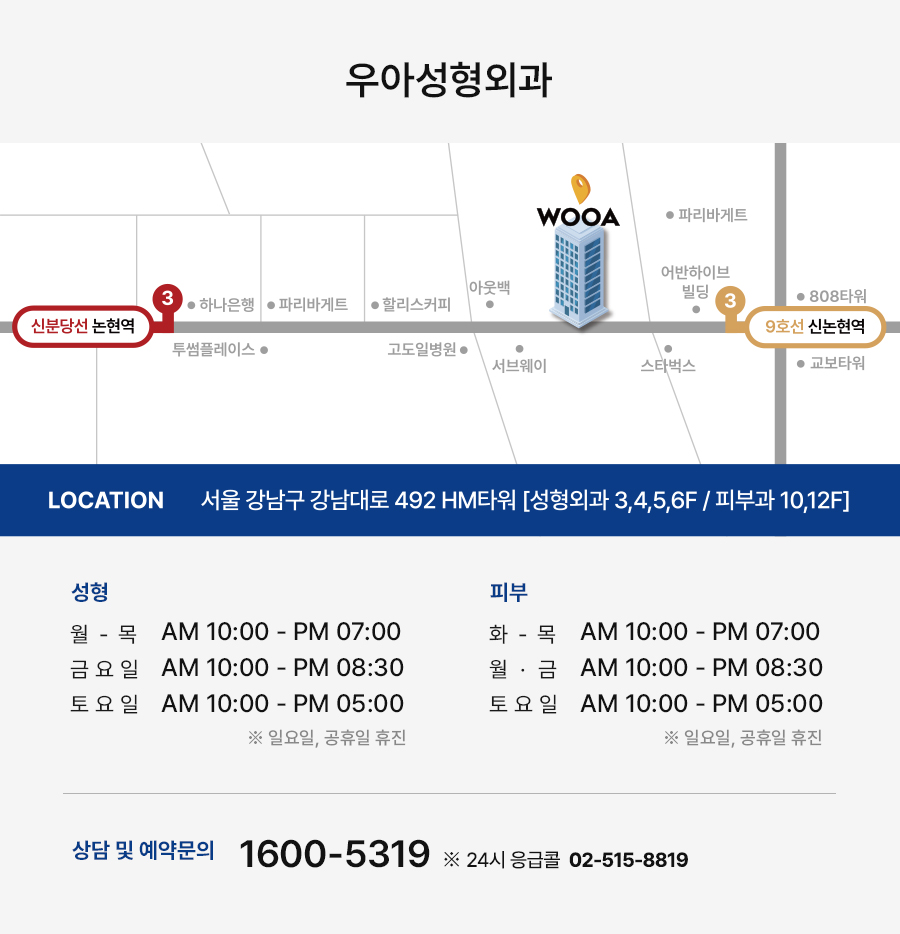
At 우아성형외과, these factors are thoroughly analyzed before considering the surgical approach appropriate for the current condition. With breast ptosis correction surgery, the process of creating a plan suited to the individual is more important than the surgical method itself. To achieve a satisfactory result, it is advisable to make a careful decision based on sufficient consultation and an accurate diagnosis.