Breast reduction for gigantomastia,
is not simply about reducing size
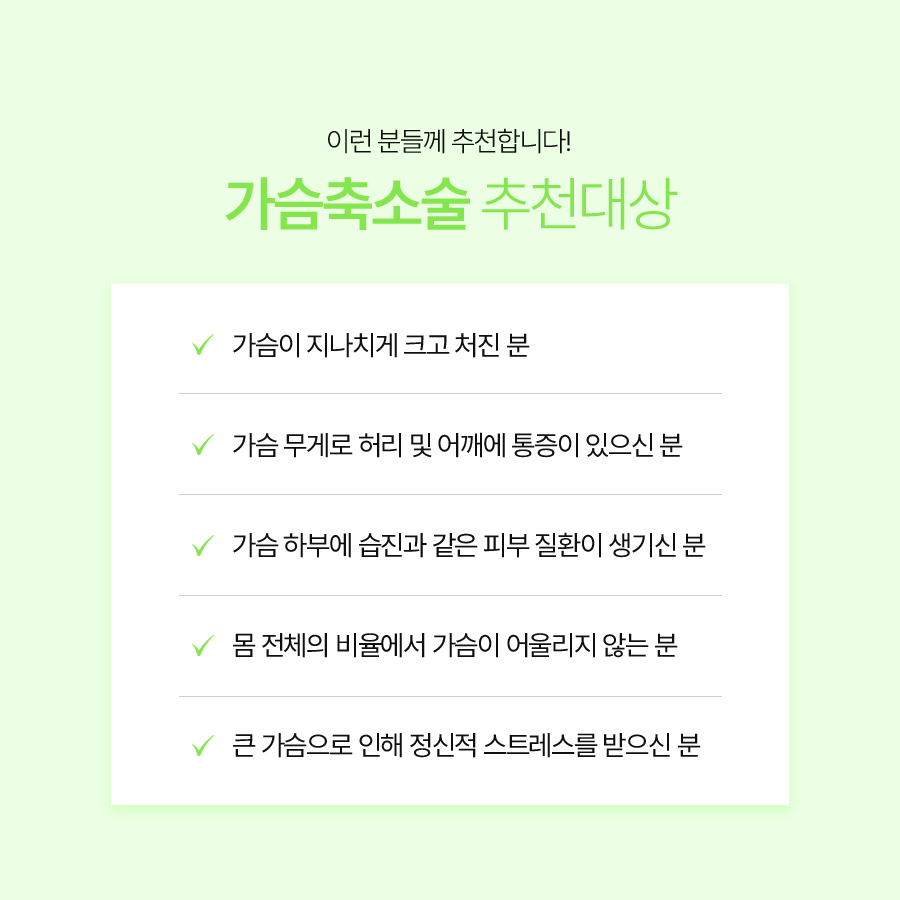
When the breasts are disproportionately large compared with the rest of the body, the discomfort experienced in daily life can often be more significant than concerns about appearance. The shoulders and neck may frequently feel tense, lower back pain may recur, and exercise or climbing stairs may feel burdensome.
In addition, it may be difficult to achieve the desired fit when getting dressed, while recurring eczema or skin problems beneath the breasts can reduce quality of life. For these reasons, more people are considering breast reduction for gigantomastia. However, it is important to understand the procedure not simply as surgery to reduce breast size, but as a process of restoring balance throughout the body and creating a more appealing body line.

Why gigantomastia develops and the discomfort it causes
Gigantomastia does not result from a single cause. It often develops through a combination of genetic factors, hormonal changes, and fat accumulation associated with weight gain. In particular, some people experience continued breast growth even after adolescence, while others experience increases in size together with sagging after pregnancy and childbirth.
Breasts that have become heavier place ongoing strain on the neck, shoulders, and lower back, and may cause the posture to become rounded. Therefore, breast reduction for gigantomastia may be considered not only for cosmetic purposes but also as a way to improve physical discomfort.

The most important part of surgical planning is an individualized diagnosis
Not every patient undergoes surgery using the same method. A surgical plan is developed after comprehensively assessing the current breast size and degree of sagging, skin elasticity, the amount of breast tissue, and nipple position. The need to remove a large amount of tissue does not automatically mean that a larger incision should be selected; both safety and results must be considered.
In particular, because breast reduction for gigantomastia must create a natural shape while also improving function, it is necessary to analyze the patient’s body type and upper-body proportions as well. 우아성형외과 also considers planning tailored to each individual’s anatomical structure more important than a uniform design.

How is breast reduction for gigantomastia performed?
The incision method for breast reduction varies depending on the amount of tissue to be removed and the degree of sagging. When the amount of reduction is relatively small, an incision around the areola may be used. As the extent of reduction increases, a vertical incision or an anchor-shaped incision may sometimes be necessary. Because each method differs in the extent of scarring and the amount of tissue that can be removed, the method should be selected after a thorough diagnosis.
During surgery, it is also important to create a balanced shape by appropriately reducing breast tissue and fat while adjusting the position of the nipples. It is important to remember that breast reduction for gigantomastia considers not only reducing size but also improving sagging.
The recovery process is as important as the results
After surgery, it is necessary to wear a compression bra for a certain period and manage the area so that the tissue can settle securely. During the early recovery period, it is advisable to avoid movements that involve extensive use of the arms and lifting heavy objects. It is also important to monitor progress according to the schedule provided by the medical team.
Recovery speed varies from person to person, but reducing strenuous activity and getting sufficient rest can support a stable recovery. Breast reduction for gigantomastia requires not only the surgery itself but also appropriate recovery care in order to expect satisfactory results.
Not everyone with large breasts requires the same type of surgery. For some people, improving pain may be the priority, while for others, improving sagging and body proportions may be the more important goal.
Therefore, breast reduction for gigantomastia should be approached as a process of finding balance and harmony with the entire body, rather than simply reducing cup size. Since each person’s anatomical structure and lifestyle are different, it is especially important to establish a surgical plan suited to the individual through sufficient consultation and an accurate diagnosis.