Motiva Breast Augmentation,
Results Depend on a Plan Tailored to Your Body Type

People consider breast augmentation for different reasons. Some may be dissatisfied with how their clothes fit because they were born with insufficient breast volume, while others may look into surgery after their breasts became smaller or appeared to sag following childbirth and breastfeeding or changes in weight.
Recently, more people have been interested in Motiva breast augmentation because they value a natural contour and feel that suit their body type rather than simply increasing breast size. However, the type of implant alone does not determine the surgical outcome, so it is first necessary to accurately assess the condition of the breasts and the structure of the rib cage.

Why Consider Motiva Breast Augmentation
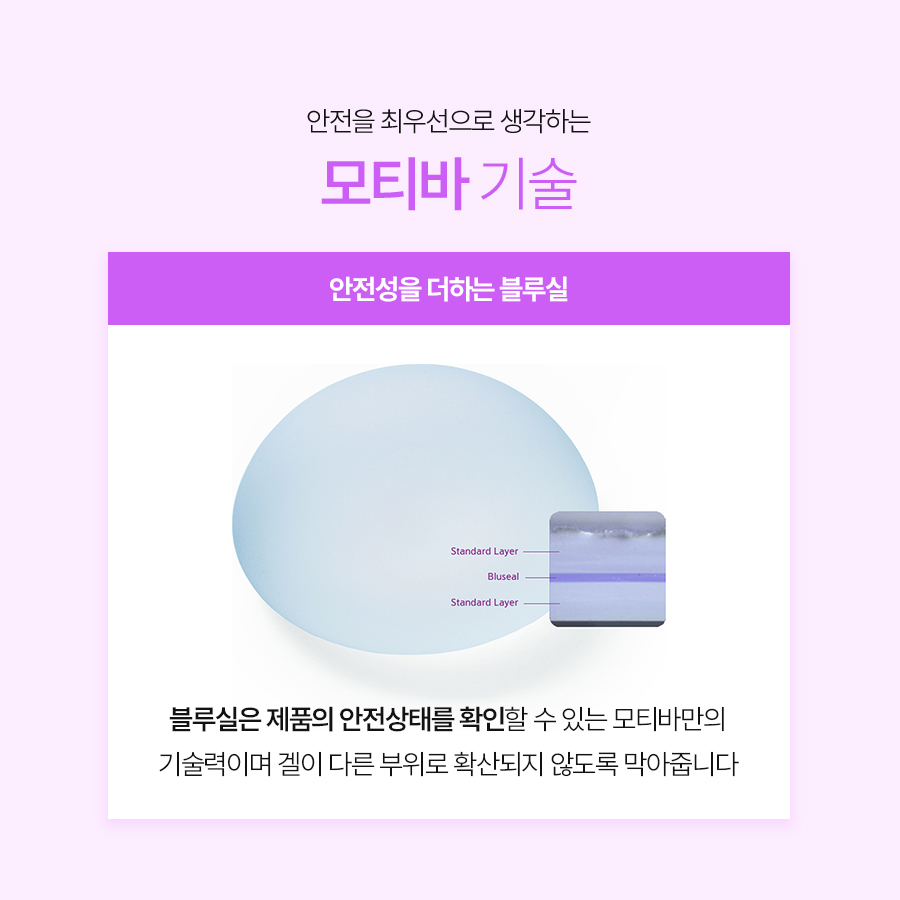
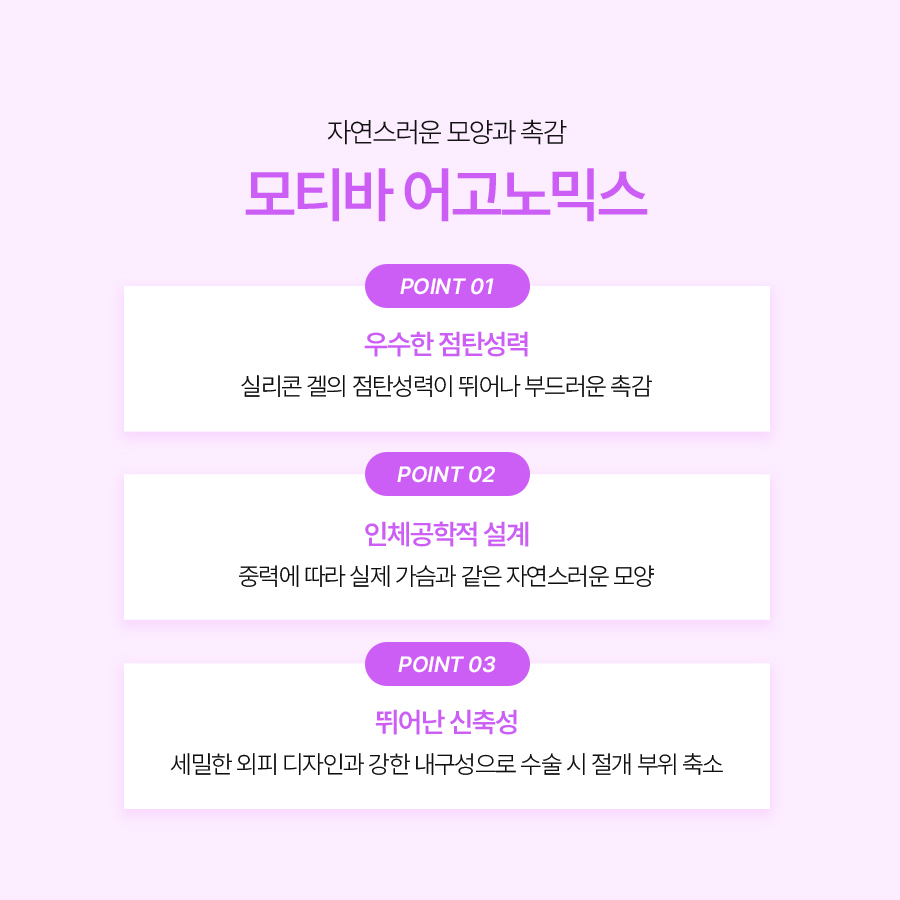
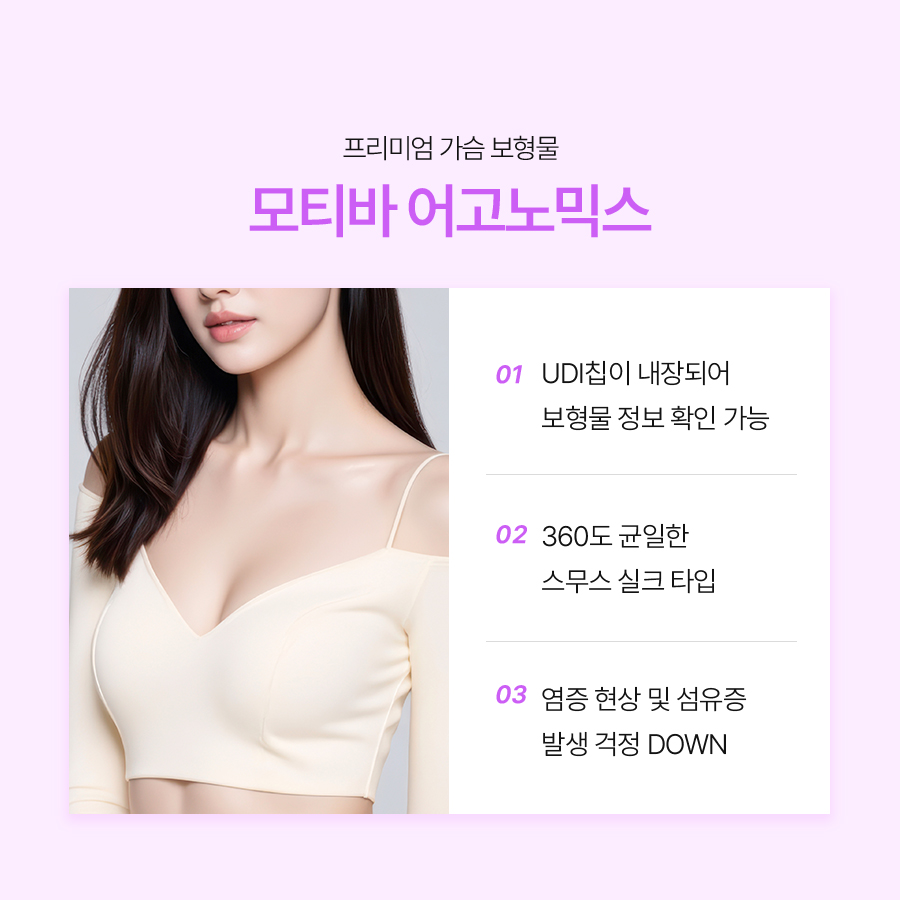
Motiva implants are known to be designed to change shape relatively flexibly with body movement. Many people seek them expecting the volume to gather naturally in the lower part when standing and spread softly to the sides when lying down.
Motiva breast augmentation may be considered as an option for those who value feel and movement, but the same results do not appear in everyone. This is because the visible shape and feel can vary depending on skin thickness, existing breast tissue, and the space in which the implant is placed.
Conditions to Check Before Implant Size
During a breast augmentation consultation, it is necessary to examine not only the desired cup size but also the width of the rib cage, the position of the inframammary fold, the distance between the nipples, skin elasticity, and any left-right asymmetry. Implants with the same volume may appear relatively small on a body with a wide rib cage, while they may look excessively prominent on a body with a narrow rib cage.
Therefore, when planning Motiva breast augmentation, it is important to determine the implant diameter and projection appropriate for the breast width rather than automatically choosing a larger size. The overall proportions extending from the upper body to the waist and hips should also be considered to achieve a more natural-looking result.
Implant Placement and Incision Method Are Also Important
Motiva breast augmentation requires decisions not only about the implant but also about which tissue plane it will be placed in and where the incision will be made. Depending on the individual’s tissue condition, the implant may be placed under the muscle, under the fascia, or in a dual-plane position.
Incision sites may also include the armpit, inframammary fold, or around the areola, and each has differences in the recovery process and scar location. The appropriate method varies depending on whether the existing breast tissue is thin and whether sagging is present. Therefore, rather than applying one surgical method uniformly, the plan should be tailored to the individual’s anatomical conditions.
Points to Follow During Recovery
Immediately after surgery, swelling, soreness, and a feeling of tightness may occur, and the breasts may appear somewhat higher or firmer on each side. These changes can occur as the implants settle into position and gradually become softer over time.
After Motiva breast augmentation, you should wear a support garment as directed by the medical team and avoid excessively raising your arms or lifting heavy objects for a certain period. Recovery speed varies depending on the incision method and individual constitution, so regular follow-up is necessary to check the implant position and wound-healing status.
Motiva breast augmentation is a procedure that should be considered comprehensively, taking into account the current condition of the breast tissue and skin, the desired volume, and lifestyle habits, rather than focusing only on the advantages of the implant.
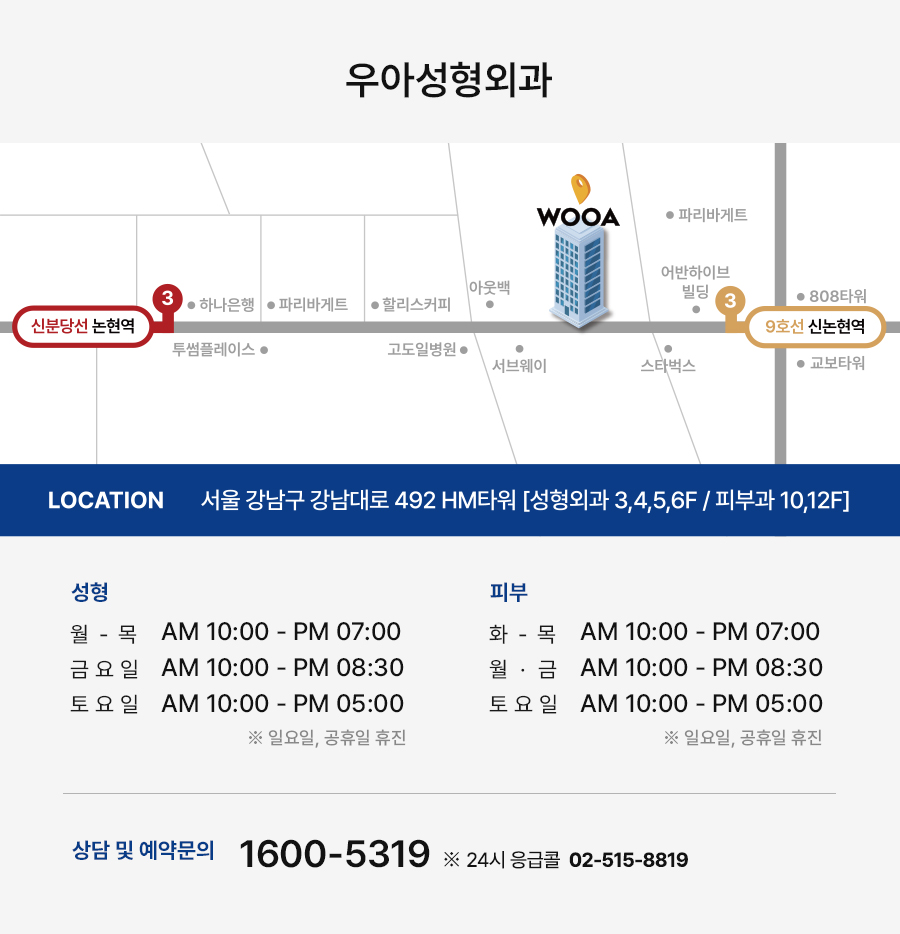
UAh Plastic Surgery considers it important to carefully assess each individual’s rib cage and breast tissue and develop a surgical plan centered on a contour that suits the person’s body type, rather than recommending a particular implant or size uniformly. For a natural-looking result, the priority should be accurately understanding your own condition and finding an appropriate surgical approach, rather than simply comparing reviews or implant information.