Breast Reduction Surgery Review: How to Reduce Discomfort Caused by Breast Size

Having a larger bust can lead to various inconveniences in daily life, rather than being only an aesthetic concern. It may place strain on the neck or shoulders, cause bra straps to continuously press against the skin, or make the upper body appear larger than it actually is when wearing clothes.
Breast size can vary due to multiple factors, including not only genetic factors but also hormonal changes, weight gain, pregnancy, and childbirth. As skin elasticity decreases with age, the weight of the breasts may also cause sagging.
Because breast size and shape differ from person to person, when looking at breast reduction surgery reviews, it is important not only to compare how much the breasts were reduced, but also to consider the discomfort caused by the breasts and the overall balance of the body.

The Causes of Breast Enlargement Should Be Identified First
Breast size can vary depending on several factors, including the amount of glandular and fatty tissue, hormonal changes, and weight. The breasts may become larger as body weight increases and the amount of fat rises, while the breast tissue and shape may also change through pregnancy and breastfeeding. When breast tissue is naturally well developed, a large bust may be maintained regardless of weight.
The larger the breasts, the more strain their weight may place on the shoulders and neck. As the skin stretches, breast sagging may also occur. Therefore, when reviewing breast reduction surgery cases, it is important to examine not only how much the breast size was reduced, but also the cause of the enlargement and the current condition of the breasts’ shape and tissue.

Breast Reduction Surgery Is Not Simply About Reducing Size
Breast reduction surgery is a procedure that corrects both the size and shape of the breasts by removing excessive breast tissue, fat, and stretched skin within the necessary range. During the process of reducing breast size, the position of sagging breast tissue and the nipples may also be adjusted to achieve overall balance.
In addition, when there is a difference in the size or position of the two breasts, the scope of surgery should be determined with left-right balance in mind. Therefore, when reviewing breast reduction surgery cases, it is advisable to consider the nipple position, the inframammary fold, and harmony with the overall body shape as well.
The Surgical Method Varies According to Breast Size
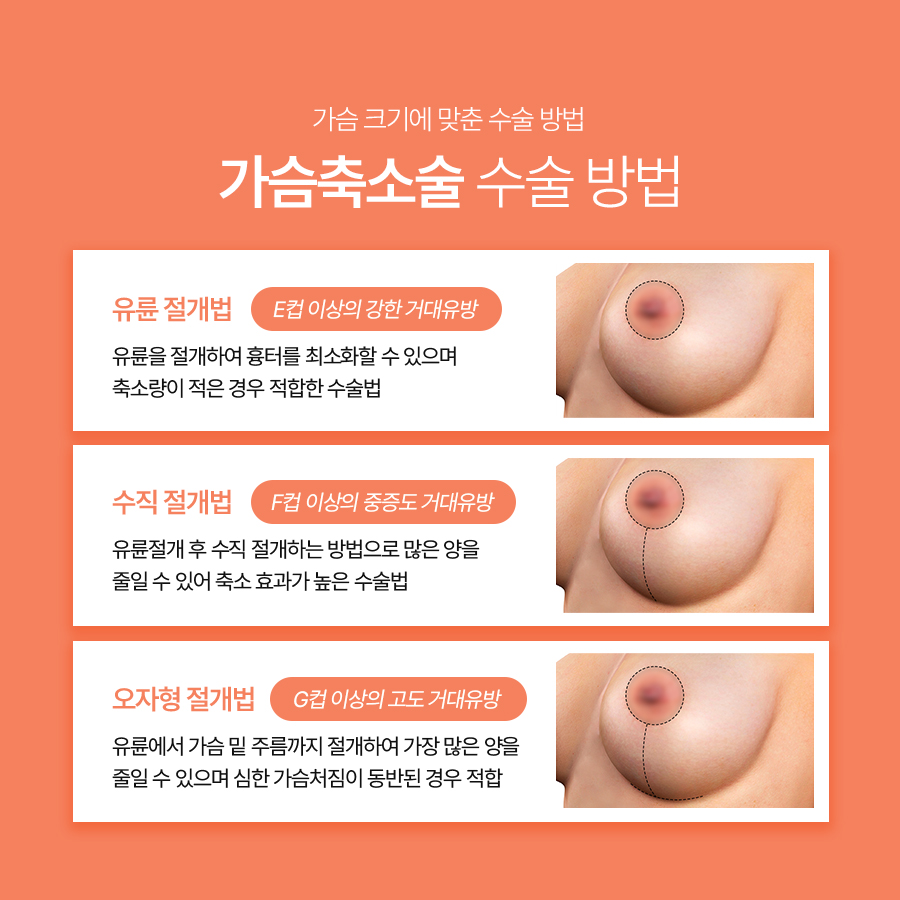
For breast reduction surgery, the surgical method and extent of the incision may vary depending on the size of the breasts and the amount of tissue that needs to be removed. When the breasts are relatively small and not much tissue needs to be removed, an approach centered around the areola may be considered. When the breasts are larger and a substantial amount of tissue needs to be reduced, a straight-line incision extending downward from the areola or an anchor-shaped incision extending to the inframammary fold may be used.
Skin elasticity, nipple position, and breast shape are also considered when selecting the appropriate method. When referring to breast reduction surgery reviews, it is better not to compare only the extent of the incision, but to examine which surgical method is appropriate for your breast size and tissue condition.
Breast Reduction Surgery May Be Considered in These Cases
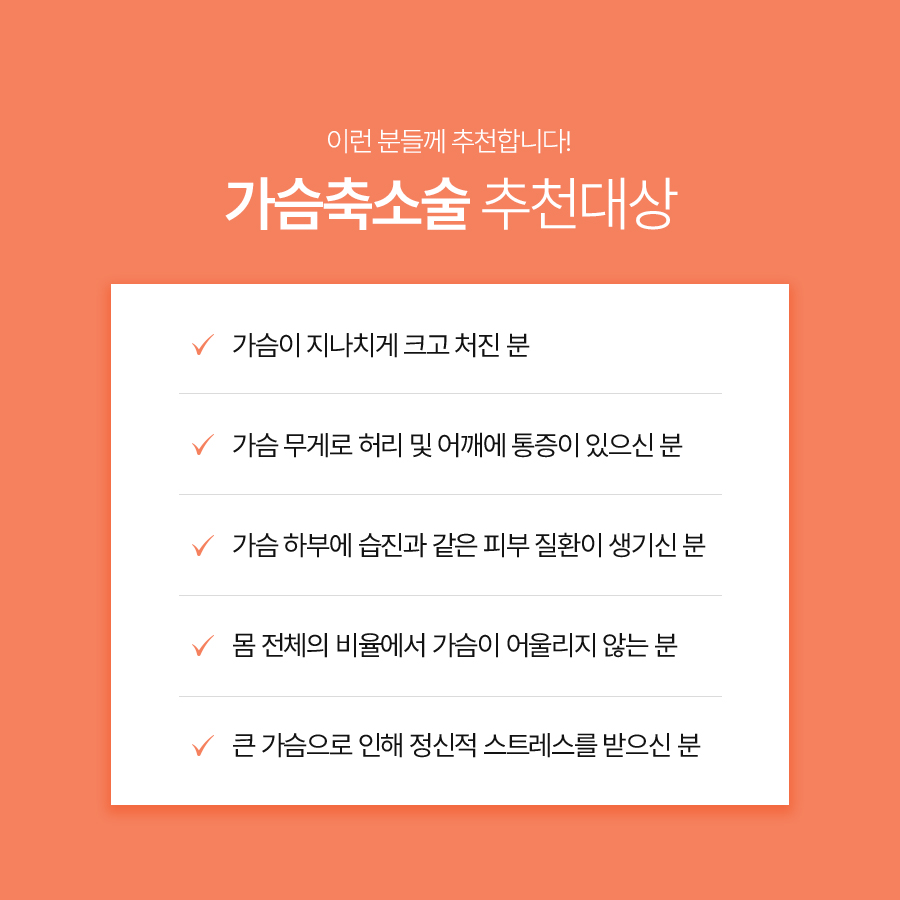
Breast reduction surgery may be considered when large breasts cause continuous strain on the neck or shoulders, when bra straps press against the skin, or when repeated discomfort occurs because the skin beneath the breasts rubs together. Surgery may also be considered when breast size makes it difficult to choose clothing or when you want to improve the overall balance of your body shape.
Because breast size, skin elasticity, and the degree of discomfort vary from person to person, there is no need to decide on surgery solely because the breasts are large. When reviewing breast reduction surgery cases, it is important to first assess your own breast shape, skin condition, and the discomfort you experience in daily life, rather than simply comparing another person’s appearance before and after surgery. Based on this assessment, it is advisable to have a thorough consultation about the surgical method and scope appropriate for your current condition before making a decision.
The important point in breast reduction surgery is not reducing the breasts to a predetermined size, but achieving overall balance by considering body proportions and breast shape. 우아성형외과 determines the necessary surgical scope and method by considering not only breast size, but also skin elasticity, the amount of breast tissue, nipple position, and left-right balance. After surgery, it is necessary to avoid strenuous upper-body exercise or strong pressure for a certain period while monitoring the healing of the incision sites, and to adjust daily activities according to the medical team’s instructions.
When reviewing breast reduction surgery cases, it is also advisable to examine not only the appearance before and after surgery, but also the surgical method, recovery process, and aspects that may apply to your own condition. Since breast reduction surgery considers not only reducing size but also the discomfort caused by the breasts and the overall balance of the body, it is best to carefully choose an approach suited to your condition through a thorough medical consultation.