Breast Sagging Correction Surgery: Correction Methods Based on the Degree of Breast Ptosis

The shape of the breasts can change due to various factors, including weight fluctuations, pregnancy and childbirth, and aging. Over time, the breasts may appear generally sagging as the volume in the upper breast decreases, the skin stretches, or the nipples move downward.
Some people are born with a naturally drooping breast shape, while others may experience reduced skin and tissue elasticity after a rapid loss of weight following an extreme diet. When considering breast sagging correction surgery, it is important to first assess the current degree of sagging and the condition of the breast tissue and skin, rather than simply focusing on increasing breast size.
There Are Various Causes of Breast Sagging
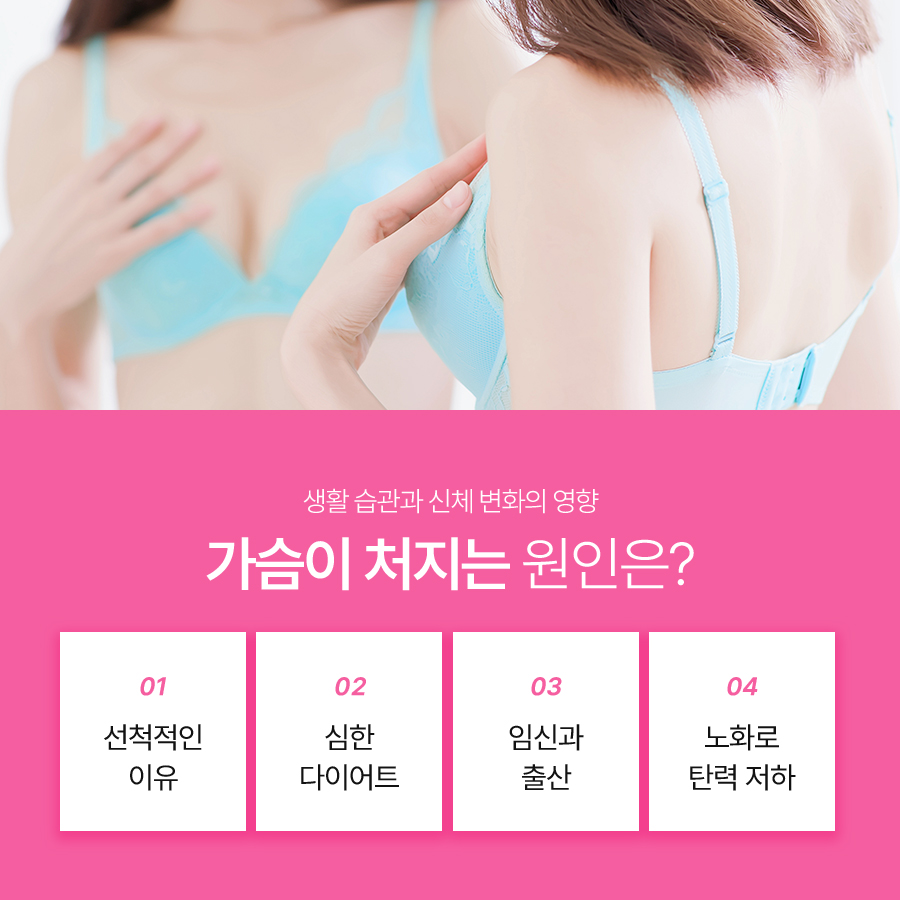
There is no single cause of breast sagging. Some people are born with breasts that naturally point downward or with nipples positioned lower on the breast. In other cases, a significant loss of weight through an extreme diet can reduce the amount of fat and tissue in the breasts, causing the skin to stretch.
During pregnancy and childbirth, the breasts may enlarge and then decrease in size, which can stretch the skin and reduce its elasticity. The gradual loss of skin elasticity with age can also affect the breast shape. Because the causes of breast sagging vary from person to person, it is necessary to examine both the pattern of sagging and the condition of the breast tissue.
Stages of Breast Ptosis Based on Nipple Position
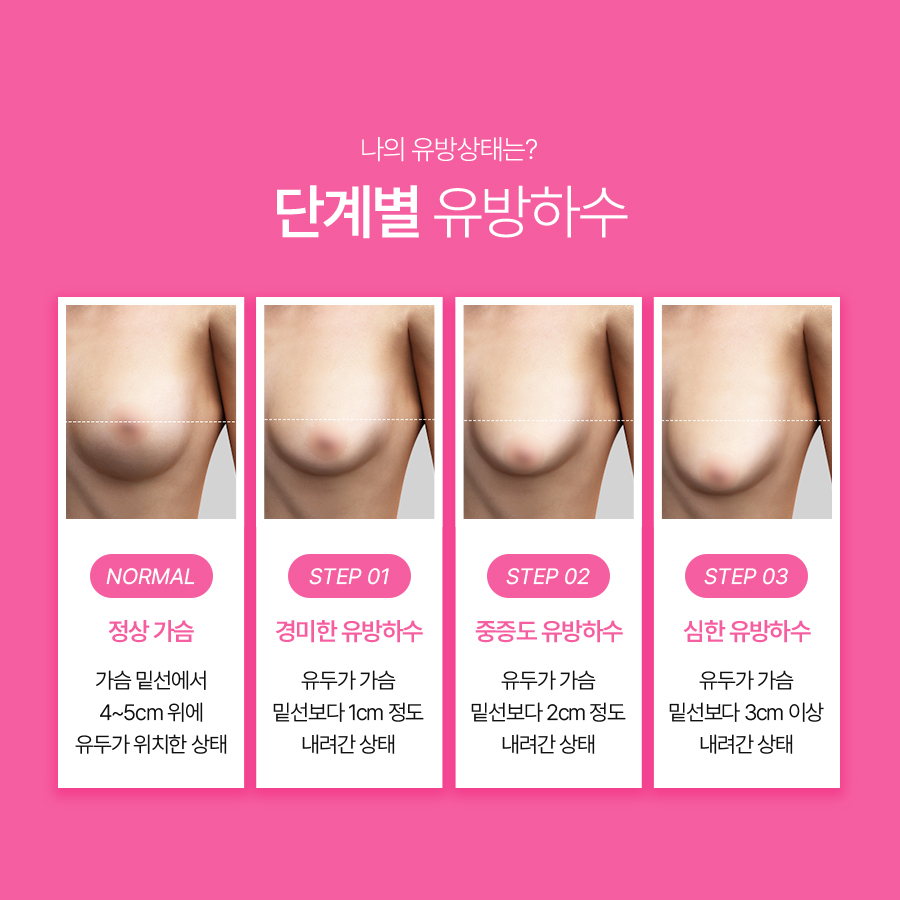
Breast ptosis can be classified according to the position of the nipples in relation to the inframammary fold. Normally, the nipples are positioned approximately 4–5 cm above the inframammary fold. Mild breast ptosis refers to a case in which the nipples have descended approximately 1 cm below the inframammary fold, while moderate breast ptosis may refer to a position approximately 2 cm below it. If the nipples are positioned 3 cm or more below the inframammary fold, this may be considered severe breast ptosis.
When planning breast sagging correction surgery, it is important to comprehensively examine the breast size, skin elasticity, and amount of tissue along with the stage of ptosis. Therefore, rather than determining the degree of sagging based solely on measurements, the overall breast shape and nipple position should also be assessed.
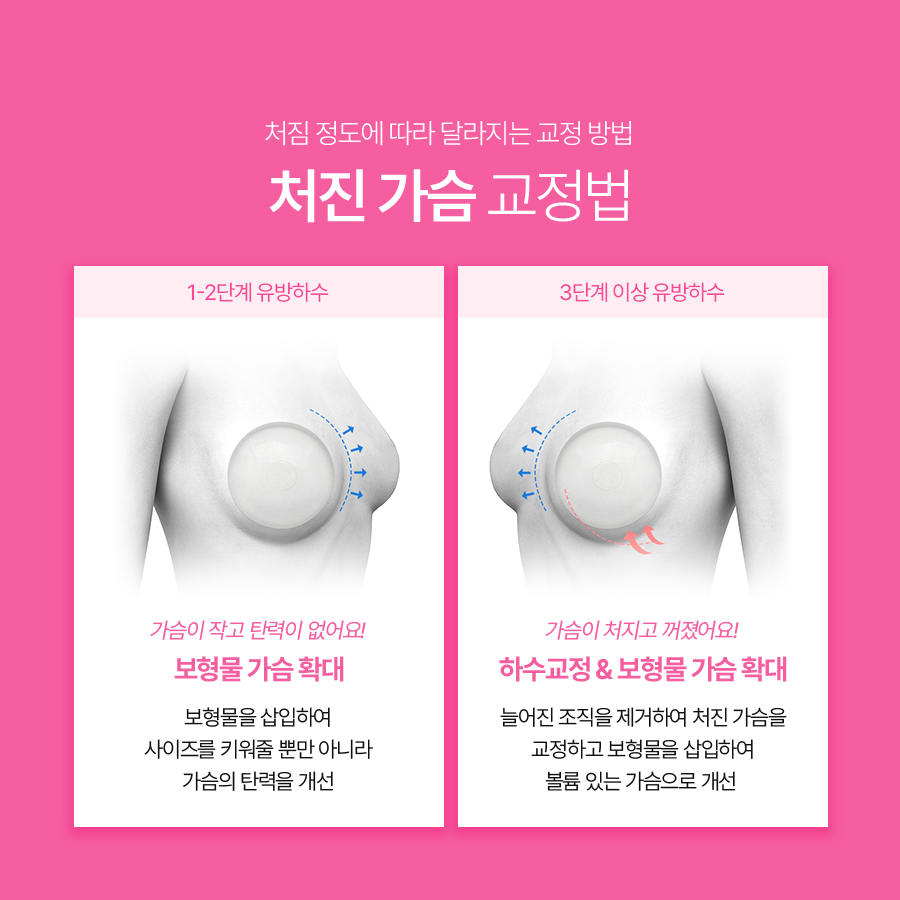
The Correction Method Varies Depending on the Degree of Sagging
The method used to correct sagging breasts may vary depending on the degree of breast ptosis and the current breast size. For relatively mild breast ptosis at approximately stages 1–2, breast augmentation using implants may be considered to supplement insufficient volume while improving the breast shape.
On the other hand, when sagging has progressed to stage 3 or higher, one option may be to appropriately remove excess tissue to correct the position of the sagging breast and then use implants to supplement insufficient volume. Therefore, it is important to determine the appropriate method by assessing not only the desired size but also the stage of breast ptosis and the amount of excess tissue.
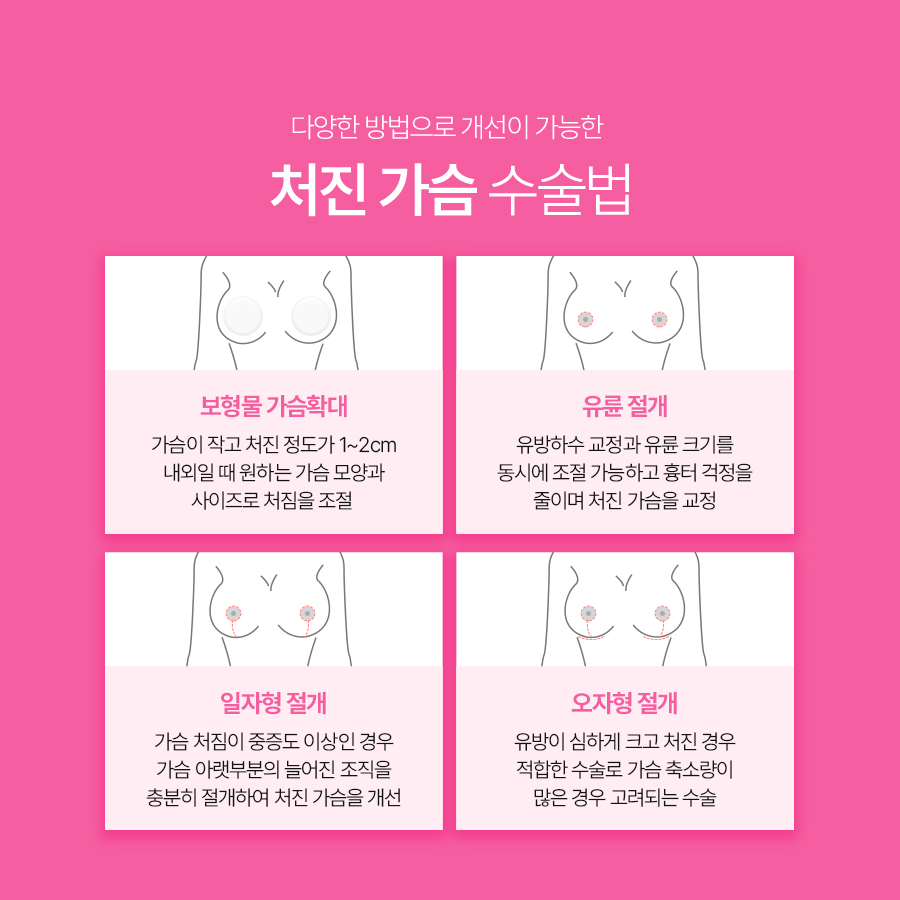
Surgical Methods Based on the Degree of Sagging
In actual surgery, the location and extent of the incision and the amount of tissue to be corrected are adjusted according to the degree of sagging. If the breasts are small and the sagging is relatively mild, at approximately 1–2 cm, breast augmentation with implants may be considered to create the desired shape and size while addressing the sagging. A periareolar incision can correct breast ptosis while also allowing the size of the areola to be adjusted.
For moderate or more severe sagging, a vertical incision may be considered to sufficiently remove excess tissue from the lower part of the breast. If the breasts are large, the sagging is severe, and a substantial reduction is needed, an anchor-shaped incision may be used. Because the incision extent and amount of tissue to be corrected differ from person to person in breast sagging correction surgery, the scar location and breast shape must also be considered.
For breast sagging correction surgery, it is important to determine the surgical extent according to the condition of the breasts rather than applying the same method to everyone. Even with the same stage of breast ptosis, the appropriate surgical method may vary depending on breast size, skin thickness, amount of breast tissue, and differences between the two sides. In some cases, the shape can be improved with breast augmentation using implants alone, while in others, the excess tissue must also be corrected.
At 우아성형외과, treatment is planned by examining the breast size and degree of sagging together with the condition of the skin and tissue to determine the extent of correction needed for each individual. Therefore, when considering breast sagging correction surgery, it is necessary to assess which method is appropriate for one's degree of breast ptosis and physical characteristics, rather than comparing only the advantages of each surgical method. Accurately understanding the condition of one's breasts and determining the surgical extent accordingly is important.