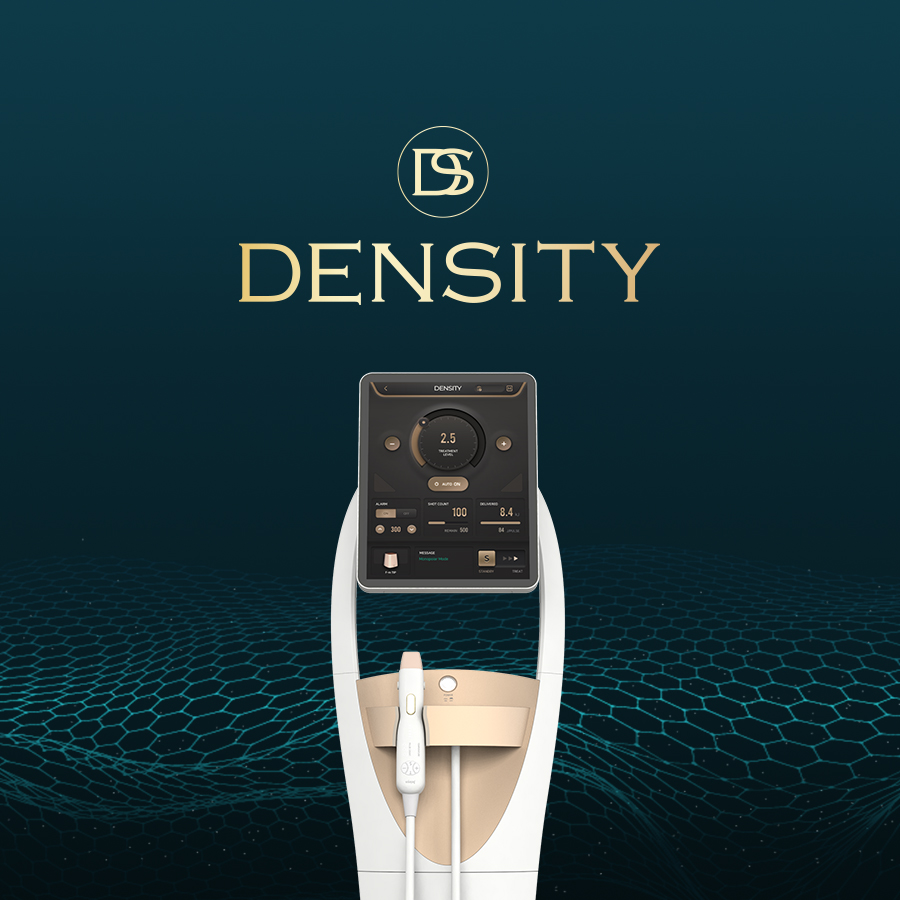
A lifting guide for people in their 40s who are concerned about skin elasticity
When you reach your 40s, skin elasticity noticeably decreases, and wrinkles and sagging skin become major concerns. To address this, many people consider ultrasound lifting and Density radiofrequency lifting. Both procedures are effective for improving skin elasticity and reducing wrinkles, but they differ in how they work and how long the effects last.
Which lifting method is more suitable?
In this article, we will compare ultrasound lifting and radiofrequency lifting, and introduce lifting procedures that may be recommended for people in their 40s.
Ultrasound vs. Density radiofrequency lifting
Comparison of how they work
Ultrasound lifting uses ultrasound energy to deliver heat deep into the skin. It uses high-intensity focused ultrasound (HIFU) to concentrate energy on the dermis and SMAS layer, tightening the skin. It is effective for improving skin elasticity, but depending on the individual, redness or a stiff feeling may occur after the procedure.
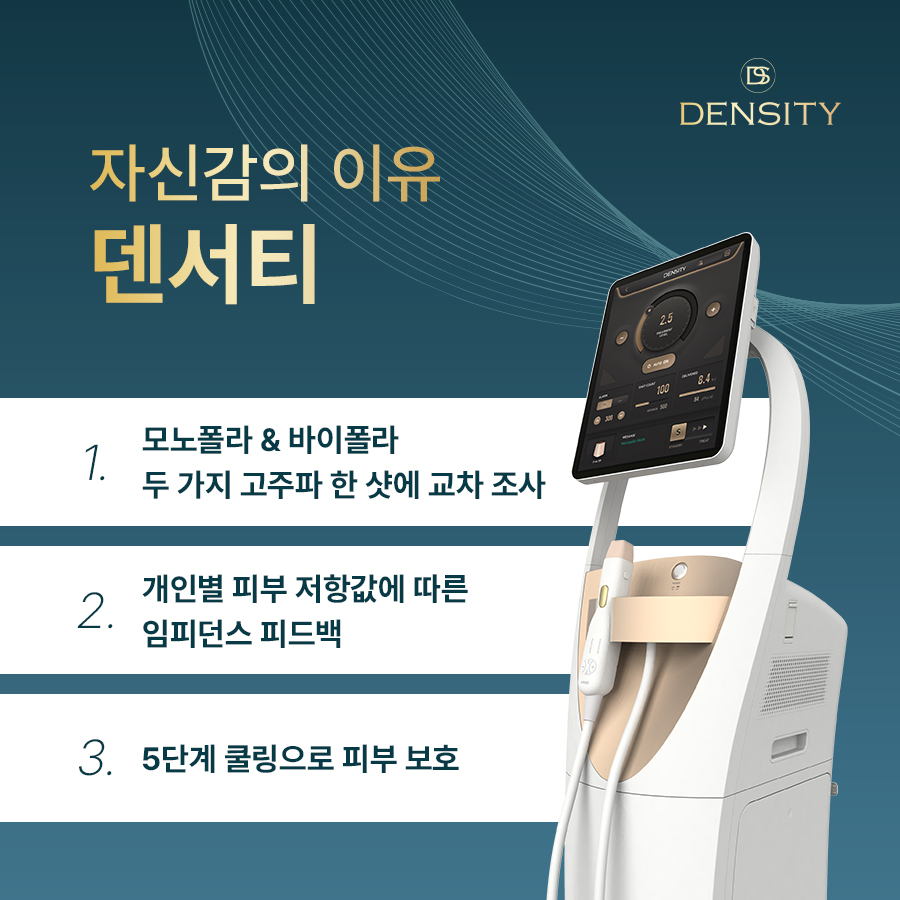
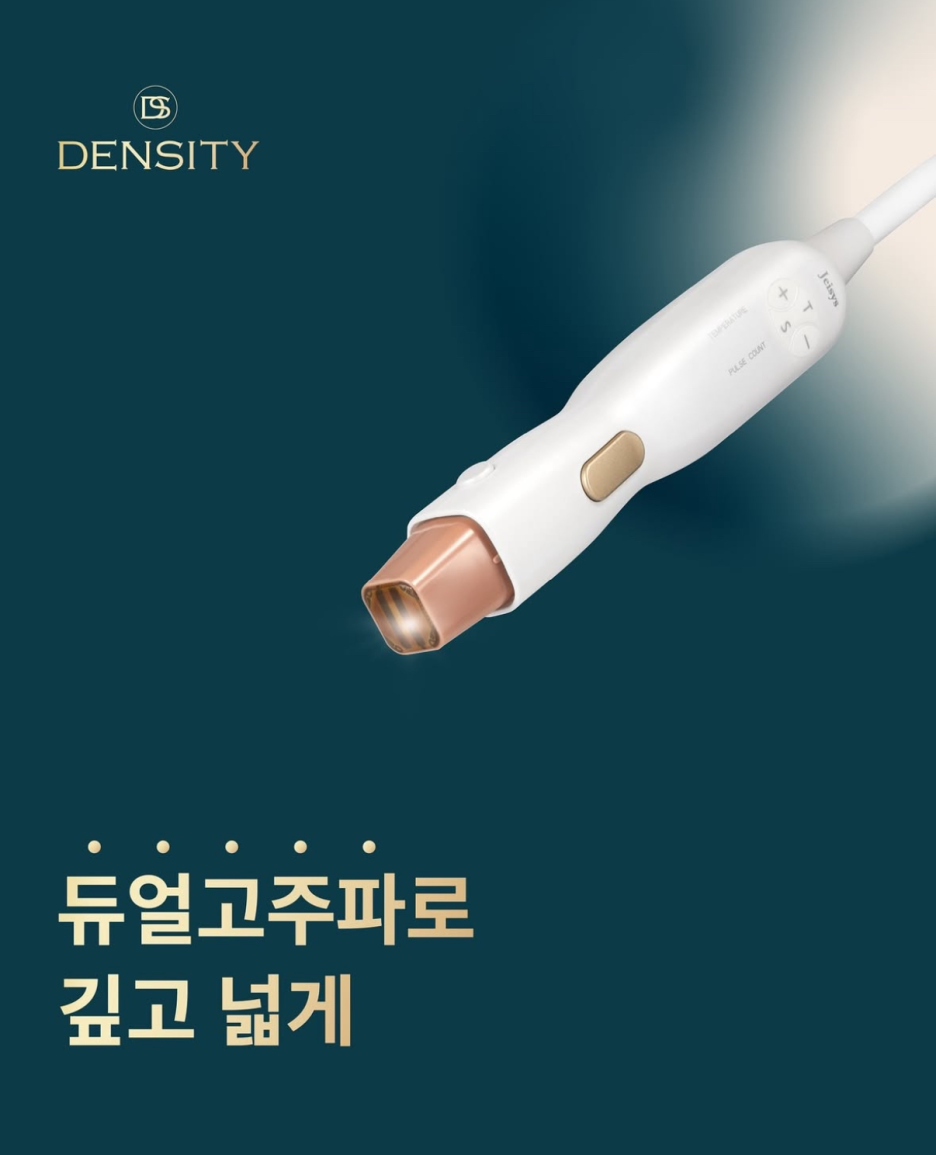
On the other hand, Density radiofrequency lifting is a procedure that uses both monopolar and bipolar radiofrequency at the same time, delivering heat evenly from the skin surface to deeper layers. While ultrasound lifting concentrates energy on a single layer, Density radiofrequency lifting disperses energy across the overall skin area to provide a balanced lifting effect. In addition, because radiofrequency generates heat by using moisture inside the skin, it can be performed without burdening dry skin.
Effect duration and immediate changes
Ultrasound lifting begins to show full effects about 2 to 3 months after the procedure, and the results last for about 6 months to 1 year. Because the effects appear gradually over time, immediate changes are difficult to expect.
On the other hand, Density radiofrequency lifting can show an immediate improvement in skin elasticity right after the procedure. It also uses two types of radiofrequency to further activate collagen and elastin production, and its duration is longer than ultrasound lifting, usually lasting about 1 year. In that sense, Density radiofrequency lifting may be a better option because it slows the rate of sagging skin and is more effective at reducing fine lines.
Comparison of pain during the procedure and recovery time
When considering a lifting procedure, the level of pain is also an important factor. In ultrasound lifting, ultrasound energy is concentrated on specific points in the skin, which can create a strong sensation of heat, so the pain can be somewhat intense. People with sensitive skin may feel discomfort during the procedure.
On the other hand, Density radiofrequency lifting delivers radiofrequency energy more gently and regulates heat stimulation through an impedance feedback system that detects skin temperature in real time and a 5-step cooling system. As a result, it causes relatively less pain than ultrasound lifting and has a shorter recovery time. Mild redness may occur immediately after the procedure, but it usually subsides within a few hours, allowing for a quick return to daily life.
Why Density radiofrequency lifting is more recommended for people in their 40s
Both ultrasound lifting and Density radiofrequency lifting are effective lifting methods, but when it comes to addressing skin concerns in your 40s, Density radiofrequency lifting has the advantage. With immediate effects, less pain, a longer duration, and the ability to tailor the procedure, Density radiofrequency lifting can be a more suitable option for people in their 40s.
If you want to improve skin elasticity, reduce fine lines, and enjoy long-lasting results, consider Density radiofrequency lifting. It can be a good choice for addressing skin concerns and maintaining youthful, healthy-looking skin.
#UltrasoundLifting #UltrasoundRadiofrequencyLifting #Density #RadiofrequencyLifting #Lifting #LiftingProcedure #FacialLifting #RadiofrequencyLiftingEffects #CheongdamLifting #DensityHigh