Repot Laser Can Effectively Remove Facial Lentigines
Among the various changes that appear on the skin, pigmented conditions are often noticeable in appearance, so many people make a continuous effort to manage them. Among them, lentigines develop due to causes such as ultraviolet exposure, genetic factors, and skin irritation, and they tend to occur mainly in frequently exposed areas such as the cheeks, forehead, and bridge of the nose. Once they settle in, they do not easily fade over time, so it is very important to receive fast and thorough care.
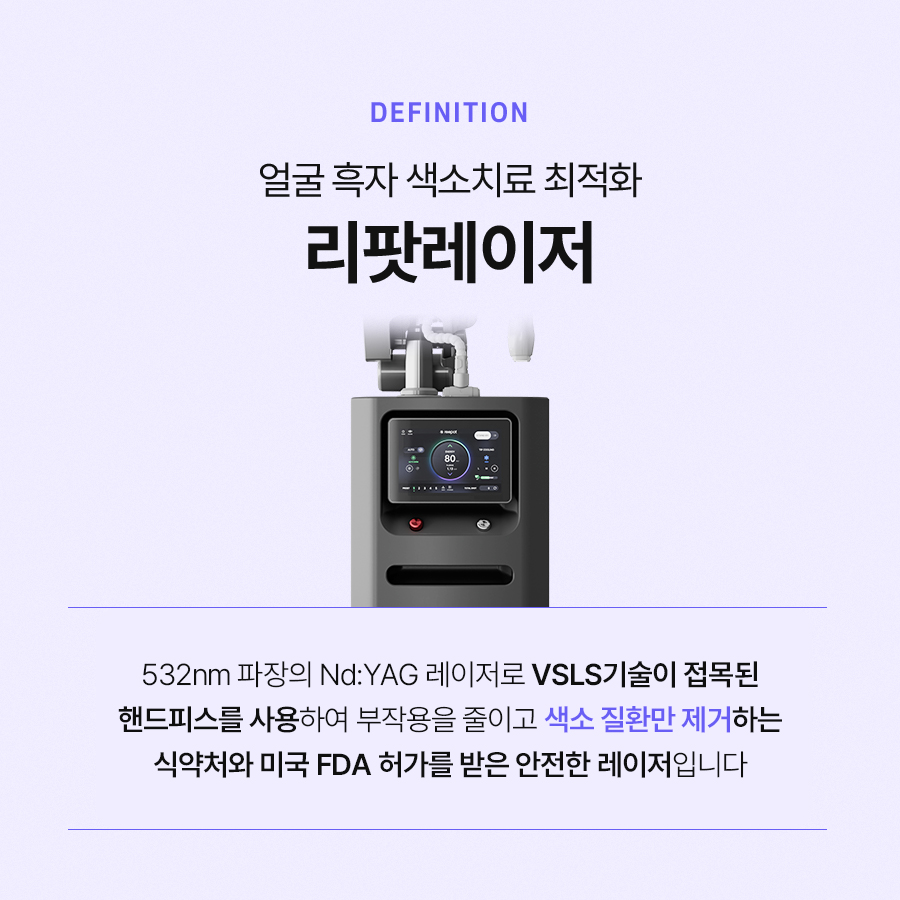
Among the various skin care methods used to address these pigment issues, one that has recently attracted attention is Repot Laser. It works on a different principle from conventional high-intensity stimulation methods and has the advantage of allowing a more precise approach for improving pigmented conditions.
An Effective Method for Pigmented Conditions
This procedure is a method designed to precisely treat problem areas by using energy at a specific wavelength that targets melanin pigment located in the deeper layers of the skin. It helps naturally improve areas of visibly darkened pigmentation and blemishes caused by repeated irritation, and it can be used not only for lentigines but also for conditions such as melasma and freckles.
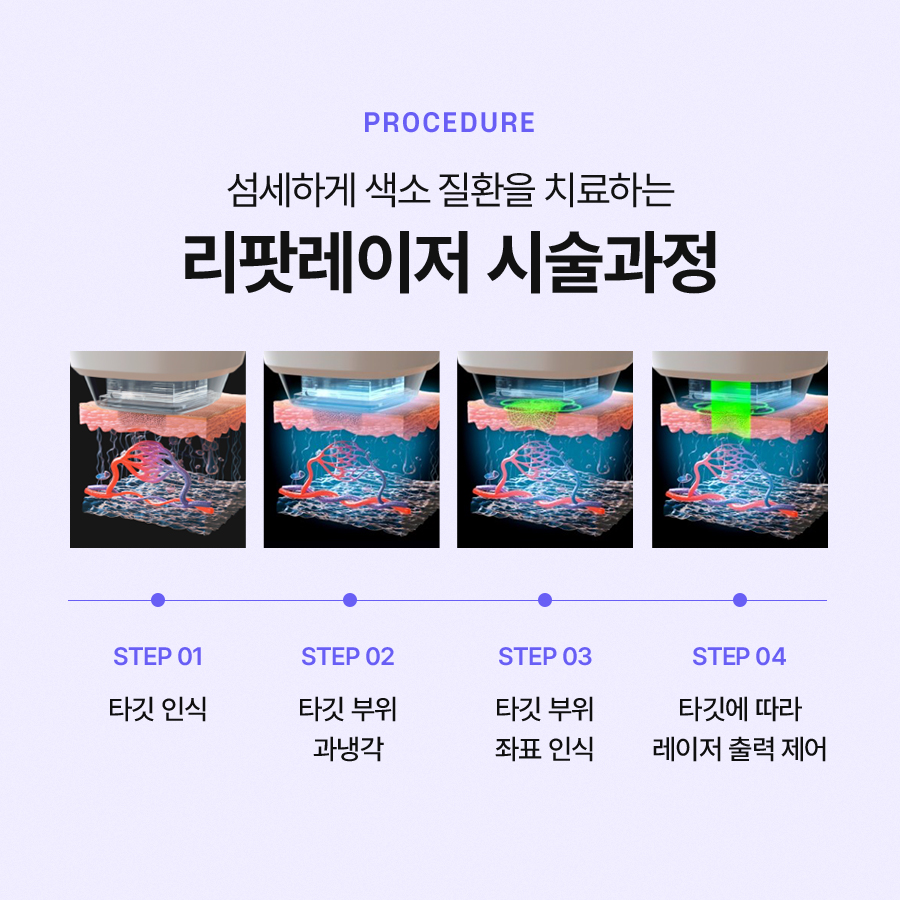
In particular, for lentigines, energy is needed that can affect pigment formed near the dermal layer, not just surface-level color changes. Repot Laser acts delicately according to this complex structure, allowing flexible response depending on the depth of the pigment.
Advantages of Repot Laser
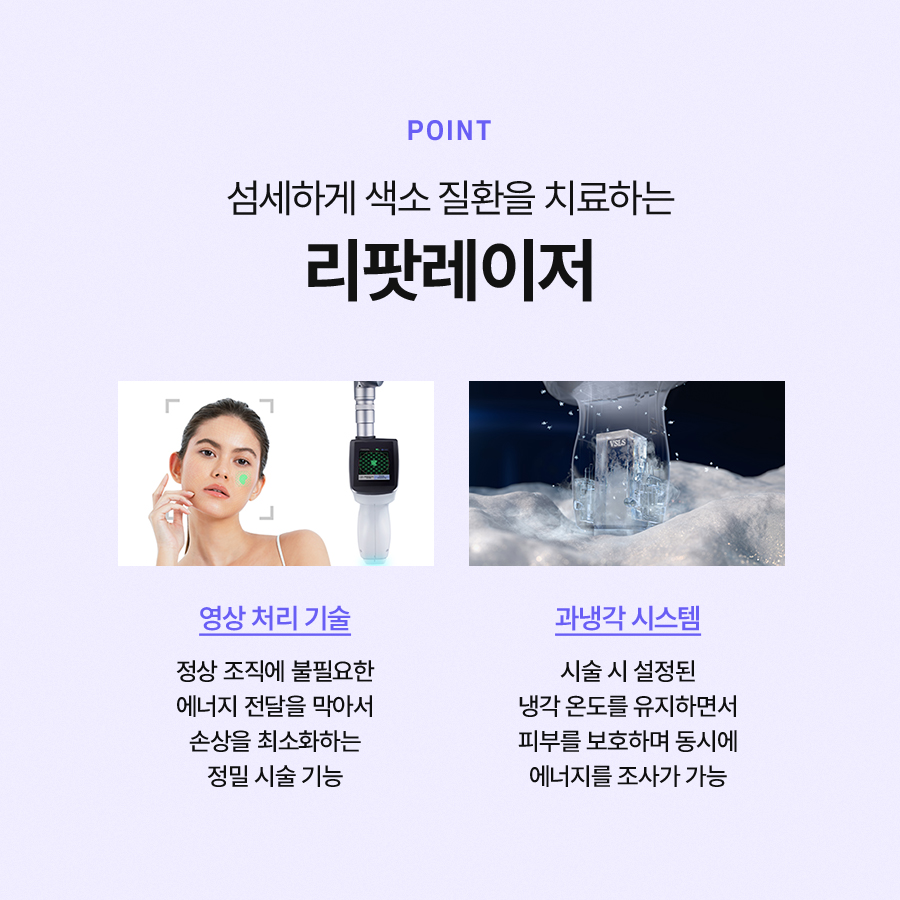
Because it is not a method that directly places strong stress on the skin, but rather a system that delivers precise stimulation only to the necessary areas, it is regarded as a method that can minimize surface damage while still producing satisfying results. In particular, Repot Laser can also be applied when pigmentation is spread over a wide area or across multiple areas.
These characteristics make it suitable for stable use even on skin with uneven pigment density, and it is advantageous in reducing burden because it can selectively treat only the key areas without unnecessary irritation to the surrounding skin.
Customized Response for Lentigines
Lentigines are often located in a slightly deeper layer than ordinary blemishes, and they tend to darken due to ultraviolet exposure or hormonal changes. In addition, they tend to become more concentrated or spread wider over time, so it is important to respond appropriately at an early stage.
Considering these characteristics, Repot Laser is designed to focus only on the area where the pigment is located, and it has a relatively high response rate for various pigmented lesions. While gently improving lentigines, it can also help manage the surrounding skin tone, creating a softer overall impression.

There Are Various Effects.
If there are areas of dark pigmentation on the skin, the overall impression of the face can appear heavy. Repot Laser helps restore a naturally clearer skin appearance by harmoniously refining these areas. In particular, areas that receive a lot of light, such as the cheeks, forehead, and bridge of the nose, tend to show pigment changes more clearly, so effectively working on those areas can be an important part of improving appearance.
Those who are worried because they have lentigines on the face, those whose lentigines returned after treatment, those who did not see results from other laser treatments, those who want rapid improvement after lentigines laser treatment, and those seeking treatment for intractable pigmented disorders may benefit from this procedure.
Lentigines and pigmented conditions are easy to notice visually, so many people want continuous management. Repot Laser is a device structured to respond precisely to these concerns, and it is designed in a way that takes both the depth and range of pigmentation into account.
It can be considered a suitable option for those who want stable skin improvement rather than one-time stimulation, and it is also an effective method for considering various pigment issues at the same time.