If You Want to Treat Facial Pigmentation with Repot Laser
Because the skin is the area that first comes into contact with the external environment, it is affected by various factors such as ultraviolet rays, air pollution, and lifestyle habits. As a result, over time, pigmentation conditions such as blemishes, freckles, and melasma can develop.
These issues are not merely cosmetic inconveniences; they can make the skin look unhealthy and serve as a factor that makes a person look older than their actual age. In particular, they tend to occur more easily during summer, when UV rays are strong, or during periods of hormonal changes.
Pigmentation can be temporarily concealed with makeup, but for a fundamental improvement, a method that directly addresses pigment embedded deep within the skin is needed. Repot Laser is designed to selectively target only pigment cells while minimizing damage to surrounding tissue, which can help even out overall skin tone and improve clarity.
What is the principle of Repot Laser?
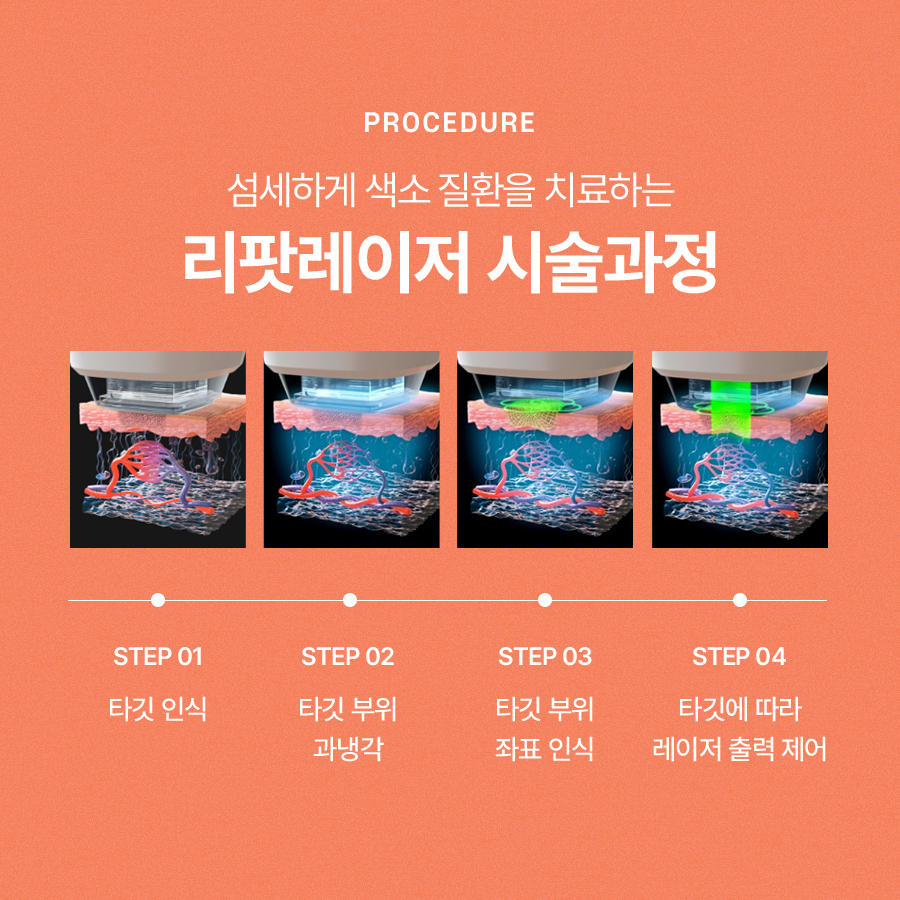
This procedure is designed to use a specific wavelength so that it is selectively absorbed only by melanin pigment. Melanin is the main component of skin pigment and plays a role in protecting the skin from ultraviolet rays, but when it is produced in excess, it appears as blemishes or melasma.
Therefore, as the laser delivered through Repot Laser is absorbed by melanin, the particles are broken down and then gradually removed. The important point in this process is that only melanin is selectively stimulated. In other words, it has the advantage of reducing unnecessary damage by removing only the pigment without greatly affecting surrounding normal cells or blood vessel structures.
It treats only pigmentation disorders.
Before the procedure, a process of accurately identifying the skin condition and type is necessary. At this time, the strength and number of laser sessions may vary depending on the type, distribution, depth, and size of each condition such as blemishes, melasma, freckles, and dark spots.
After Repot Laser, the skin becomes more sensitive to external stimulation, so sunscreen is essential. In addition, it is advisable to avoid irritating exfoliants or procedures that apply strong pressure to the skin for a certain period of time. Pigmentation disorders can recur due to ultraviolet rays, hormonal changes, and lifestyle habits. Therefore, it is very important to continue consistent sun protection and lifestyle management even after the procedure.
Types of pigmentation disorders that can be improved
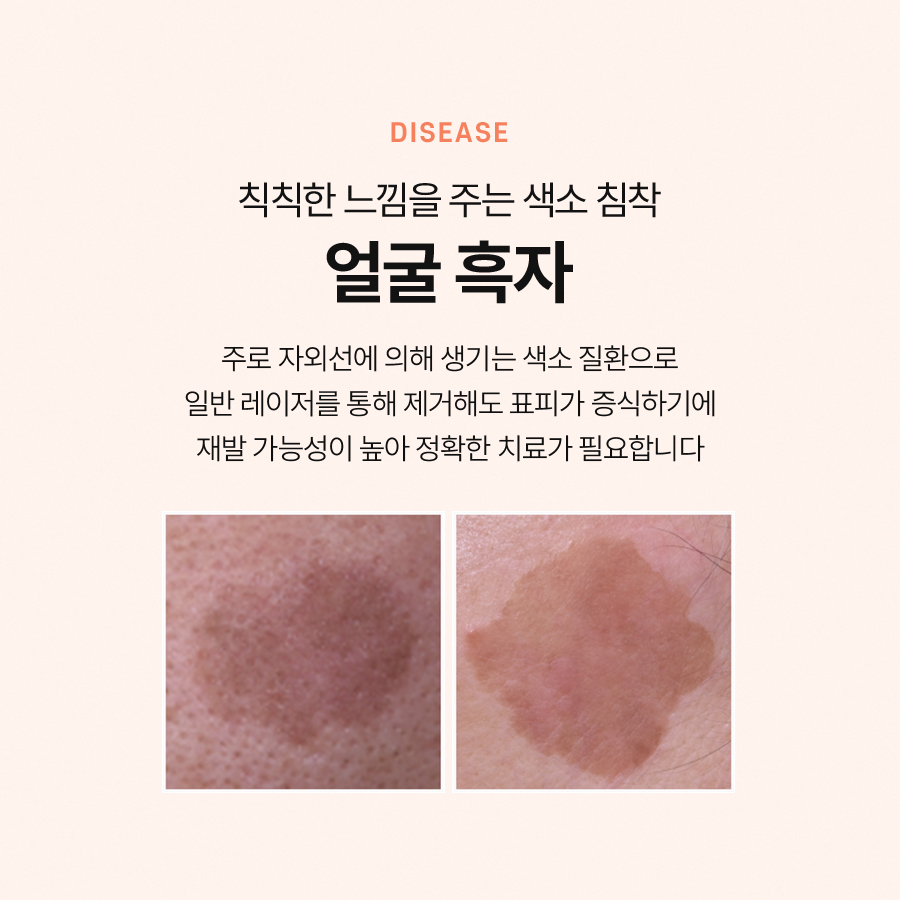
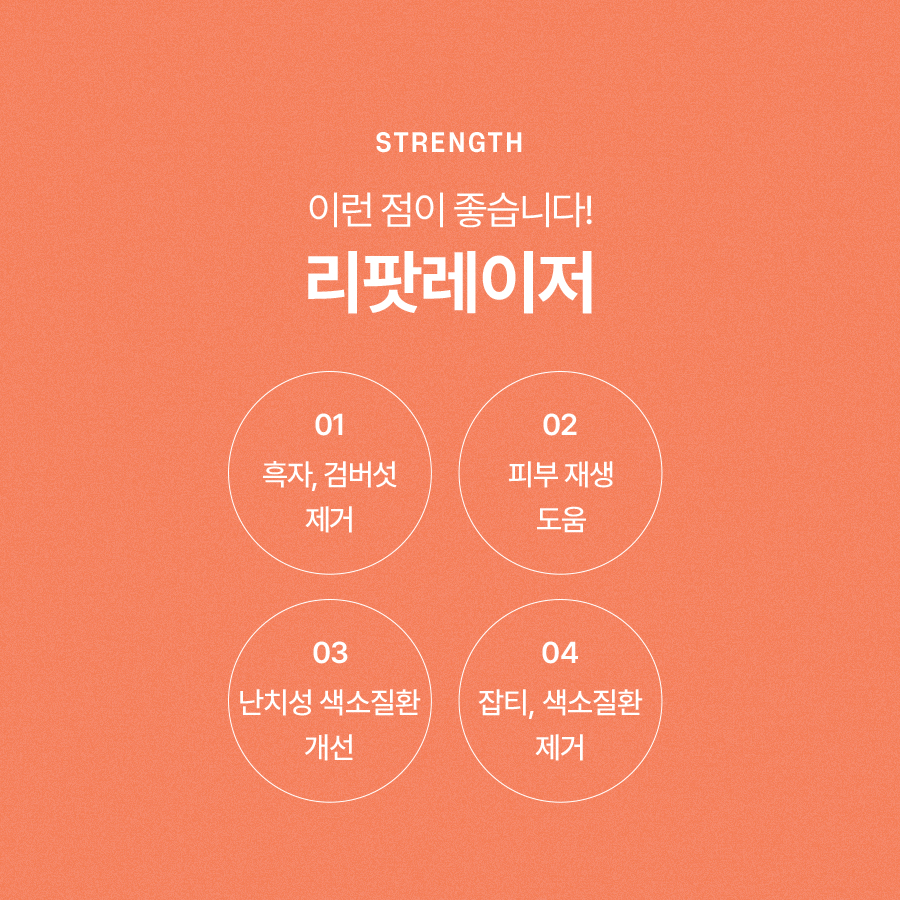
Repot Laser can be used for various pigmentation disorders. First, melasma is a type of pigmentation caused by the combined effects of hormonal changes and ultraviolet rays, and it often appears symmetrically on both cheeks or the forehead.
It can also be used for freckles, which may be present congenitally or become darker with sun exposure, as well as blemishes and dark spots, which are irregular brown spots that appear on the skin as people age.
Advantages and distinctiveness of Repot Laser
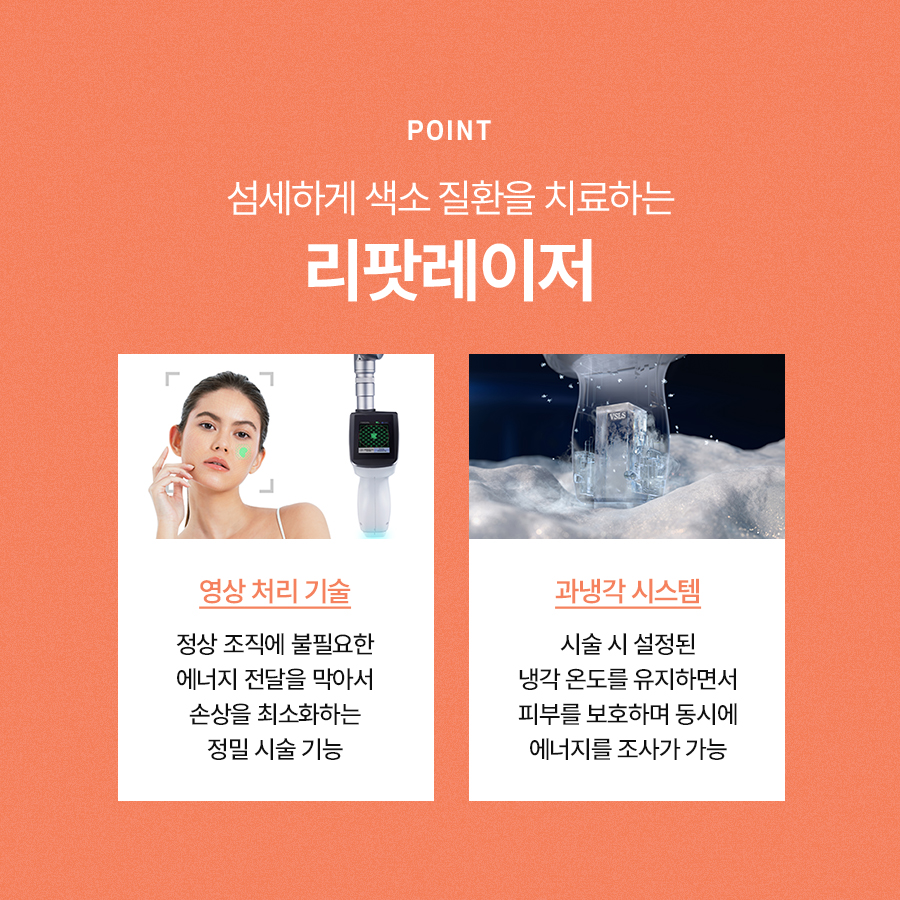
Although various devices such as IPL and pico lasers are used for pigmentation treatment, Repot Laser is differentiated by its high selectivity for melanin. While IPL uses a broad range of wavelengths to affect the skin as a whole, this approach allows for a more precise focus on the pigment itself.
It also stably targets melanin with a relatively consistent wavelength, helping maintain treatment consistency and making it advantageous for pigmentation issues that require long-term management.

Skin pigmentation is an important factor that goes beyond a simple cosmetic concern and directly affects a person’s impression and confidence. Because cosmetics or daily care alone have limitations, management through Repot Laser can be necessary.
This procedure precisely targets only melanin pigment, allowing it to broadly address various concerns such as blemishes, melasma, and age spots. Although pigmentation disorders differ depending on age, Repot Laser can show a consistent improvement effect across all of these stages and can greatly help create a more even skin tone.