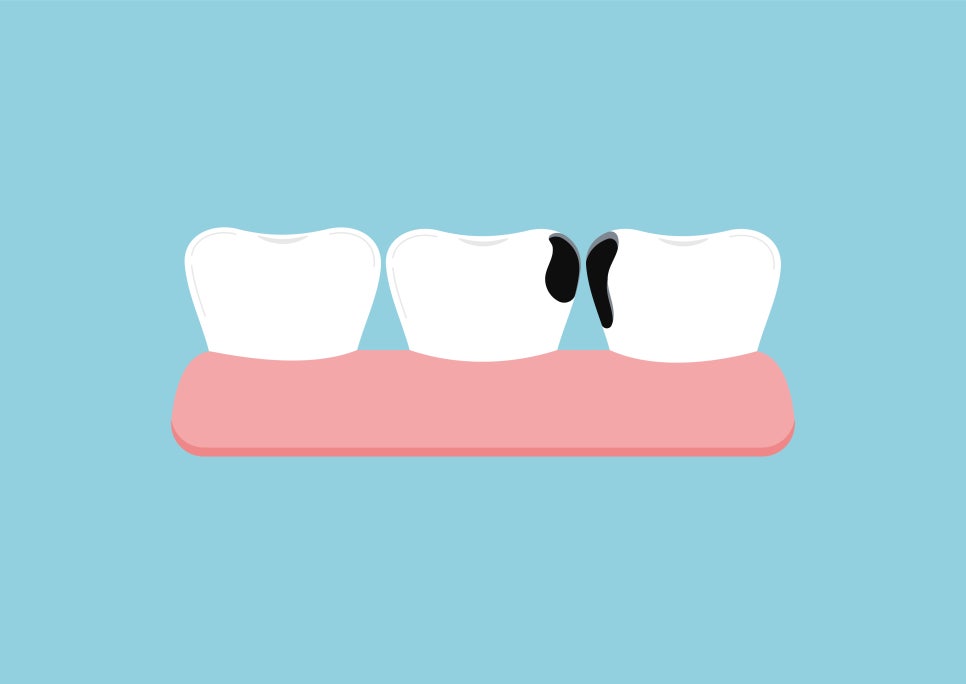
A tooth that looks fine in the mirror,
but have you ever been surprised by sudden sensitivity or gum discomfort?
Even when there seems to be nothing wrong on the surface,
it may actually be interproximal decay
slowly progressing between the teeth.
This area is hard for a toothbrush to reach,
so it is difficult to keep clean,
and in the early stages there are almost no symptoms,
making it easy to overlook.
Then, at some point, pain appears or
issues such as food getting stuck frequently start to show up,
and the problem is recognized only after it has progressed.
If detected early,
it can be treated simply,
but if left untreated, it can
have a negative effect on the entire tooth.
Today, we will take a close look at interproximal cavities,
from their causes and treatment methods to prevention.
Causes of interproximal cavities
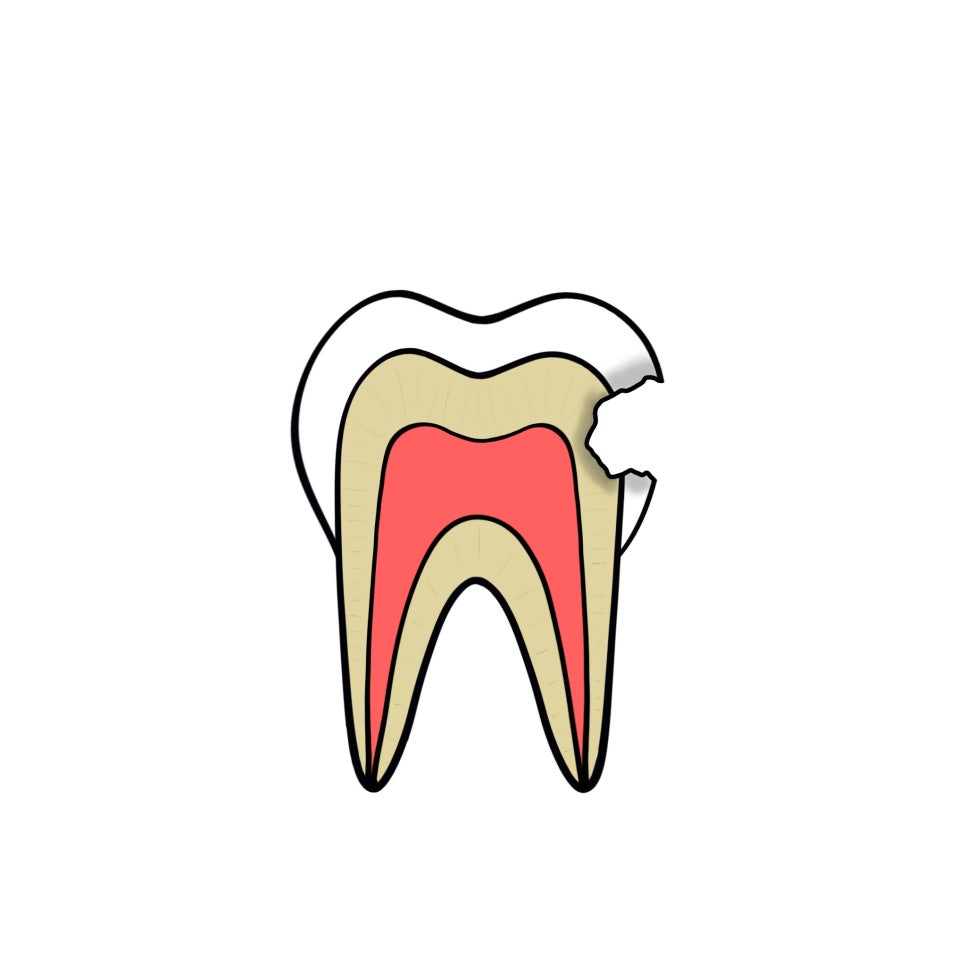
Interproximal cavities, as the name suggests,
are problems that develop on the side surfaces
where teeth touch each other.
This area is hard for toothbrush bristles to reach,
so food debris and bacteria
remain easily,
which produces acid
and corrodes the tooth surface.
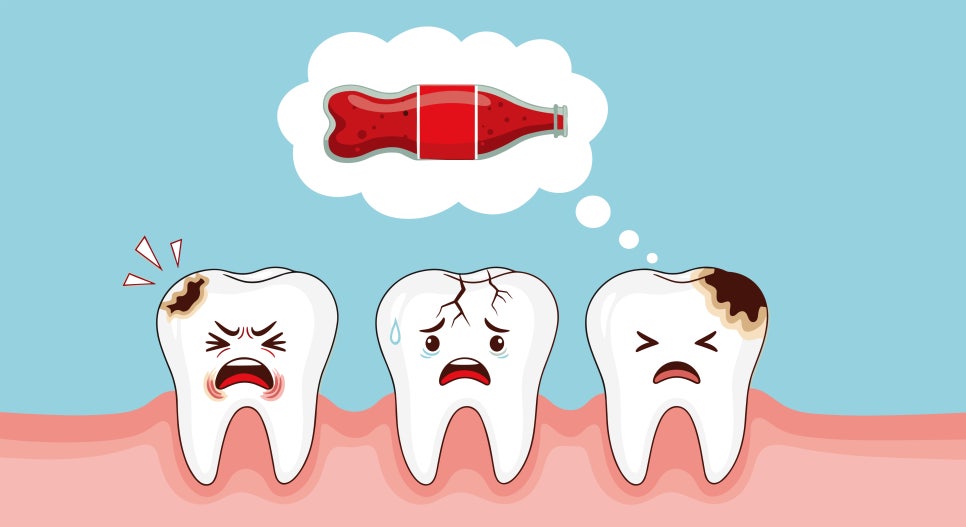
In particular, if you frequently consume
sugary foods or carbonated drinks,
the environment in your mouth becomes acidic,
and the impact becomes even greater.
If this is combined with a lifestyle that does not include
using dental floss or interdental brushes,
the interproximal area becomes weaker over time,
and the risk of cavities increases further.
Problems that occur if left untreated
In the early stage of progression,
there are almost no noticeable symptoms,
so it is difficult to recognize on your own.
However, after a certain period of time,
problems such as sensitivity, food getting stuck,
and an unpleasant odor begin to cause discomfort.
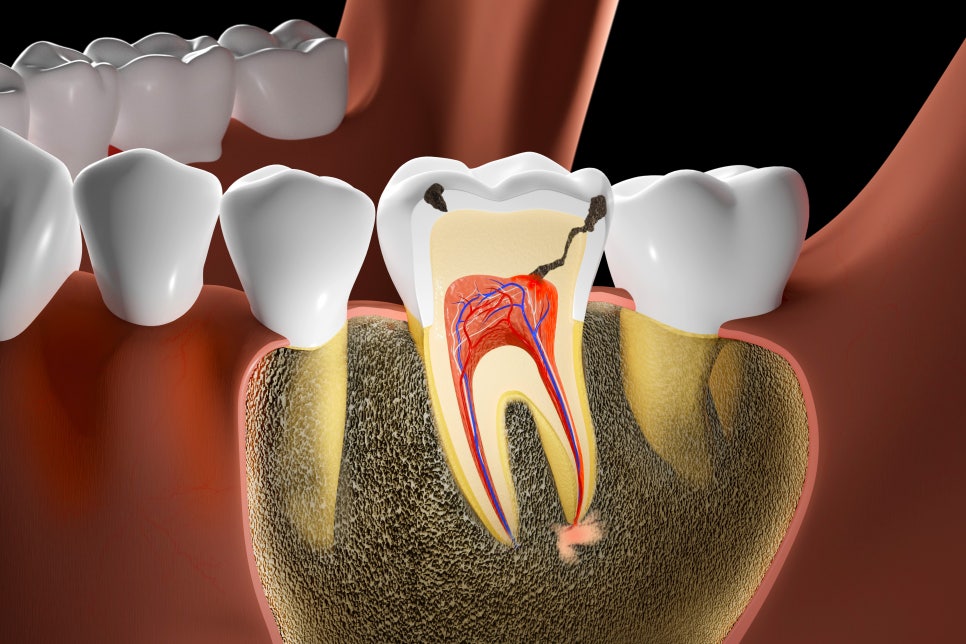
Because the progression can also be rapid,
if the damage is left untreated,
it can extend into the inside of the tooth
and even affect the nerve.
If the nerve becomes involved,
the pain becomes severe and treatment becomes more complicated,
and adjacent teeth may also be affected,
so there is a possibility that the damage will spread in a chain reaction.
Since a small problem on one side can threaten
the function of multiple teeth,
early detection is more important than anything else.
Treatment methods
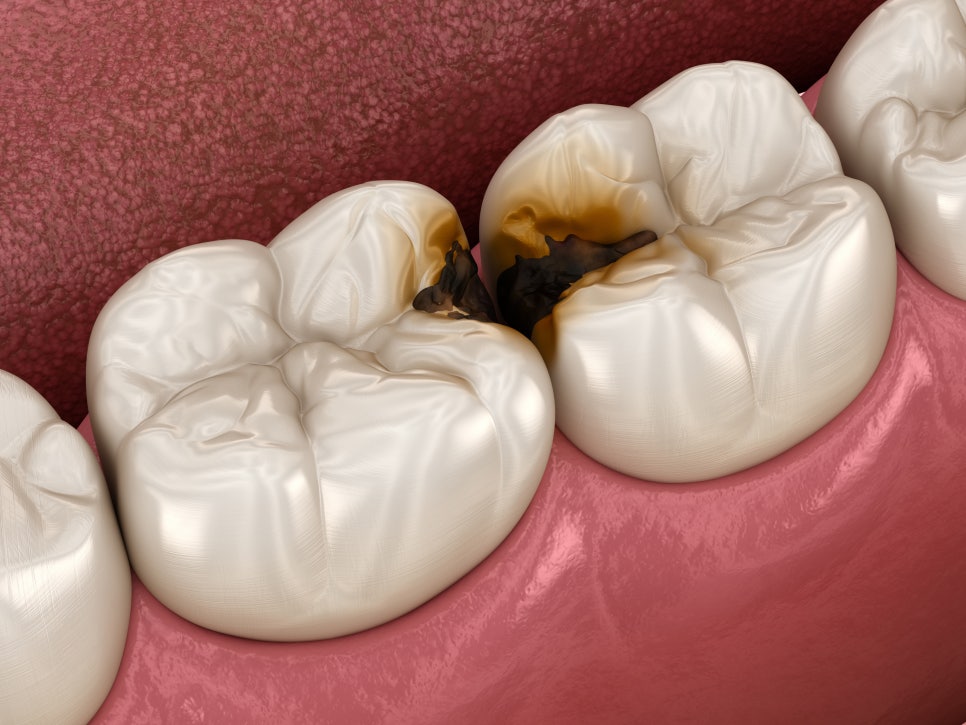
Treatment varies depending on the extent of the damage.
If found early,
it can be completed with a simple treatment using restorative materials such as resin,
and the amount of tooth that needs to be removed is not large.
However, if the damage is deeper
and has spread more widely,
inlay treatment may be necessary.
An inlay is a method in which the damaged area is removed
and a precisely made prosthetic is inserted,
preserving the original tooth shape while also providing excellent durability and function.
It is especially suitable for molars,
which are subjected to a lot of chewing force,
or when a wide area has been damaged.
If the condition has progressed further,
root canal treatment may be needed first,
followed by a crown.
Because such treatment takes more time and cost,
it is best to detect it as early as possible.
Since this is an area that is difficult to check with the naked eye,
a precise diagnosis should be made through radiographic imaging and other methods.
Lifestyle habits to prevent cavities
For prevention, above all,
it is important to keep the spaces between teeth clean.
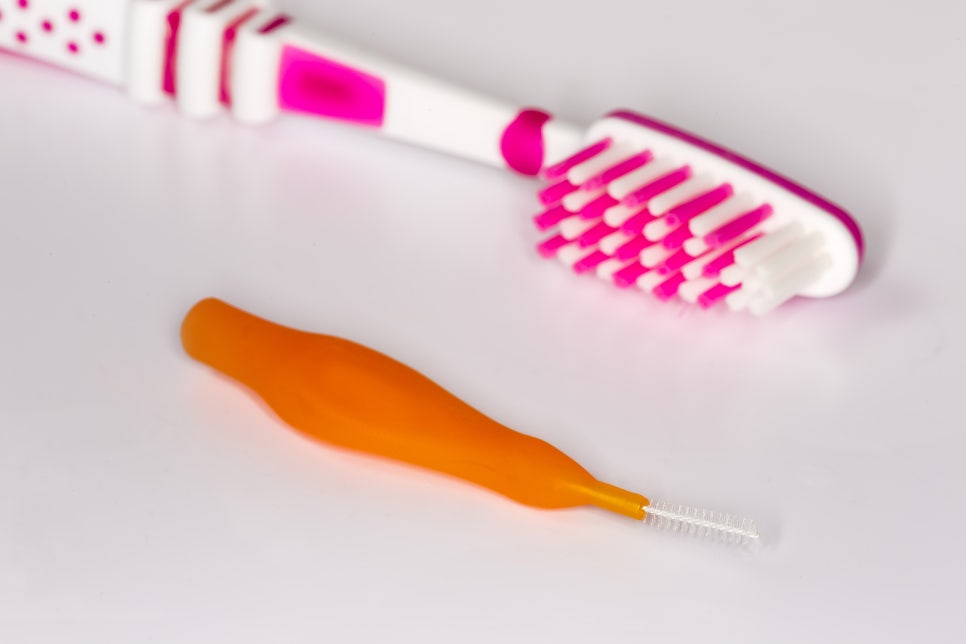
A toothbrush alone is not enough,
so you need the habit of using dental floss or interdental brushes
to remove foreign matter between the teeth.
It is also good to reduce sugar intake
and brush your teeth as soon as possible after meals.
Drinking water frequently to keep your mouth clean
also helps.
If you routinely check your oral condition
and make a habit of regular examinations even when there are no abnormal symptoms,
you can detect interproximal cavities early
and prevent them from growing into bigger problems.
Interproximal cavities are not easily noticeable,
but they can progress quickly and require a broader range of treatment.
Do not feel reassured just because there are no symptoms;
it is important to build a lifestyle habit of carefully caring for the spaces between your teeth as well.
Small habits
can prevent big problems,
and if detected early, even simple treatment can be enough
to maintain healthy teeth.
Please remember that the less visible a place is,
the more careful management it needs.