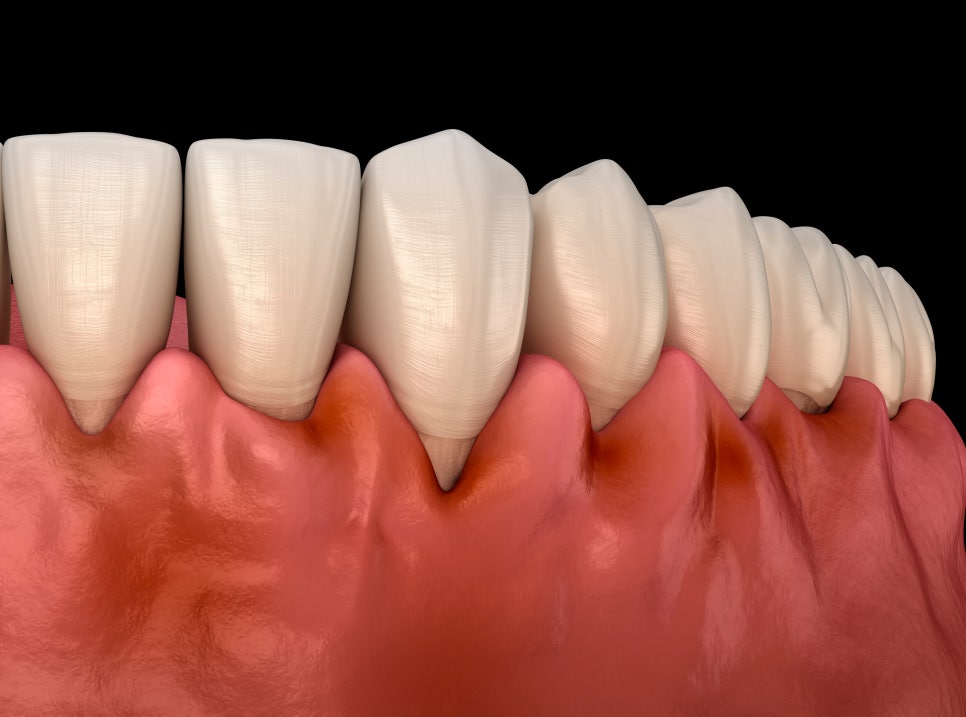
If your gums are swollen and pain occurs,
it may simply be due to fatigue,
but there may also be a bigger problem
hidden behind it.
Many people ignore swelling
and go on with daily life,
only to later suffer from serious periodontal disease.
Even if the pain is mild at first,
the situation can gradually worsen
over time.
Today, we will take a closer look at the causes of gum swelling,
the risks of leaving it untreated,
treatment methods, and prevention methods.
Causes of Gum Swelling
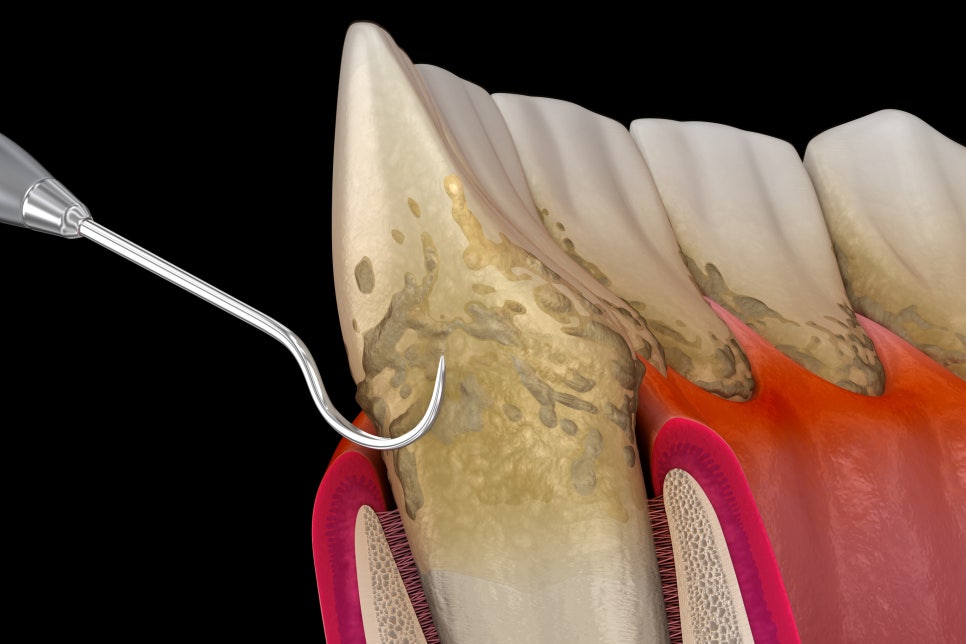
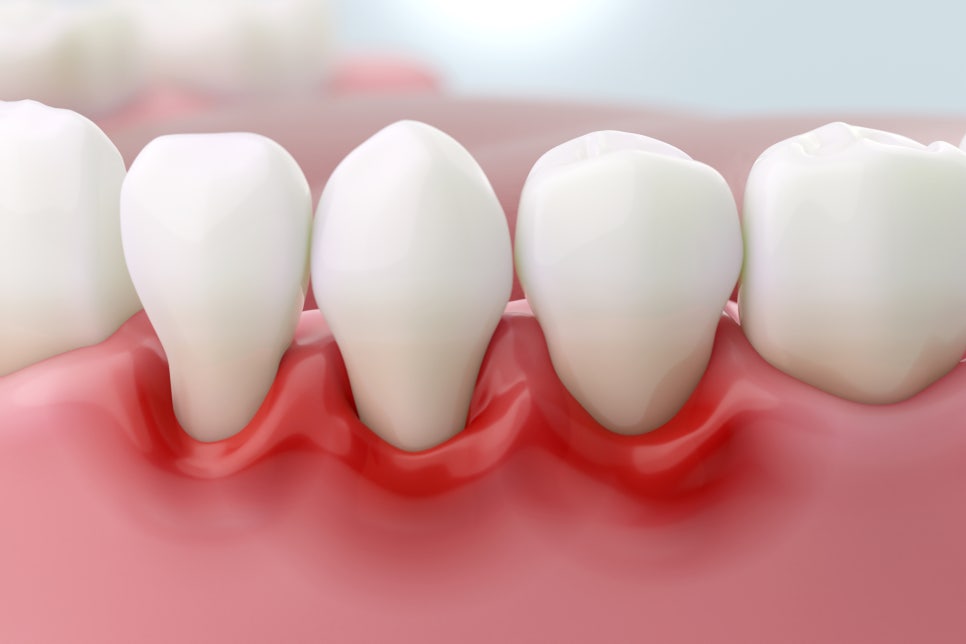
A representative cause, periodontal disease,
usually occurs in the process of plaque and tartar
building up and causing inflammation.
When tartar accumulates,
it irritates the gums and causes swelling
and pain.
Depending on its severity, periodontal disease
is divided into gingivitis and periodontitis,
and if not treated early,
it can progress to periodontitis and damage even the bone
that supports the teeth.
Also, if cavities worsen and infection spreads
to the area around the tooth, the gums may swell,
and in some cases, pus may also form.
If such an infection is not treated quickly,
it can lead to a dangerous situation
that may result in tooth loss.
In addition, hormonal changes or
side effects of medication can also cause swelling.
In particular, gums often become sensitive or swell
during periods of hormonal change such as pregnancy,
menstrual cycles, or menopause.
What Happens if Gum Swelling Is Left Untreated?
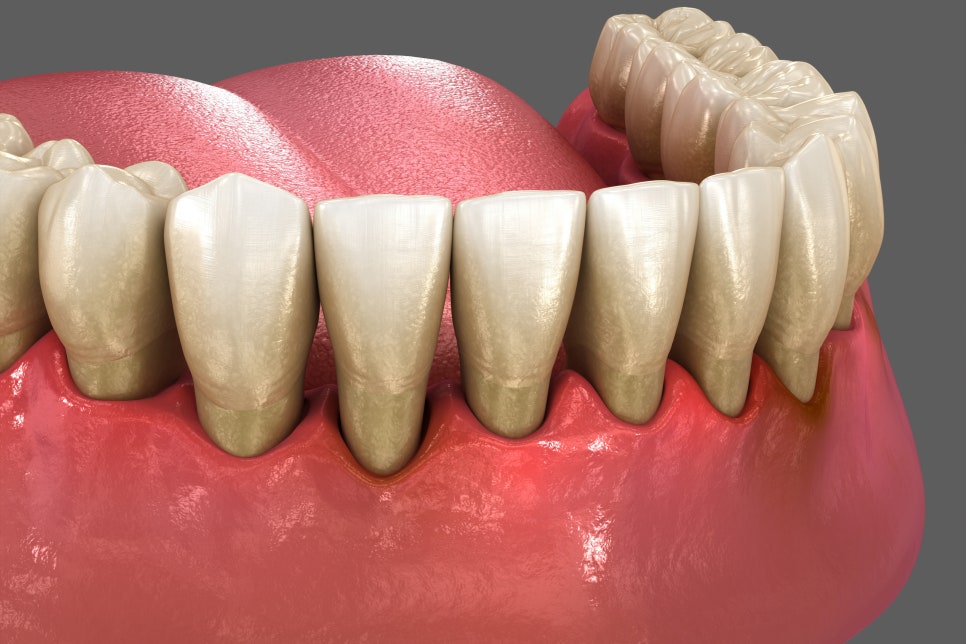
If left untreated, it can gradually progress
to periodontitis.
At first, there may only be swelling and pain
in the gums,
but if left without treatment,
the inflammation can spread gradually
and cause periodontitis.
Periodontitis damages the gums and the bone
that supports the teeth, causing the teeth to loosen
or fall out.
Also, if the inflammation continues to spread,
the risk of tooth loss increases,
and the later treatment is delayed,
the more time and cost it will take.
If you ignore gum swelling and let it pass,
you may eventually lose teeth,
which can additionally require the cost and time
for prosthetics or implants.
To prevent such risks,
it is important to visit a dental clinic immediately
and receive treatment when early symptoms appear.
Treatment Methods
When gum swelling occurs,
the treatment method varies depending on the severity
of the symptoms and the cause.
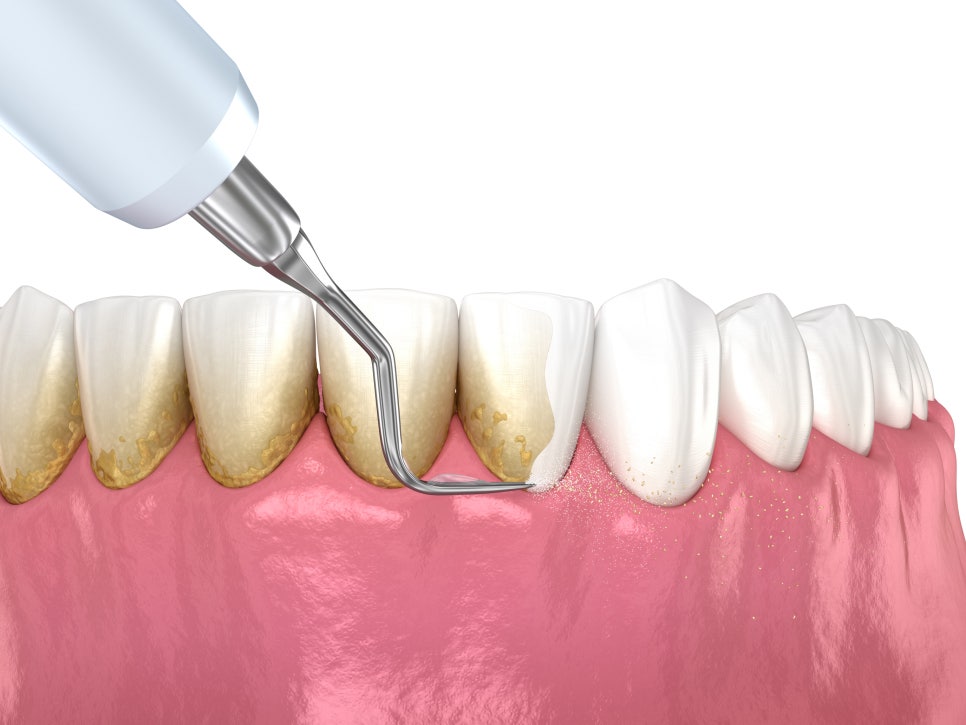
First, the most basic treatment is
scaling.
Scaling is a method of removing tartar and plaque
adhering to the tooth surface and the gum line,
and it helps relieve gum inflammation.
When inflammation is in the early stage,
this method alone may be enough
to improve the condition.
However, if the symptoms are more severe,
for example if periodontitis is suspected,
periodontal treatment may be necessary.
In this case, deep periodontal curettage,
medication to reduce inflammation,
and, if necessary, surgical treatment
may be required.
Prevention Methods
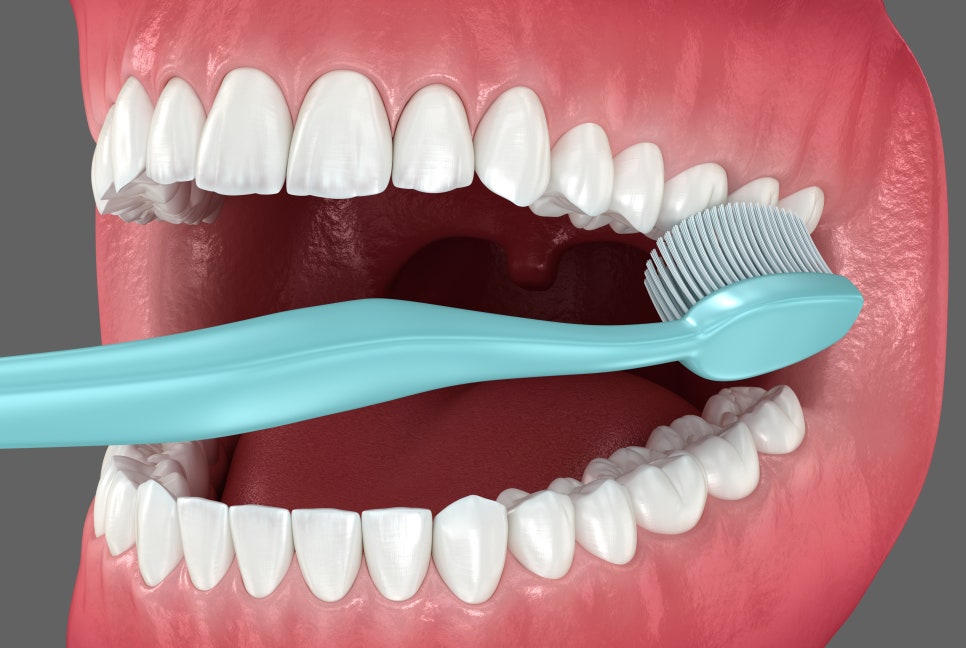
Use dental floss or interdental brushes
to remove food debris trapped between the teeth,
and brush your teeth thoroughly at least twice a day.
This can help prevent plaque and tartar
from building up.
Also, regular dental checkups
are very important.
Through regular dental examinations,
you can check the condition of your teeth and gums
and detect problems at an early stage.
If tartar has accumulated
or inflammation has occurred,
treatment at an early stage is much simpler.
Also, a healthy diet is important, and eating fruits
and vegetables rich in vitamin C can help
gum health,
while sugary foods and carbonated drinks
should be avoided as much as possible.
These dietary habits are very helpful
in maintaining the health of your teeth
and gums.
Gum swelling is by no means a symptom
that can be taken lightly.
It begins as a mild inflammation at first,
but if left untreated, it can lead to serious periodontal disease
or tooth loss.
Therefore, if you feel gum swelling or pain,
it is important to visit a dental clinic without delay
and receive an examination.
Also, maintaining thorough oral care in daily life
and regular dental checkups
is the best way to protect the health
of your gums and teeth.