After an implant is placed,
many people continue to use it well
without any special problems over time,
but in some cases,
discomfort or looseness
may be felt.
An implant should normally have
no movement, like a natural tooth.
If even slight movement,
pain, bleeding, or a foreign-body sensation is felt,
it may not be a temporary issue,
but a warning sign for your health.
If these symptoms are ignored,
it can lead not only to a decline in the implant’s function,
but also to damage to the surrounding gum tissue and bone,
so caution is needed.
Today, we will explain step by step
the causes of implant loosening,
the problems that can occur if it is left untreated,
and the proper ways to respond to and prevent loosening.
Causes of implant loosening
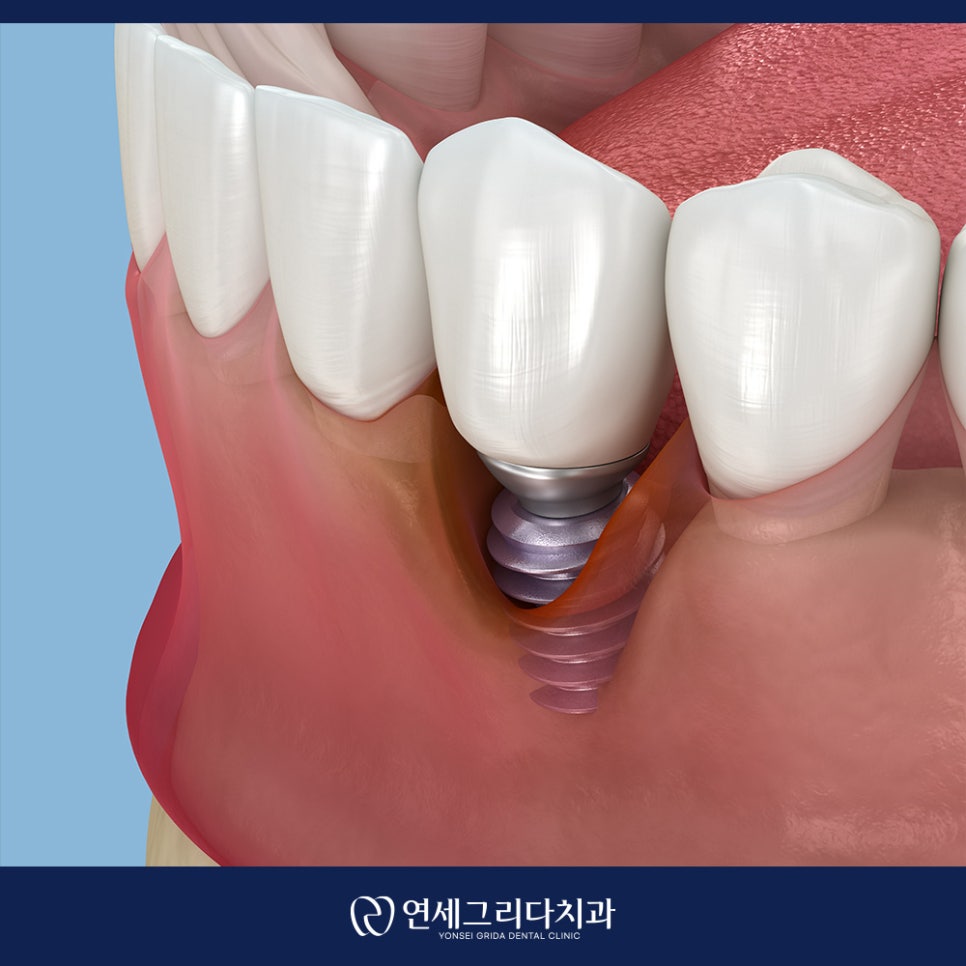
The most common reason is
‘peri-implantitis,’
an inflammation that develops around the implant.
This condition is caused by a bacterial infection,
which leads to swollen gums or bleeding,
and eventually the supporting bone is gradually resorbed,
causing loosening.
In addition, as time passes,
loosening can also occur
if the prosthetic restoration becomes loose
or is damaged.
Excessive chewing force, bruxism,
and the habit of frequently eating hard foods
can also place strain on the implant
and cause loosening.
Also, if the bone condition was insufficient
when the implant was first placed,
or if the bone graft was not done properly,
problems may arise over time.
If peri-implantitis is left untreated
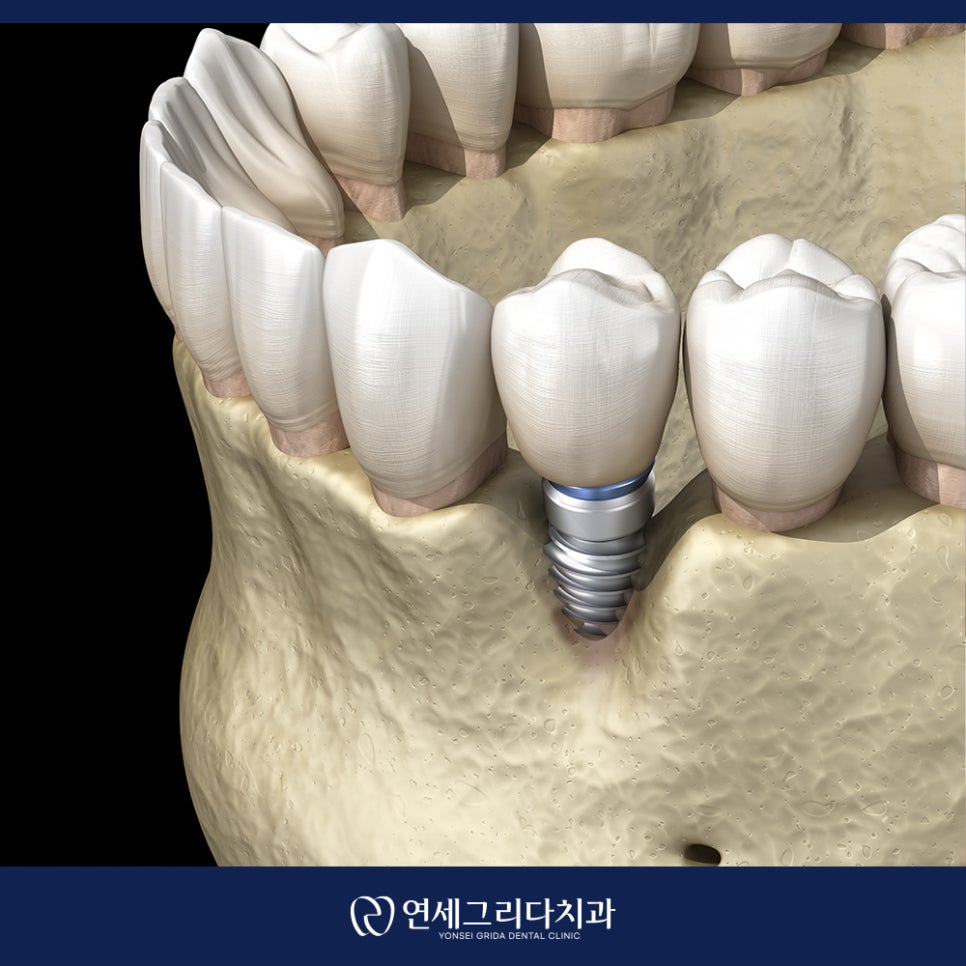
Peri-implantitis may not cause major symptoms at first,
but as time passes,
the inflammation penetrates deeper into the bone,
destroying the alveolar bone and eventually causing a loss of stability.
If this state continues for a long time,
the implant may need to be removed,
and additional bone graft surgery
may be necessary
to place it again.
Furthermore, inflammation in the mouth
is not limited to the oral cavity
and can affect overall health.
In particular, for people with weakened immunity
or underlying medical conditions,
there is also a risk that bacteria
can spread throughout the body through the bloodstream.
Therefore, if swelling, bleeding,
pus, or pain is felt around the implant,
it is important to have it checked
as soon as possible.
How to respond
When you feel implant loosening,
rather than leaving it to self-judgment,
it is the most reliable approach to identify the exact cause
through a professional diagnosis.
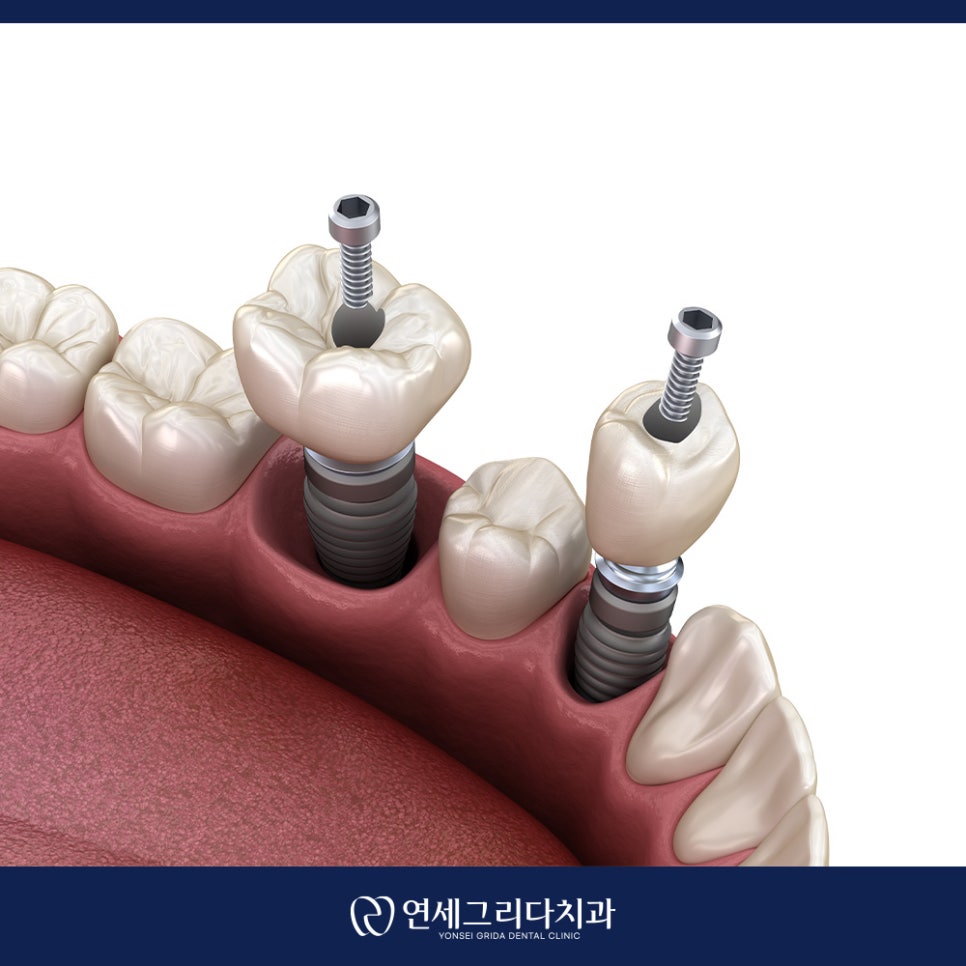
If the prosthetic restoration has become loose
or has been damaged,
it may be resolved with a simple repair or replacement,
but if inflammation or bone loss has progressed,
more active treatment is needed.
Early inflammation may improve sufficiently
with scaling or anti-inflammatory treatment alone,
but if the inflammation becomes severe and the alveolar bone is damaged,
surgical treatment such as gum incision,
bacteria removal,
and in some cases bone grafting may be necessary.
Above all, the most important thing
is to receive appropriate treatment
through early diagnosis before the symptoms worsen.
Prevention
To prevent implant loosening,
thorough daily oral hygiene management
and regular checkups are essential.
Brushing alone makes it difficult to fully care for
the area around the implant,
so it is recommended to use dental floss,
interdental brushes, or oral irrigators together.
Also, once every 6 months,
you should have a checkup to confirm
the implant’s stability,
the condition of the gums,
and whether inflammation is present.
Smoking is one of the main causes
that worsens gum health,
and it can shorten the lifespan of an implant,
so quitting is recommended if possible.
If you have a habit of bruxism
or clenching your teeth,
it is better not to ignore it but to manage it,
and you should avoid hard foods
and be careful not to place excessive force on the implant.
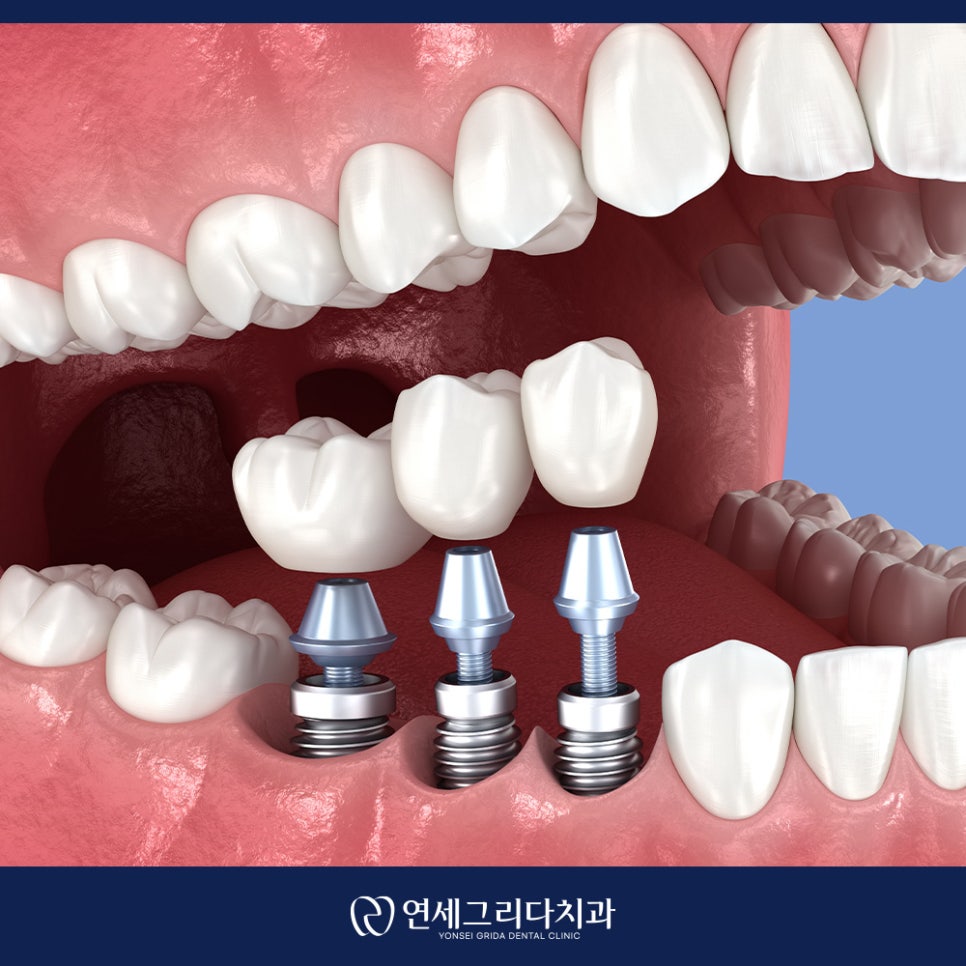
Implants function like natural teeth,
but because they do not recover on their own
or regenerate by themselves,
careful management is especially important.
If even a small amount of looseness is ignored
or if you respond too late,
it can develop into a bigger problem.
If you feel discomfort while eating
or notice abnormal symptoms in your gums,
having it checked as soon as possible
is the shortcut to maintaining your implant
in good health for a long time.