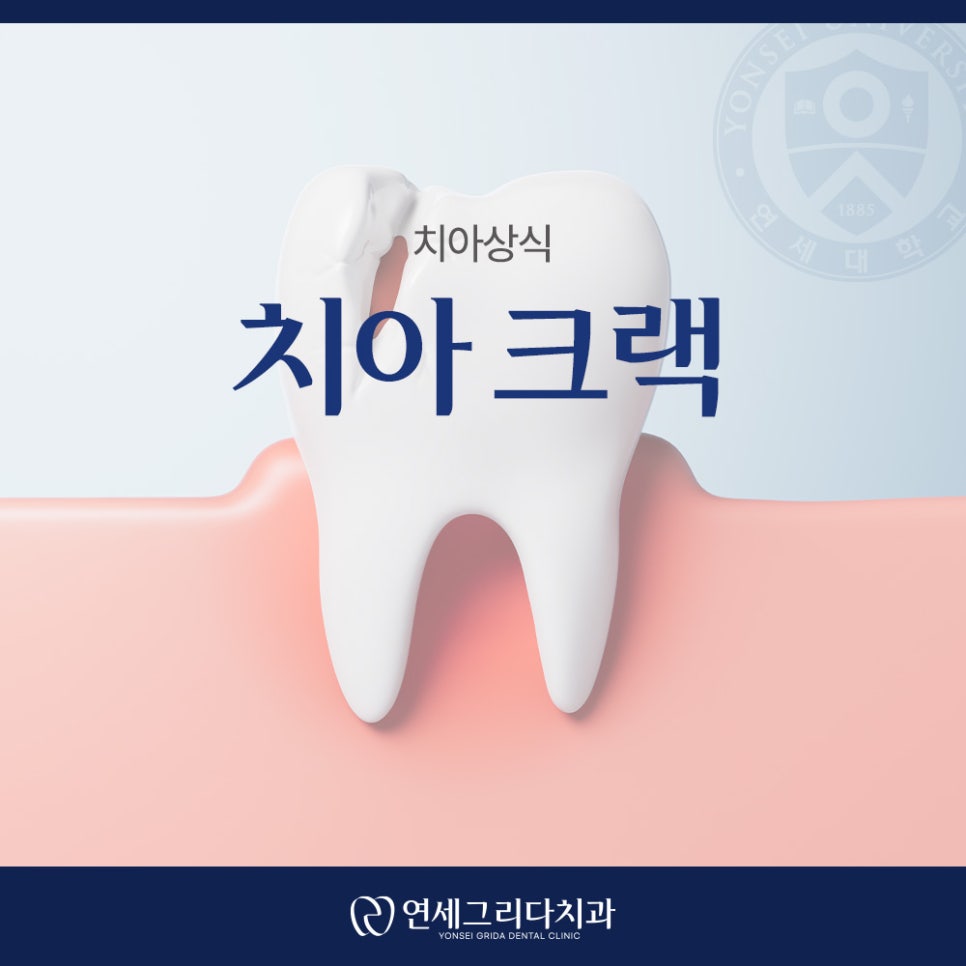
If you feel a sudden, sharp pain every time you chew with a certain tooth during a meal,
you may have thought it was simply tooth sensitivity.
However, if this pain keeps happening,
it is likely a sign that there is a problem with the internal structure of the tooth.
In particular, tooth cracks can look fine on the outside,
which makes it easy to let them go,
but the difference between early response and treatment outcomes is very large.
Even if the pain is bearable for now,
at some point even everyday meals may become difficult.
To help protect your precious teeth,
I will explain in detail the information you need to know from here on.
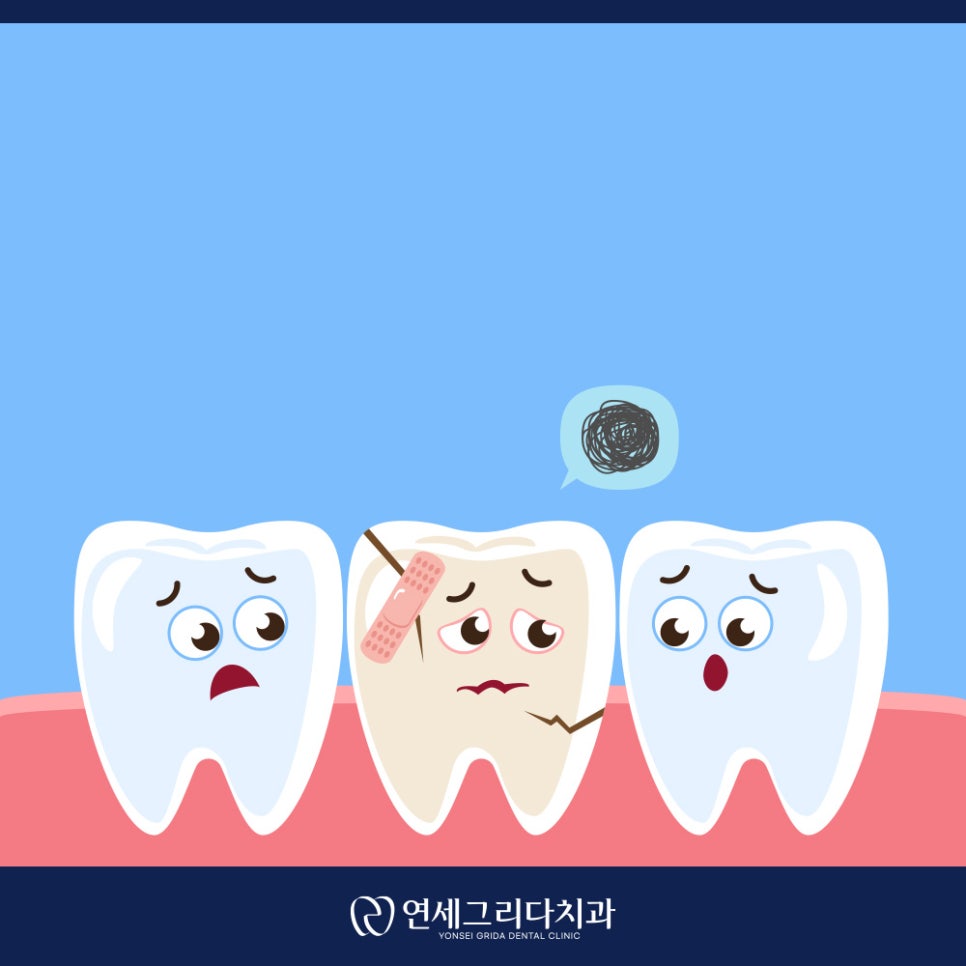
What Is a Tooth Crack?
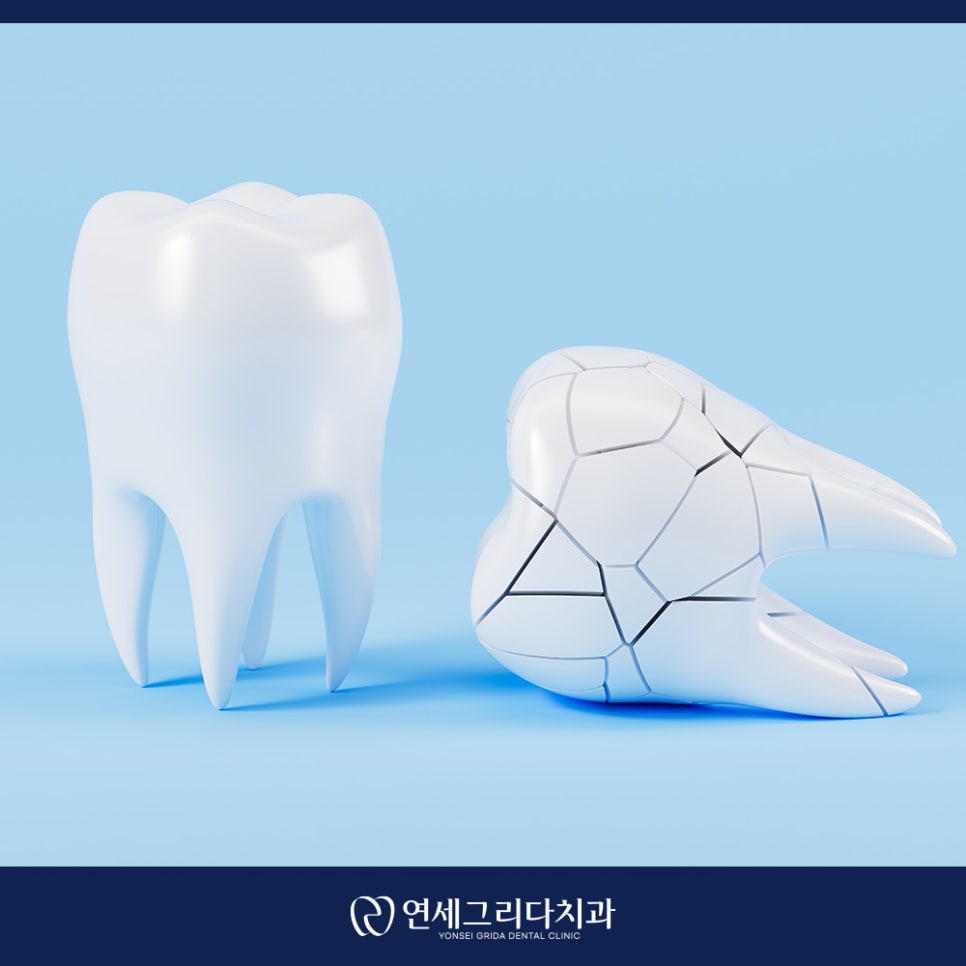
A tooth crack refers to a condition in which a tiny crack
occurs on the surface or inside of a tooth.
In most cases, it is not visibly noticeable,
and in many cases it begins below the gum line
or progresses inward.
It mainly occurs in areas that receive a lot of chewing force,
such as molars, and major causes include eating hard foods,
clenching your teeth, bruxism, and old dental prosthetics.
The problem is that in the early stages,
pain may be mild or only occur intermittently,
so it is easy to detect late.

Why Pain Occurs Every Time You Chew
When a crack forms in a tooth,
pressure during chewing is not evenly distributed
and becomes concentrated in a specific area.
At this time, the tiny movement of the crack opening and
closing repeatedly stimulates the tooth's internal nerve.
As a result, you may feel a sharp pain only at the moment you chew,
or the pain may become worse when force is applied in a specific direction.
This is why the tooth may feel fine most of the time,
but become uncomfortable during meals.
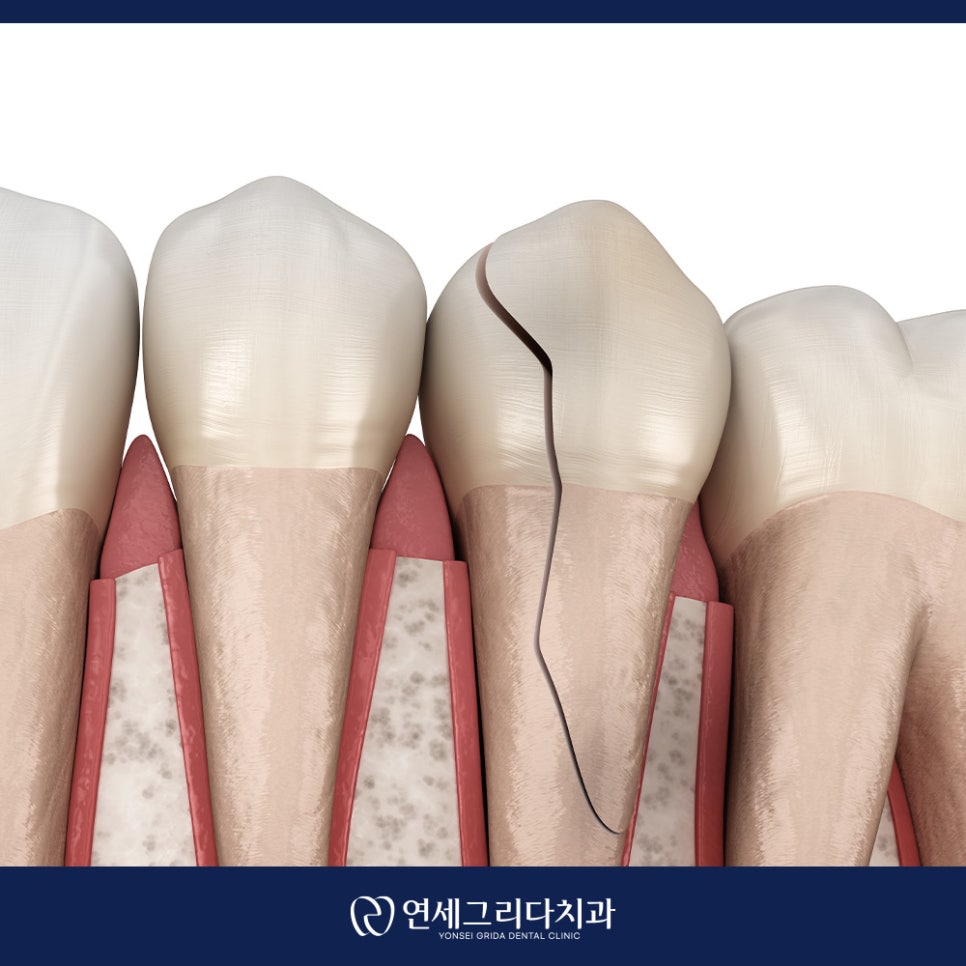
What Happens If It Is Left Untreated
If a tooth crack is left untreated,
the crack can gradually deepen and bacteria may enter the tooth.
If pulpitis or inflammation occurs as a result,
root canal treatment becomes unavoidable,
and the intensity of the pain may become much worse.
Furthermore, if the crack progresses below the gum line,
it may become difficult to save the tooth,
leading to a situation where extraction is necessary.
A problem that could have been resolved with simple conservative treatment in the early stage
can turn into a major burden if the treatment window is missed.
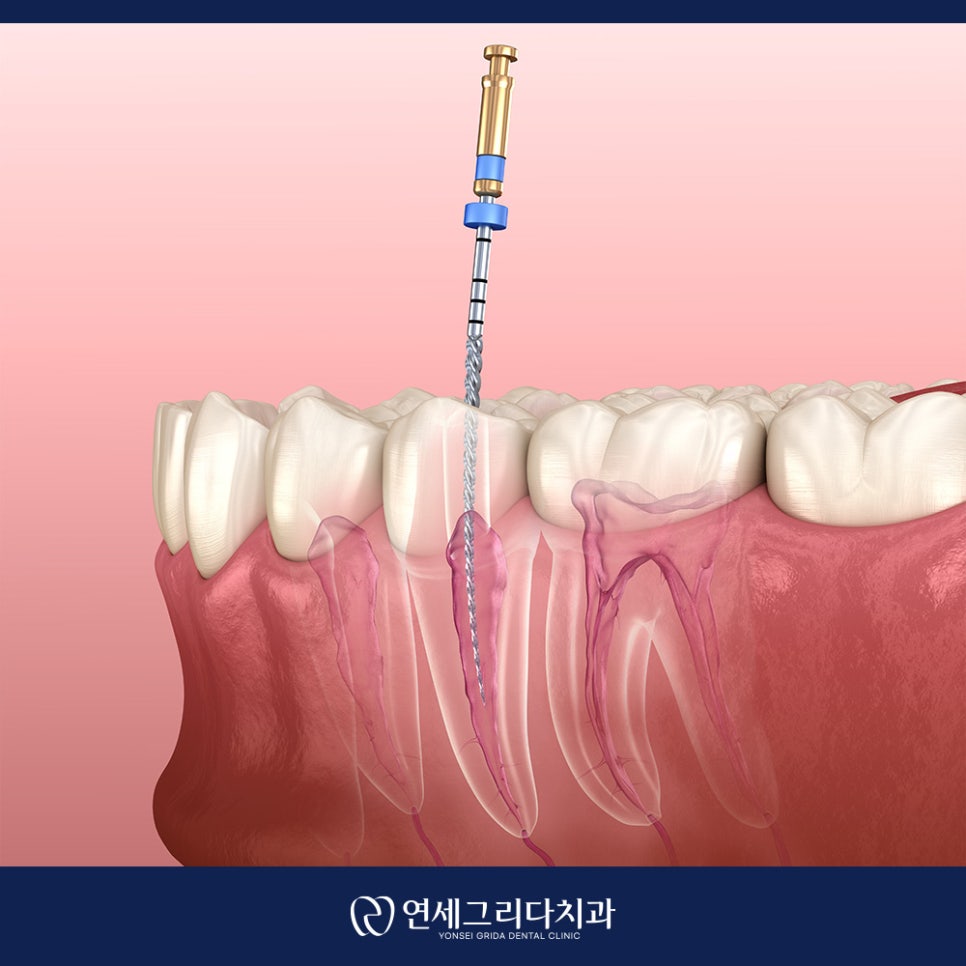
Treatment Methods
Treatment varies depending on the depth and extent of the crack,
and whether the nerve has been damaged.
If the crack is shallow,
a crown treatment can be used to cover the tooth and help prevent further damage.
If the nerve is already irritated
or inflammation has developed,
root canal treatment followed by prosthetic treatment
is necessary.
The important point is to accurately understand the current condition through a precise diagnosis
and establish a treatment plan in a way that preserves the tooth.
Prevention
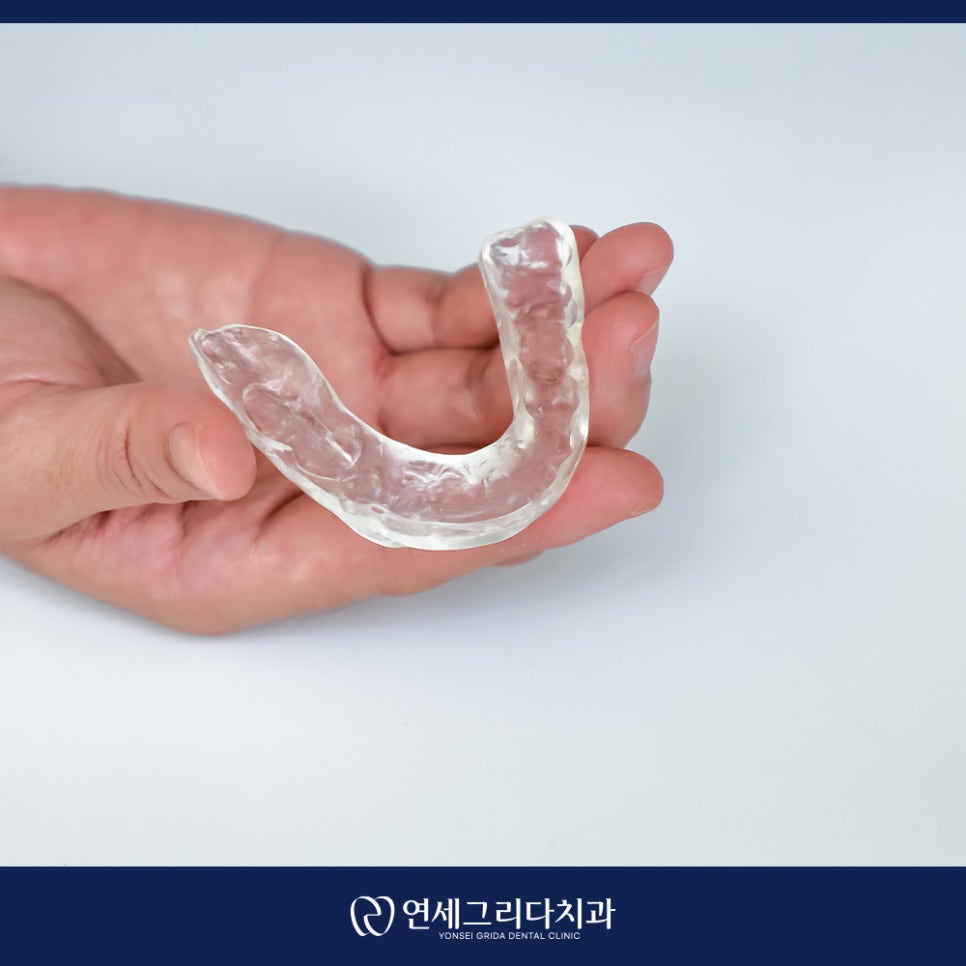
It is best to avoid the habit of chewing hard foods forcefully,
and if you clench your teeth or grind them,
consider wearing a splint.
Also, old prosthetics should be checked regularly
so that you do not miss the right time for replacement.
Above all, the most helpful preventive measure
is to detect tiny abnormalities early through regular dental checkups.
Pain felt every time you chew
is a clear warning from your teeth.
If detected early, a tooth crack can often be treated relatively simply,
allowing the tooth to be preserved,
but the longer it is left untreated,
the greater the scope of treatment and the burden can become.
If you keep experiencing pain that feels different from usual,
we recommend visiting a dental clinic for a precise diagnosis
before it gets any later.
Choosing not to miss a small crack
is the surest way to maintain healthy teeth for a long time.