Why You Shouldn't Leave Swollen Gums Around Wisdom Teeth Untreated?

If the gums around a wisdom tooth suddenly swell
and it becomes painful enough
to make chewing difficult,
don't dismiss it as a simple issue.
Most people tend to think,
"It will get better with time"
and just put up with it,
but gum swelling caused by a wisdom tooth
is the starting point of a problem that can
adversely affect the health of both teeth and gums.
In particular, repeated inflammation
can threaten other teeth as well,
so early diagnosis and treatment are very important.
From here, we will go step by step through
the causes of swollen gums around wisdom teeth,
problems that can occur if it is left untreated,
whether extraction is necessary,
and how to prevent it.
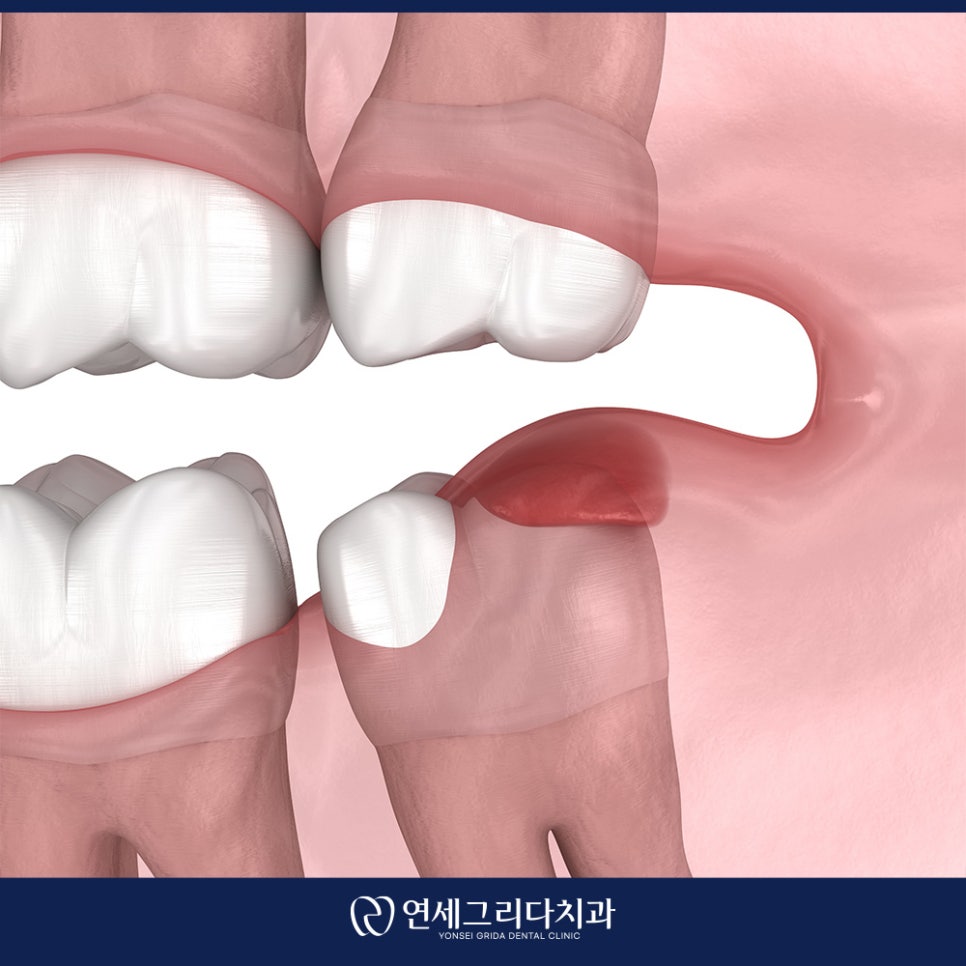
Causes of Swollen Gums Around Wisdom Teeth
A wisdom tooth is the last tooth to erupt
at the very back of the mouth,
but because there is often not enough space
in the jawbone,
it frequently fails to come in properly.
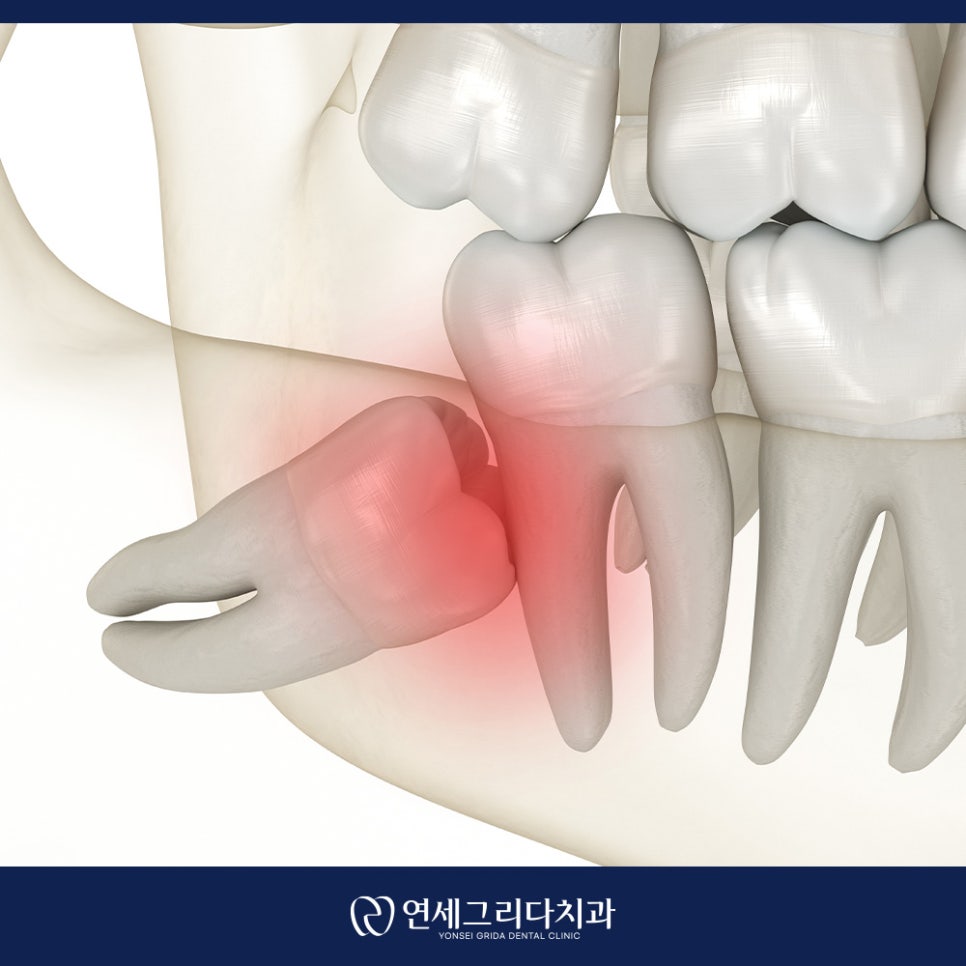
When it becomes impacted like this
or grows in an abnormal direction,
it can cause inflammation in the gums.
Also, as food and bacteria enter
through small gaps formed during eruption,
the gums swell,
and in severe cases,
pus may form or the pain may worsen.
Because it is difficult to brush in that area,
hygiene is often not well maintained,
making inflammation more likely.
This condition is called pericoronitis,
and if left untreated, it may cause not only pain
but also difficulty opening the mouth.
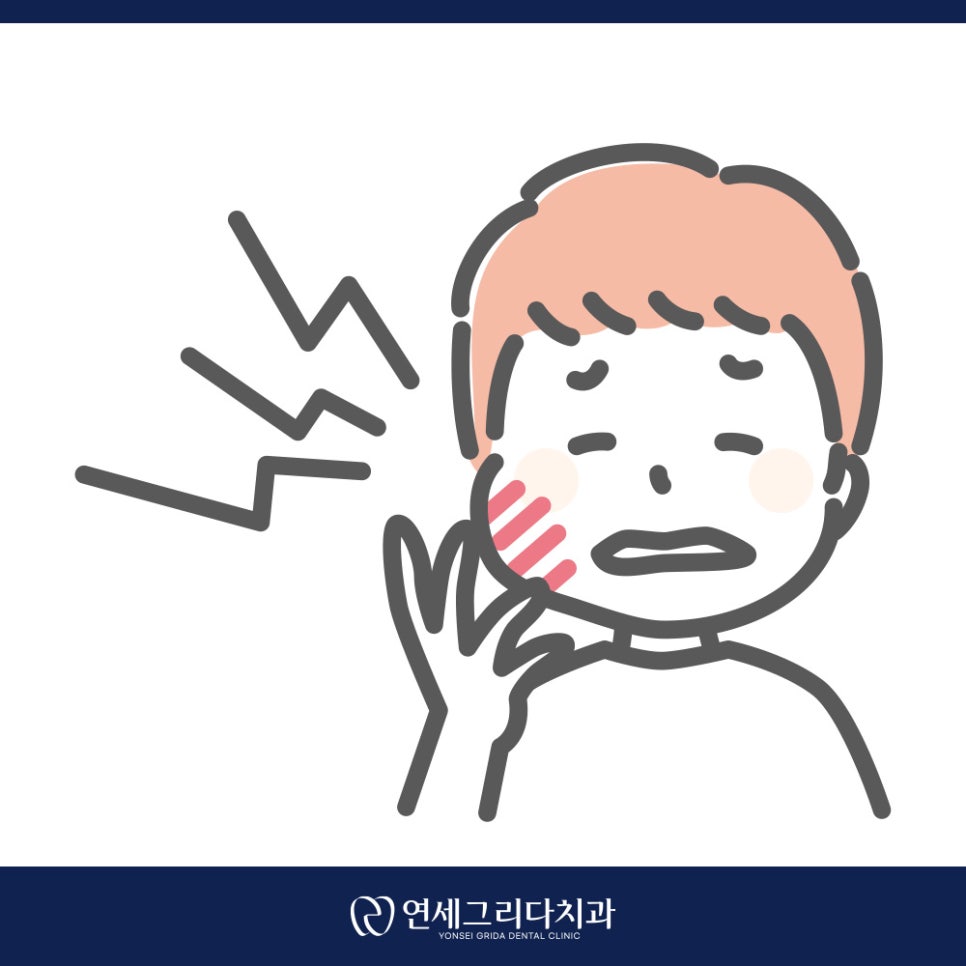
What Problems Can Occur If It Is Left Untreated?
If swelling and discomfort around a wisdom tooth
are left untreated,
they can develop into more serious problems
than you might expect.
First, repeated inflammation
damages the surrounding gum tissue,
and over time it can lead to periodontal disease.
In addition, the molar in front of the wisdom tooth
can also be affected,
causing cavities or allowing inflammation
to spread to the root,
which can ultimately result in losing even healthy teeth.
If the inflammation is severe,
the infection can spread deeper into the jawbone,
and there is also the possibility that it can lead to
osteomyelitis or problems with the temporomandibular joint.
In addition to pain and swelling,
symptoms such as bad breath,
headaches, and facial swelling may also occur,
which can significantly disrupt daily life.
Therefore, swelling of the gums around a wisdom tooth
is not a simple issue,
but an oral condition that must be addressed early.
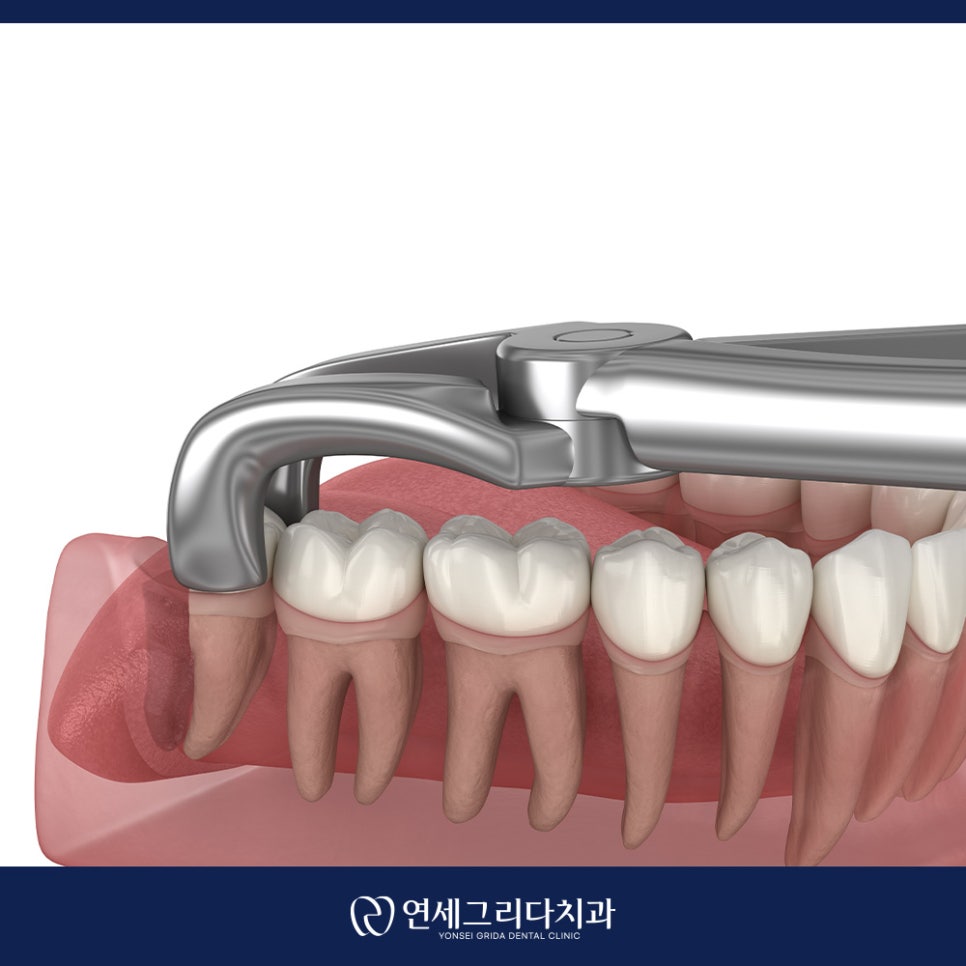
Do You Have to Extract It?
Just because a problem has occurred
does not mean all wisdom teeth must be extracted.
The treatment method depends on
the position of the wisdom tooth,
the direction of eruption,
whether there is inflammation, and other factors.
If the wisdom tooth has erupted normally
and is not causing any gum health problems,
there are cases where it does not need to be removed.
However, most wisdom teeth grow
in an abnormal direction or are impacted,
so they are likely to cause problems over time,
which is why preventive extraction is often recommended.
In particular, if symptoms such as pain
or swollen gums have already appeared,
wisdom tooth extraction becomes the
fundamental solution rather than simple medication treatment.
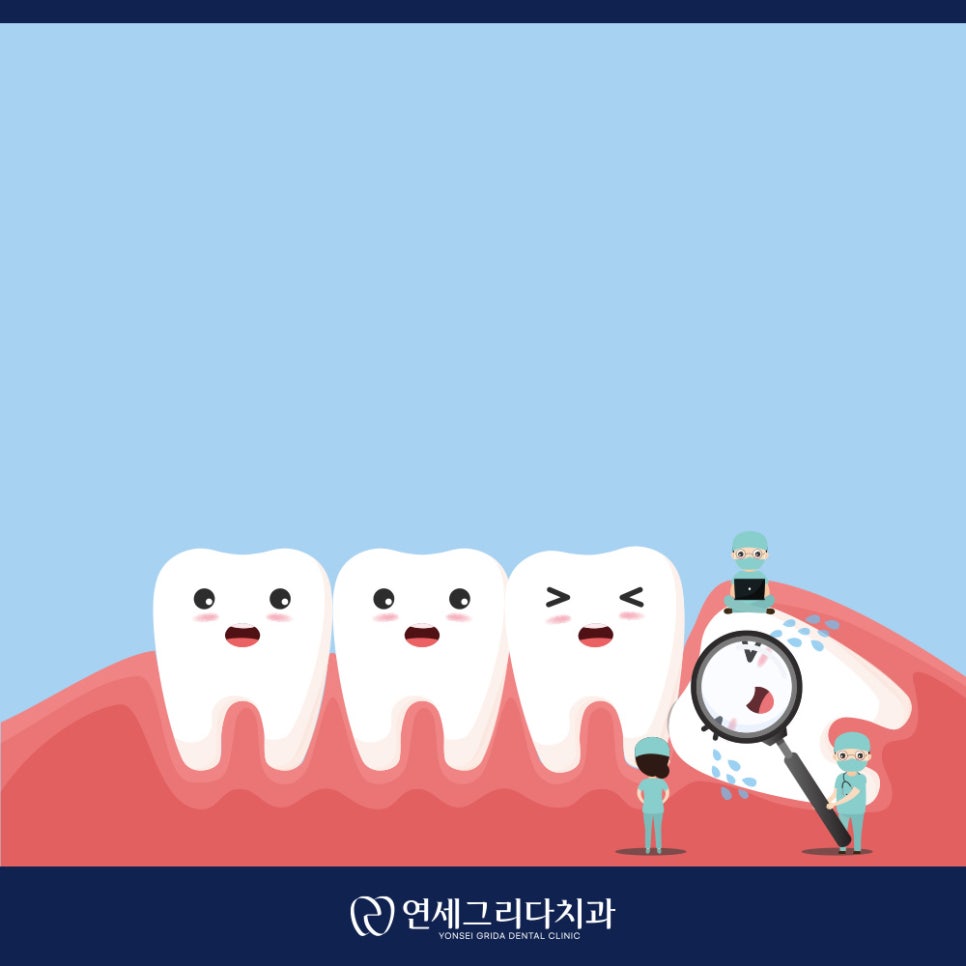
How Can It Be Prevented?
To prevent swelling of the gums around a wisdom tooth,
maintaining good oral hygiene is most important.
Because the wisdom tooth area is hard to reach
with a toothbrush due to its location,
and food often gets stuck there,
it is necessary to use a soft toothbrush
to carefully clean even around the wisdom tooth area.
Using auxiliary tools such as dental floss
or an oral irrigator can also help
reduce bacterial growth.
Above all, regular dental checkups are crucial.
If a wisdom tooth is hidden beneath the gum,
it is difficult to notice on your own,
so periodically checking its condition through
X-rays or CT scans is the key to preventing problems.
Swollen gums around a wisdom tooth are not just simple pain;
they are an important signal that warns you about oral health.
It may start as a mild discomfort,
but if it is left untreated,
it can lead to serious problems such as damage to nearby teeth,
gum disease, and infection of the jawbone.
Because wisdom teeth grow in different directions
and positions for each person,
periodic observation and checkups are necessary
even if there is no pain.
If gum swelling or pain keeps recurring,
determining whether treatment is needed at the right time
and taking action is the best way to protect healthy teeth
and gums.
Ultimately, what matters most is
a preventive care habit that identifies the condition early
and responds appropriately when necessary.