
Even if you brush your teeth faithfully three times a day,
have you ever experienced swollen gums or bleeding?
Many people think that brushing alone
is enough,
but in fact, cavities and gum disease often
start in the narrow spaces between teeth.
This area is difficult for regular toothbrush bristles
to reach,
so it requires separate care.
One solution is the interdental brush.
However, simply choosing any product
does not guarantee good results.
If the size does not fit,
plaque and bacteria may not be removed properly,
or it may instead irritate the gums.
Today, we will look in detail at
how to choose the right interdental brush size
and the proper selection criteria.
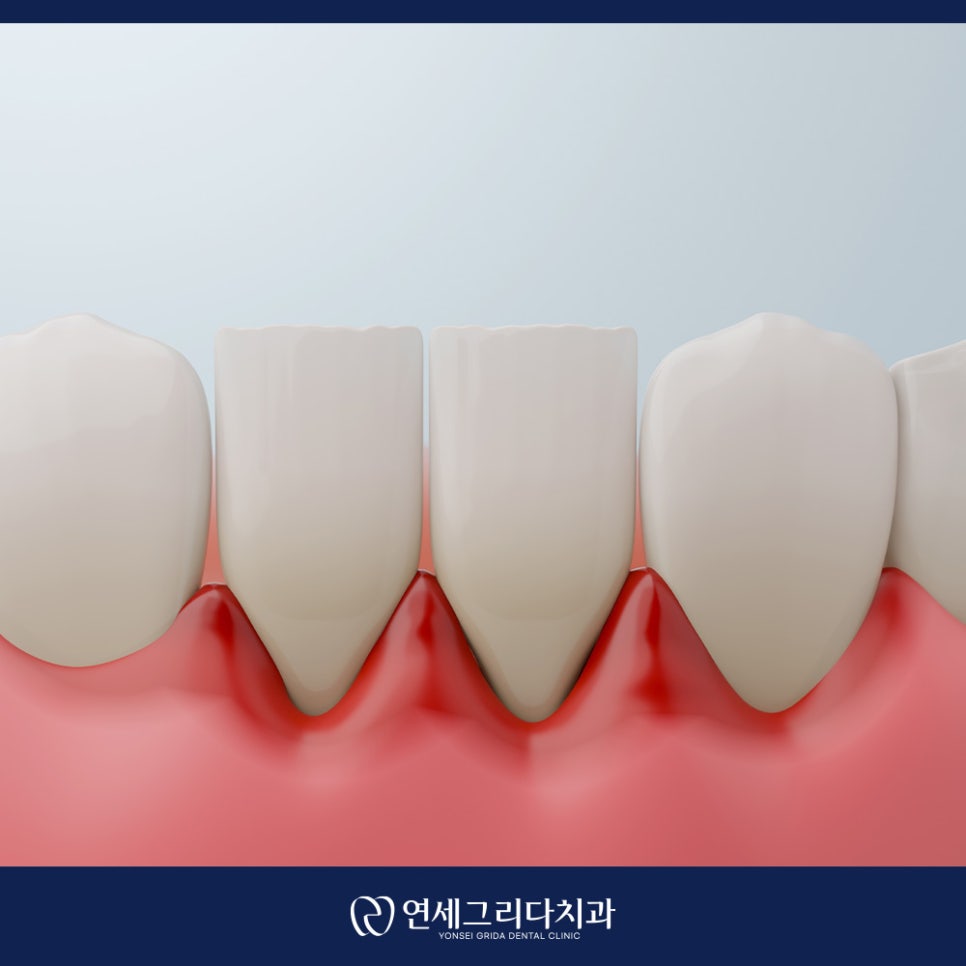
Why is size selection important?
The space between teeth differs from person to person
and from area to area.
Using the same size unconditionally
is not appropriate.
If it is too thin, plaque removal will not be effective,
and if it is too thick, it may injure the gums
or cause recession.
Especially if you have periodontal disease,
using it too forcefully can worsen inflammation,
so choosing the right size is extremely important.
This is not just a hygiene issue;
it is directly related to gum health.
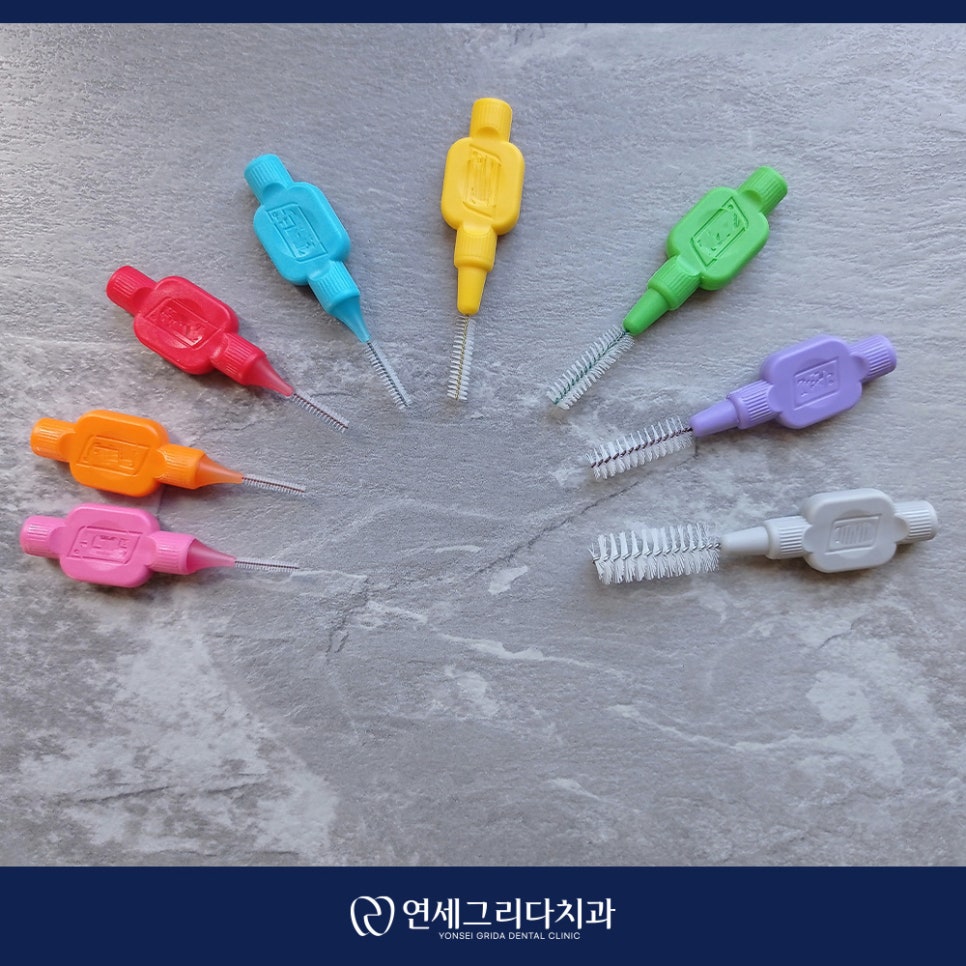
Criteria for choosing the right thickness
The most basic principle is
that it should fit naturally
without being forced in.
If you feel pain when inserting it,
it is likely too thick.
On the other hand, if it goes in too easily and loosely,
cleaning may not be sufficient.
A slight feeling of resistance,
but with smooth back-and-forth movement,
is ideal.
If severe bleeding or pain continues after use,
you should recheck the size.
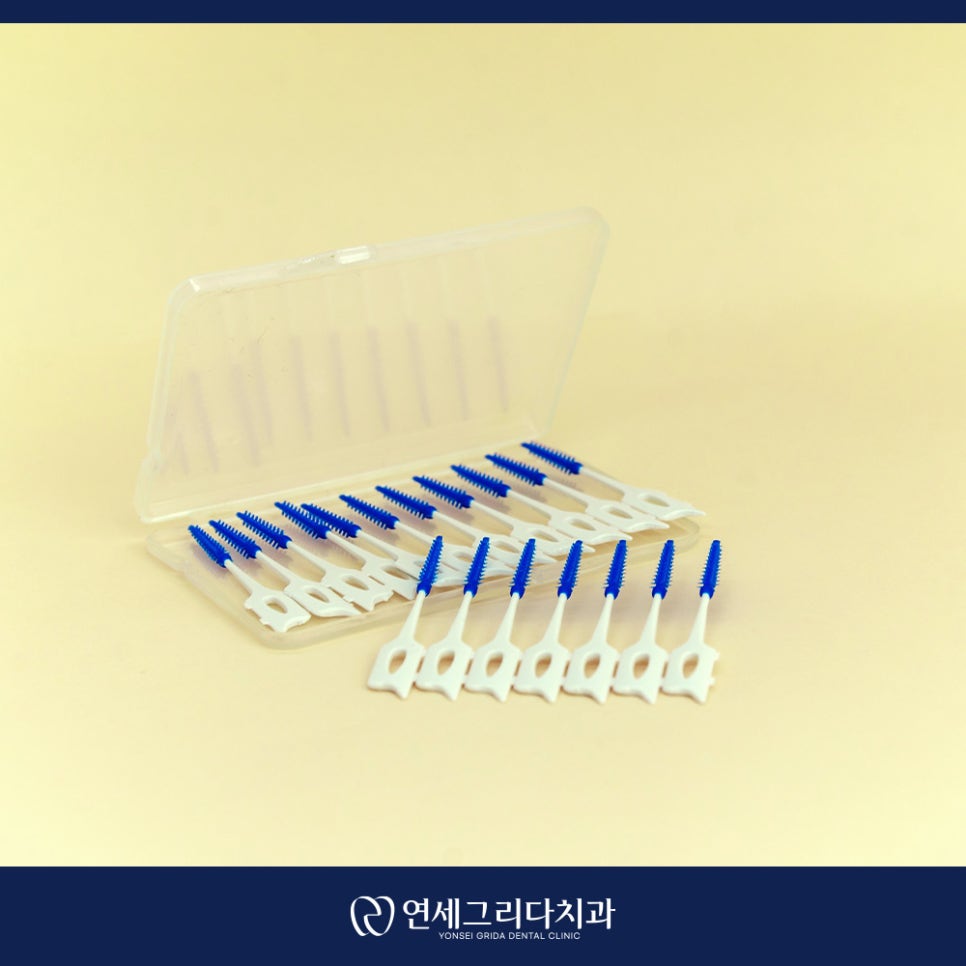
Why different products should be used for different areas
The spaces between teeth are not the same
in every area.
The front teeth have relatively narrow spaces
and a flatter tooth shape,
but the molars are structured to bear more chewing force,
so they are often larger in shape and have wider interdental spaces.
Also, areas where the gums have receded
or where prosthetic treatment has been done
may have different space sizes.
Because there are structural differences
depending on the location,
using only one size is not efficient.
Using a thinner type in the front
and a slightly thicker type in the back
can improve hygiene management.
Choosing the right product for each area
based on your oral structure
helps maintain healthy gums.
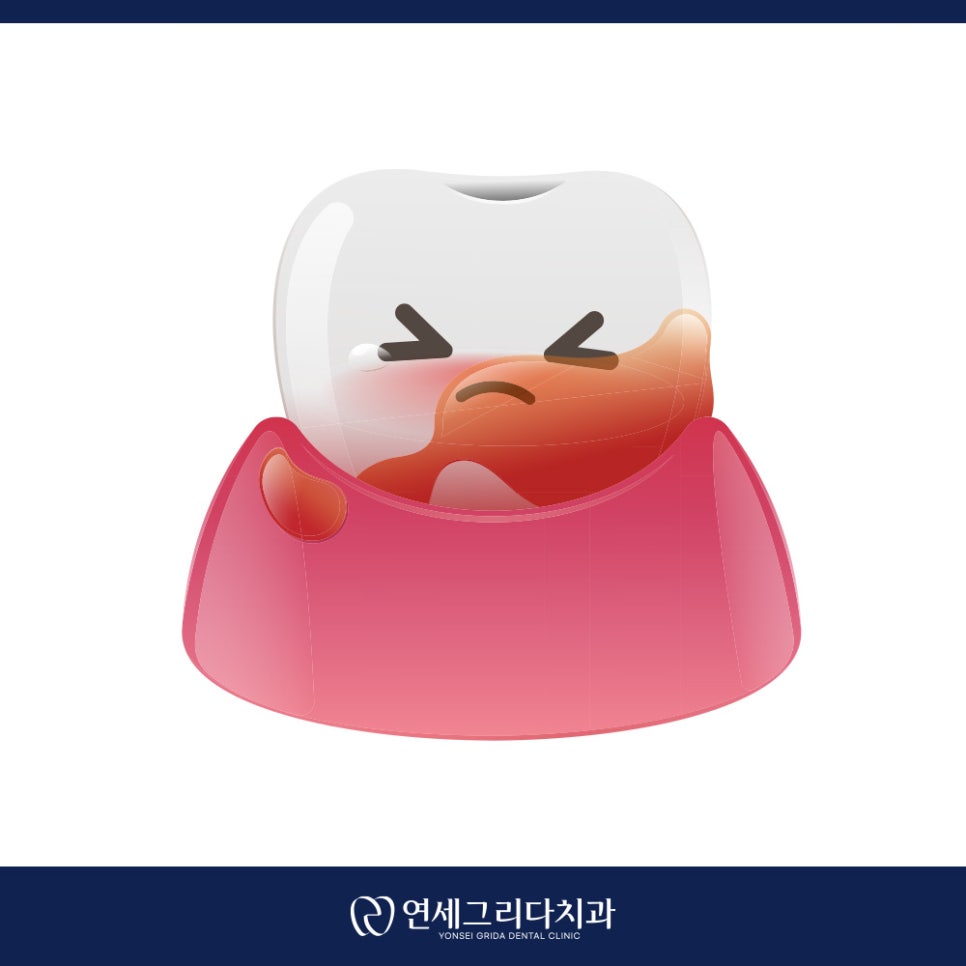
What if bleeding continues during use?
You may experience
a small amount of bleeding at first,
but if you bleed every time you use it,
it is more likely to be a sign of inflammation
rather than simple irritation.
Especially if your gums are swollen
or bad breath is present,
you should suspect periodontal disease.
In this case, rather than simply changing the size,
a thorough oral examination, scaling,
and gum treatment if needed should come first.
If you leave it to self-judgment,
the condition may worsen.
How should you choose the size of an interdental brush?
Choose a size that matches
your tooth structure and gum condition.
Smaller does not necessarily mean safer,
and thicker does not necessarily mean cleaner.
Accurate diagnosis and
proper use are the keys.
A few minutes of care each day
can reduce lifelong treatment costs
and is the surest way to maintain healthy gums.
If you are wondering whether the product you are currently using
is truly right for you,
we recommend getting a consultation.