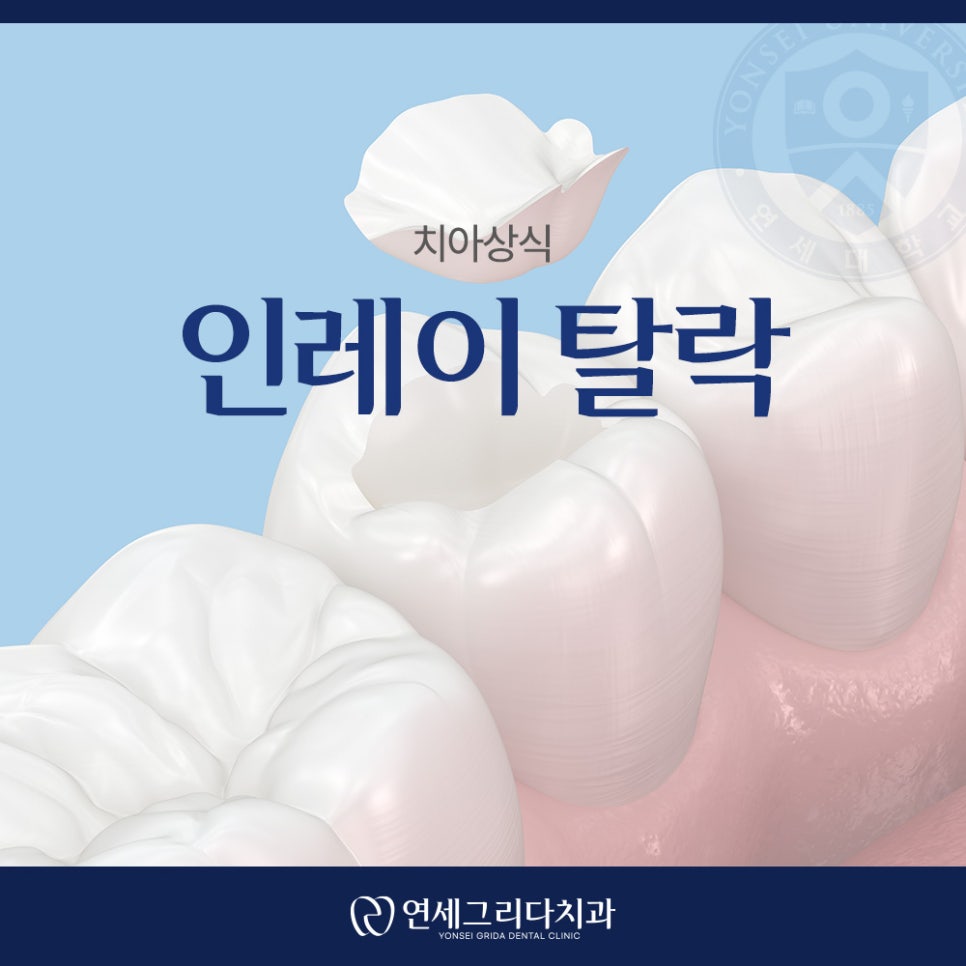
When an inlay suddenly falls out,
it is natural to feel startled
and worry about whether
it is okay to leave it as is.
It can fall out while eating,
or you may discover it
while brushing your teeth.
If there is no pain,
it is easy to brush it off,
but the longer it is left untreated,
the more likely problems are to grow.
Although it may look like only
a small prosthetic piece has come off,
the decision about whether it can be reattached
and what treatment should follow
may vary depending on the internal condition.
Inlay loss is a relatively
common situation,
but a quick response is an important factor
in protecting dental health.
Today, we will explain in detail
whether reattachment is possible after an inlay falls out,
and the correct way to respond.
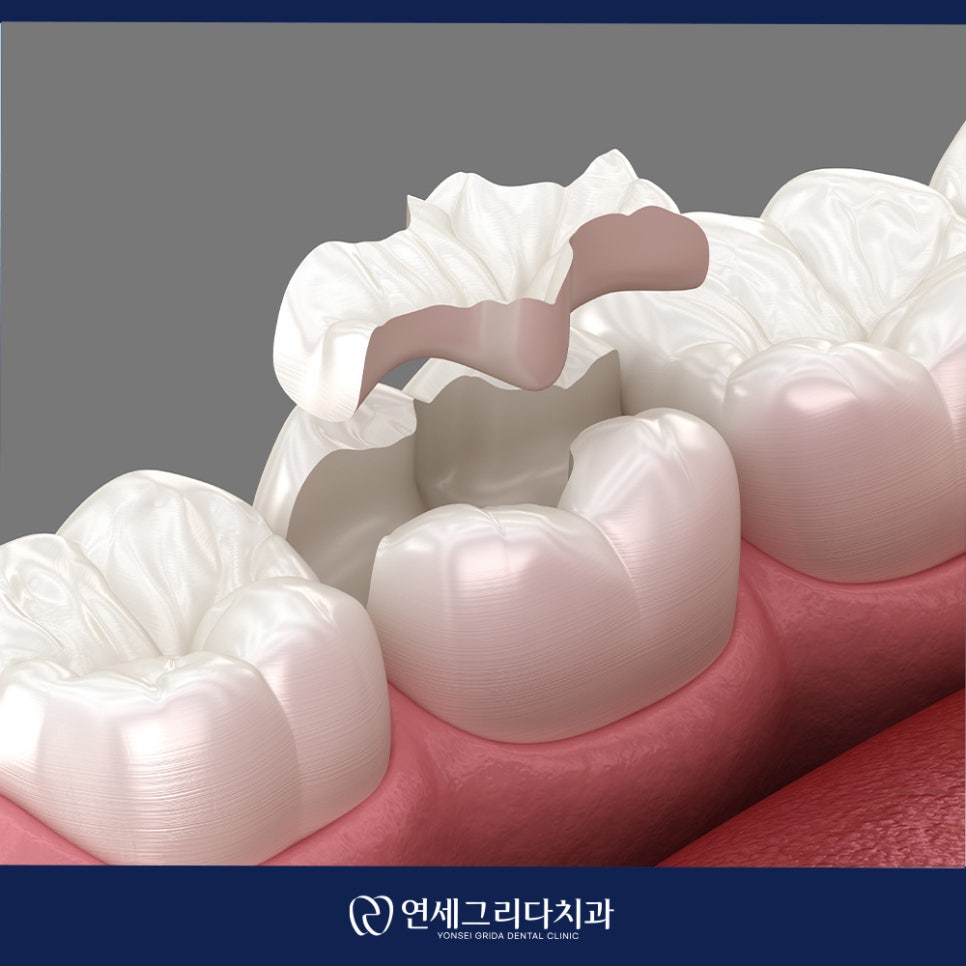
Reasons an inlay may fall out
An inlay is a custom prosthetic
that precisely fills the damaged area
after decay is removed.
It is made from various materials,
such as ceramic, gold, and resin,
and is bonded to the tooth to restore function.
However, over time,
the adhesive may weaken,
and if secondary decay develops inside,
retention can decrease.
In addition, habits such as clenching teeth,
teeth grinding,
chewing on only one side,
and eating hard or sticky foods
can also cause it to come off.
Molars in particular are subject to strong chewing pressure,
so this tends to happen relatively often.
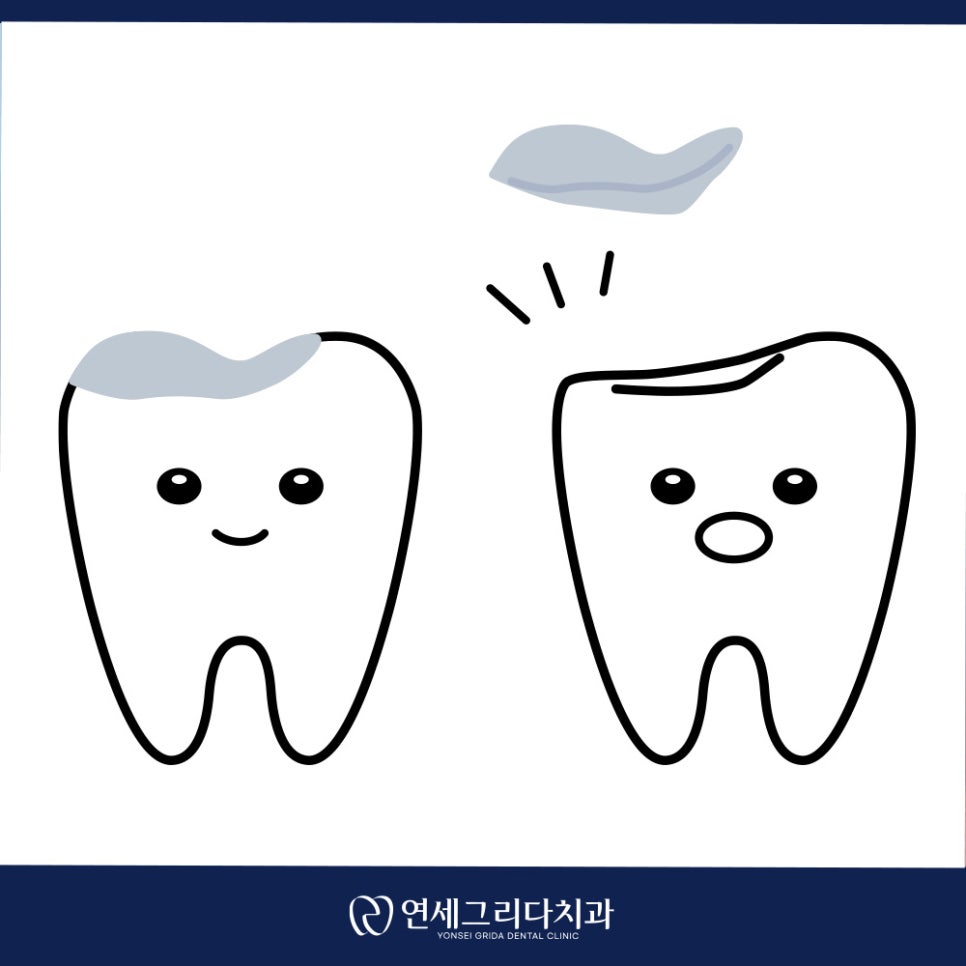
When is reattachment possible?
To put it simply,
reusing it may be possible depending on the condition.
If the fallen inlay is not broken
and has not been deformed,
reattachment treatment may be possible.
If there is no decay inside
and the tooth structure has not been damaged,
it can be completed relatively simply.
However, a careful examination is necessary,
and only when the fit is maintained
can stable long-term results be expected.
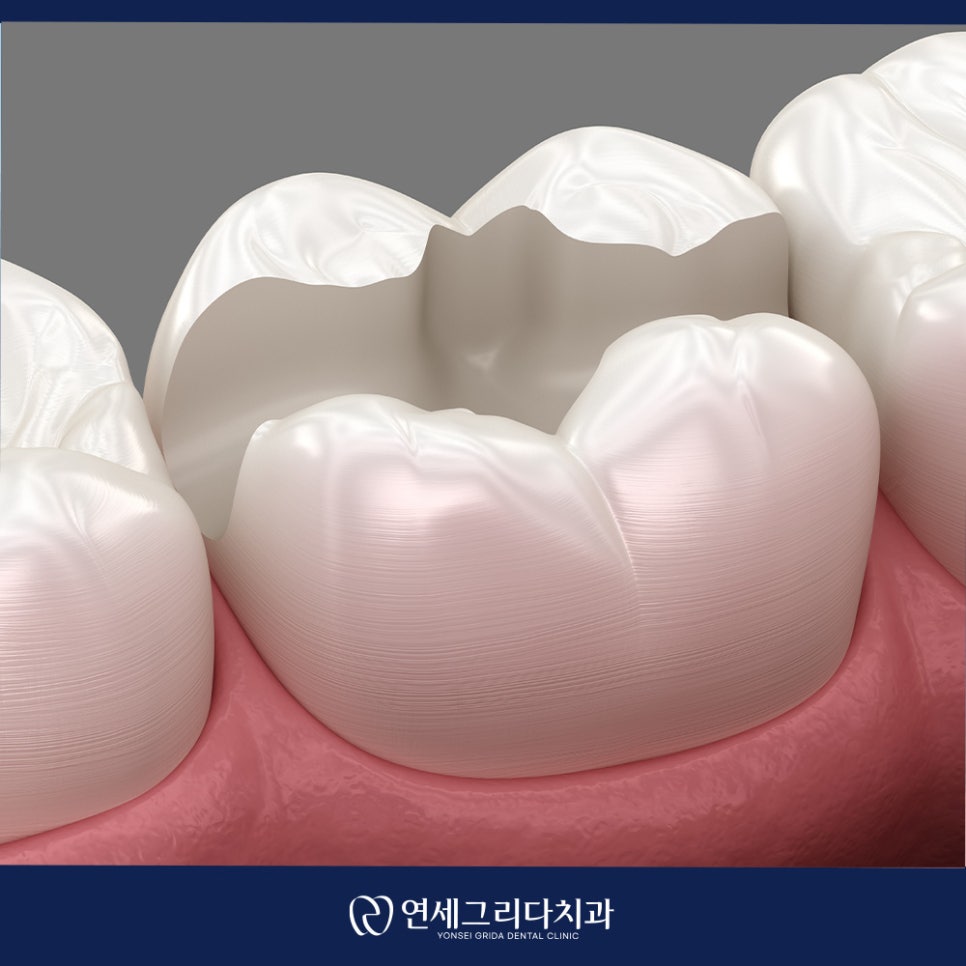
When is reattachment difficult?
If a long time has passed after it fell out
and bacteria have infiltrated the inside,
or if the inlay is cracked or broken,
it will be necessary to make a new one.
Also, if part of the tooth has fractured,
simple rebonding makes it difficult
to keep it in place.
If it is forcibly reattached,
it is highly likely to come off repeatedly,
which can create even bigger problems.
In such cases, it is better to make a new one
and fit it precisely.
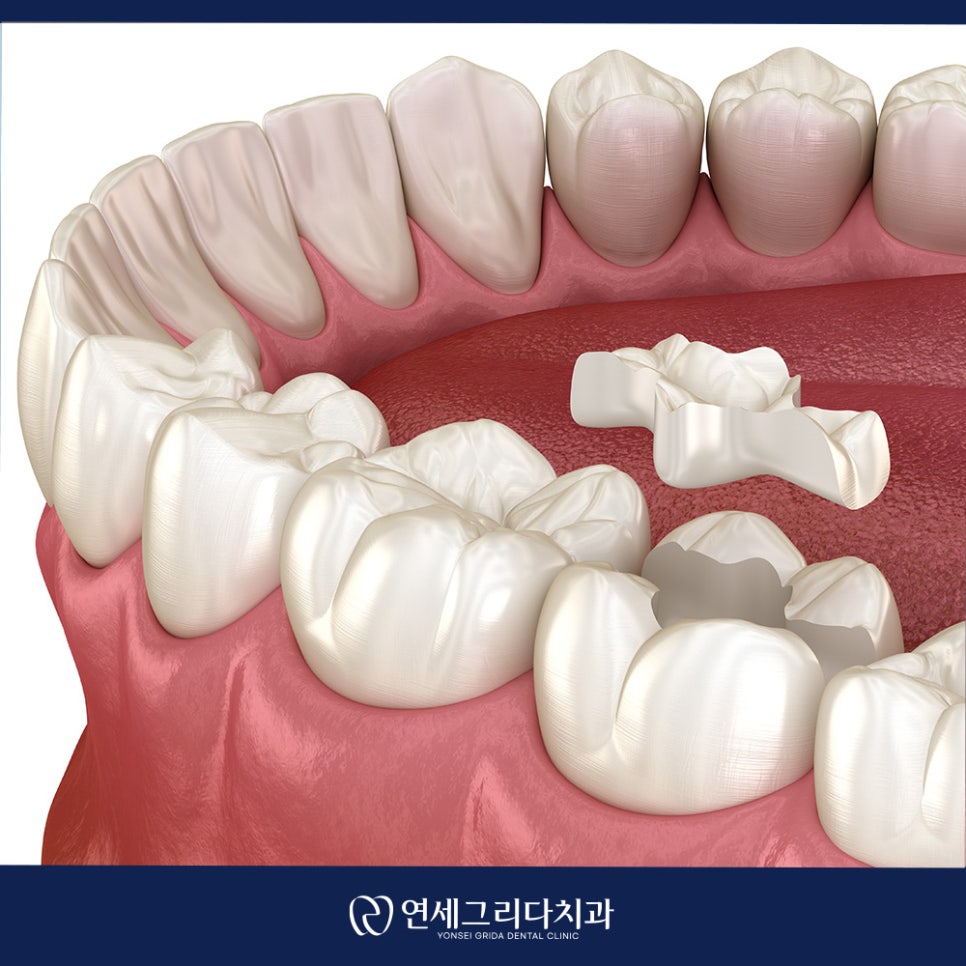
Proper steps to take after an inlay falls out
It is best to lightly rinse the fallen inlay with water
and store it in a clean container.
Do not use superglue to stick it back on
or try to insert it arbitrarily.
This is because such attempts can
worsen internal damage.
Getting checked as quickly as possible
is more favorable for preserving the tooth.
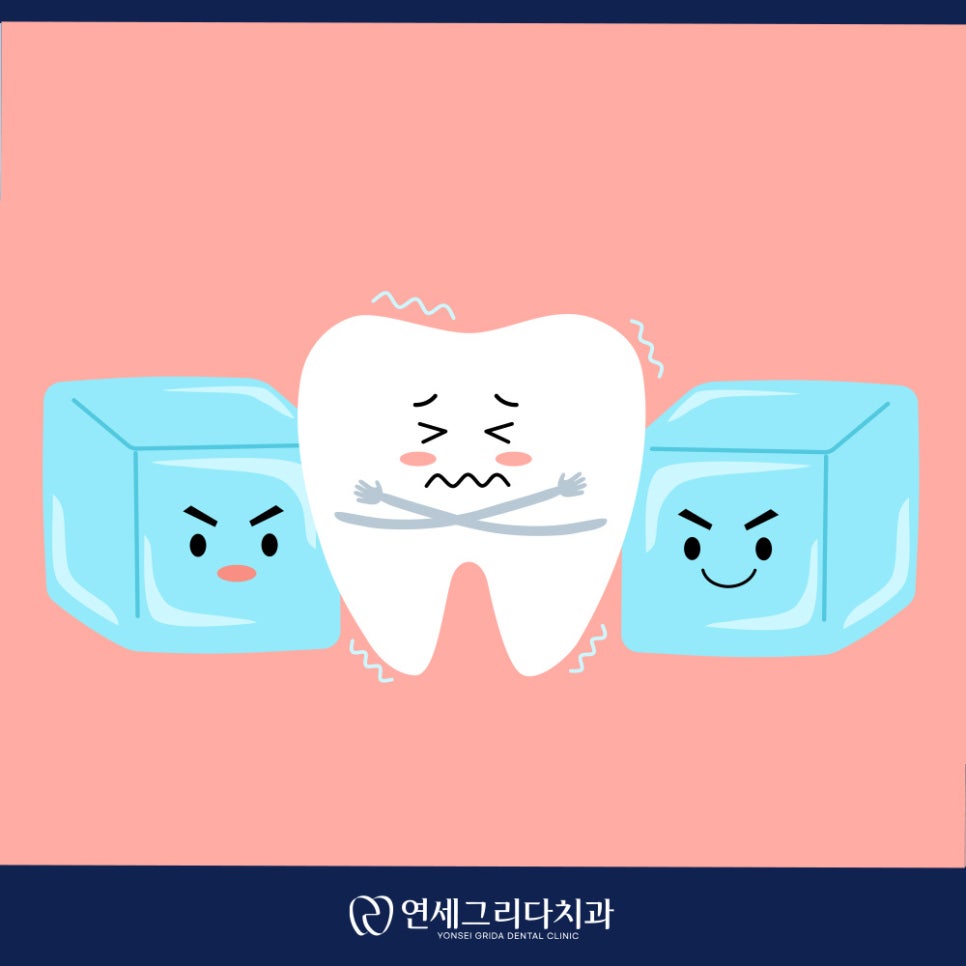
Problems that can occur if it is left untreated
The area where the inlay came off
is directly exposed to external irritation.
Food can easily get stuck there,
and bacteria can multiply,
allowing decay to progress quickly.
You may feel sensitivity
or pain,
and in severe cases,
the scope of treatment may become larger.
It is important to remember that a problem
that could have been handled simply at an early stage
may become more complicated
if left untreated.
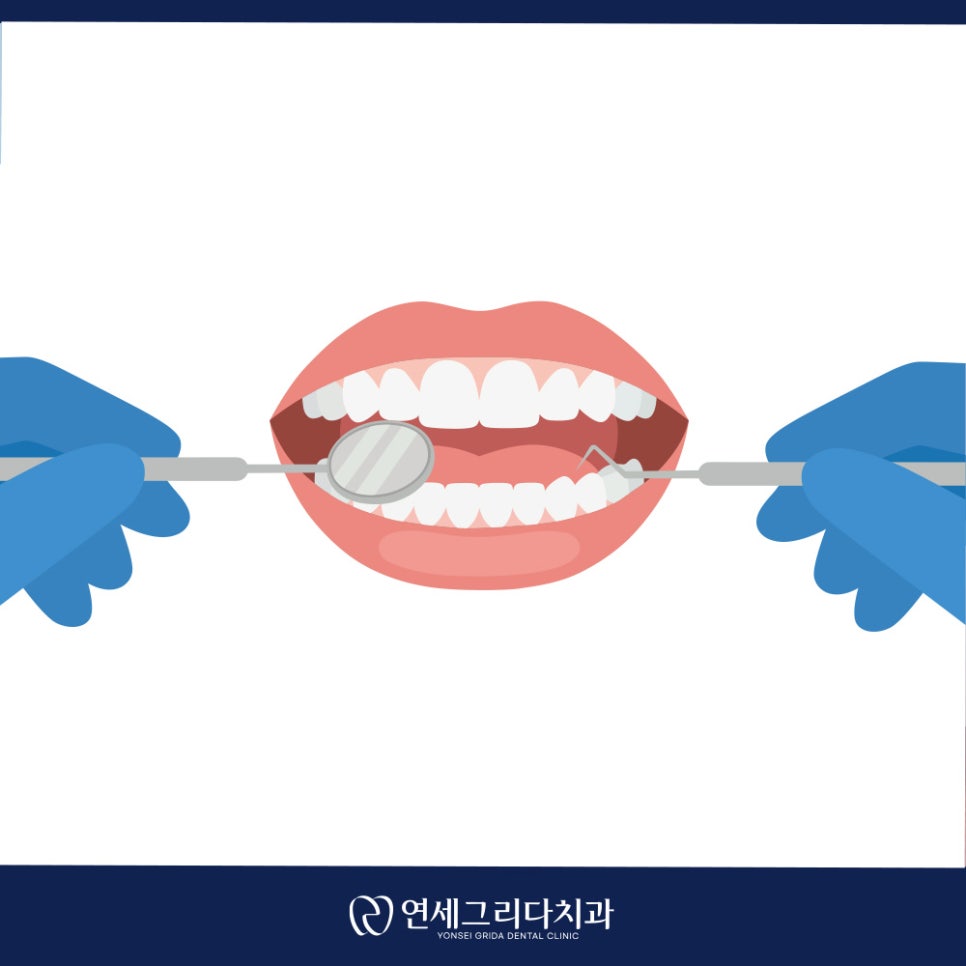
How to help prevent recurrence
Regular checkups are essential.
If you check the condition every six months,
you can detect weakened bonding power in advance.
If you grind your teeth,
using a protective appliance can help.
For hard foods,
don't chew only on one side;
it is better to use both sides evenly.
Proper tooth brushing and flossing
play an important role in preventing secondary decay.
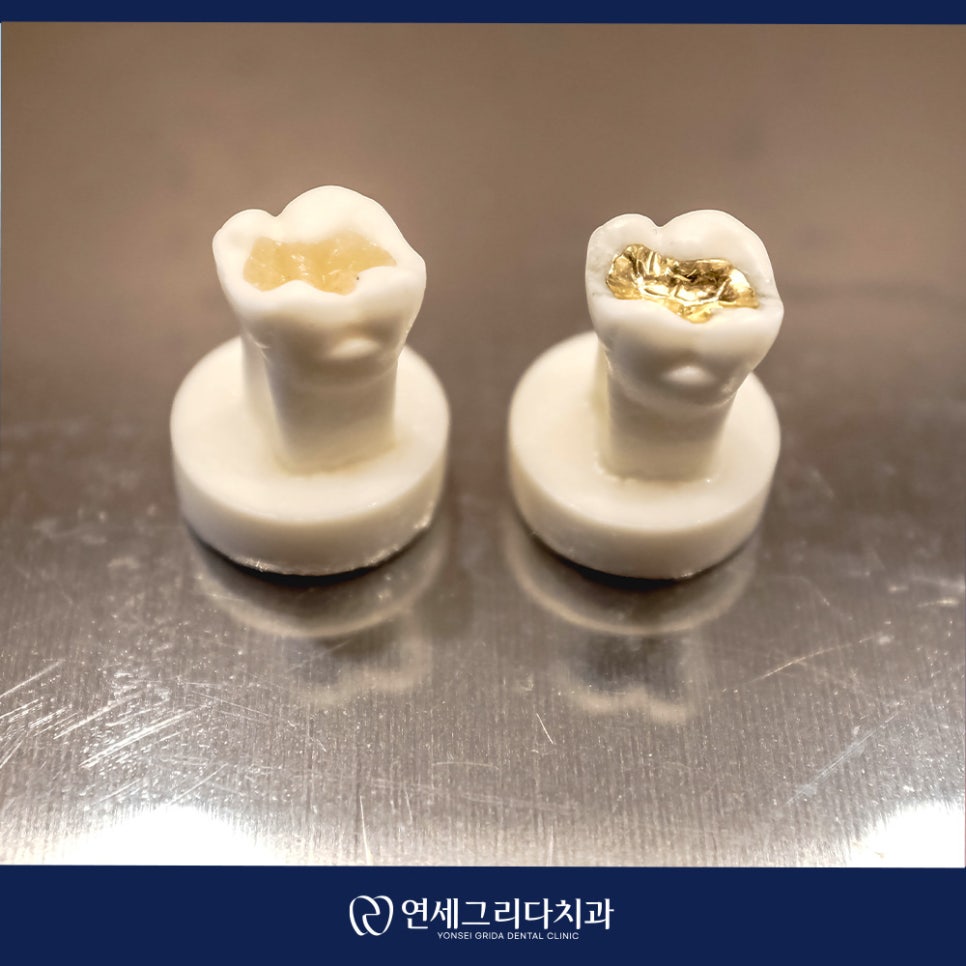
Inlay loss is
relatively common,
but the outcome can vary greatly
depending on how it is handled.
If the condition is good,
reattachment may be possible,
but if there is damage or decay,
a new one must be made.
The most important thing is
prompt examination and appropriate action.
The habit of not delaying small problems
is the key to keeping your teeth healthy
for a long time.
If your inlay has fallen out now,
please do not leave it untreated,
and get a thorough examination.