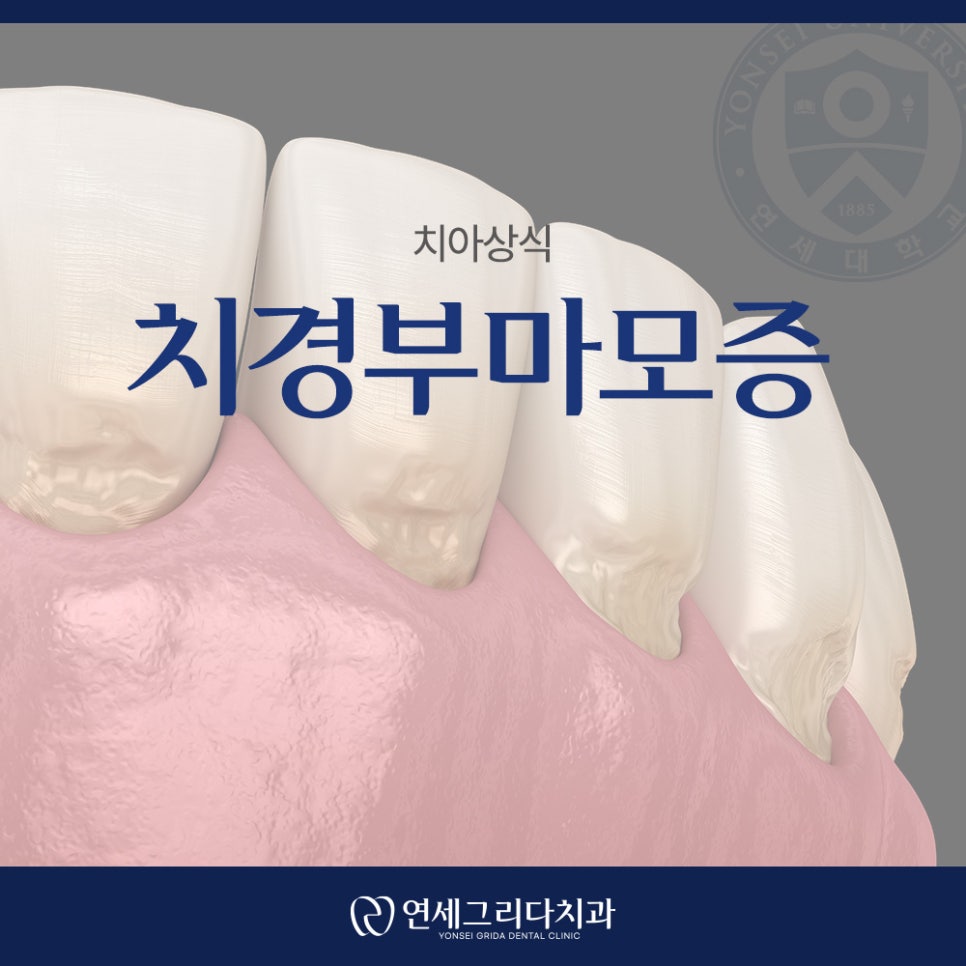
Even if only a cold breeze passes by,
if your teeth feel sharp and sensitive,
it may be a warning signal
your teeth are sending right now.
Especially if the area where the gums meet the teeth
looks worn down like it has been scooped out,
and pain is present,
you should suspect structural damage,
not just simple sensitivity.
Many people put up with it and move on,
but these symptoms often worsen
over time.
If they are diagnosed and managed carefully at an early stage,
recovery and prevention are fully possible.
Today, I’ll explain in detail
how to respond when tooth sensitivity
occurs due to cervical abrasion.
 What is cervical abrasion?
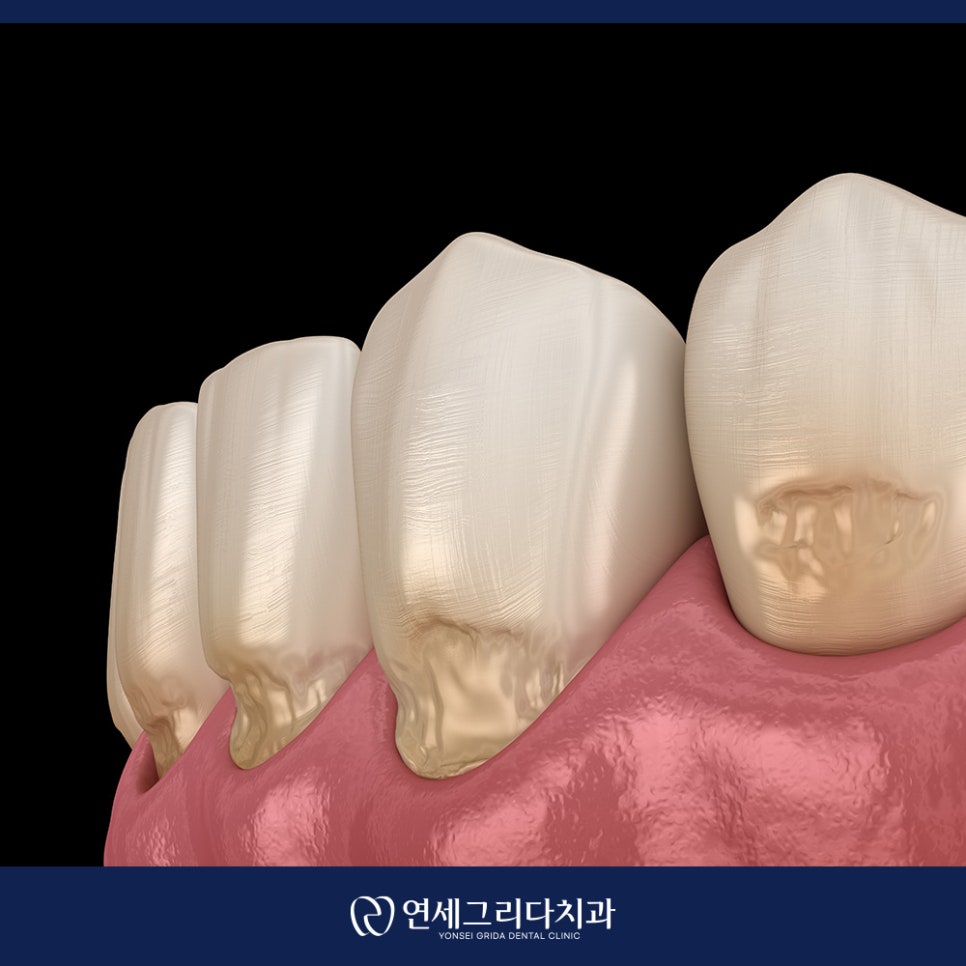
The boundary area where the crown
and root of a tooth meet
is called the cervical area.
Structurally, this area is
relatively thin
and vulnerable to external stimuli.
When repeated physical force is applied,
the surface gradually wears down
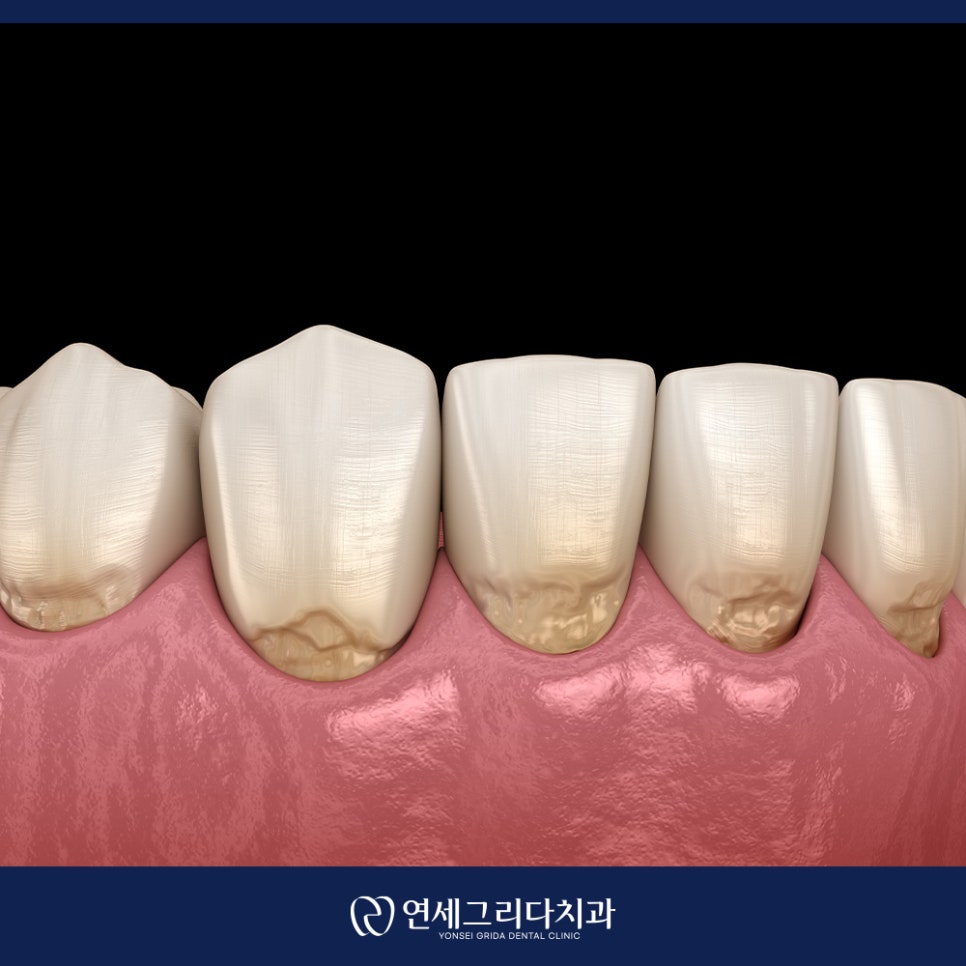
and becomes hollow like a groove,
which is called cervical abrasion.
If you check with a mirror
and the area near the gum line
looks indented in a V shape,
you may suspect it.
This condition does not appear from one or two
instances of irritation.
It develops slowly as years of improper brushing habits,
strong bite force,
and small everyday habits
accumulate over time.
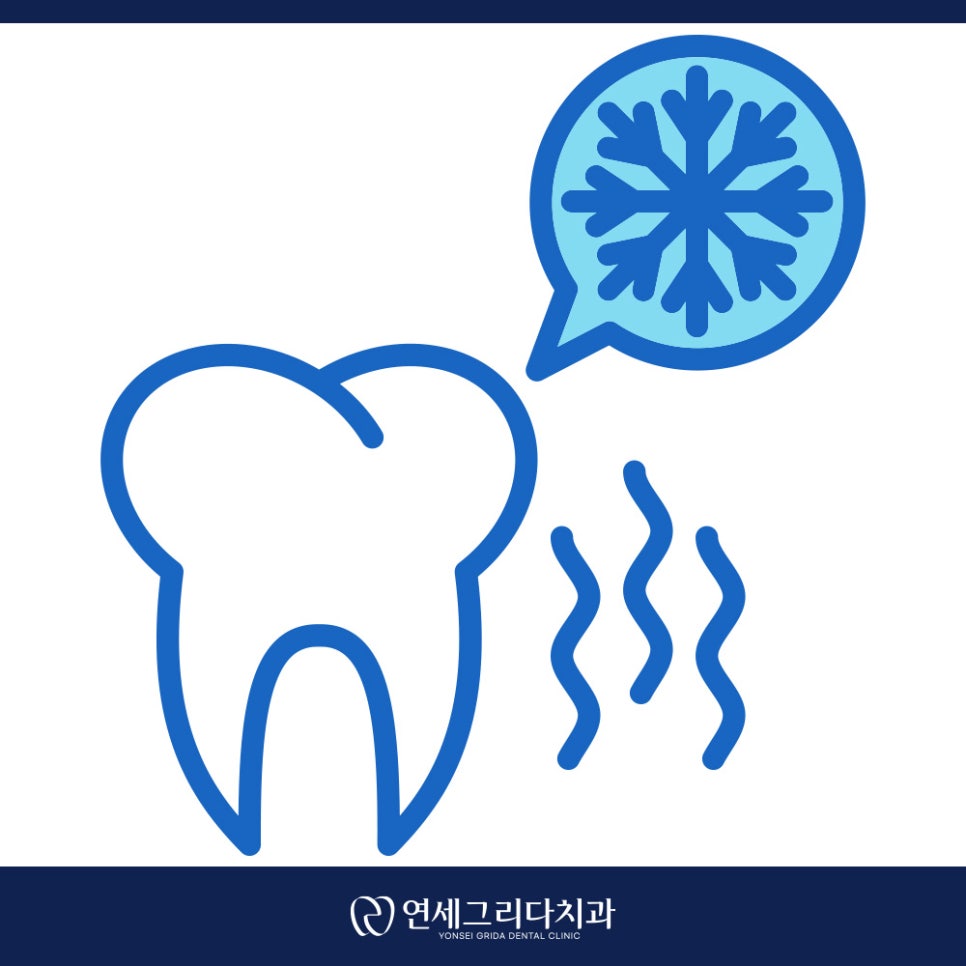 Why sensitivity occurs
When the enamel,
the outer layer that protects the tooth surface,
is damaged,
the dentin beneath it becomes exposed.
Dentin contains tiny tubules,
so changes in external temperature or stimuli
are quickly transmitted to the nerve.
That is why cold water, ice cream,
hot soup, and even brushing
can cause pain.
At first, it may feel temporary,
passing by briefly,
but as it progresses,
discomfort can continue
even without any stimulus.
In severe cases, inflammation can spread to the nerve,
leading to a situation where root canal treatment
may be needed,
so early response is important.
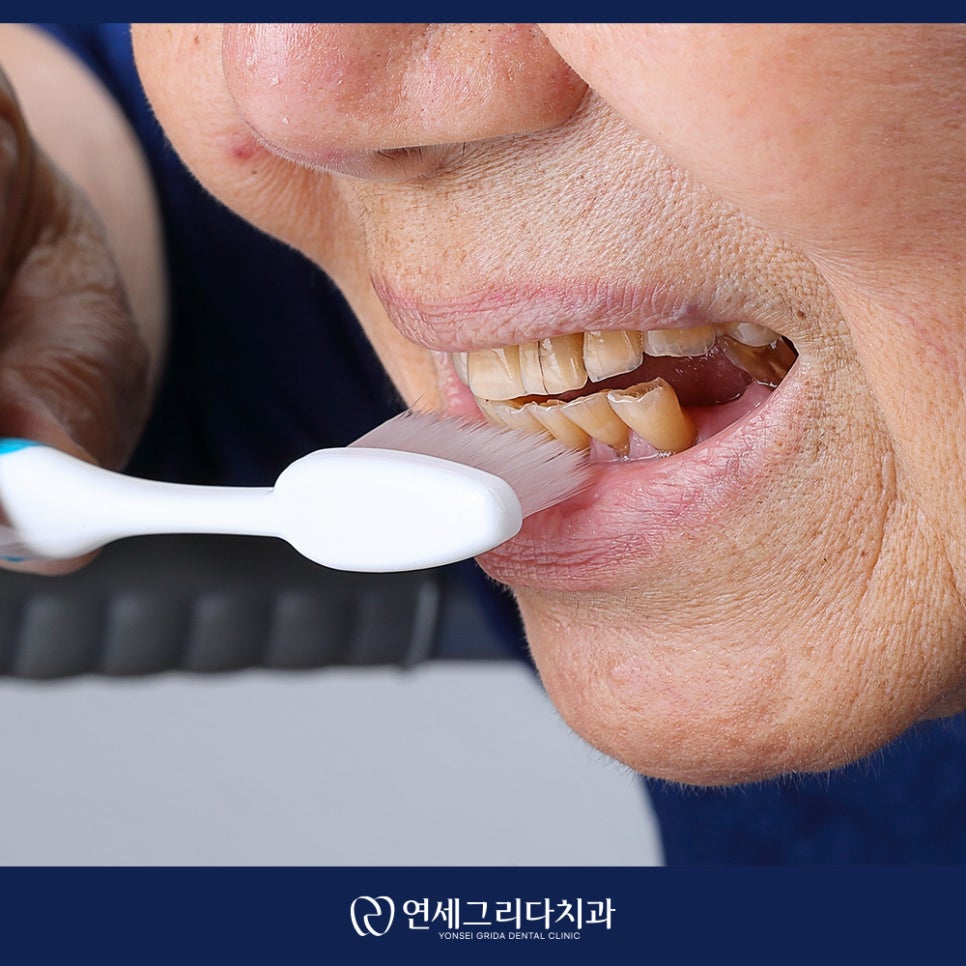 Causes
The most common cause is brushing with excessive force
while scrubbing left and right.
Using hard bristles,
or habitually applying too much pressure
in the belief that the teeth need to be cleaned thoroughly,
can create problems.
Also, habits such as clenching the teeth,
grinding the teeth,
and stress-related chewing pressure
can have an effect.
If you consume acidic drinks or carbonated beverages frequently,
physical stimulation added to a weakened surface
can accelerate damage.
If the bite is not aligned properly,
force may concentrate on specific areas,
making wear more severe.
 Treatment methods
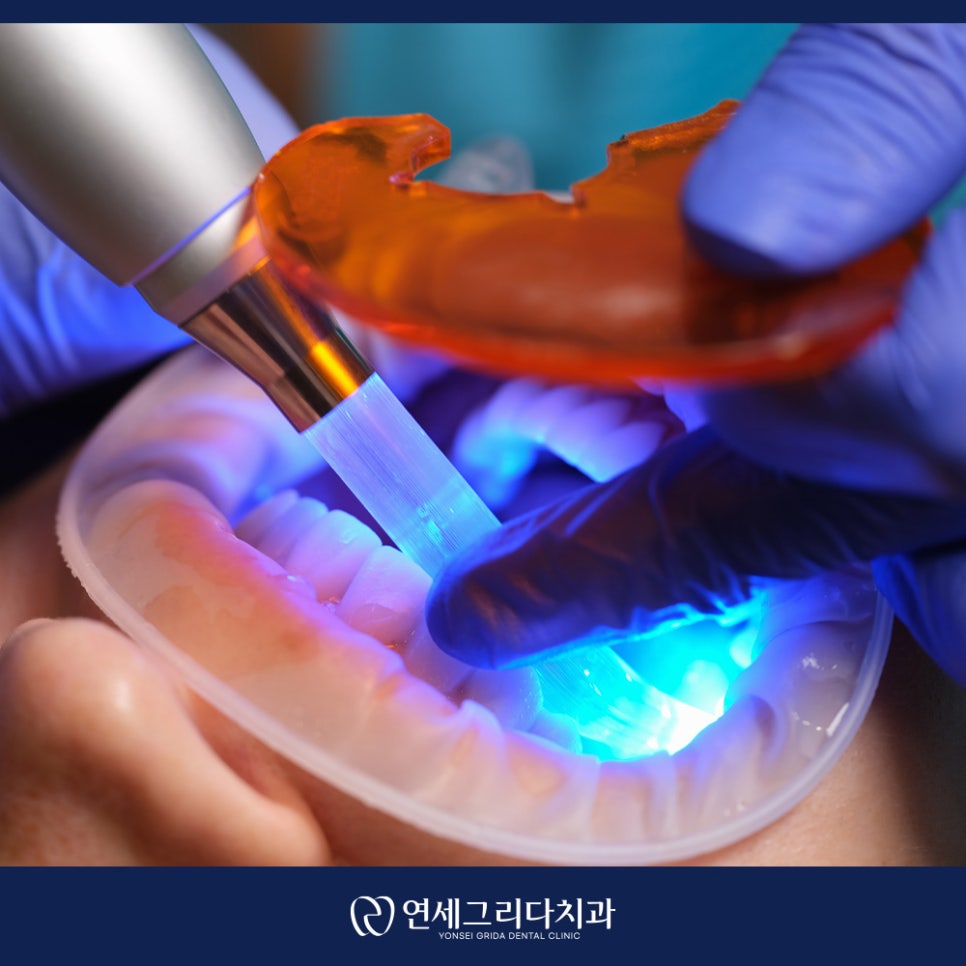
If the damage is mild, treatment that fills the worn area
with resin to block irritation
can be helpful.
This can help relieve pain
and also improve appearance.
If the symptoms are in the early stage,
treatment to reduce sensitivity or fluoride application
may be chosen
to strengthen the protective layer.
If teeth grinding is present,
a mouthpiece device can help
distribute the force applied to the teeth.
If a bite abnormality is identified,
adjustment treatment is needed after a precise diagnosis.
Above all, to prevent recurrence,
education on the correct brushing method
must be provided as well.
 How can it be prevented and managed?
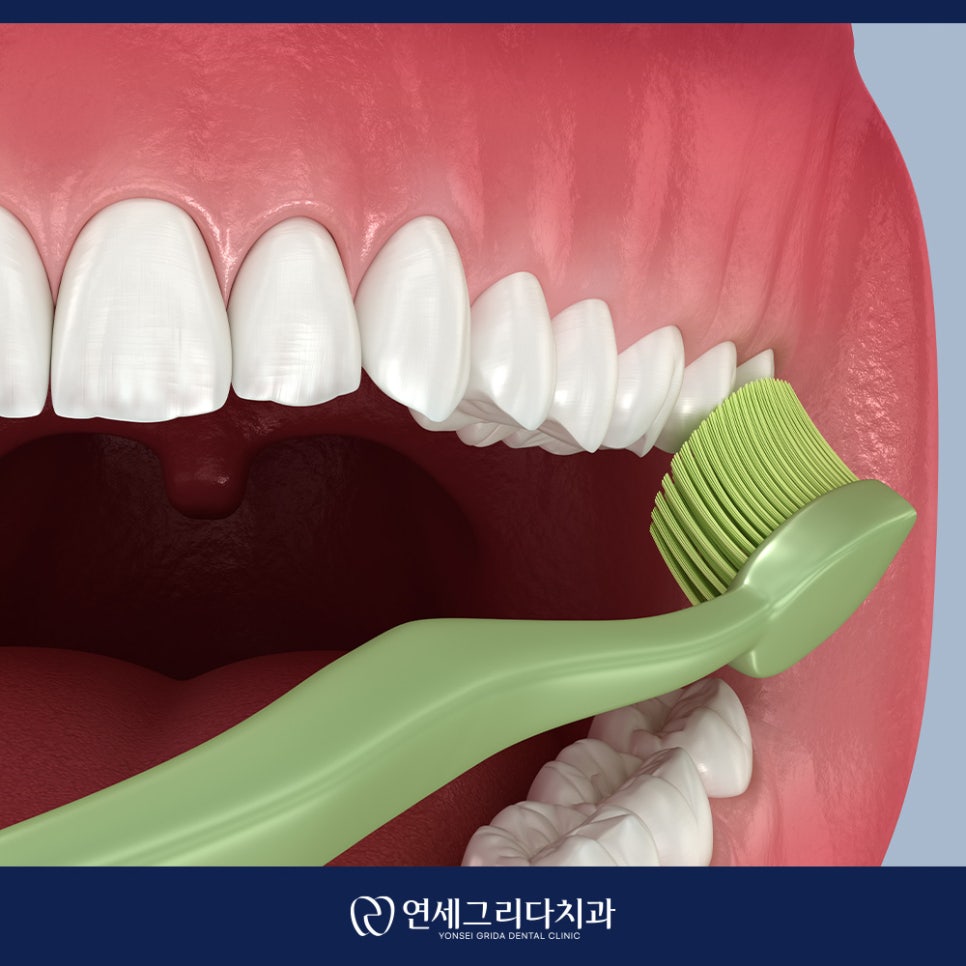
It is important to use a medium-soft toothbrush
and develop the habit of brushing up and down
while relaxing the wrist.
After consuming acidic foods,
rather than brushing immediately,
it is better to brush after some time
to help protect the surface.
Regular oral examinations are essential.
The neck area of the tooth is difficult
to check on your own,
so inspection with professional equipment
is necessary.
If it is found early,
it can be managed sufficiently
with simple treatment.
Tooth sensitivity caused by cervical abrasion
may not be simple sensitivity,
but rather a sign that the tooth structure
has been damaged.
If left untreated, it is likely to deepen
and the pain may become worse.
However, if it is diagnosed early
and treated appropriately,
it can be improved sufficiently.
If cold foods already feel uncomfortable,
I recommend getting a detailed examination
before it gets worse.
Before a small groove leads to major treatment,
find the cause through consultation
and create a personalized care plan.
For a daily life where you can smile comfortably
and eat without worry,
please get checked right away.