�7
“Why doesn’t my mouth feel fresh,
even though I brush every day?”
�7
Many people brush their teeth
twice or three times a day,
but if bad breath or gum discomfort continues,
it may be necessary to
check your care routine again.
�7
Simply brushing your teeth
may not be enough.
�7
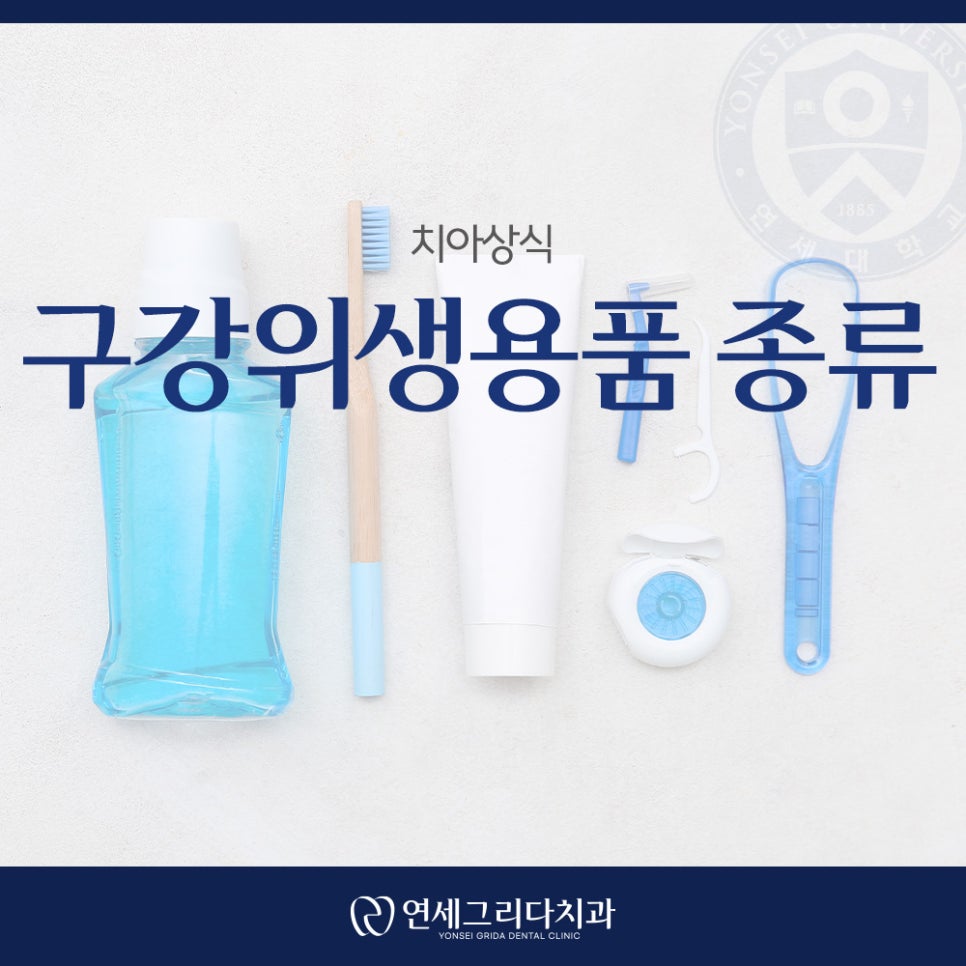
It is important to clearly know the types of oral hygiene products
and use each one according to its role.
�7
If you choose tools that suit your oral condition
and care for your mouth in the right way,
you can maintain a much cleaner and fresher oral environment.
�7
Today, I will organize the types of oral hygiene products
and how to use them
that you should know in daily life.
�7
Toothbrush
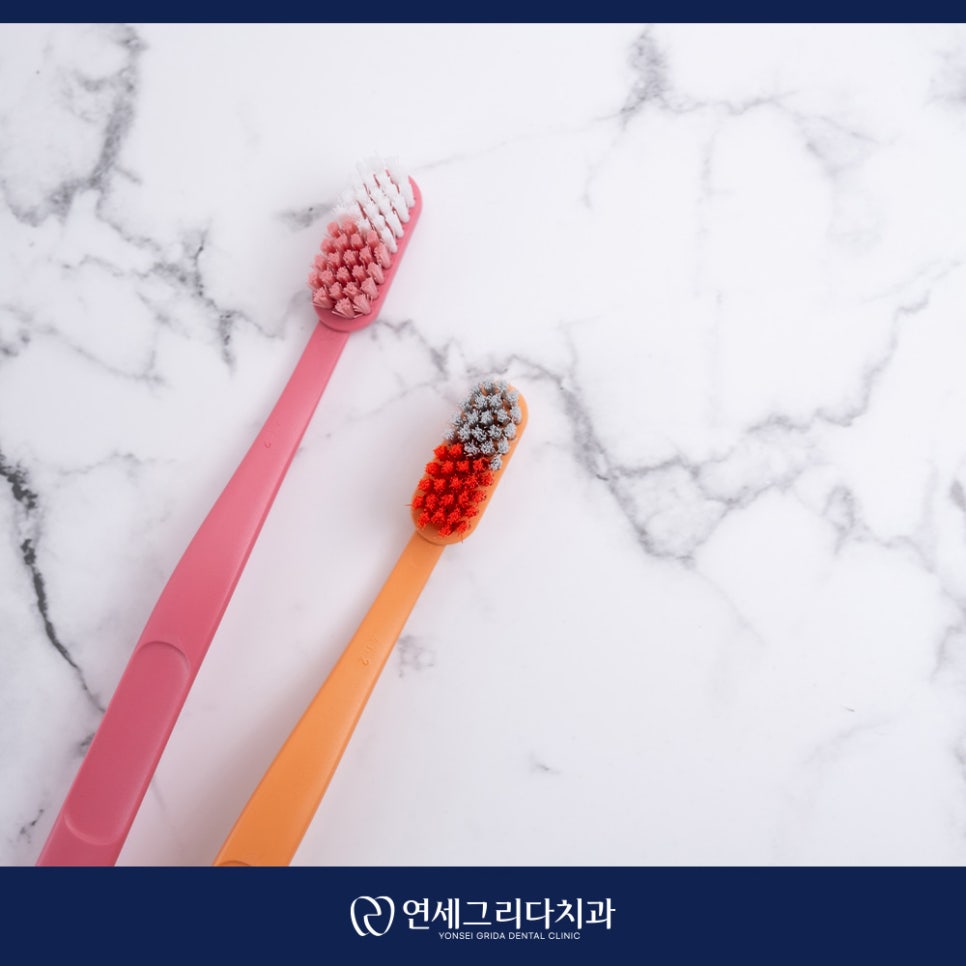
A toothbrush is the starting point of oral care.
�7
However, using just any product is
not advisable.
�7
A medium bristle firmness is generally suitable,
and if your gums are sensitive, you may want to consider
an extra-fine bristle product.
�7
A head size that covers about 2 to 3 teeth
is appropriate.
�7
If it is too large, it can be difficult to reach the inside of the molars,
and if it is too small,
the care time may become longer,
so a proper balance is important.
�7
When using it, instead of rubbing hard
from side to side,
it helps to brush gently
with an up-and-down rotating motion.
�7
It is also important to replace it every 2 to 3 months
to maintain hygiene.
�7
Dental floss
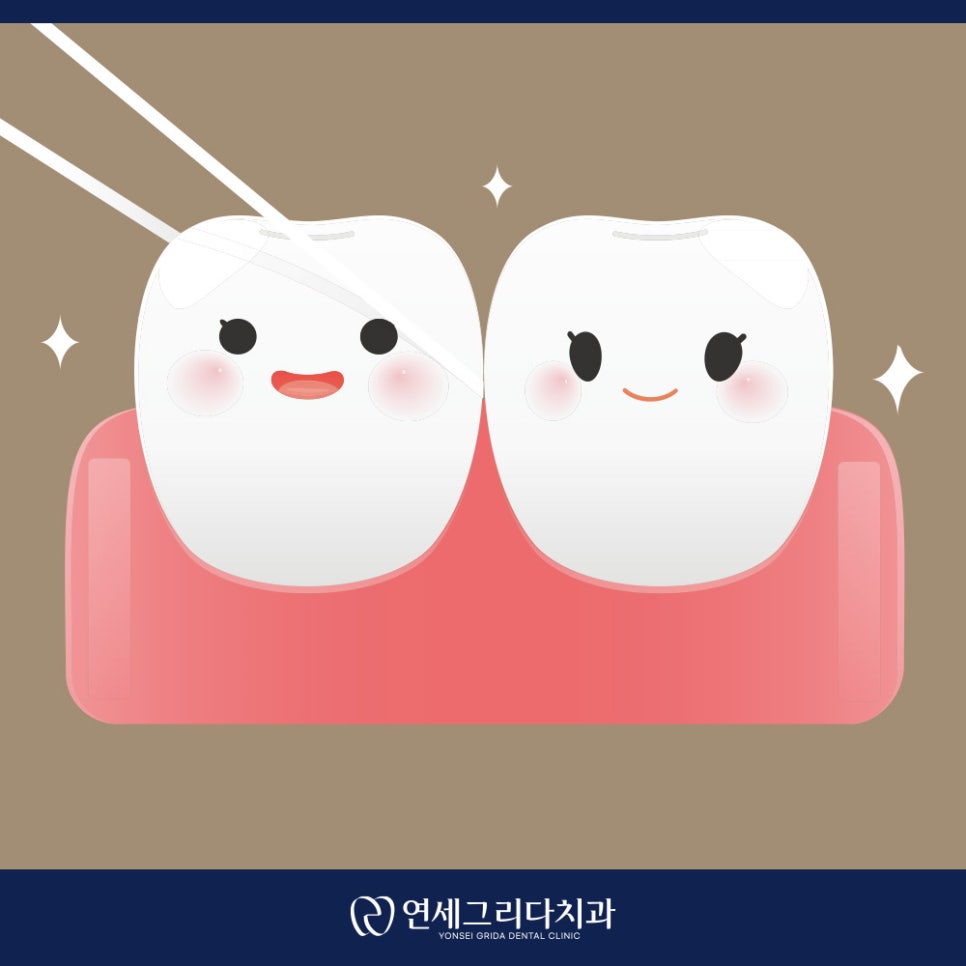
It is difficult to fully care for the spaces between teeth
with a toothbrush alone.
�7
That is where dental floss is needed,
and it is especially good to use it
before bed.
�7
A helpful method is to wrap it around the tooth in a C shape
and move it gently up and down.
�7
Bleeding may occur when you first start using it,
but with consistent care,
it often decreases over time.
�7
Dental floss plays
an important role in removing plaque.
�7
Interdental brush
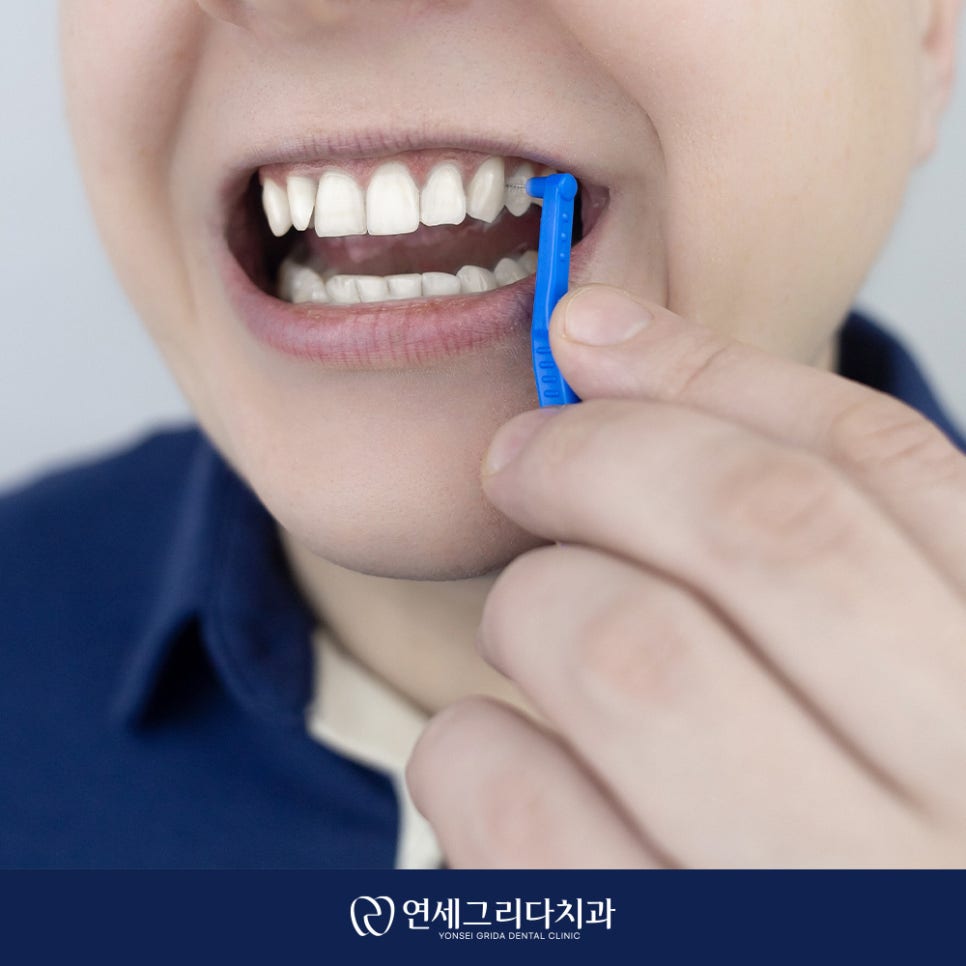
If your gums have receded
or the spaces between your teeth are wide,
an interdental brush can help.
�7
The most important thing is
a proper size choice.
�7
If the product is too small, it will be loose
and less effective,
while a product that is too large can
irritate the gums.
�7
When using it, move it slowly back and forth
to remove debris,
and it is important not to force it in.
�7
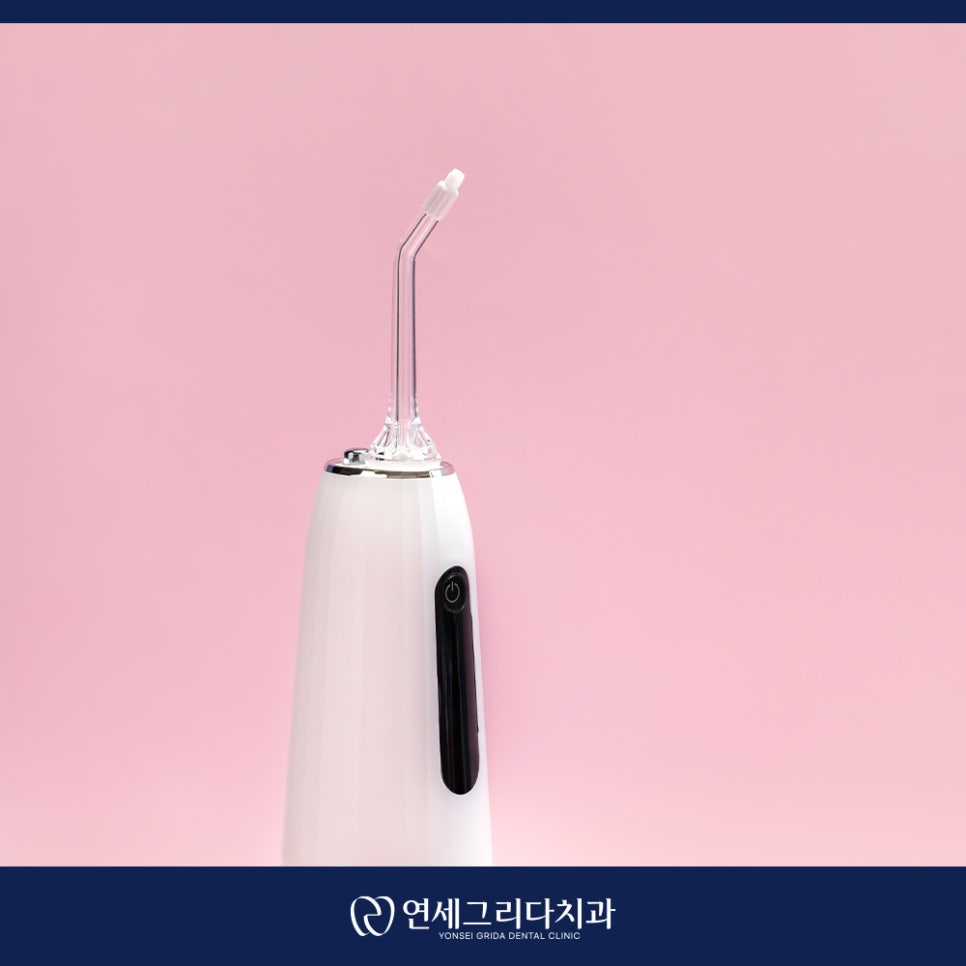
Water flosser
A water flosser uses water pressure
to remove food particles.
�7
It is good to use as an auxiliary tool
when you have orthodontic appliances or need detailed care.
�7
However, it cannot completely replace
a toothbrush or dental floss.
�7
It is safest to start with a low pressure setting
and gradually adjust it.
�7
Regular nozzle replacement
and cleaning are also necessary.
�7
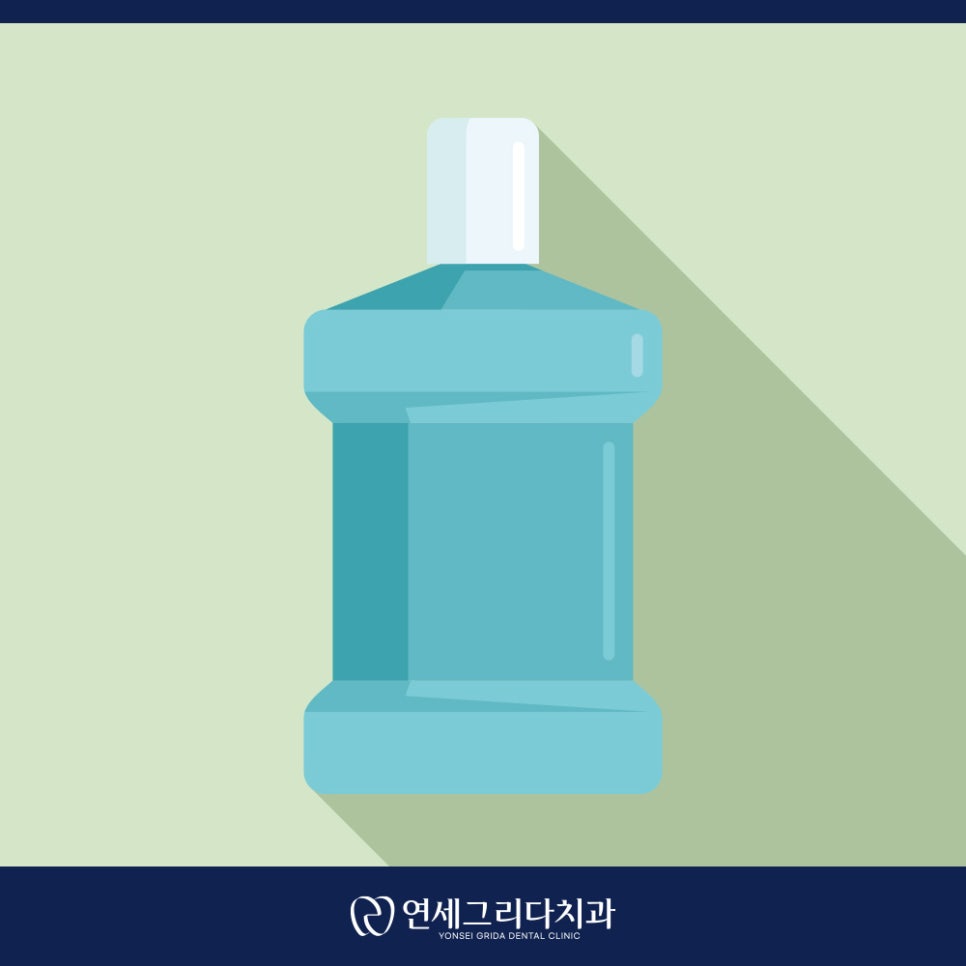
Mouthwash
Mouthwash can help make the mouth feel fresh
and temporarily reduce the number of bacteria.
�7
However, it cannot replace
the basic mechanical cleaning process.
�7
Products containing alcohol may cause irritation,
so if you are sensitive, it is better to choose
a non-alcoholic product.
�7
It is also best to use it
after brushing your teeth.
�7
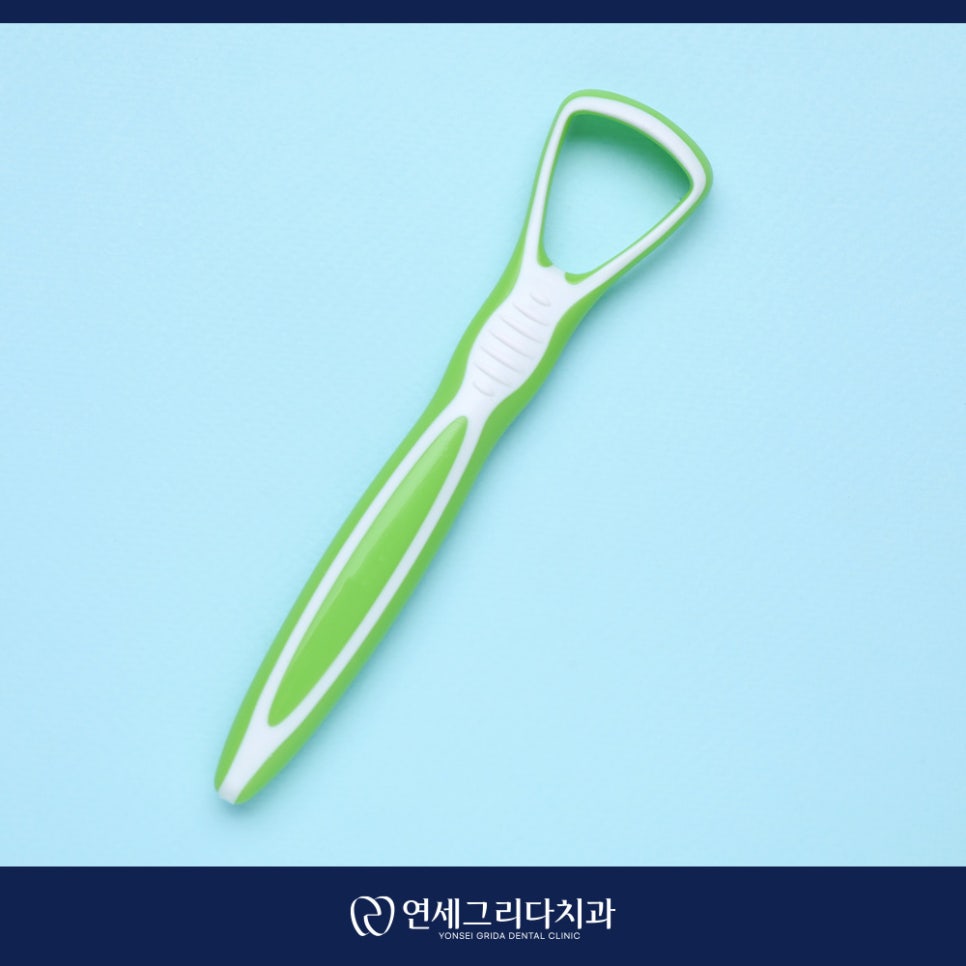
Tongue cleaner
A coating on the tongue surface builds up easily,
and this can cause bad breath.
�7
Using a tongue cleaner to gently remove it
from the inside toward the outside
can help maintain a cleaner oral environment.
�7
Excessive force can instead
cause irritation,
so it is appropriate to use it lightly.
�7

�7
Properly understanding the types of oral hygiene products
and using each one according to its role
is the basis for maintaining a healthy oral environment.
�7
Rather than stopping with a toothbrush alone,
if you combine dental floss, interdental brushes, water flossers, mouthwash,
and tongue cleaners as appropriate for the situation,
the quality of your care improves.
�7
The important thing is to find the method that suits you
and practice it consistently.
�7
Starting today, make a fresher and cleaner daily life
with the right choices and habits.
�7